

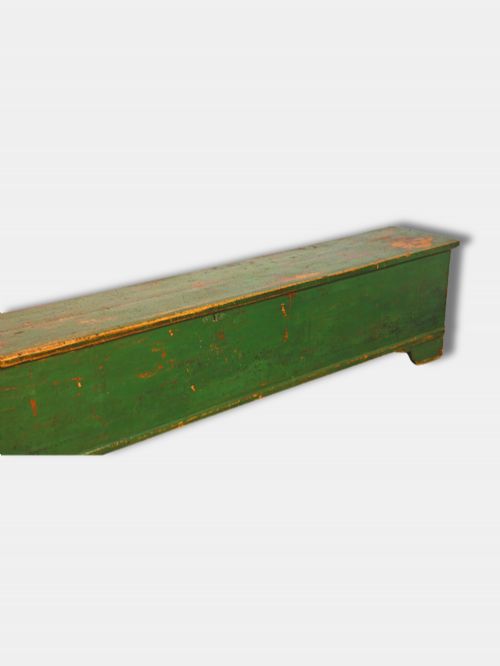


Continental Pine Coffer
These continental pine coffer pieces are sturdy storage chests built across European regions, prized for their rustic painted surfaces and enduring utility.
Continental Pine Coffer
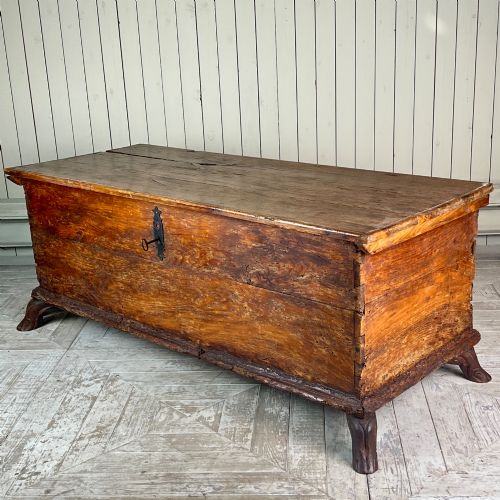
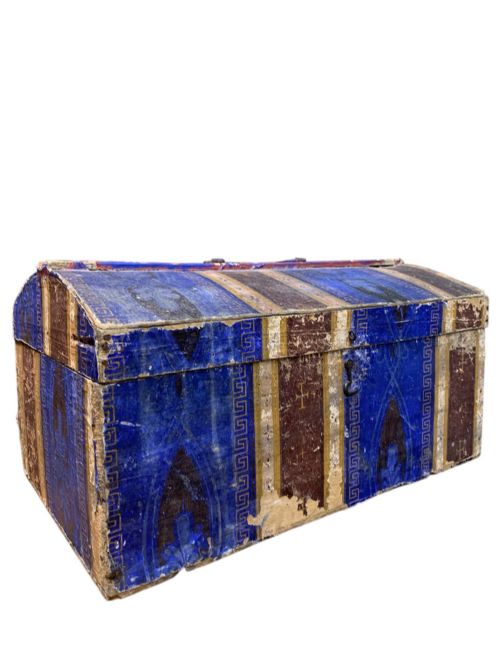
A continental pine coffer is a robust storage chest originating from European rural workshops, built to hold household goods, linens, and dowry items. When searching for a continental pine coffer, buyers encounter forms spanning the eighteenth and nineteenth centuries, including marriage chests, dowry boxes, and domed caskets.
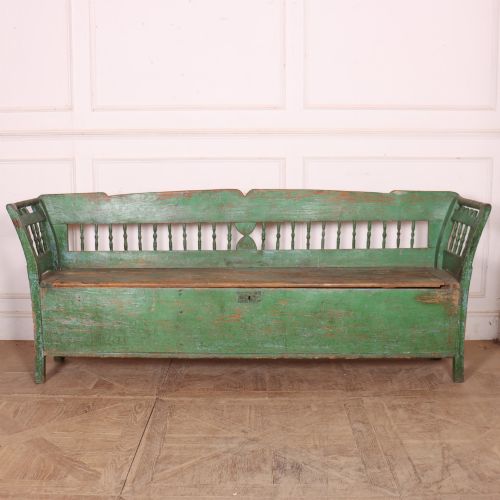
Regional variations shape these objects, bringing Austrian farmhouse benches, Dutch country chests, and Hungarian painted boxes into the mix. These pieces function as blanket boxes, benches, and storage trunks while displaying distinct folk art traditions.
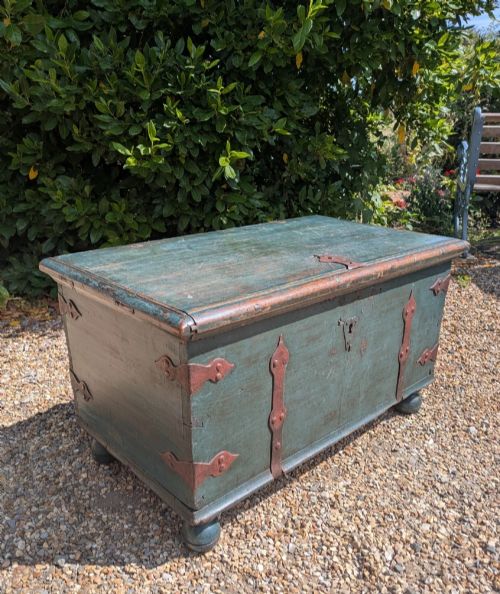
Makers utilised native pine alongside iron strapwork and block-printed paper linings to construct these practical domestic items. Surviving examples often retain original paint schemes, floral decorations, and hand-forged hardware from the Alpine region and beyond.
How they were made
Makers constructed these chests primarily from solid pine, joining panels with traditional techniques suitable for heavy domestic use. Workshops integrated hand-forged wrought iron strapwork and brass fittings to reinforce corners and lids.
Surface decoration involved applied paint layers, sometimes complemented by block-printed paper linings inside the boxes. Carved scroll feet and detailed folk art painting completed the construction of these regional pieces.
Continental Pine Coffer Retail Price Guide 2026
Typical asking prices for continental pine coffer among the pieces listed under this phrase on Sellingantiques today, from the lower quarter to the upper quarter. They describe what is for sale here now, not the wider market.
Some nineteenth-century marriage chests hide cheerful floral motifs beneath their heavy lids, waiting to greet whoever lifts the wood.
What varies in quality
Quality rests in the survival of original painted surfaces, where authentic nineteenth-century or eighteenth-century pigments separate untouched examples from later decorated pieces. The presence of untouched hand-forged iron strapwork and original block-printed paper adds significant character.
Structural integrity and proportion distinguish everyday storage boxes from finer alpine marriage chests and carved foot examples. Patination on the pine surface reveals the age and handling history of each individual coffer.
The Continental Pine Coffer Glossary
- Cofer
- A large strongbox or chest used for storing valuables, linens, and personal possessions. These objects often feature hinged lids and sturdy iron reinforcement.
- Strapwork
- Ornamental bands of metal, typically wrought iron, applied to the exterior of chests for structural strength and visual contrast. Blacksmiths hand-forged these elements to secure corners and lids.
- Dowry box
- A specialised container prepared for a bride, holding household goods and linens for her future marriage. These pieces frequently display decorative floral paintwork.
- Patination
- The surface alteration and mellowing of pine wood developed through age, handling, and exposure to light. This quality indicates the genuine historic character of the piece.
- Folk art
- Traditional decorative styles and craftsmanship produced within regional European communities, distinct from formal academic design. Items in this style utilise local motifs and native materials.
Continental Pine Coffer: Frequently Asked Questions
How were these chests used historically?
Families utilised these sturdy boxes for storing valuable textiles, winter blankets, clothing, and household provisions. Marriage chests specifically held the bride's dowry items.
Many examples also functioned double duty as benches or seating furniture within farmhouse interiors.
How do I identify original paint?
Original paint shows natural wear, craquelure, and fading consistent with age and domestic use rather than artificial distress. Traces of early pigments match the regional styles recorded in eighteenth and nineteenth-century pieces.
Examining the surface under natural light reveals the integration between the pine timber and the historic finish.
Where did these coffers originate?
These storage pieces originated across various European rural regions, including the Alpine region, Hungary, Austria, and the Netherlands. Local workshops built them using native pine and regional decorative motifs.
Distinct stylistic markers link specific boxes to Dutch country traditions or Alpine folk art.