

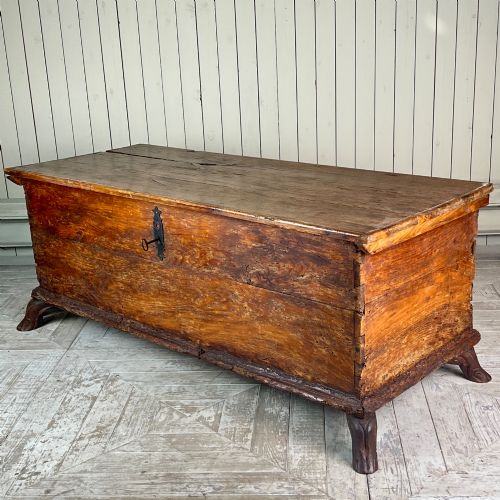
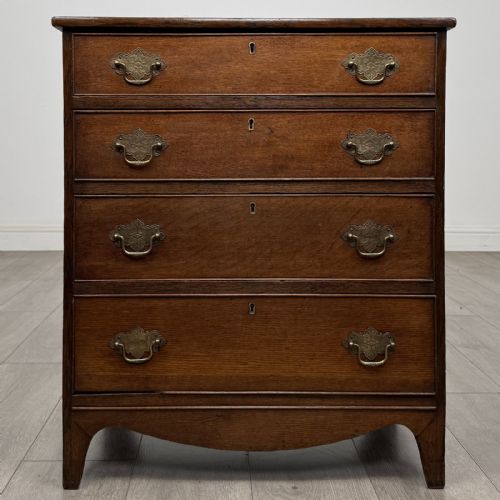
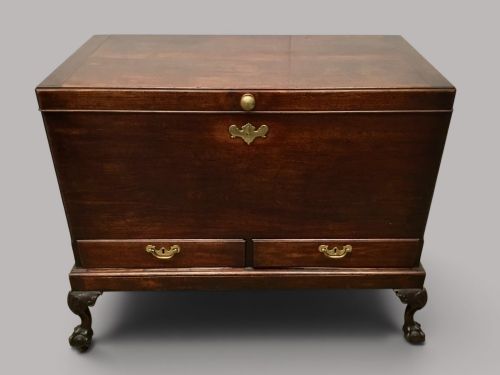
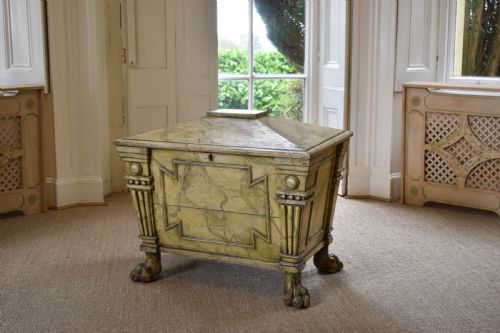
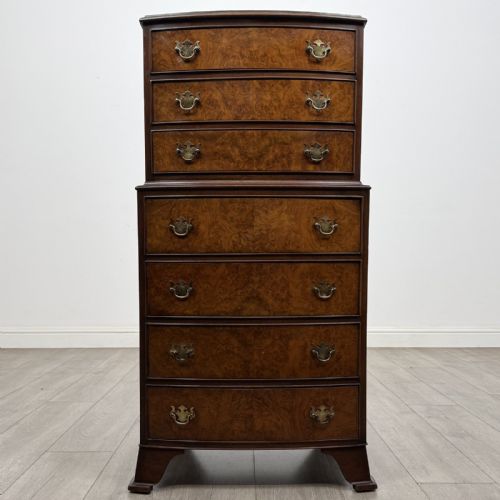
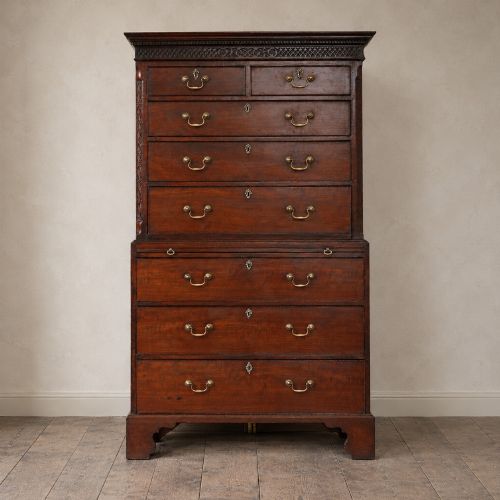
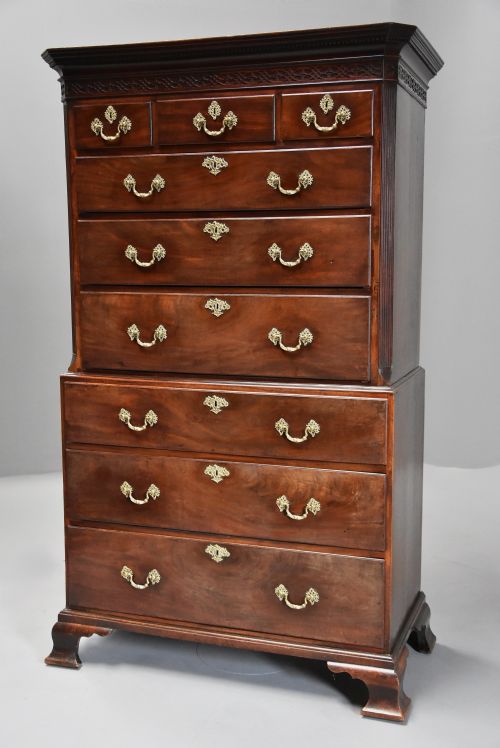
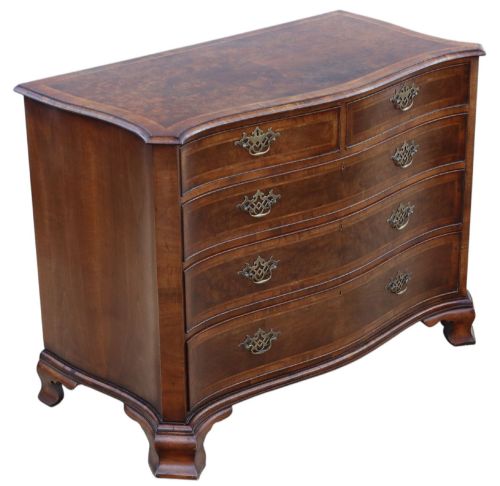

Carved Foot Chest
A carved foot chest brings substantial presence and historic storage into a room, joining practical utility with centuries of fine woodworking skill.
Carved Foot Chest
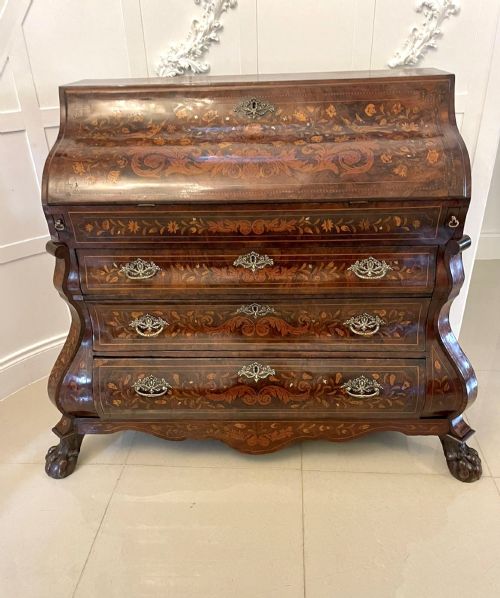
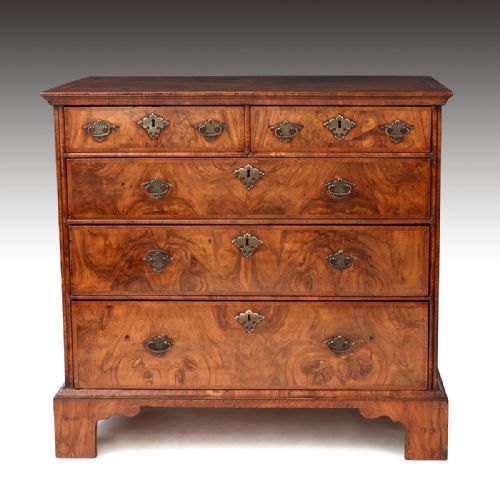
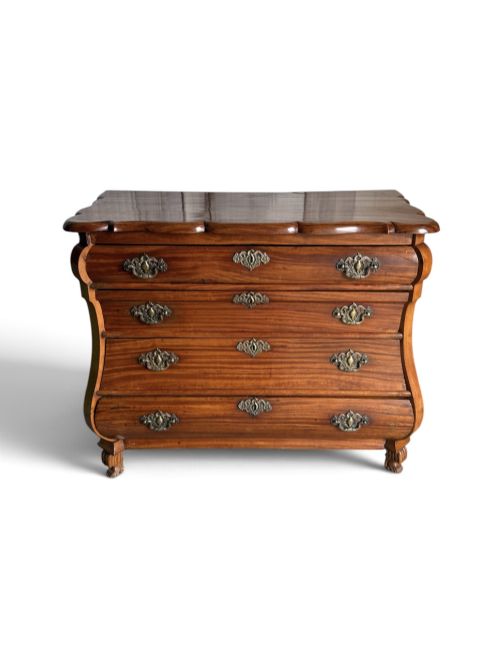
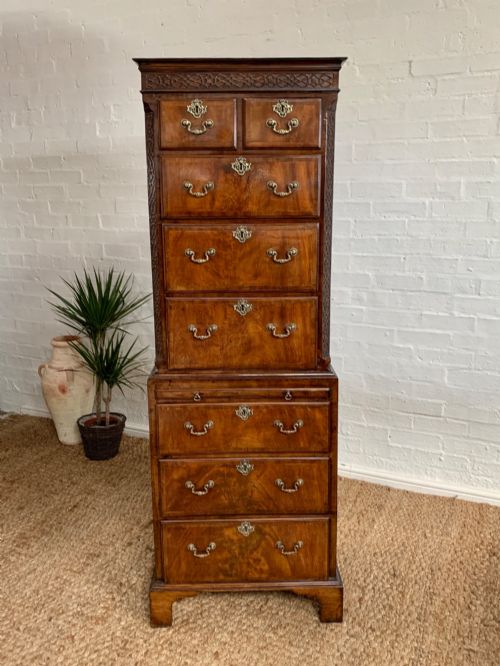
When you search for a carved foot chest, you encounter a diverse group of storage furniture spanning several centuries, including oak coffers, mahogany chests of drawers, and walnut tallboys. The pieces you meet most frequently on this page originate from the seventeenth, eighteenth, and nineteenth centuries, reflecting British, Continental, and Georgian traditions.
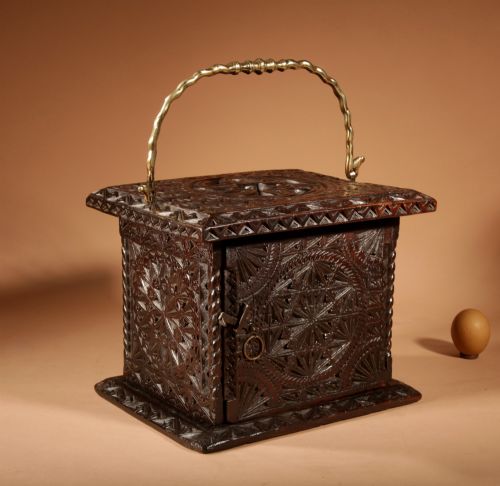
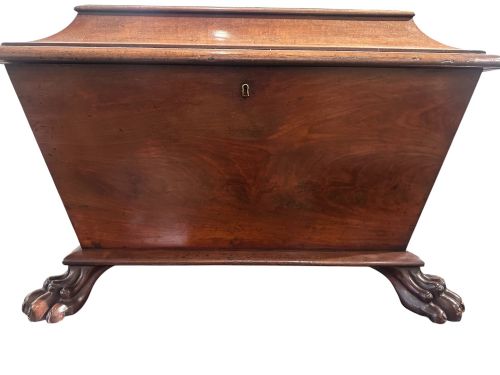
Beyond standard chests of drawers, the selection encompasses blanket chests, cellarettes, and foot stoves featuring distinctive carved supports such as scroll feet, bracket feet, and paw feet. These forms serve both utilitarian storage needs and decorative display functions within domestic interiors.
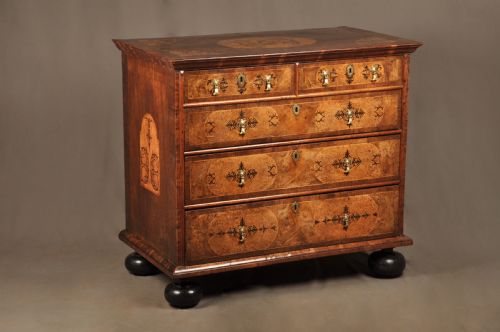
The materials span native timbers like oak and mahogany alongside exotic veneers including burr walnut and satinwood, often enhanced with marquetry or crossbanding. Each piece demonstrates the regional preferences and cabinet-making techniques of its specific period.
How they were made
Cabinet-makers constructed these pieces primarily from solid hardwoods such as mahogany, oak, and walnut, frequently applying burr walnut or satinwood veneers to prominent surfaces. Iron and brass hardware, including handles and escutcheons, provided functional and decorative accents.
Advanced decorative techniques defined the higher grades of production, including floral marquetry, arabesque patterns, and chip carving directly into the timber. Surfaces often received ebonised details or faux marble finishes to emulate more costly materials.
Carved Foot Chest Retail Price Guide 2026
Typical asking prices for carved foot chest among the pieces listed under this phrase on Sellingantiques today, from the lower quarter to the upper quarter. They describe what is for sale here now, not the wider market.
Listings feature oak, mahogany, walnut, and pine pieces spanning the seventeenth through the nineteenth centuries, incorporating brass and iron hardware.
What varies in quality
The standard of execution in carving and veneer selection largely determines the distinction between ordinary and exceptional pieces. Crisp detailing on scroll and paw feet indicates superior workmanship by skilled hands.
Original patination and the survival of primary structural timber without extensive replacement parts separate well-preserved examples from heavily restored items. The integration of decorative elements like marquetry inlay further elevates the standing of a piece.
Muirhead Moffat & Co
The Carved Foot Chest Glossary
- Bombe
- A bulging or convex curved shape typical of continental European furniture design. This swelling profile requires advanced woodworking skill to execute successfully.
- Marquetry
- Decorative veneer work forming pictorial or geometric patterns using various woods. Craftsmen meticulously fit thin slices of timber together to create intricate surface designs.
- Cellarette
- A lockable container used for holding bottles of wine or spirits. These vessels often sit on distinct stands or feature lead-lined interiors.
- Tallboy
- A tall chest of drawers consisting of one chest stacked on top of another. This form maximises vertical storage space while maintaining floor proportion.
- Crossbanding
- A border veneer strip laid so the grain runs perpendicular to the main surface. This technique frames drawer fronts and tabletops with a contrasting border.
Carved Foot Chest: Frequently Asked Questions
What is a carved foot chest used for?
These chests primarily served to store household linens, garments, or valuables safely away from damp floors and dust. Over time, many pieces transitioned into decorative living room or hallway furniture.
Today, they continue to provide concealed storage while functioning as prominent focal points within traditional and eclectic interior schemes.
How do I identify eighteenth century pieces?
Eighteenth-century construction typically reveals hand-cut dovetails, native timber linings, and period-appropriate brass hardware fixings. Stylistic cues such as bracket feet and figured mahogany veneers also point toward this era.
Examining the interior timber and backboards often confirms the age and confirms whether the components remain original to the piece.
Where should I place a chest in my home?
A substantial chest works well in a hallway, bedroom, or living area where it can anchor the room's proportions. Placing the piece against a plain wall allows the carved feet and timber grain to stand out.
Ensure the location avoids direct sunlight and extreme temperature fluctuations to protect delicate wood veneers and historic finishes.
What is the difference between oak and mahogany chests?
Oak chests generally date from earlier periods, displaying robust construction, visible grain patterns, and traditional chip carving or paneling. Mahogany versions emerged later, offering smoother surfaces, finer detail work, and rich reddish-brown tones.
Both materials require different maintenance approaches, with oak benefiting from traditional wax polishes and mahogany responding well to gentle conditioning.