
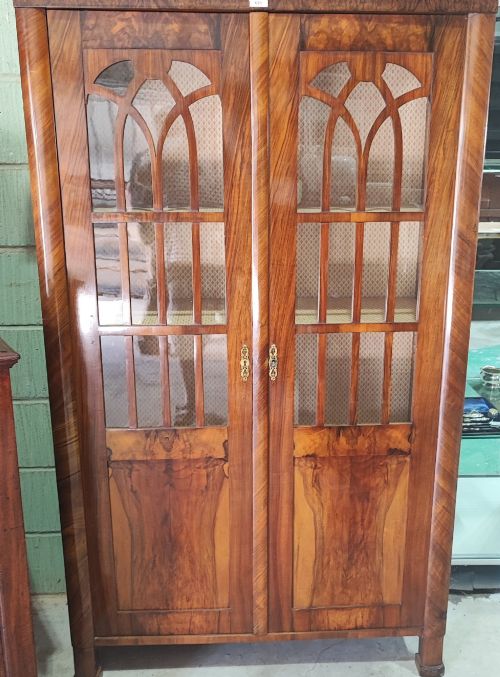
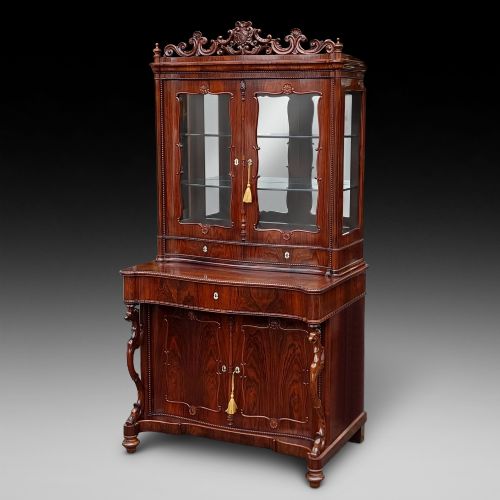
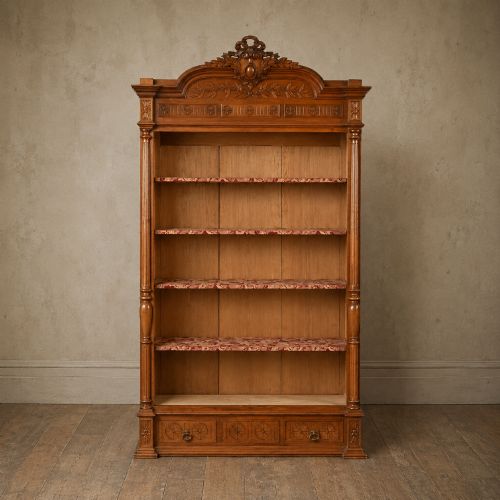
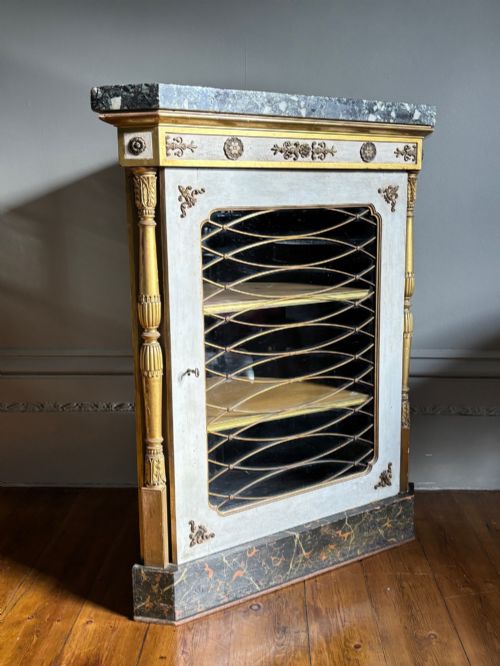




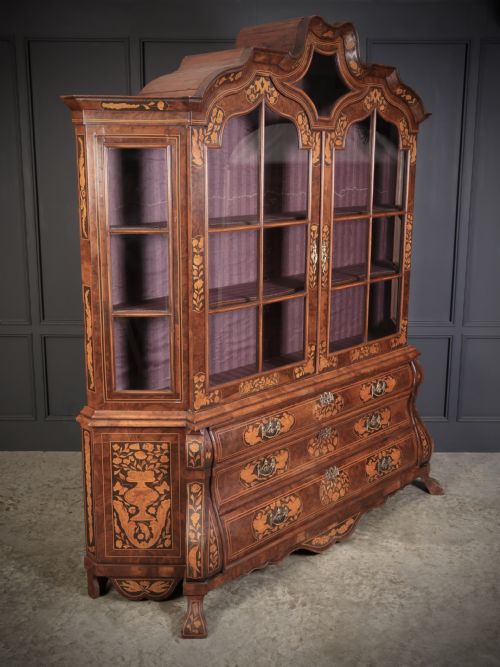


Continental Display Cabinet
A continental display cabinet brings together glass, walnut, and rosewood to hold collections across the room.
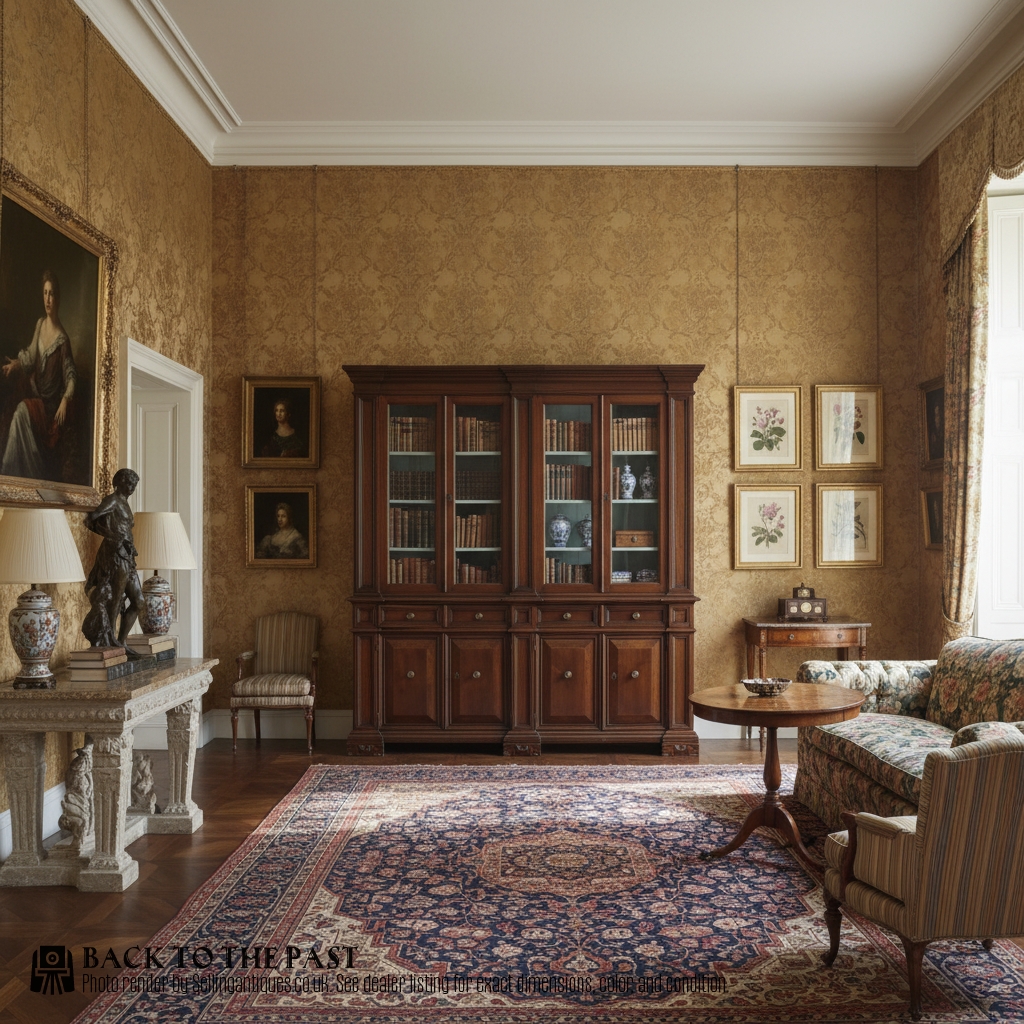
Continental Display Cabinet
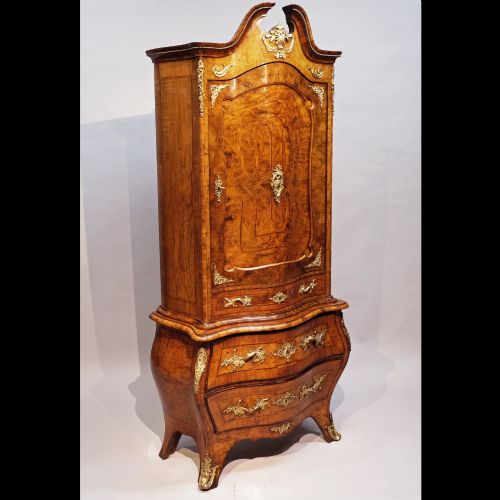
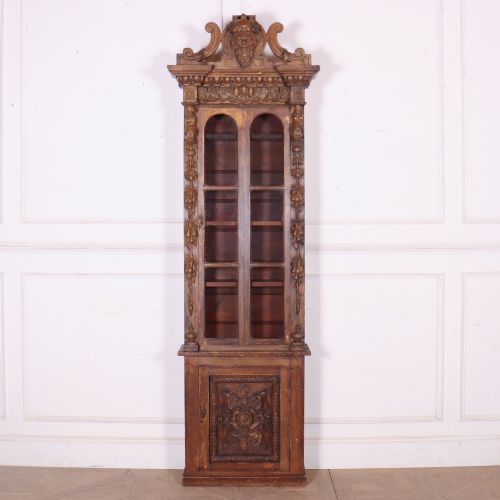
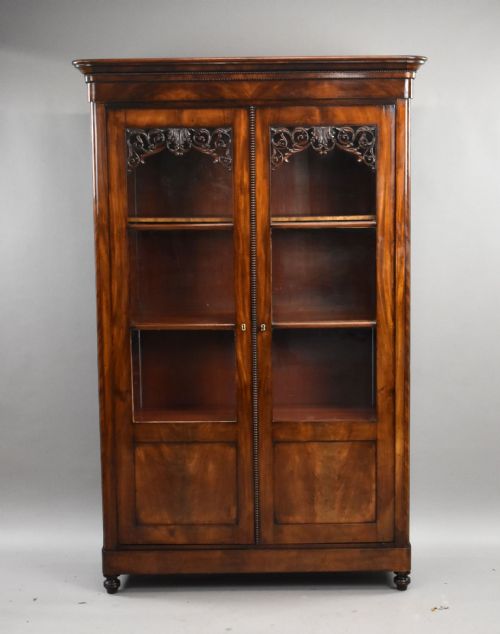
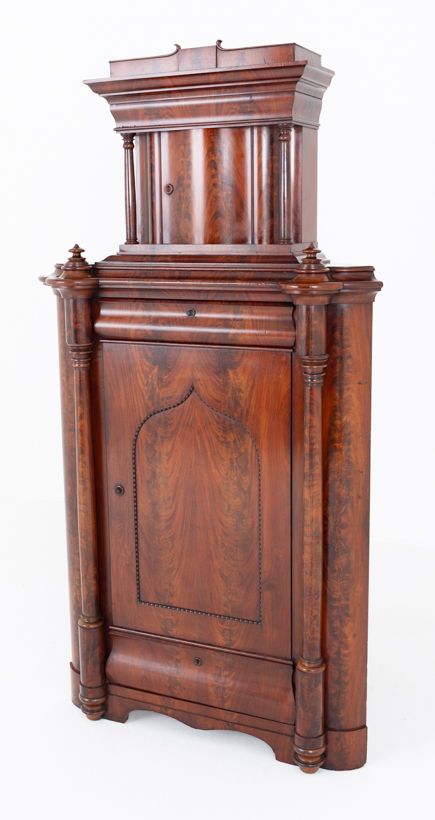
A continental display cabinet forms a storage piece built to show porcelain, glass, and books behind glazed panels. When you search for this phrase, you encounter forms ranging from corner cupboards and tall bookcases to bombe shaped cabinets and small vitrines.
The pieces span centuries of regional workshops, showing particular strength in nineteenth century walnut and rosewood work alongside eighteenth century walnut examples. You meet both freestanding floor pieces and wall mounted vitrines, often fitted with glazed sides to let light pass through the shelves.
What varies in quality
Quality rests in the selection of figured timber veneers, the precision of marquetry inlay, and the crispness of carved details across the facade. Finer examples display carefully matched grain patterns on door panels and balanced proportions in bombe or serpentine shaping.
The integration of glazed sides, cast ormolu mounts, and original glass panes separates standard utility cupboards from ambitious architectural vitrines. Construction methods such as dovetailed drawers and solid secondary woods signal regional workshop standards.
Continental Display Cabinet Retail Price Guide 2026
Typical asking prices for continental display cabinet among the pieces listed under this phrase on Sellingantiques today, from the lower quarter to the upper quarter. They describe what is for sale here now, not the wider market.
A miniature silver sedan chair waits among the full sized wardrobes and bookcases.
The Continental Display Cabinet Glossary
- Vitrine
- A glass-fronted cabinet designed for displaying fine objects or porcelain. These pieces often feature glazed sides to maximise interior light.
- Bombe
- A swelling, outward-curving contour found on the front and sides of furniture bases. This curved profile requires skilled veneer work.
- Marquetry
- Decorative patterns formed by fitting together thin slices of various coloured woods into a wooden ground. Makers used this technique to create pictorial or geometric designs on cabinet doors.
- Ormolu
- Gilded bronze mounts applied to furniture for decorative accent. These metal ornaments appeared on high status nineteenth century pieces.
- Biedermeier
- A Central European style emphasising clean lines, minimal ornamentation, and native wood grains. Cabinets from this movement rely on the natural beauty of walnut or birch rather than heavy carving.
Continental Display Cabinet: Frequently Asked Questions
What is a continental display cabinet?
A continental display cabinet is a storage piece with glass doors or panels made in European workshops outside Britain. These items range from tall nineteenth century bookcases to eighteenth century walnut vitrines.
They served primarily to protect and exhibit valued possessions, ceramics, and books while keeping dust away from the contents.
Where were these cabinets made?
These cabinets originated across mainland Europe, with specific pieces linked to Italy, France, Holland, Germany, and Hungary. Regional preferences shaped the forms, such as Dutch painted surfaces or Italian walnut construction.
Local timber availability dictated whether makers used native oak and pine or imported mahogany and rosewood veneers.
How do I care for antique wood?
Antique wood cabinets require stable indoor humidity levels and protection from direct sunlight to prevent veneer cracking or fading. Regular dusting with a dry cloth keeps the surface clean without damaging polished finishes.
Avoiding extreme temperature changes preserves the integrity of old glue joints and delicate inlay work.