



Biedermeier Display Cabinet
These biedermeier display cabinet pieces bring restrained continental elegance and practical timber warmth to any interior.
Biedermeier Display Cabinet
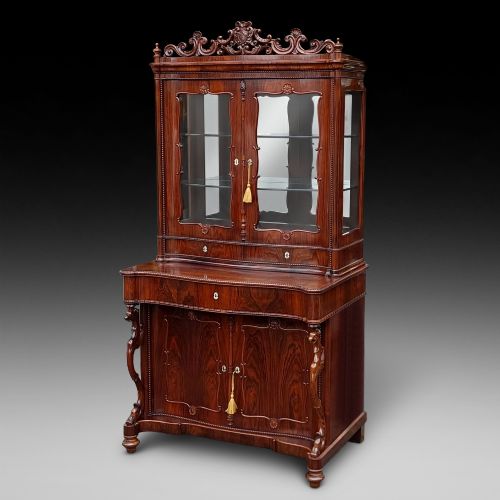
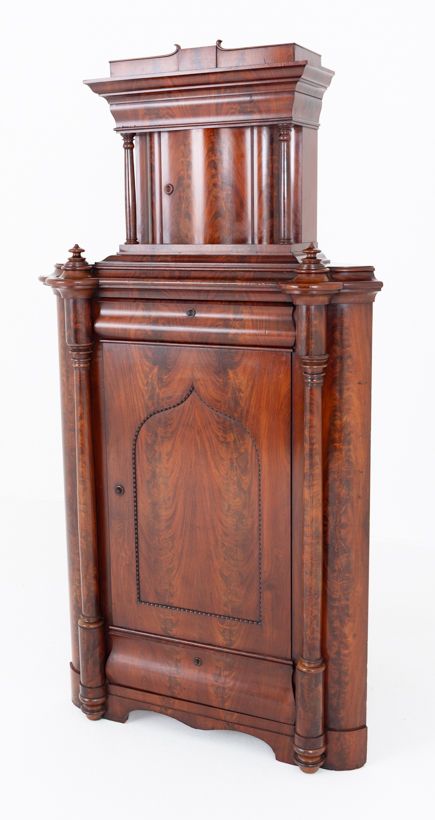
A biedermeier display cabinet combines architectural restraint with striking timber figuring to showcase glassware and china without excess ornament. When hunting for a biedermeier display cabinet, buyers frequently encounter corner variations, upright bookcases, and cupboard-based architectural forms spanning the nineteenth century through early twentieth-century revivals.
Continental cabinetmakers favoured clean geometric lines over the heavy carvings of earlier epochs, allowing the natural grain of walnut, rosewood, and birch to dominate the surface. These pieces range from compact glazed corner units to grand upright showcases, reflecting diverse Scandinavian and Central European domestic needs.
How they were made
Glazing bars divided the glass securely in geometric patterns, whilst brass mounts and hardware occasionally provided subtle metallic contrast. French polishing or oil finishes were applied to accentuate the warmth and depth of the timber figure.
Biedermeier Display Cabinet Retail Price Guide 2026
Typical asking prices for biedermeier display cabinet among the pieces listed under this phrase on Sellingantiques today, from the lower quarter to the upper quarter. They describe what is for sale here now, not the wider market.
The site records pieces spanning the nineteenth century alongside early twentieth-century Swedish Grace and Empire Revival interpretations in walnut, mahogany, and birch.
What varies in quality
The distinction between ordinary and exceptional examples rests primarily in the choice and symmetry of timber veneers. Master cabinetmakers matched flame mahogany and walnut figures across entire drawer fronts and door panels, creating balanced patterns that lesser workshops ignored.
Proportion and joinery integrity further separate fine items from utilitarian furniture, evident in the crispness of glazed door frames and the seamless alignment of internal shelving. Original brass hardware and undamaged glass panes preserve the historical integrity valued by discerning collectors.
The Biedermeier Display Cabinet Glossary
- Biedermeier
- A Central European style spanning the nineteenth century characterised by utilitarian comfort, clean lines, and minimal ornamentation. It prioritises domestic warmth and fine wood grain over ostentatious historical revivals.
- Flame mahogany
- A veneer cut from the fork of a mahogany tree where the branches join the trunk. This method produces a distinctive flickering flame pattern highly prized in high-end cabinetmaking.
- Satin birch
- A pale, golden hardwood with a silky lustre frequently utilised in Scandinavian furniture. Cabinetmakers prized its bright tone for contrasting with darker woods.
- Corner cabinet
- A specialised storage piece designed to fit neatly into a ninety-degree room junction. These units maximise floor space whilst offering glazed display areas.
- Hard-paste porcelain
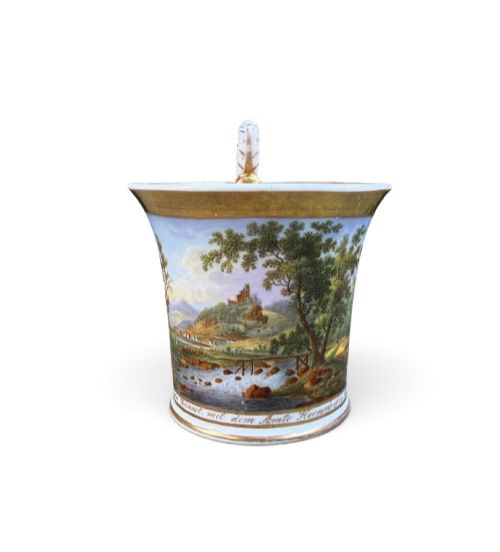
- A durable ceramic material fired at very high temperatures, often seen in decorative cabinet cups associated with the period. It produces a clear, resonant body.
Biedermeier Display Cabinet: Frequently Asked Questions
What rooms suit a biedermeier display cabinet?
These cabinets work well in dining rooms, living spaces, and studies where glazed doors protect books or ceramics while keeping them visible. Their restrained geometry allows them to anchor both traditional and contemporary interiors without overwhelming the floor plan.
Because many examples utilise compact footprints or corner configurations, they make efficient use of difficult architectural angles. The warm tones of walnut and birch harmonize easily with diverse colour palettes and wall finishes.
How do I distinguish regional biedermeier styles?
Danish and Swedish interpretations often favour lighter timbers such as birch and elm, reflecting Scandinavian preferences for bright domestic interiors. Central European pieces tend to employ richer walnut and flame mahogany veneers with bolder architectural cornices.
Examining the secondary woods inside the carcase and the framing techniques can also offer clues to the workshop's geographic origin. Revival pieces from the early twentieth century often display subtle technological differences in glass manufacture and screw types.
Were these cabinets used for books or china?
Historical domestic usage varied according to the specific form and the owner's household needs. Glazed upper sections were routinely employed for displaying fine porcelain, glassware, or curated book collections.
Enclosed cupboard bases provided practical concealed storage for linens, papers, or heavier tableware. This dual functionality made them central furniture pieces in nineteenth-century parlours.
How should I care for timber veneers?
Maintain stable relative humidity in the room to prevent the historic wood veneers from lifting or splitting. Avoid placing the cabinet in direct sunlight, which can fade delicate walnut and mahogany tones over time.
Dust gently with a dry, soft cloth and occasionally apply a quality microcrystalline wax to nourish the polished surface. Avoid silicone-based sprays that can penetrate old timber finishes and attract dust.