
Continental Chest
A continental antique chest brings decades of European craftsmanship and distinctive timber into a room, offering practical storage with genuine character.
Continental Chest
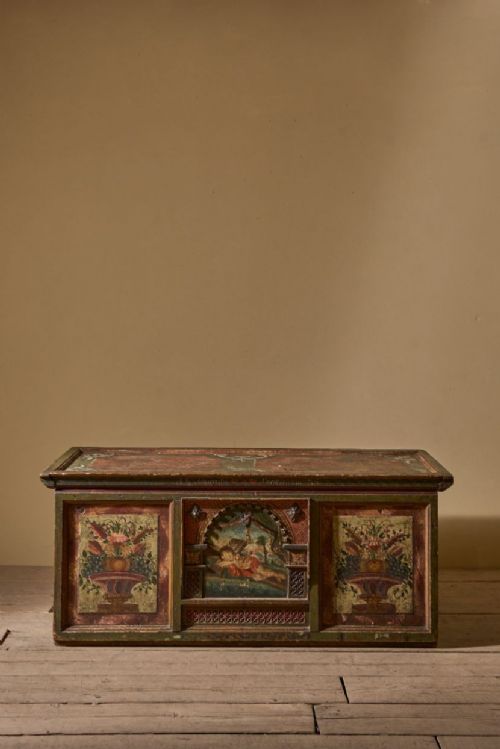
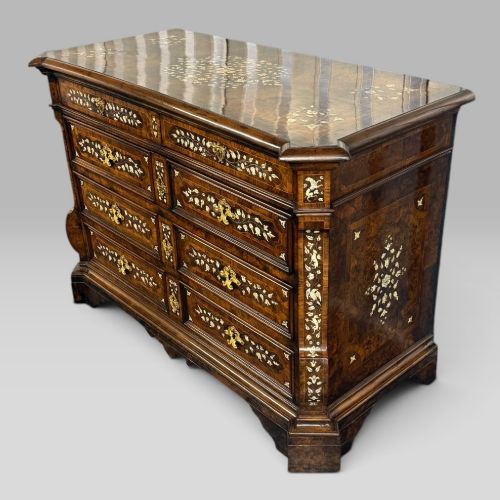
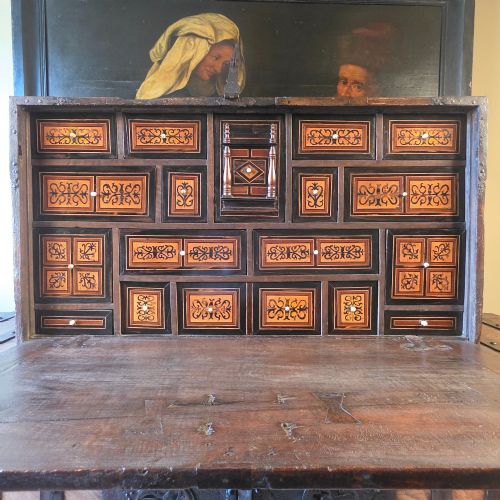
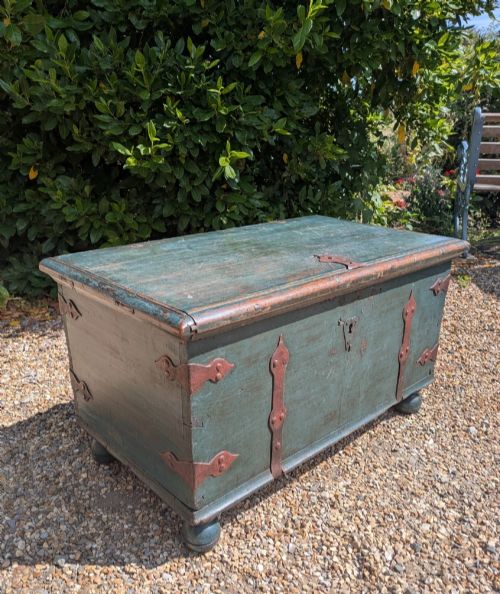
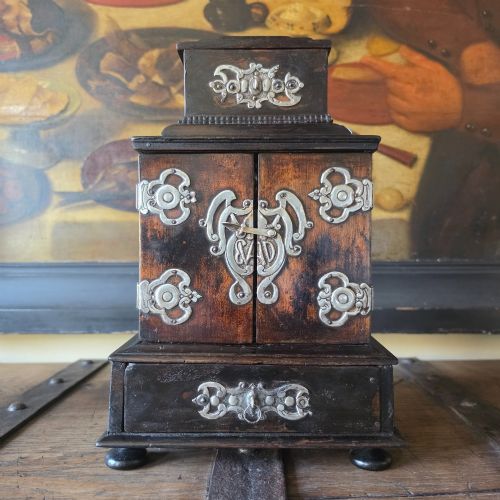
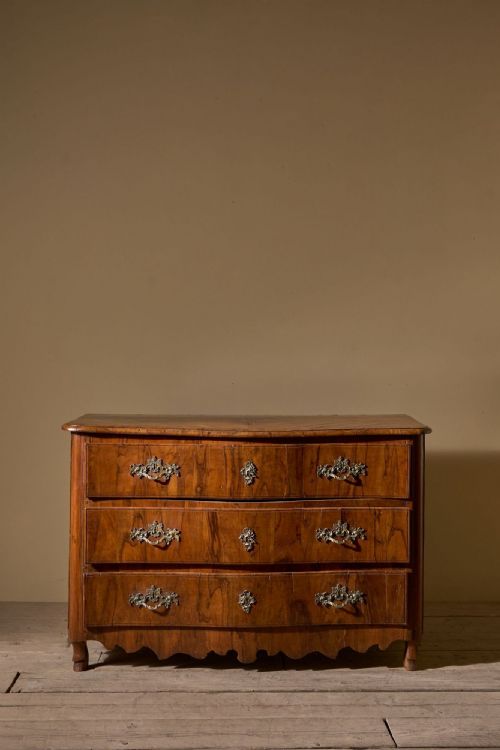
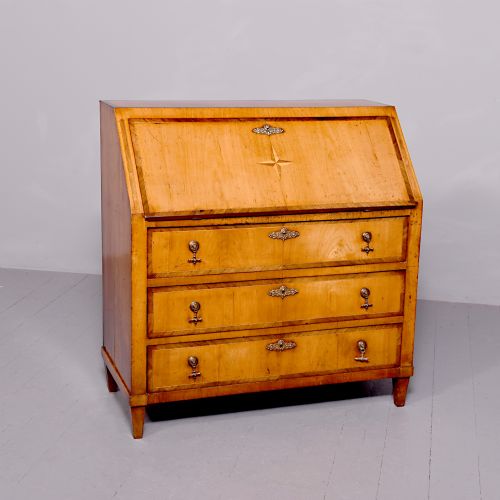
A continental antique chest covers a broad family of storage forms originating across Europe, encompassing everything from heavy oak coffers and painted marriage trunks to refined walnut and mahogany commodes. When searching for a continental antique chest, buyers encounter pieces ranging from seventeenth-century Italian baroque commodes to nineteenth-century pine chests of drawers and Biedermeier secretaires.
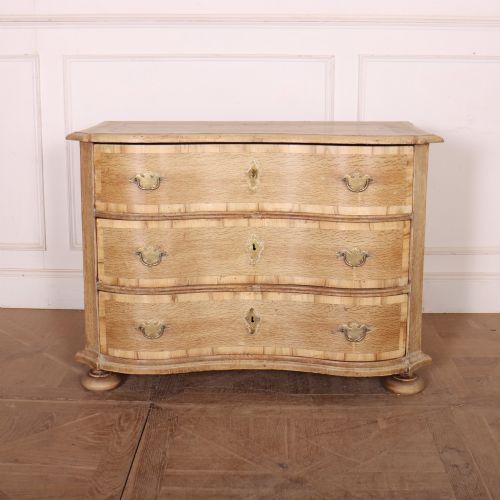
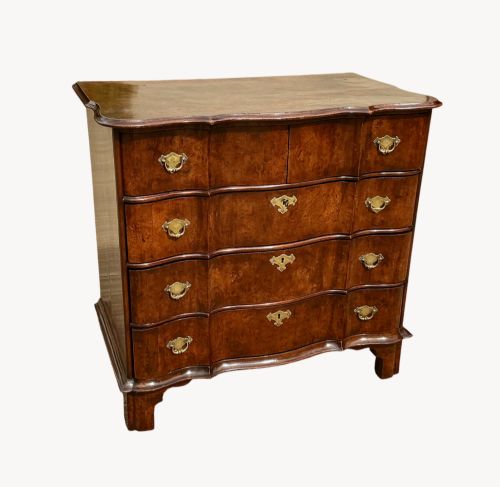
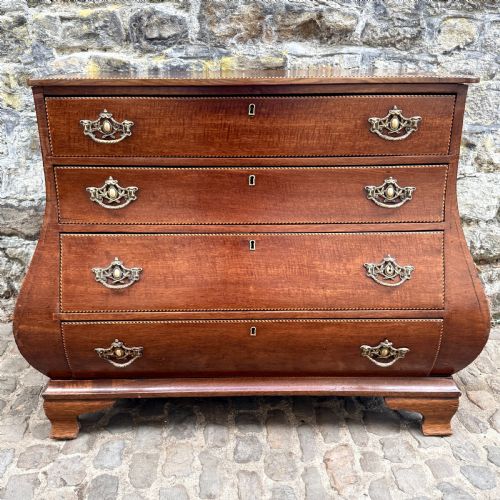
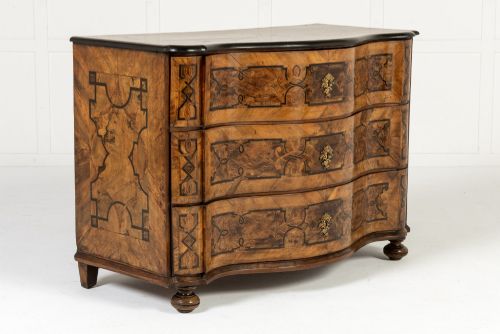
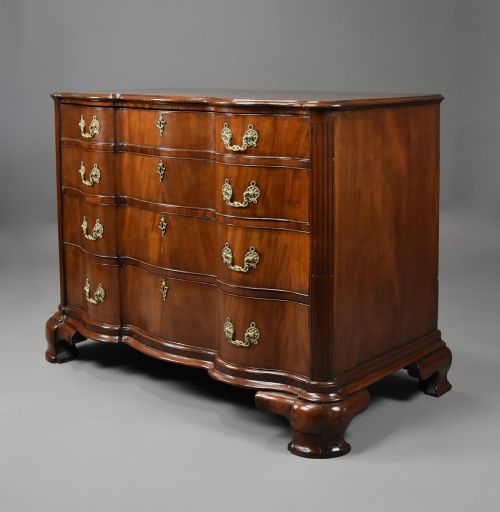
The selections span distinct regional traditions, including Dutch burr walnut chests, Austrian bleached oak commodes, and Hungarian painted pine boxes. Drawer configurations, serpentine oxbow fronts, and fitted cabinets define the internal architecture of these diverse forms.
How They Were Made
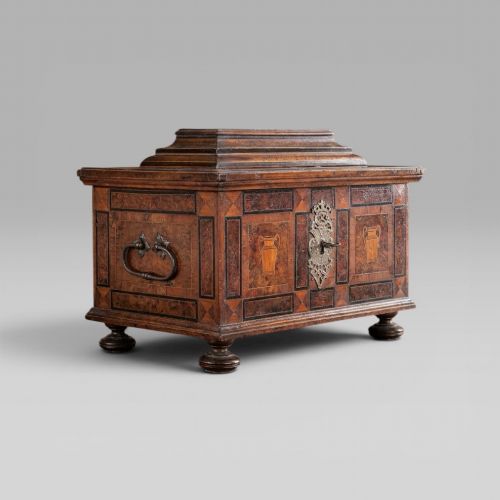
Cabinetmakers utilised native and exotic timbers such as walnut, mahogany, burr maple, olive wood, satinwood, and pine, often applying elaborate marquetry, inlay, or painted decoration directly to the wood surface. Structural integrity relied on traditional joinery, complemented by hand-forged iron strapwork and brass hardware.
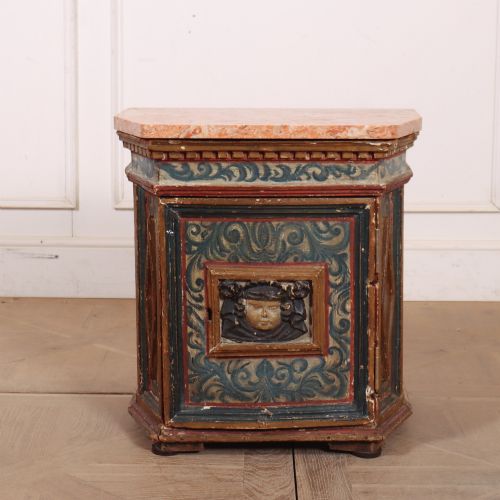
Marble tops in Carrara marble or elm appeared on later commodes, whilst surface finishes ranged from waxed pine and bleached oak to original polychrome paint and intricate burr veneer.
Hungarian pine boxes arrive decorated with cheerful floral paint, ready to hold blankets.
What Varies in Quality
The distinction between ordinary and exceptional pieces rests upon the precision of the veneer work, the restraint or exuberance of the carved or inlaid ornament, and the integrity of the original timber. Regional workshops of high repute employed superior cabinetmaking techniques, visible in the alignment of drawers and the crisp execution of serpentine and oxbow forms.
Surface preservation dictates much of the appeal, where untouched patination, original painted finishes, and authentic brass or iron hardware elevate a piece far above heavily restored or altered examples.
Grand Ducal Workshops·Thomas Hache of Grenoble
The Continental Chest Glossary
- Commode
- A low chest of drawers or cabinet, frequently featuring decorative veneer, marble tops, or serpentine fronts.
- Coffer
- A heavy box or chest with a hinged lid, traditionally used for storing valuables or household linens.
- Marquetry
- Decorative veneer patterns formed by fitting small pieces of various wood types, shell, or ivory into a wooden ground.
- Oxbow
- A concave-convex curving shape applied to the front of a chest, demanding high skill from the cabinetmaker.
- Secretaire
- A cabinet or chest incorporating a writing drawer with a drop-front desk surface and internal pigeonholes.
Continental Chest: Frequently Asked Questions
What is a continental commode?
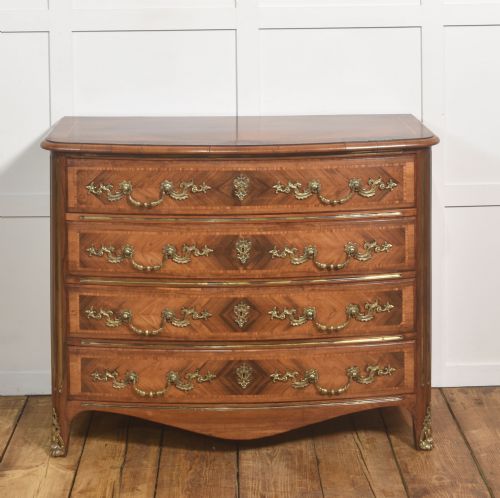
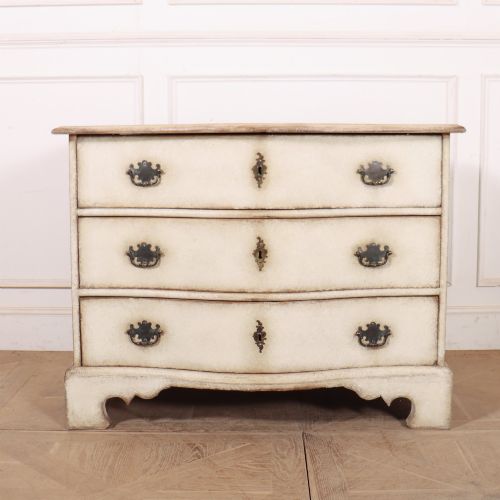
A continental commode is a European chest of drawers or low cabinet, often distinguished by curved serpentine fronts, rich veneers, and occasionally a marble top.
These pieces served as prominent furniture in European drawing rooms and bedrooms, combining decorative presence with practical storage.
How do I date an antique chest?
Dating relies on identifying timber choices, construction methods, hardware styles, and regional decorative traits recorded across the seventeenth, eighteenth, and nineteenth centuries.
Changes in drawer linings, joinery techniques, and the evolution of styles from Baroque to Biedermeier offer reliable chronological markers.
Where were painted chests made?
Painted chests and marriage trunks originated across various European regions, with notable examples stemming from Hungarian folk traditions and broader continental workshops.
These functional boxes often featured floral motifs and original polychrome paint applied directly to pine or softwoods.
How do I care for burr walnut?
Burr walnut requires stable indoor humidity and protection from direct sunlight to prevent veneer cracking and fading over time.
Routine dusting with a soft, dry cloth and occasional application of appropriate furniture wax preserves the timber's natural lustre.