




Tall Wooden Commode
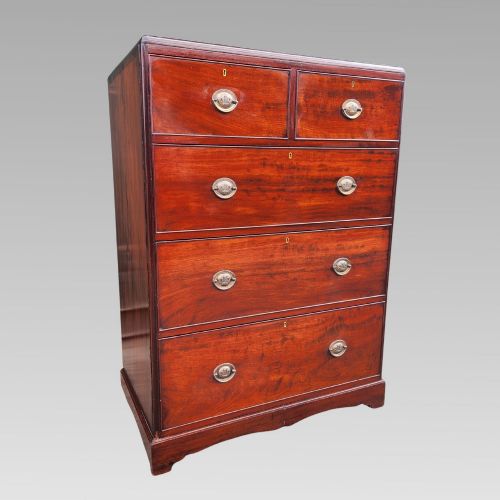
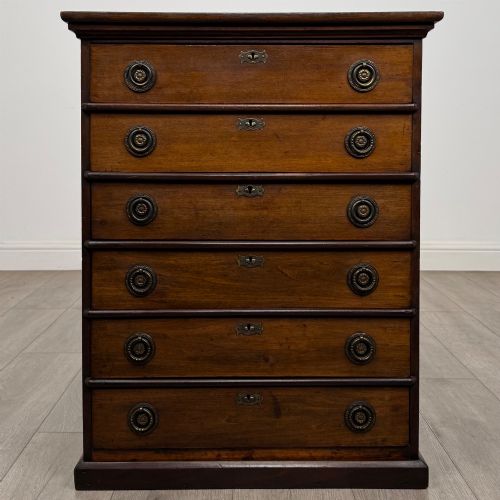
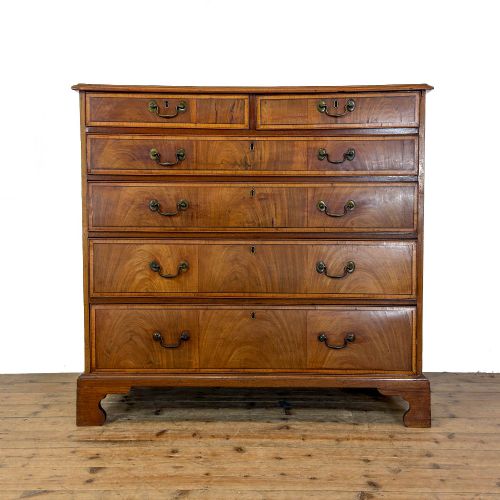
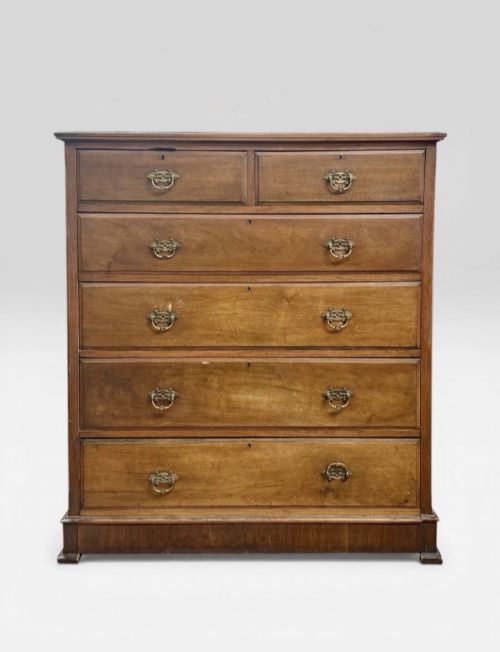
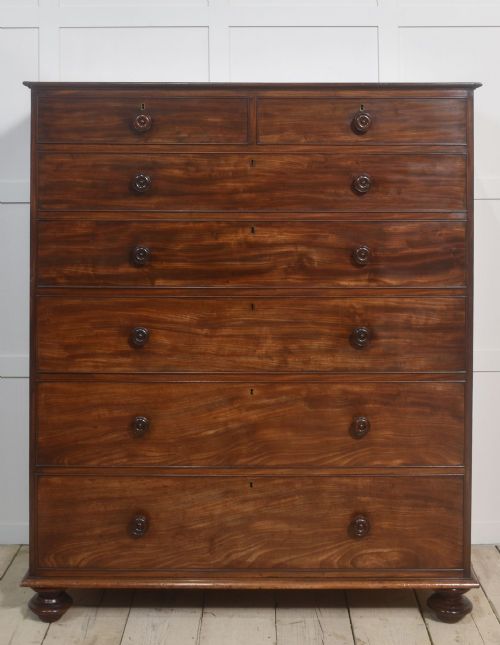
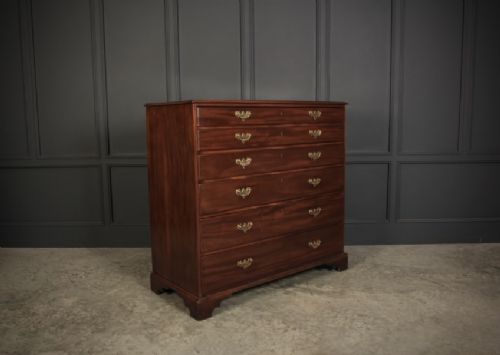
A tall wooden commode brings stately presence and generous storage to a room through finely figured timbers.
Tall Wooden Commode
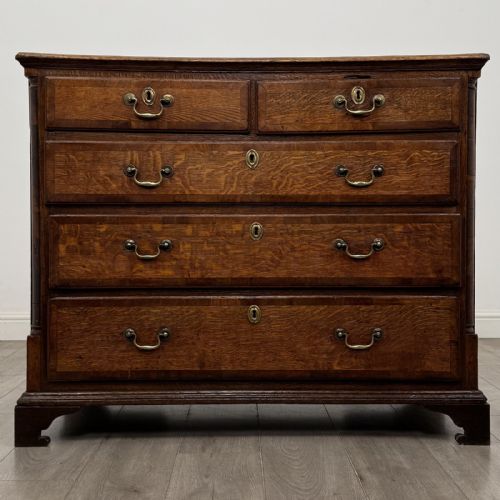
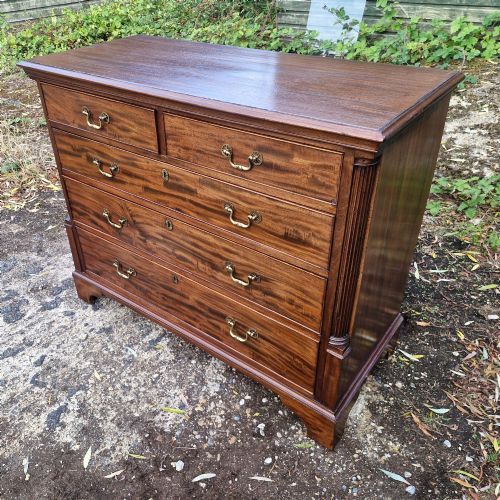
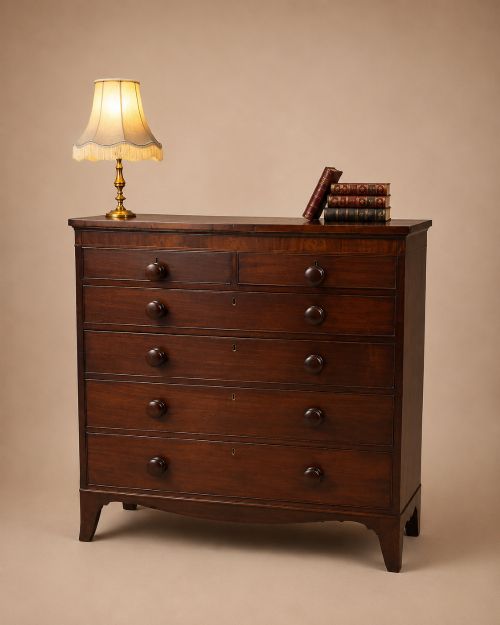
A tall wooden commode primarily takes the form of a chest of drawers or a bedside cabinet, built to house clothing and household goods. These pieces rise high to maximise floor space while offering multiple tiers of drawers.
The selections available range from Georgian and George III mahogany designs to Victorian flame mahogany pieces and Edwardian variations. Buyers most frequently encounter sturdy mahogany constructions alongside walnut, oak, and pine interpretations.
Origin variations include Scottish Regency, French walnut, and Italian walnut examples, each bringing distinct regional proportions to the tall wooden commode category.
What varies in quality
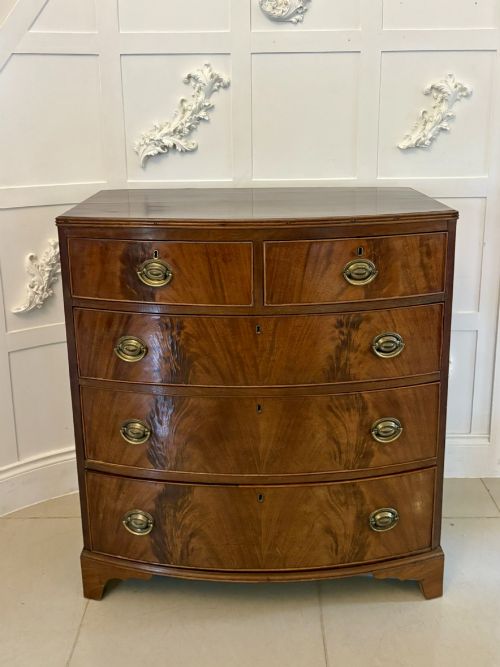
The selection of timber grain drives the visual standard, with figured mahogany and flame mahogany veneers showing deeper chatoyancy and movement than plain planks. Figured timber veneers demonstrate superior cabinetmaker selection.
Fine craftsmanship shows in the crispness of inlaid motifs, the matching of veneer patterns across drawer banks, and the integrity of brass hardware integration. Proportion and structural timber weight separate standard utility items from top tier examples.
Tall Wooden Commode Retail Price Guide 2026
Typical asking prices for tall wooden commode among the pieces listed under this phrase on Sellingantiques today, from the lower quarter to the upper quarter. They describe what is for sale here now, not the wider market.
Some Victorian pieces arrived ready for a coat of paint, inviting future generations to pick up a brush.
The Tall Wooden Commode Glossary
- Flame mahogany
- A veneer cut from the fork of the mahogany tree, producing a dramatic, flickering flame-like grain pattern. This decorative surface was favoured for high-status drawer fronts.
- Serpentine front
- A furniture front characterised by a concave central section flanked by two convex ends, or vice versa. This flowing curve demands advanced woodworking skill.
- Bow front
- A convex, outward-curving front profile popular in Georgian and Regency chest design. It softens the vertical lines of a tall piece.
- Inlay
- The technique of inserting contrasting pieces of wood or brass into recesses in the primary timber to create decorative patterns. Edwardian and 19th-century makers utilised this for linear border details.
- Pot cupboard
- A small bedside cabinet or enclosed commode designed to house a chamber pot. These compact units form part of the broader commode tradition.
Tall Wooden Commode: Frequently Asked Questions
What is a tall wooden commode?
A tall wooden commode is typically a chest of drawers or a bedside cabinet designed for vertical storage. They combine deep drawer capacity with small floor footprints.
These pieces utilise timbers like mahogany, walnut, and oak, often finished with decorative veneers.
How do I date a wooden commode?
Dating relies on examining the timber species, handle styles, construction methods, and overall aesthetic periods like Georgian, Victorian, or Edwardian. Regional traits also point to specific eras.
Secondary woods inside the drawers and dovetail tightness offer further clues to the age of manufacture.
Where should I place a tall commode?
These pieces suit bedrooms, hallways, or living rooms where vertical storage is required without sacrificing floor space. Their height draws the eye upward.
Ensure placement avoids direct sunlight to protect polished mahogany and walnut veneer surfaces from fading.
Are these commodes used for clothes?
Tall commodes and chests of drawers provide deep storage suited for folded garments, linens, and personal items. Their multiple tiers organise wardrobes efficiently.
Cabinets with doors often conceal smaller internal drawers or shelving designated for specific household uses.