
Concealed Sword Walking Cane
A concealed sword walking cane offers a gentleman protection and discretion, combining fine tailoring with a hidden steel blade.
Concealed Sword Walking Cane
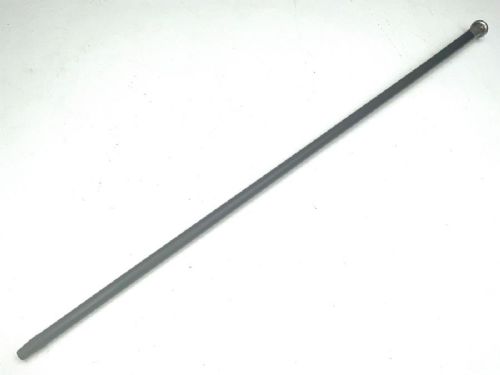
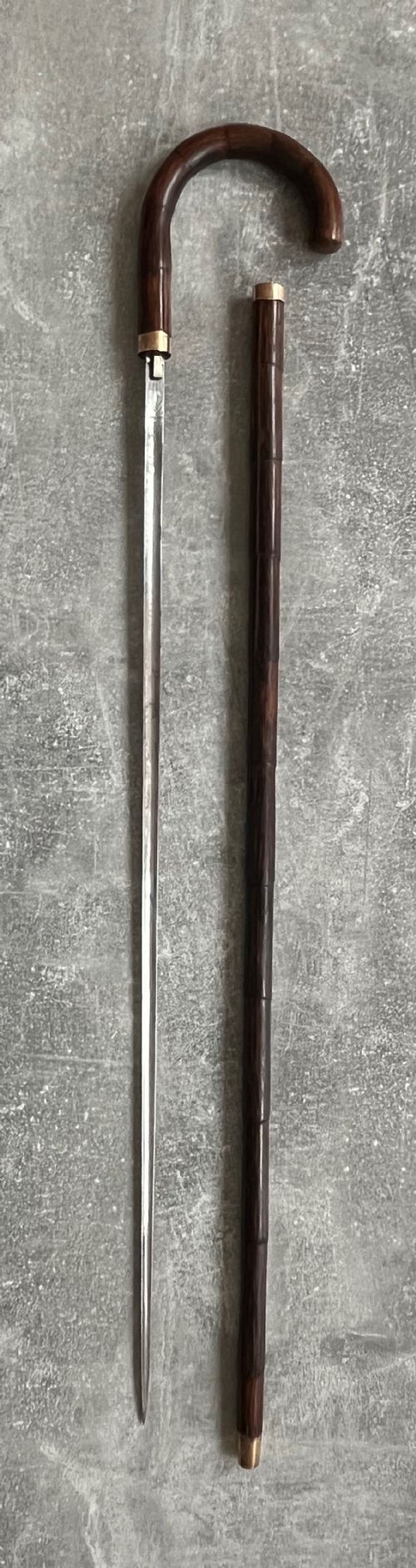
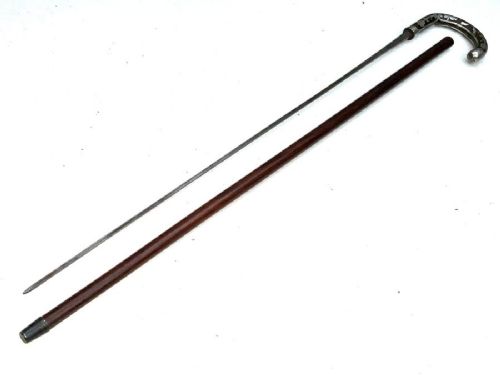
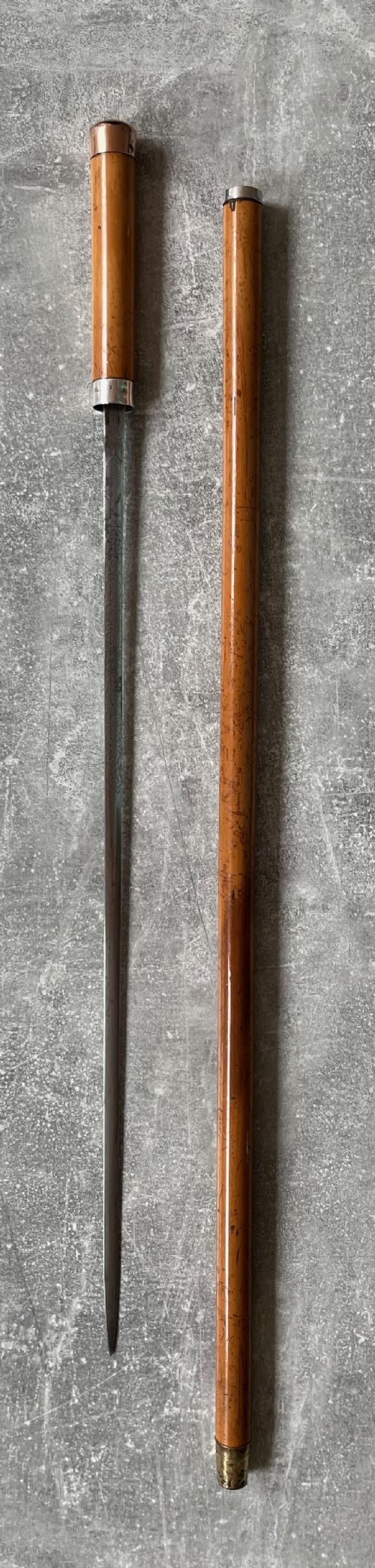
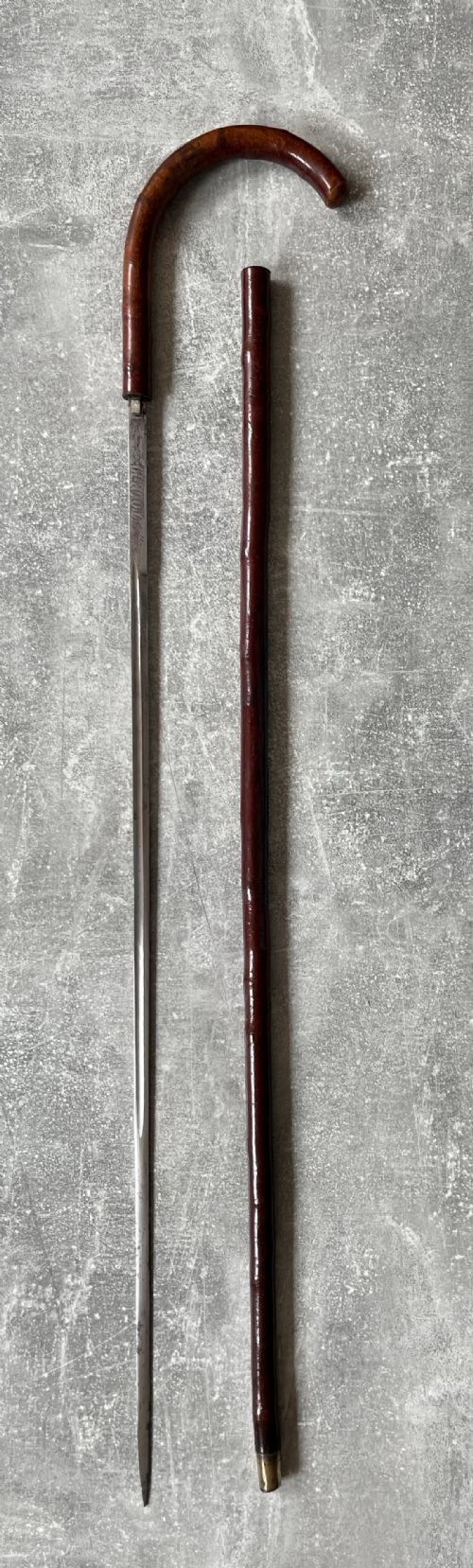
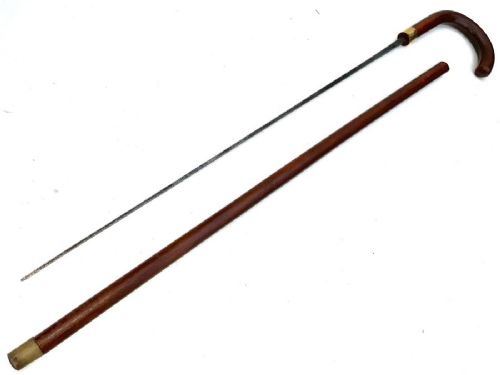
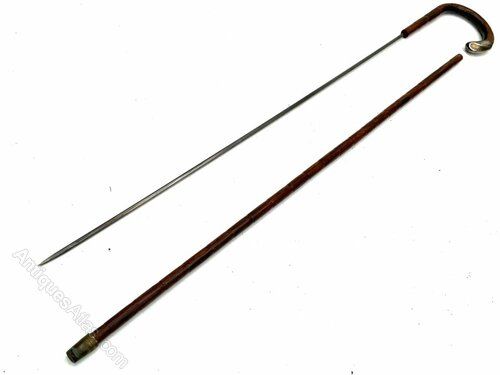
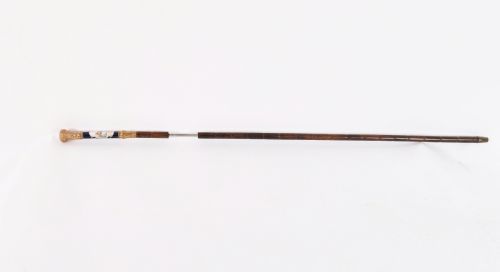
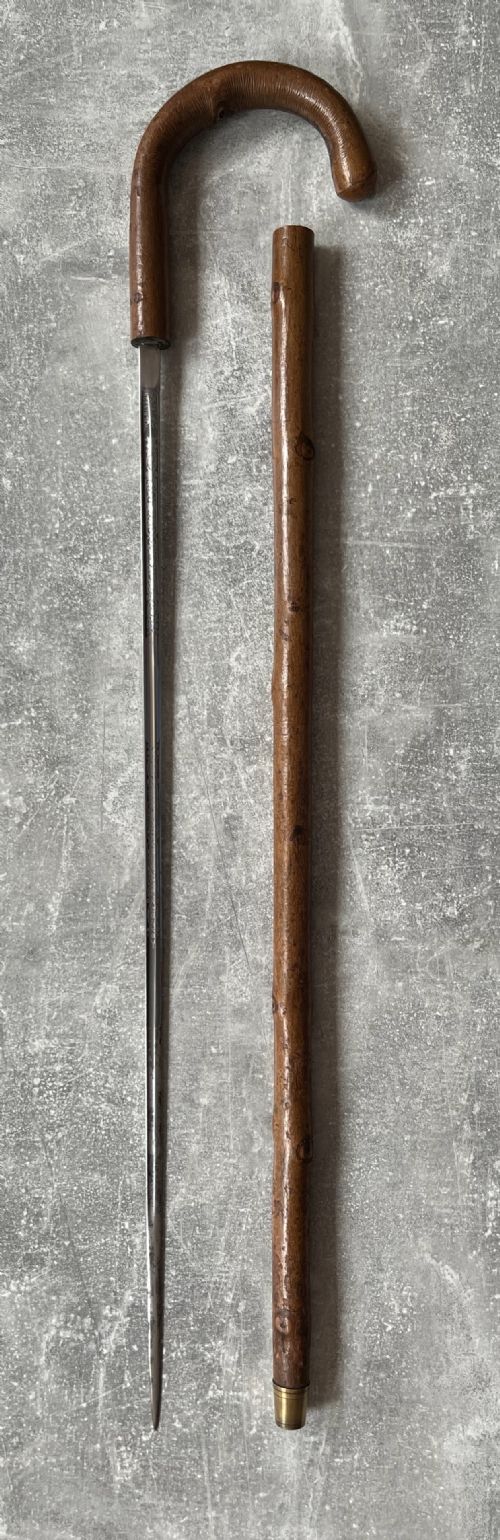
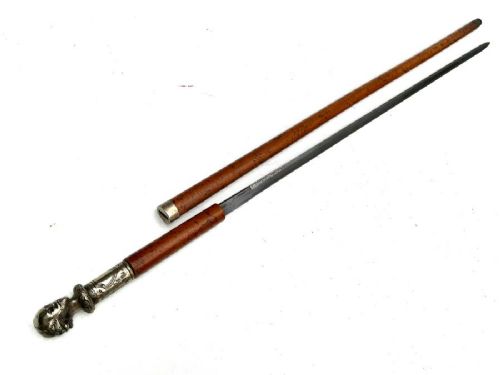
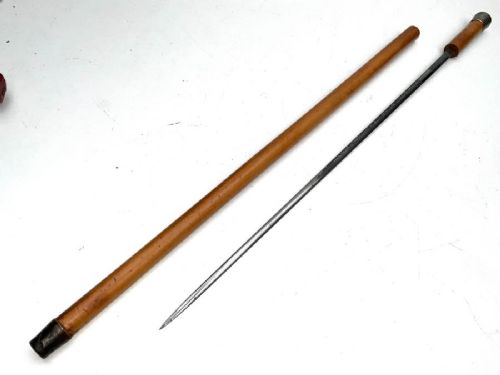
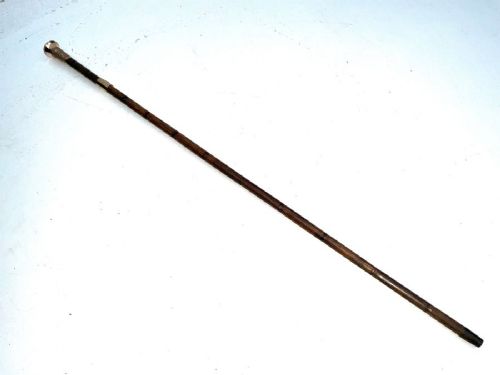
A concealed sword walking cane combines the everyday utility of a walking stick with a hidden steel blade housed within the shaft. When individuals search for a concealed sword walking cane, they encounter examples originating from the Victorian and Edwardian eras, alongside pieces dated across the nineteenth and early twentieth centuries.
The form appears in various domestic and military contexts, including officer pieces, Masonic items, and standard gents walking sticks. Surviving examples often employ natural timbers or specialised mounts, serving both as support and as discreet personal defence tools during periods of social unrest.
Assessing quality in historical pieces
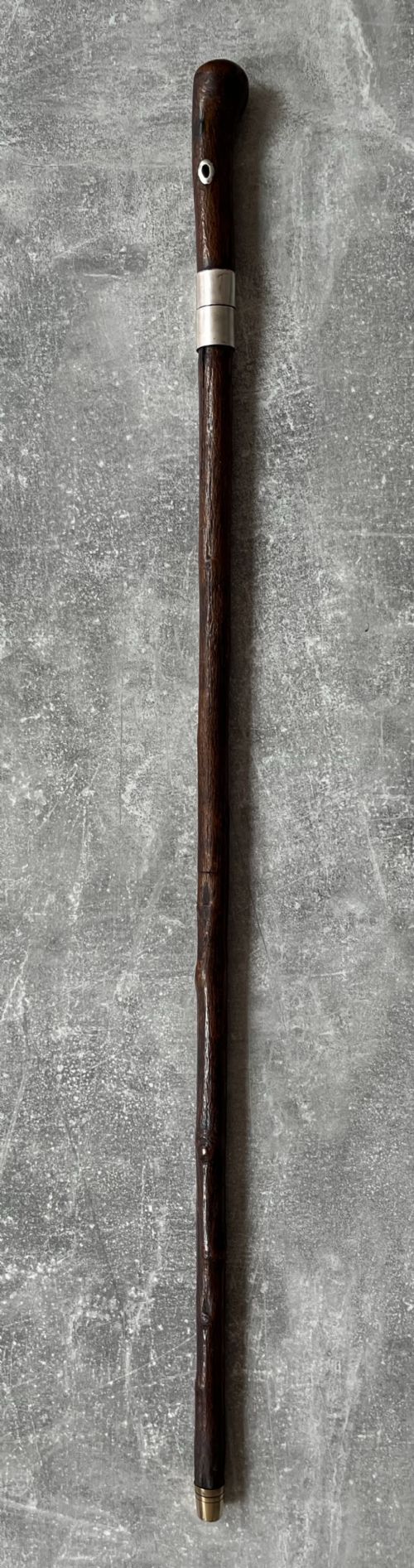
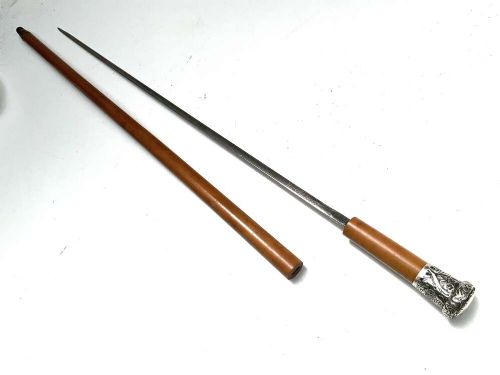
Quality rests in the precision of the joinery between the handle and the shaft, where superior examples close seamlessly to hide the internal seam. The integrity of the metal blade and the refinement of mounts, such as silver collars or gold plating, separate standard utility items from luxury bespoke commissions.
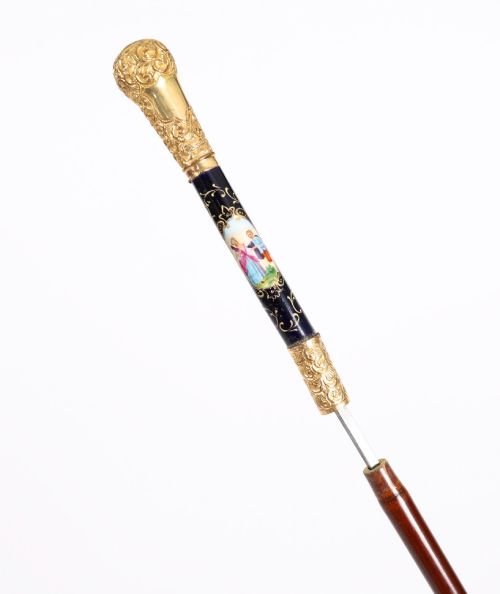
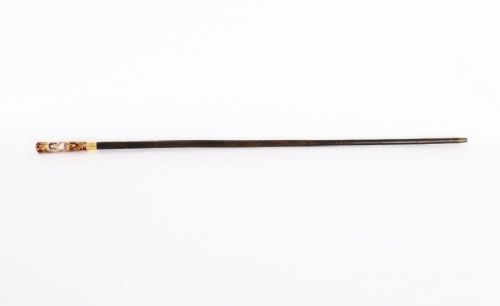
Material selection dictates the handling weight and balance, with dense timbers and carved horn or porcelain knops indicating higher status production. The inclusion of named blade smiths or specialised military and Masonic insignia adds further distinction to individual pieces.
Several Victorian gentlemen chose to hide their steel blades inside convincing faux bamboo and porcelain Sevres mounts for polite society.
Brigg·Wilkinson
The Concealed Sword Walking Cane Glossary
- Toledo blade
- A steel blade originating from or mimicking the traditional sword-making style of Toledo, known for flexibility and strength. These blades frequently appear in nineteenth century walking sticks.
- Malacca cane
- A mottled brown rattan timber prized for its resilience and flexibility, commonly utilised for high-grade walking sticks and sword canes. It forms many shafts from the Victorian period.
- Swagger stick
- A short, light stick carried by military officers as a symbol of authority, sometimes concealing a thin blade inside. These items often bear regimental details.
- Ebonised wood
- Timber treated with a dark stain or finish to imitate the appearance of ebony. This technique provides a uniform black surface on numerous Victorian sword sticks.
- Knop
- A rounded knob or ornamental handle at the top of a walking stick, frequently fashioned from bone, horn, or porcelain.
Concealed Sword Walking Cane: Frequently Asked Questions
How do you release the concealed blade?
Many examples utilise a mechanical button release set into the collar or upper shaft to disengage the internal catch. Pulling the handle straight up then draws the steel blade smoothly from its wooden scabbard.
Simpler versions rely on a friction fit where the user pulls firmly against the suction of the tightly fitted wooden channel. Proper alignment ensures the blade slides back into the body without catching.
What materials were used for the shafts?
Shafts incorporate natural timbers including malacca cane, partridge wood, cherrywood, hazel, bamboo, rosewood, and ebonised wood. Some pieces feature traditional Irish blackthorn or heavy root-ended branches.
Mounts and decorative elements utilise brass, silver, gold plating, bone, horn, and Sevres porcelain. Steel forms the concealed interior blades throughout.
Were these used by the military?
Military officers frequently carried swagger sticks or walking sticks containing concealed blades during the Victorian and Edwardian eras. Regimental pieces, such as those associated with the Grenadier Guards, served as symbols of rank and auxiliary sidearms.
Imperial German and British military examples reflect this widespread practice of combining officer uniform accessories with hidden personal defence tools.
How can you tell an antique from a reproduction?
Antiques display authentic age-related wear to the wooden shafts, natural patina on silver or brass mounts, and period-appropriate forging methods on the steel blades. Construction techniques align with nineteenth and early twentieth-century manufacturing standards, including hand-cut threads and traditional adhesives.
Examine the joinery where the handle meets the shaft to check for seamless integration. Hallmarks on silver collars and maker stamps on the steel further help verify the era.