
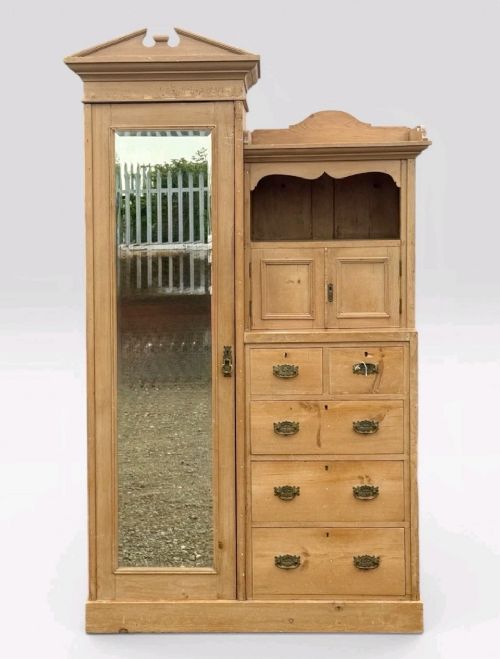


Compactum with Drawers
A compactum with drawers is a substantial fitted wardrobe combining hanging space and chest storage, offering an ideal solution for organising clothes in any bedroom.
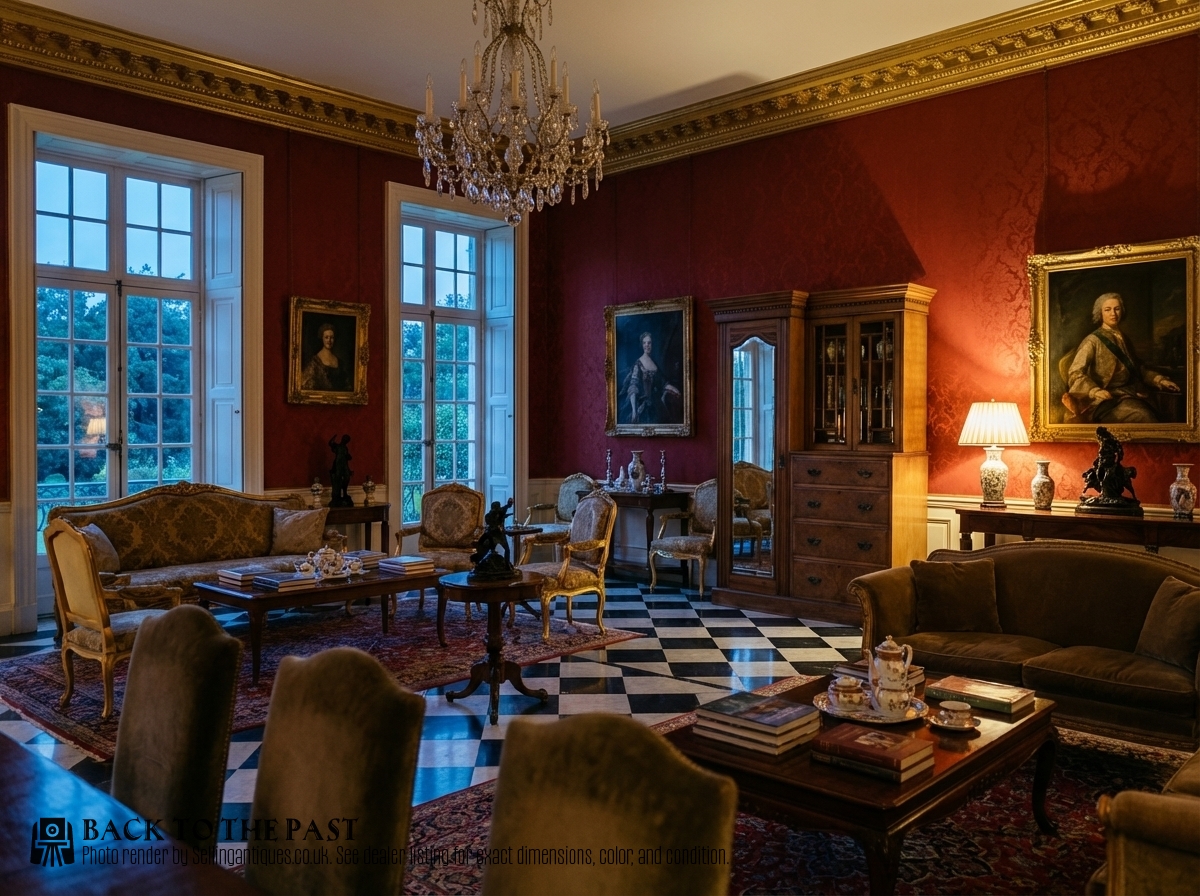
Compactum with Drawers
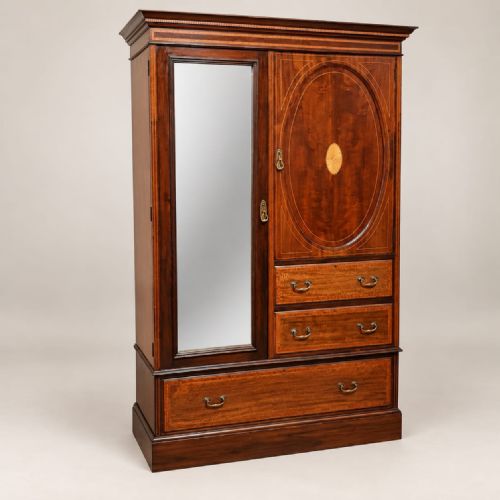
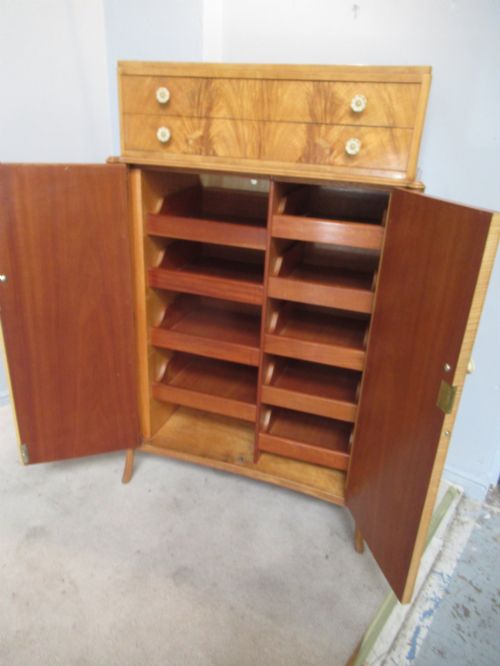
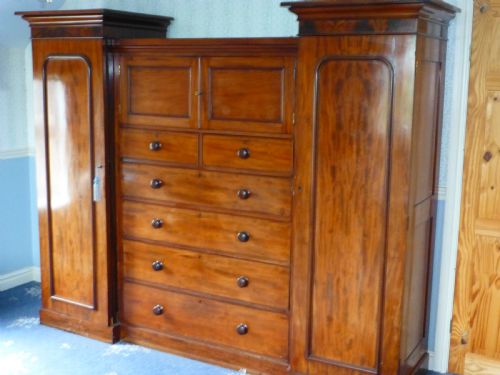
A compactum with drawers brings together hanging sections and integrated drawer storage within a single large wardrobe carcass, often described in listings as a combination or gentleman's wardrobe. When you search for a compactum with drawers, you encounter pieces originating primarily from the Victorian and Edwardian periods, alongside a few 1930s examples.
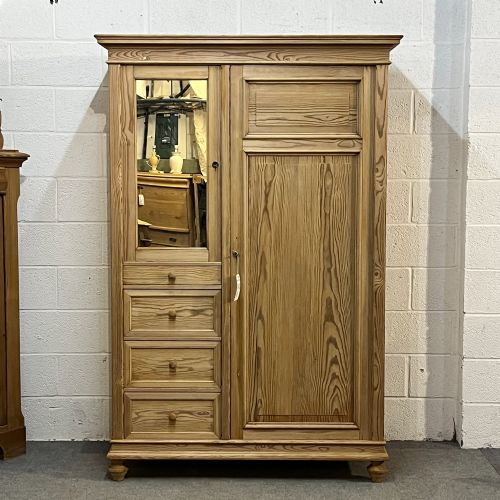
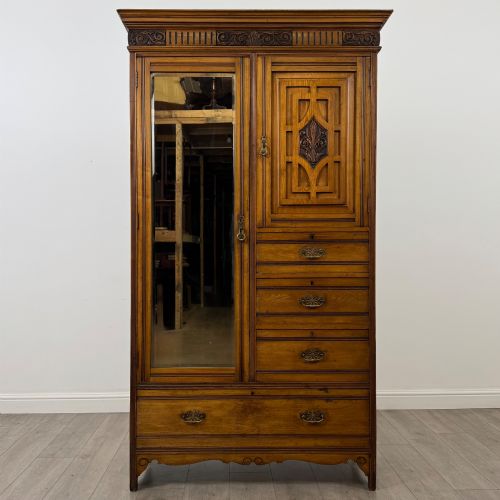
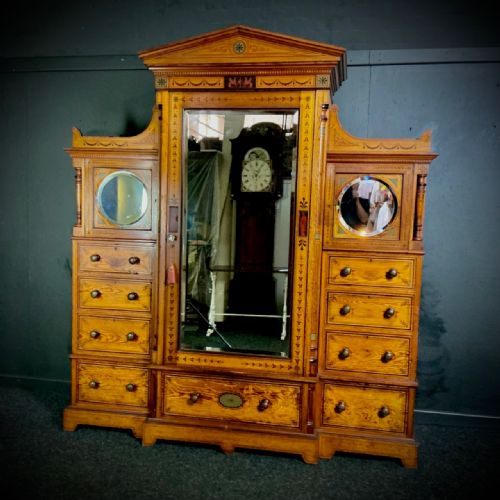
The layout typically arranges internal drawers beneath or beside the hanging compartments, sometimes featuring central mirrored doors or lead light panels. Woods such as mahogany, ash, pine, satin walnut, and oak dominate these designs, reflecting the cabinet-making standards of the nineteenth and early twentieth centuries.
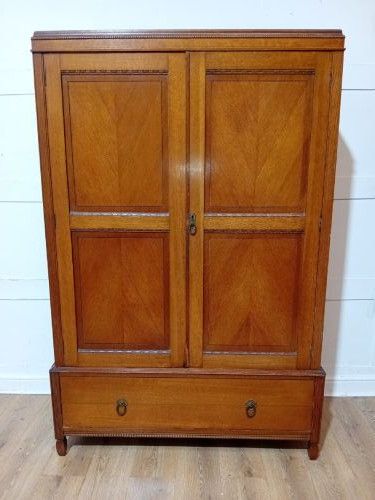
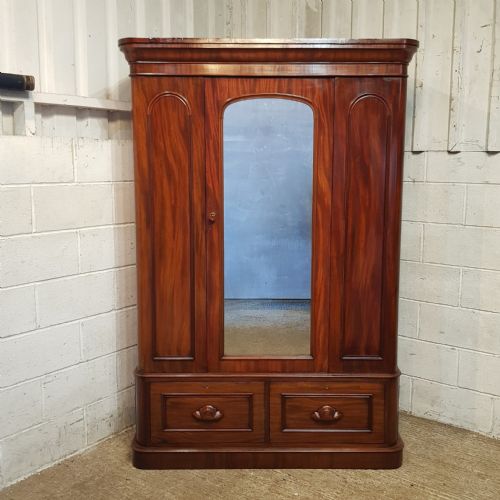
On this page, the most common format is the tall wardrobe combining timber doors, glass mirrors, and brass hardware. These pieces range from compact single-door layouts to expansive triple configurations suited to larger rooms.
Distinctions in quality
Quality reveals itself in the selection of timbers and the precision of the cabinetwork, particularly where figured veneers meet solid frames. Finer examples display carefully matched grain patterns across multiple doors and drawer fronts.
The integration of internal fittings, such as finely dovetailed drawer linings and original brass hardware, separates standard workshop output from pieces produced by notable makers. Structural solidity and clean timber movement within the drawers indicate superior craftsmanship.
The furniture spans the Victorian and Edwardian eras, extending into 1930s country styles.
Gillows·Maple & Co·Harris Lebus·Heals
The Compactum with Drawers Glossary
- Compactum
- A fitted wardrobe designed to provide multiple types of storage, including hanging space, shelving, and drawers, within a single unit. It maximises utility by dividing the interior into distinct compartments.
- Combination wardrobe
- An alternative term for a piece that unites hanging space with internal or external drawers. This configuration offers comprehensive bedroom storage.
- Lead light panel
- A decorative window constructed from small panes of glass held together by lead caming. These panels appear in the upper doors of certain wardrobes.
- Flame mahogany
- A veneer cut from the fork of a mahogany tree to produce a distinctive, rippling flame-like grain pattern. Cabinet makers used this figure on prominent exterior surfaces.
- Breakfront
- A cabinet design where the central section projects forward from the flanking wings. This architectural arrangement adds depth and shadow to the piece.
Compactum with Drawers: Frequently Asked Questions
How do I clean a wooden compactum?
Dust the timber regularly with a soft, dry cloth to prevent the accumulation of grit on the polished surface. Avoid modern silicone sprays, which can build up and soften the traditional finish over time.
Apply a quality beeswax periodically to nourish the wood and maintain its natural lustre. Buff the surface gently after application to bring up a soft sheen without creating a greasy film.
Can these wardrobes be dismantled for moving?
Many large nineteenth and early twentieth-century wardrobes were constructed with knock-down bolts to allow transportation between rooms. The cornice, base, and sides often separate from the central backboards and internal partitions.
Check the joints and fixings carefully before attempting disassembly to understand how the particular carcass locks together. Enlisting professional help ensures the heavy timber and mirror glass remain undamaged during transport.
What is the difference between a compactum and a standard wardrobe?
A standard wardrobe provides primarily vertical hanging space behind doors, occasionally supplemented by a single base drawer. It focuses on garments hung on rails or hooks.
A compactum integrates substantial drawer capacity directly into the wardrobe structure alongside the hanging sections. This design combines the functions of a chest of drawers and a wardrobe into one unified piece of furniture.
How do I date an antique wardrobe?
Examine the secondary woods used inside the drawers and on the backboards, as pine and oak usage shifted across different decades. The style of the brass handles, hinges, and locks also offers reliable chronological clues.
Look for maker stamps, retailer paper labels, or handwritten signatures inside the drawer boxes. Construction methods, such as machine-cut versus hand-cut dovetails, further narrow down the period of manufacture.