
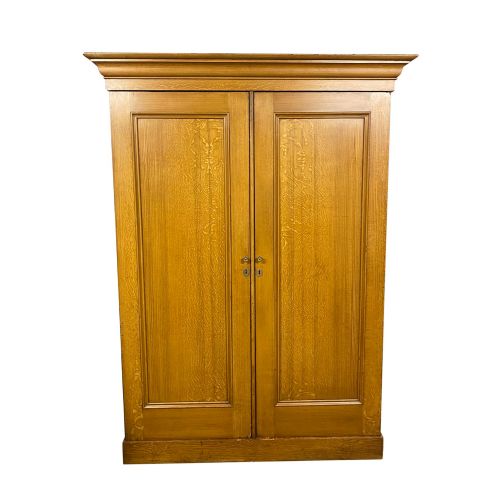
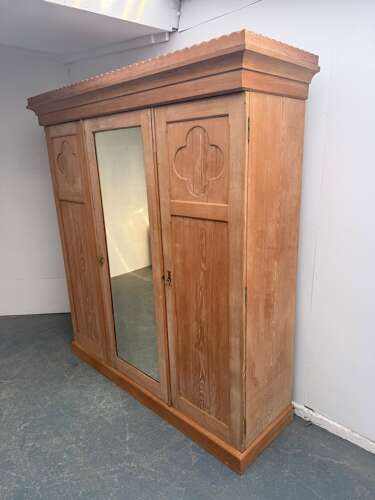
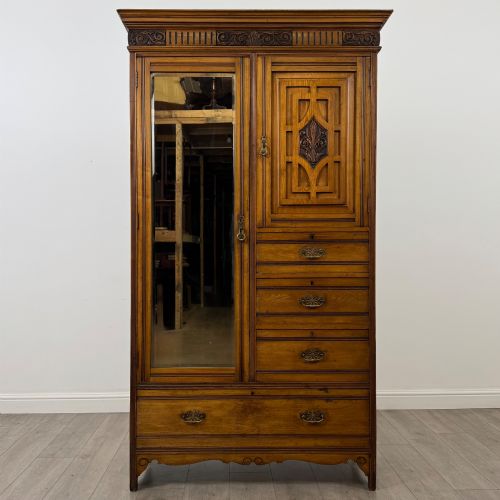
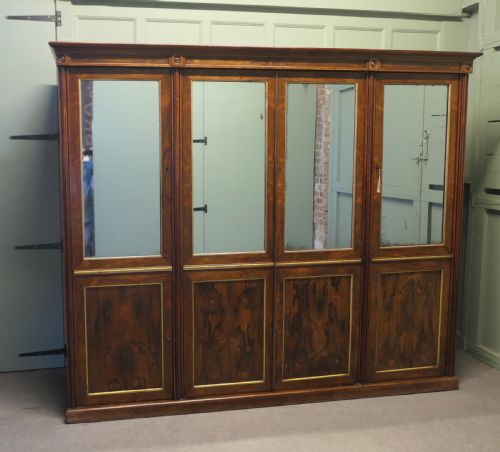
Compactum Bedroom Wardrobe
A compactum bedroom wardrobe offers dedicated multi-compartment clothes storage inside substantial timber frames built during the Victorian, Edwardian and Art Deco periods.
Compactum Bedroom Wardrobe
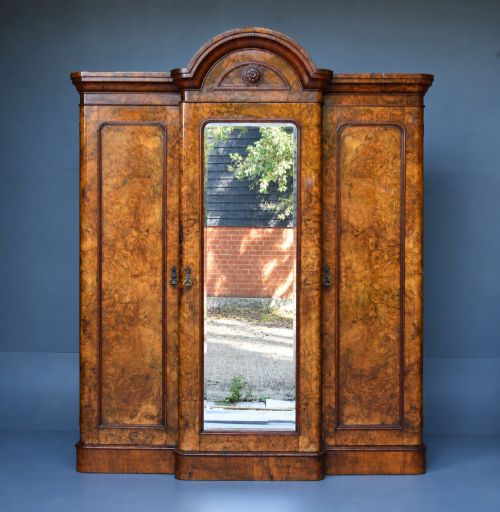
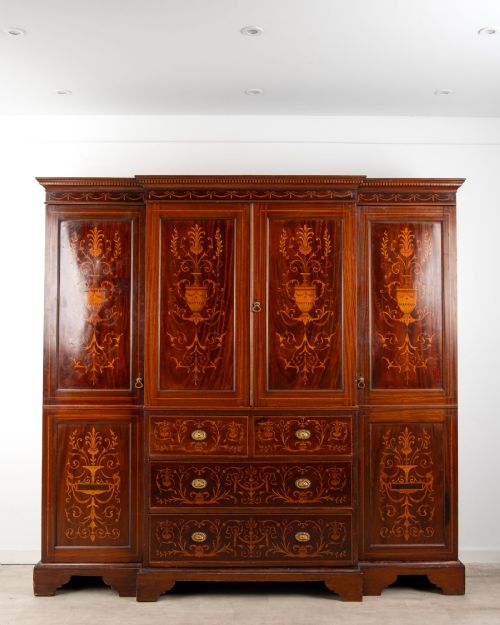
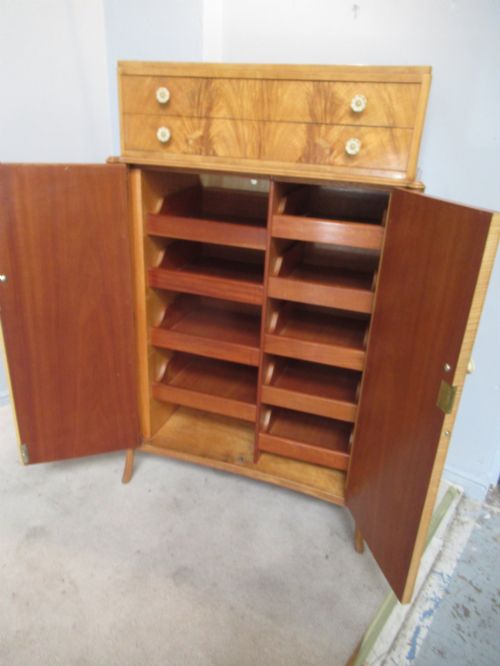
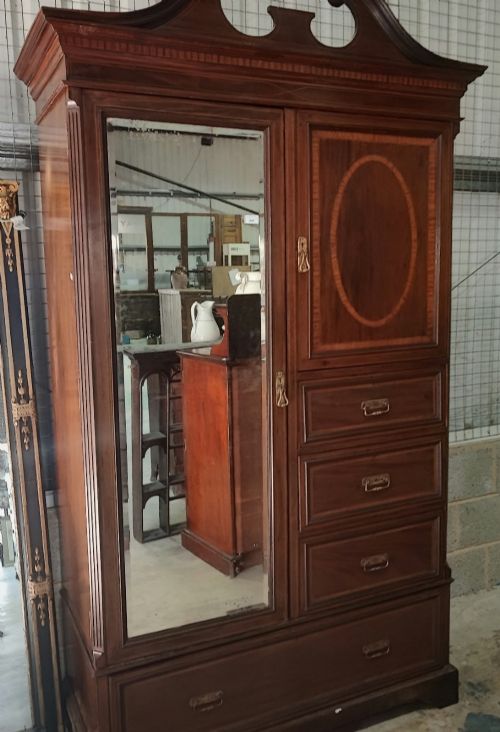
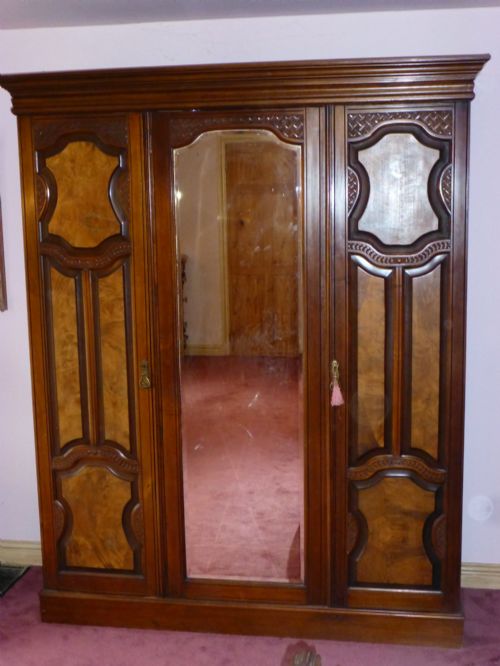
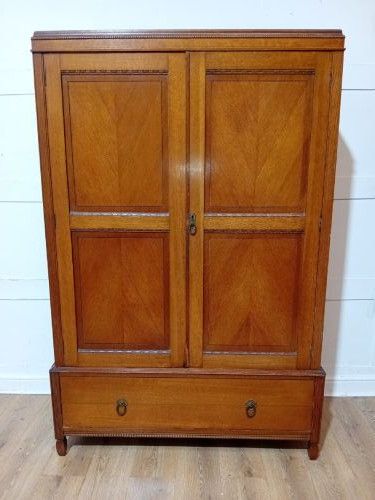
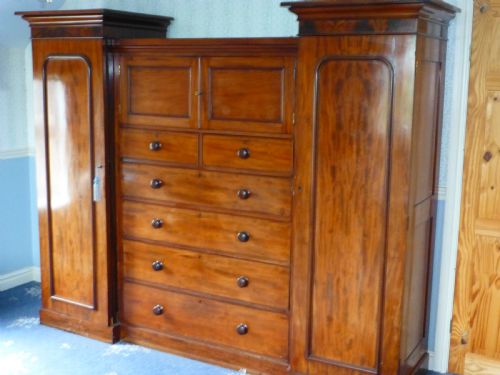
A compactum bedroom wardrobe is a combination piece designed to hold various garments in one unit, typically incorporating hanging space alongside drawers, linen presses and cupboards. When searching for a compactum bedroom wardrobe, buyers encounter forms spanning the nineteenth and twentieth centuries, from heavily figured Victorian burr walnut designs to streamlined Art Deco walnut examples.
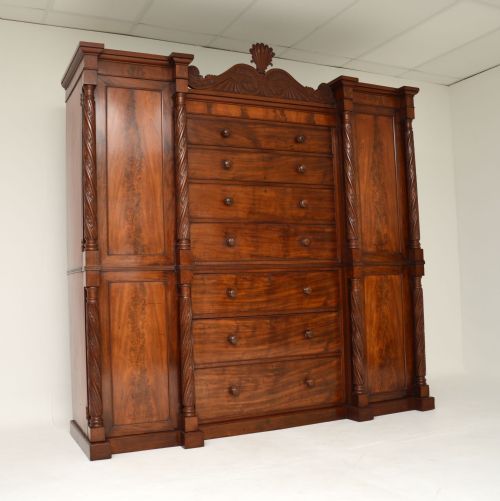
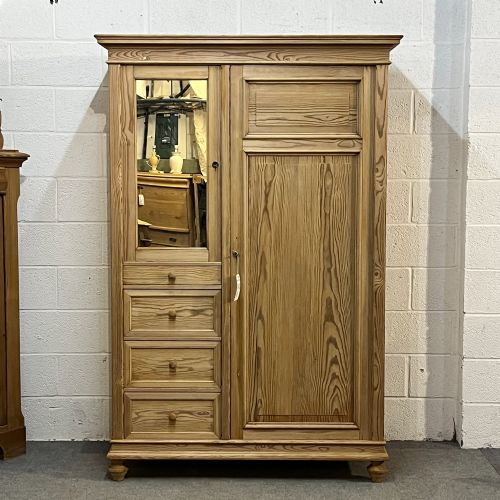
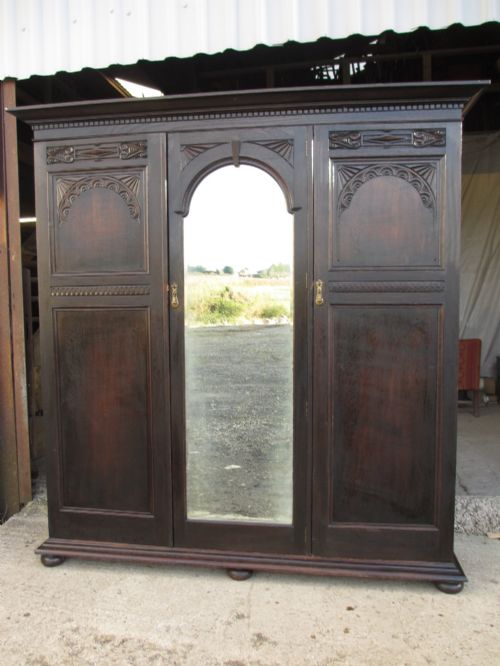
The pieces originating from these periods include single, double and triple configurations, sometimes appearing as part of larger bedroom suites with matching dressing tables. Materials range from traditional mahogany and oak to lighter ash, satinwood and painted pine, reflecting changing domestic fashions across decades of production.
Materials and construction
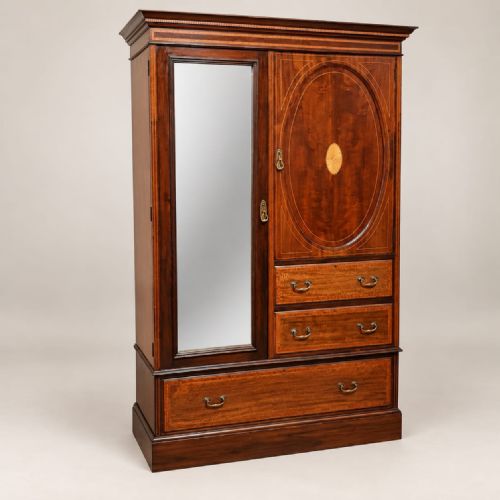
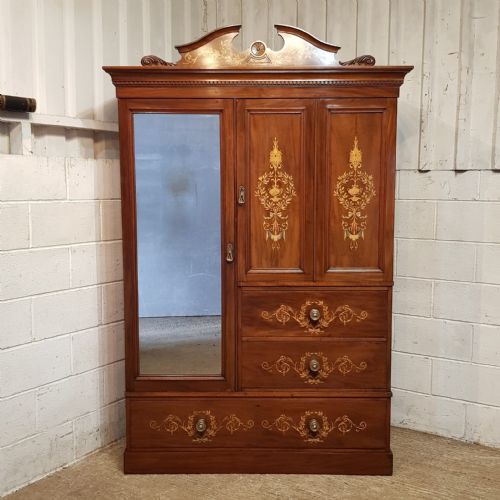
Cabinet makers utilised solid timbers and decorative veneers such as burr walnut, mahogany and satinwood over robust construction carcases, often embellished with brass hardware and glass mirror doors. Joinery methods combined traditional framing with fitted internal drawer boxes, sliding shelves and linen press trays.
Surface finishes varied from waxed or polished natural grains to painted schemes, scumble faux oak paintwork and delicate inlaid banding in contrasting woods.
Some nineteenth-century examples preserve scumble paintwork, showing how households recreated grand oak finishes on simpler pine carcases.
Assessing quality and execution
Quality in these wardrobes rests upon the selection of timber veneers, the precision of internal drawer dovetailing and the architectural execution of cornices and panel work. Superior examples demonstrate thoughtful integration of multiple internal compartments without compromising the structural harmony of the exterior facade.
Edwards and Roberts·Holland and Sons·Gillows·Harris Lebus·Shapland and Petter·Lamb of Manchester·Maple and Co
The Compactum Bedroom Wardrobe Glossary
- Compactum
- A multi-functional wardrobe combining hanging space with internal drawers, shelves and cupboards. This design maximises bedroom storage within a single architectural footprint.
- Combination wardrobe
- Another term for a multi-purpose storage piece that unites wardrobe hanging sections with linen presses or chest of drawers components.
- Scumble paintwork
- A decorative finishing technique where a translucent top layer is manipulated over a base coat to imitate the grain pattern of timber such as oak.
- Breakfront
- A piece of furniture featuring a central section that projects forward from the flanking cabinets. This architectural device adds depth and shadow to large triple wardrobes.
Compactum Bedroom Wardrobe: Frequently Asked Questions
How do I fit a large wardrobe in a modern room?
Many of these pieces are modular or dismantle into sections, including cornices, base units and individual hanging towers, which helps with transport and positioning.
Measuring ceiling height and doorway clearance carefully before purchase ensures the carcase can be successfully reassembled in its final position.
What is the difference between a wardrobe and a compactum?
A standard wardrobe provides primarily vertical hanging space behind doors, occasionally with a single drawer beneath.
A compactum integrates dedicated drawer stacks, linen slides and smaller compartment cupboards alongside the main hanging sections for comprehensive organisation.
How should I care for antique timber finishes?
Maintain polished surfaces by dusting with a soft, dry cloth and applying traditional beeswax sparingly to nourish the wood grain.
Keep these heavy timber pieces away from direct heat sources and strong sunlight to prevent the timber veneers from drying and cracking.
Can I date a piece by its style and timber?
The choice of materials often points to specific eras, such as rich burr walnut in Victorian pieces or pale satin birch and geometric walnut in Art Deco designs.
Construction details, hardware types and decorative motifs like Arts and Crafts carving or Edwardian neoclassical inlay further refine the period of origin.