

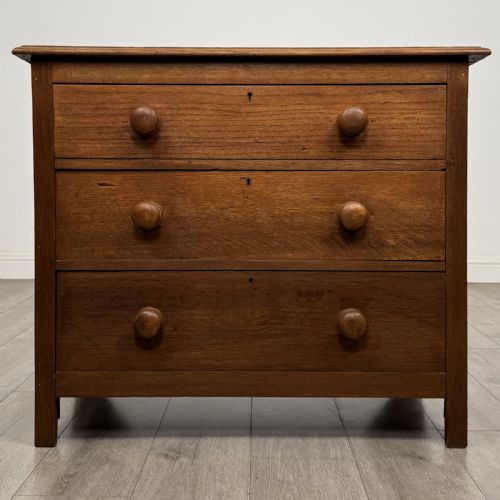
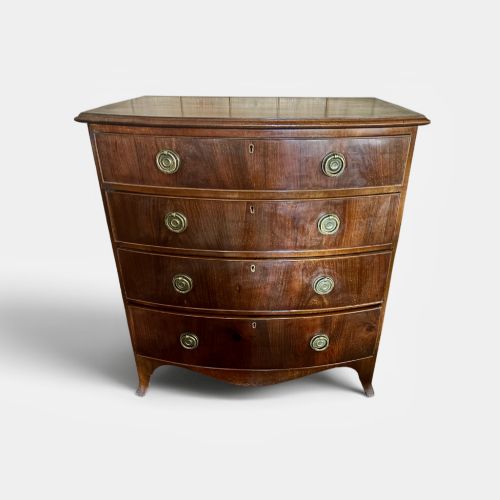
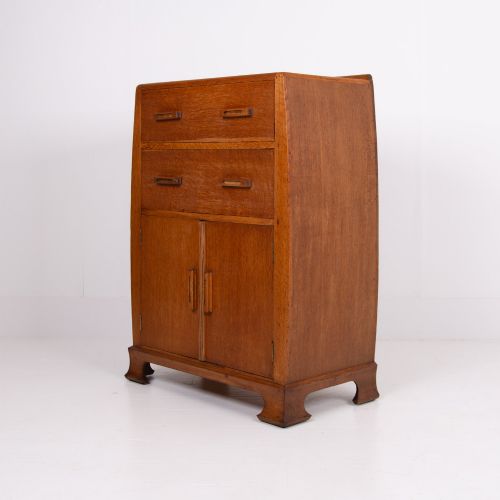
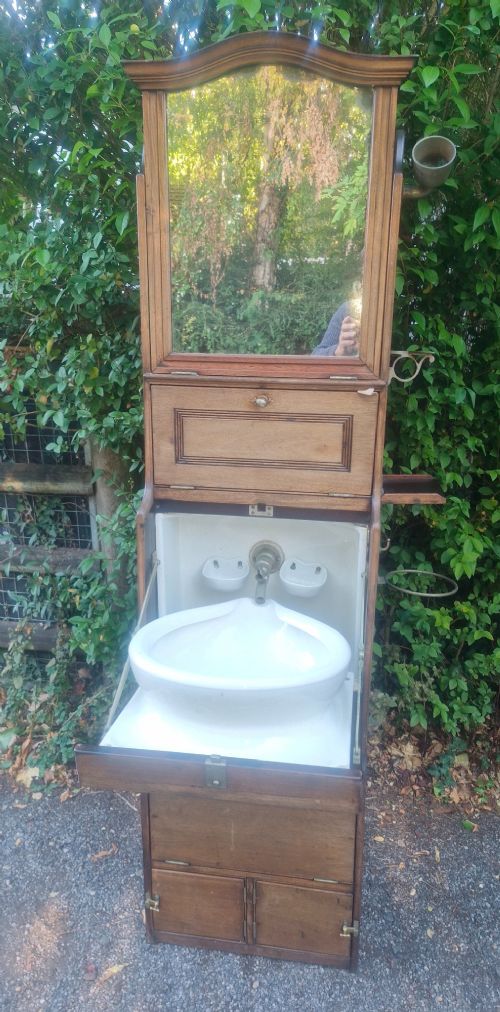
Compact Wooden Cabinet
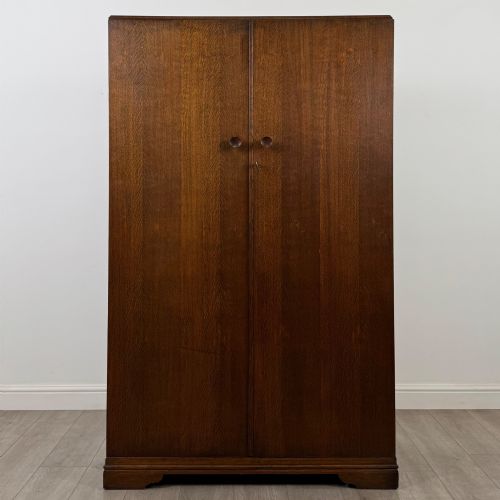
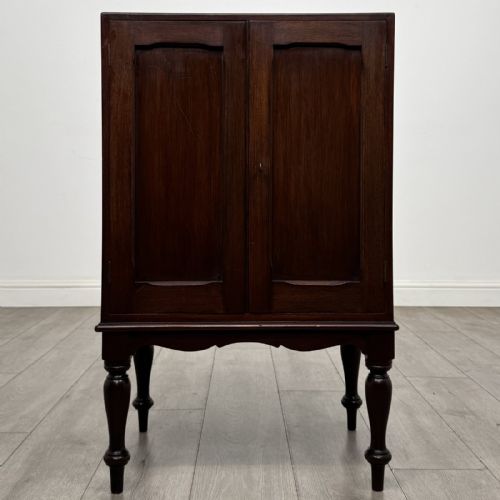
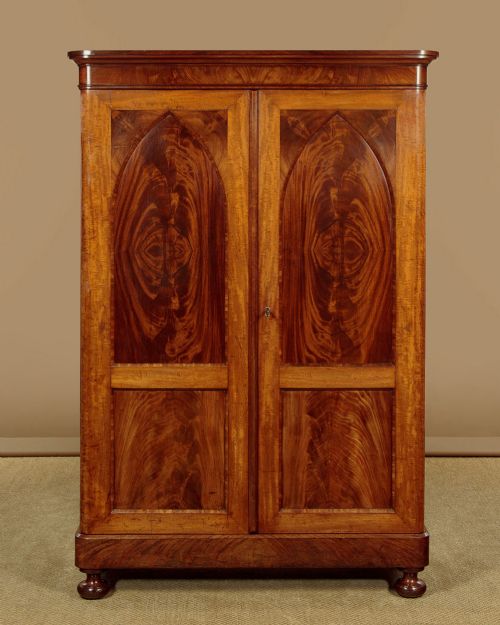
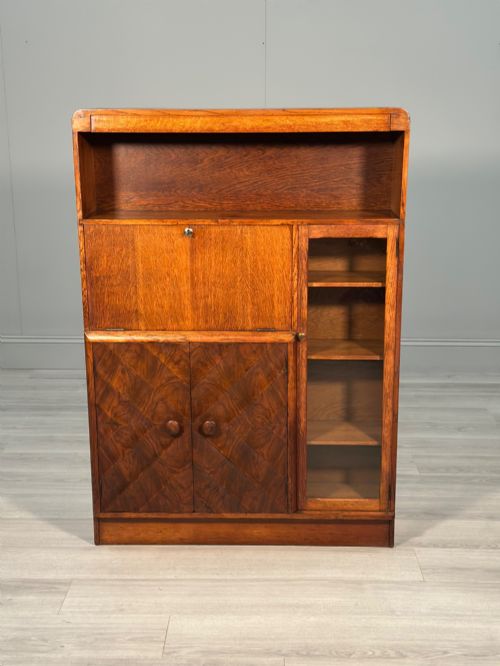
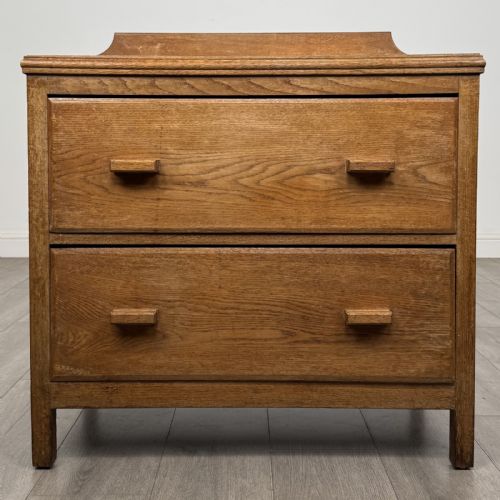
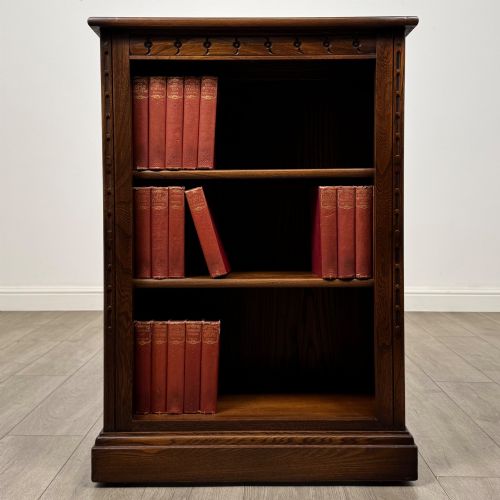
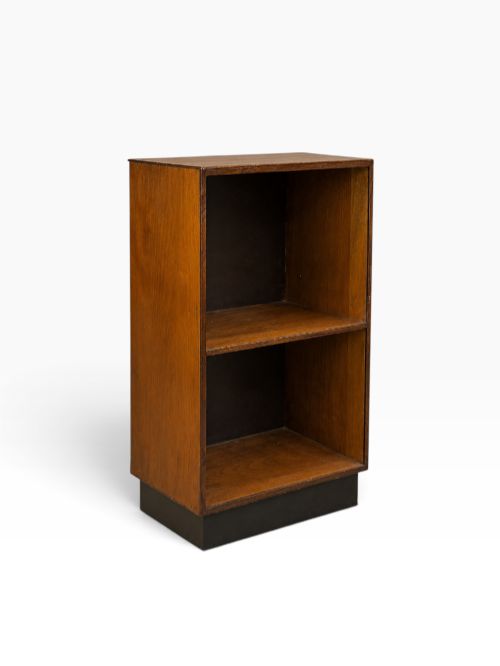
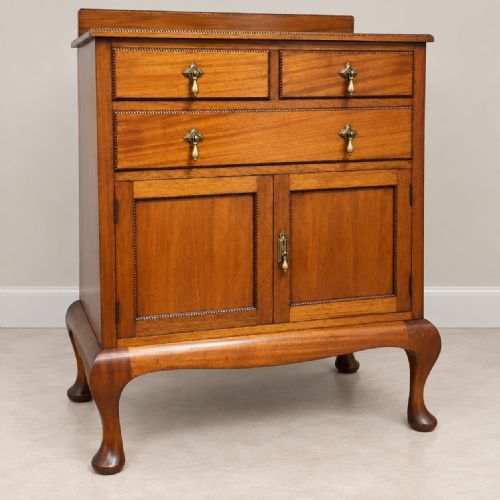
A compact wooden cabinet offers small-scale storage in fine mahogany, oak and walnut for rooms where space is at a premium.
Compact Wooden Cabinet
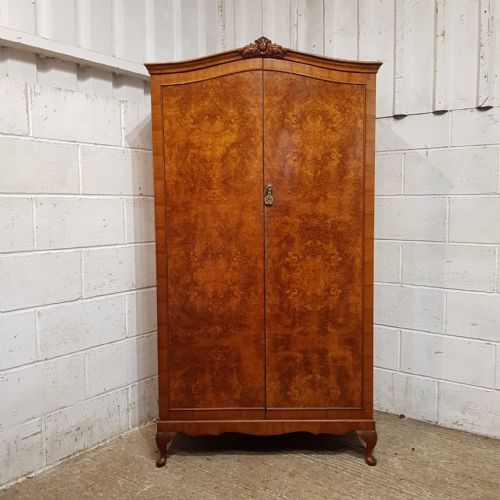
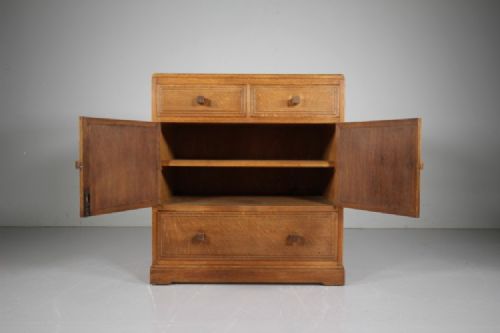
A compact wooden cabinet covers a wide range of small domestic furniture designed to organise belongings without dominating a room. These pieces span from the Regency period through to the 1930s, taking the form of desks, chests of drawers, bookcases, wardrobes and bedside cabinets.
Mahogany and oak dominate the selection, often accompanied by burr walnut, rosewood and teak in smaller proportions. Makers built these items to serve specific functions, from writing bureaus and Davenport desks to tallboy chests and dwarf linen cupboards.
Victorian and Edwardian examples appear frequently alongside Art Deco pieces and 19th-century designs. Buyers choose them for their manageable footprints and traditional craftsmanship.
Materials and Construction
Cabinet makers relied heavily on solid hardwoods like mahogany and oak, frequently applying flame mahogany veneer and burr walnut to visible surfaces for rich grain patterns. Secondary timbers provided sturdy internal framing for drawers and shelves.
Brass hardware, including drop handles and inlaid escutcheons, punctuate the dark timber surfaces alongside glass panels in bookcases and leather inserts on writing surfaces. Joinery techniques ensured stability in reduced dimensions, utilising dovetailed drawer construction and turned or bracket supports.
Compact Wooden Cabinet Retail Price Guide 2026
Typical asking prices for compact wooden cabinet among the pieces listed under this phrase on Sellingantiques today, from the lower quarter to the upper quarter. They describe what is for sale here now, not the wider market.
Design and Execution
Quality rests in the selection of timber figure, such as highly figured burr walnut or flame mahogany, and the precision of the cabinet work. Superior pieces display seamless veneer matching and well-executed details like baluster turned legs or raised galleries.
The integration of functional elements, such as fitted interior compartments in wardrobes and secretaire chests, distinguishes finer examples. Original brass hardware and stamped maker marks elevate the standing of a piece within its period.
E Gomme·Crown Furniture·Ercol·Gillows of Lancaster·J Shoolbred
The Compact Wooden Cabinet Glossary
- Davenport
- A small desk featuring a sloped writing surface above a pedestal of drawers. This form became popular during the 19th century for domestic correspondence.
- Wellington chest
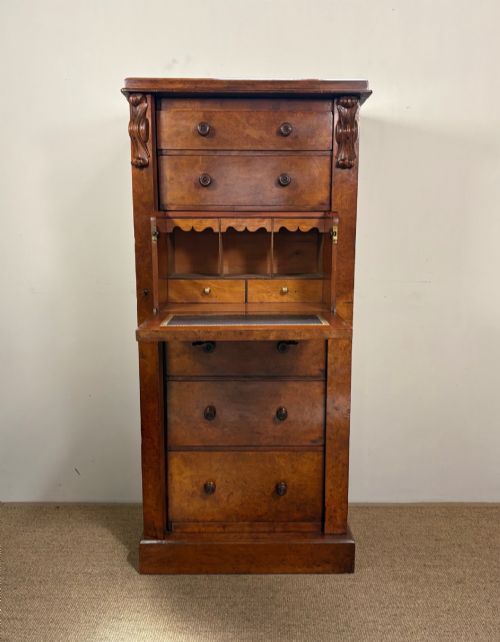
- A tall, narrow chest of drawers secured by a hinged locking side pilaster. The design originated in the 19th century to maximise storage in tight spaces.
- Tallboy
- A stacked chest of drawers providing high vertical storage on a compact footprint. These pieces often combine multiple small and large drawers.
- Secretaire
- A cabinet or chest incorporating a pull-down writing flap that conceals fitted pigeonholes and small drawers. It combines desk functionality with enclosed storage.
- Tantalus
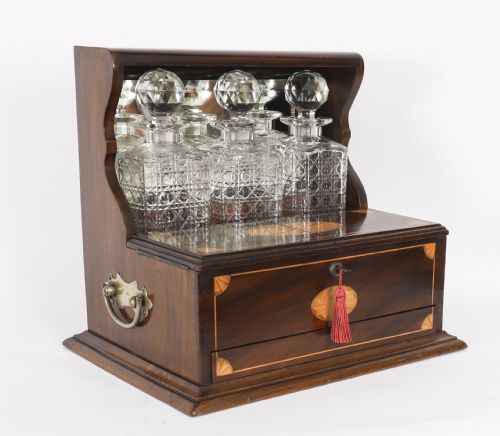
- A locking wooden stand holding decanters securely while displaying the crystal vessels. These items often feature inlaid mahogany and brass details.
Compact Wooden Cabinet: Frequently Asked Questions
What fits inside a compact wooden cabinet?
These pieces accommodate specialised items depending on their form, such as writing materials in bureaus, books in bookcases, or garments in small wardrobes and tallboys.
Interior fittings often include small drawers, pigeonholes or adjustable shelves designed to maximise the limited internal capacity.
How do I date a wooden cabinet?
Dating relies on observing structural characteristics, timber choices and stylistic cues associated with periods from Regency to Art Deco. Secondary woods and hardware styles also offer clear indicators of the era of manufacture.
Maker stamps and paper labels provide definitive dates when present on the piece.
Where should I place a small cabinet?
Their modest proportions suit hallways, alcoves, bedrooms and compact living spaces where full-sized furniture would overwhelm the room.
Bedside cabinets and dwarf cupboards fit neatly beside low seating or beds while providing functional surface space.
How do I care for antique timber?
Maintain polished surfaces by keeping furniture away from direct heat sources and sudden humidity changes that cause timber to split. Regular dusting with a soft, dry cloth preserves the finish of mahogany, oak and walnut.
Avoid commercial silicone sprays and use traditional beeswax sparingly to nourish the grain.