
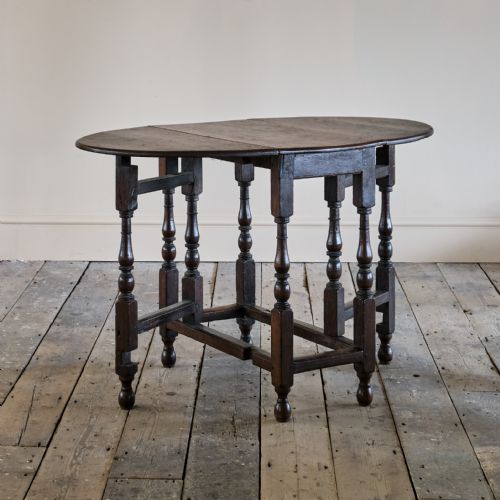


Compact Dark Wood Table
A compact dark wood table brings timber character and useful surface area to smaller rooms without dominating the floor space.
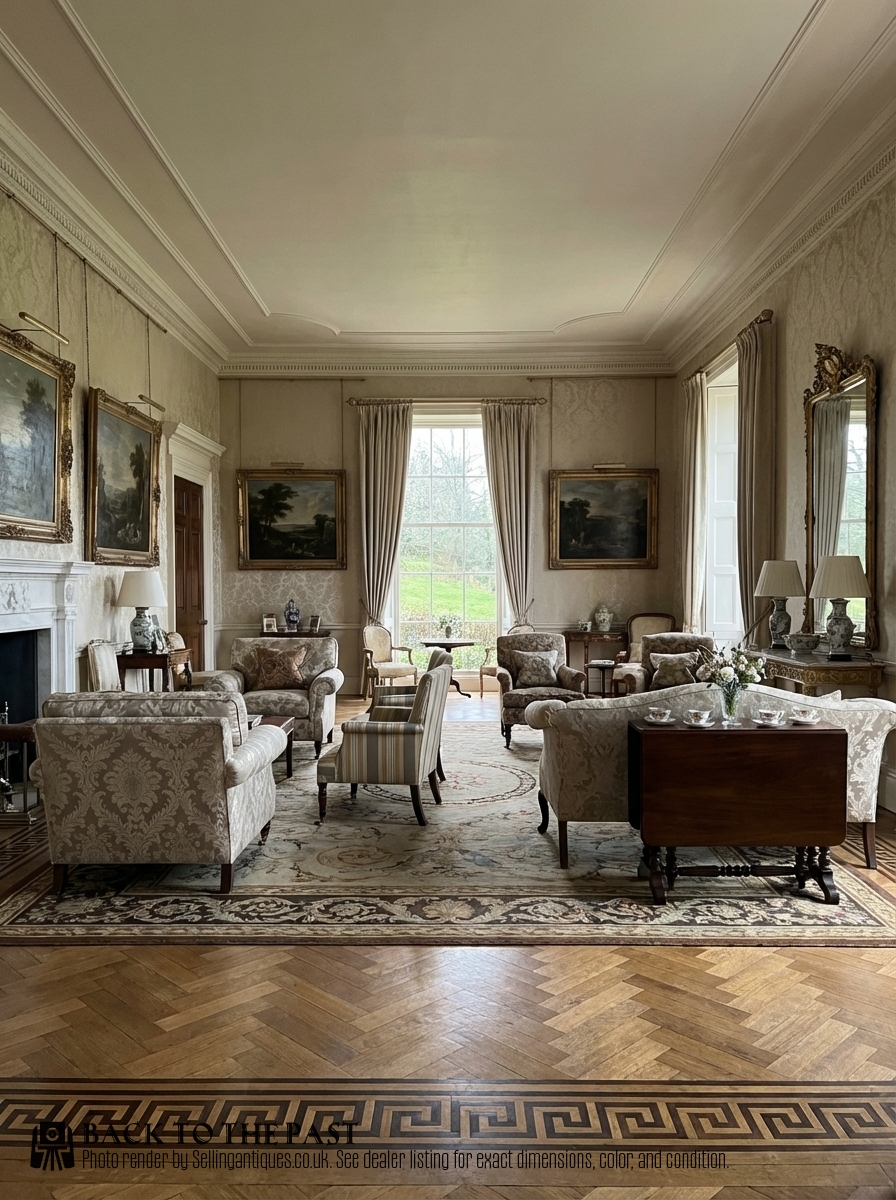
Compact Dark Wood Table
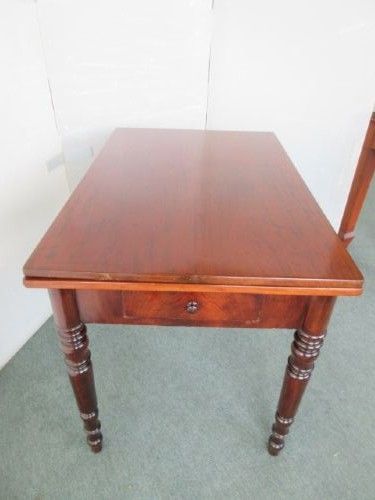
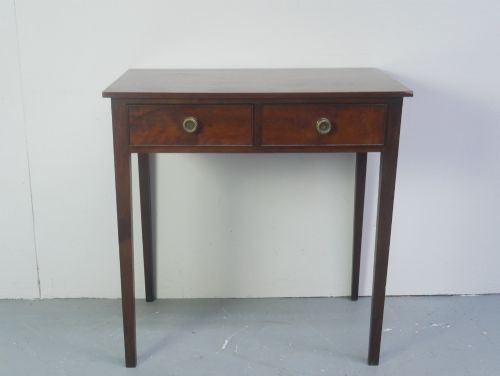
A compact dark wood table covers a diverse array of small furniture pieces designed for occasional placement, written tasks, or folded storage. Buyers encounter versatile forms including gateleg drop-leaf tables, Sutherland tables, nests of coffee tables, and narrow side or lamp tables.
The selection on this page spans several centuries, drawing heavily from Victorian, Edwardian, and Georgian periods. Mahogany, oak, rosewood, and walnut dominate the construction, often appearing in small proportions suited to corners and hallways.
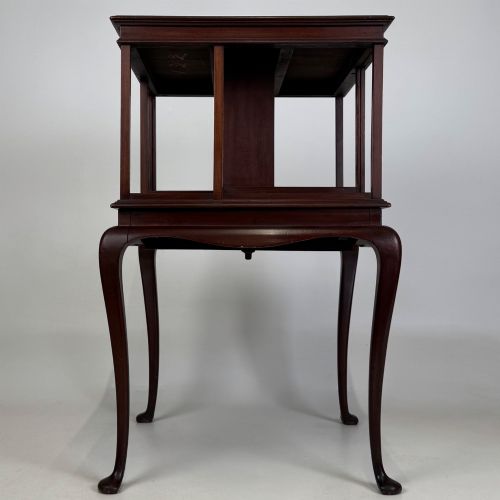
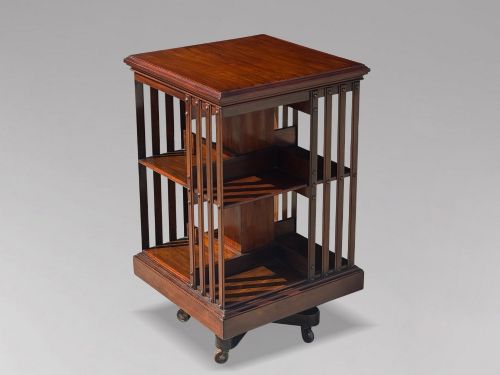
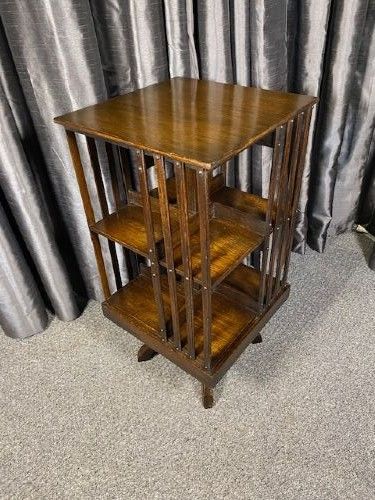
Drop-leaf and gateleg mechanisms feature prominently, allowing the footprint to expand or contract depending on the immediate requirement. Small writing desks, pembroke tables, and revolving bookcases add further utility to the dark wood category.
Materials and construction
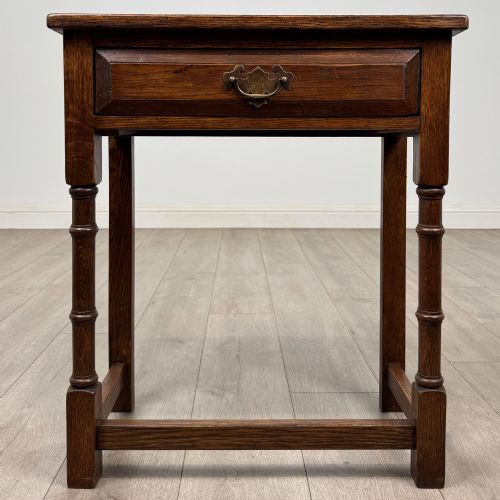
Cabinet makers utilised dense hardwoods such as mahogany, oak, rosewood, and walnut, selecting them for their rich grain patterns and durable structural qualities. Solid wood construction frequently pairs with turned legs, including bamboo-turned styles, barley twists, and slender spider legs.
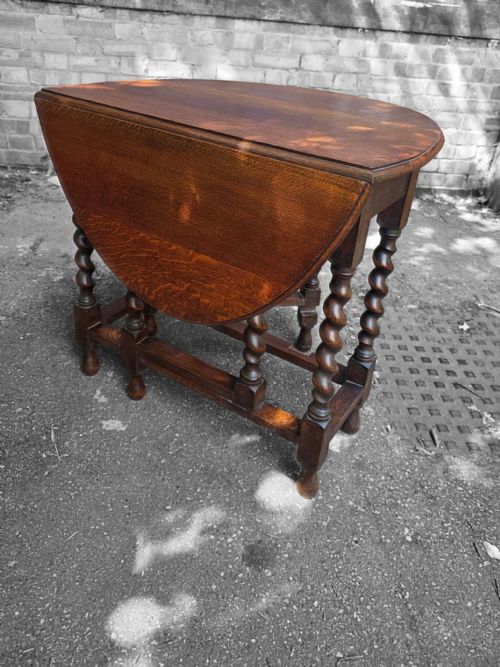
Drop-leaf and gateleg designs rely on hinged flaps supported by swinging legs or wooden gates to manage spatial economy. Brass fittings, castors, and single drawers appear across various periods to augment the mobility and function of the tables.
Some tables feature bamboo-turned legs, proving that Victorian cabinet makers loved a convincing botanical disguise.
Quality distinctions
The refinement of the timber grain and the precision of the turning work separate standard examples from finer pieces. Superior tables demonstrate careful selection of mahogany, rosewood, or walnut, displaying depth in the polished finish and crisp detailing in turned or inlaid elements.
Structural integrity in folding mechanisms dictates daily utility, with well-fitted hinges and stable drop-leaf supports indicating superior cabinet making. Proportion and restraint in ornamentation also distinguish exceptional Georgian and Victorian designs from later revival pieces.
Liberty Arts And Crafts
The Compact Dark Wood Table Glossary
- Sutherland table
- A narrow drop-leaf table with exceptionally slender drop leaves and folding legs that swing out to support them.
- Gateleg table
- A table featuring hinged leaves supported by hinged legs that swing out like a gate.
- Pembroke table
- A small occasional table with two hinged drop leaves on opposite sides, usually equipped with a single drawer.
- Spider leg table
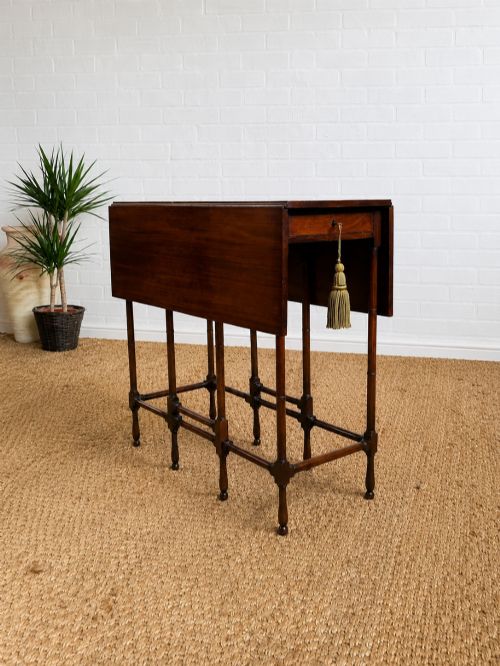
- A slender table supported by very thin, delicate turned wooden legs, typical of 18th-century design.
- Quartetto nest
- A set of four graduating tables designed to fit neatly beneath one another.
Compact Dark Wood Table: Frequently Asked Questions
How do I identify a spider leg table?
Spider leg tables are characterised by exceptionally slender, delicate turned wooden legs that provide lightweight support. They frequently appear in Georgian and 18th-century mahogany drop-leaf formats.
The minimal framing allows the timber top to remain the visual focus while keeping the overall structure light and portable for domestic use.
Where should I place a compact dark wood table?
These tables suit hallways, tight corners, and living spaces where floor area is at a premium. Drop-leaf and gateleg variations allow the surface area to expand only when needed.
They function effectively as lamp tables, small writing desks, or occasional side surfaces next to armchairs and sofas.
What is the difference between an Edwardian and a Victorian table?
Victorian tables often showcase heavier proportions, dense mahogany or walnut construction, and robust turned elements. They tend to emphasise solid utility and rich dark polishes.
Edwardian pieces frequently display lighter framing, occasional inlay work, and slender turned supports like bamboo-effect legs. Both periods prioritize functional adaptability in smaller room dimensions.