







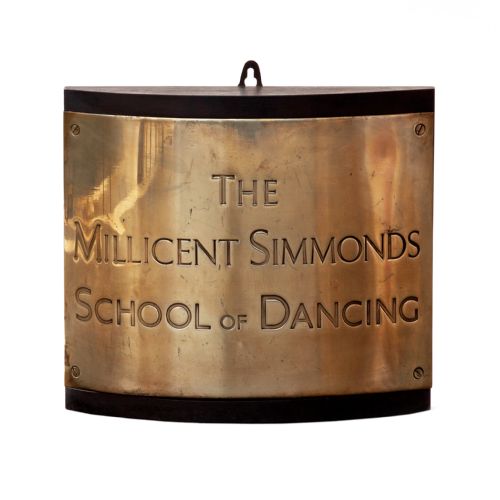
Commercial Wall Sign
A commercial wall sign brings the bold lettering and authentic trade history of past high streets directly into modern interiors.
Commercial Wall Sign
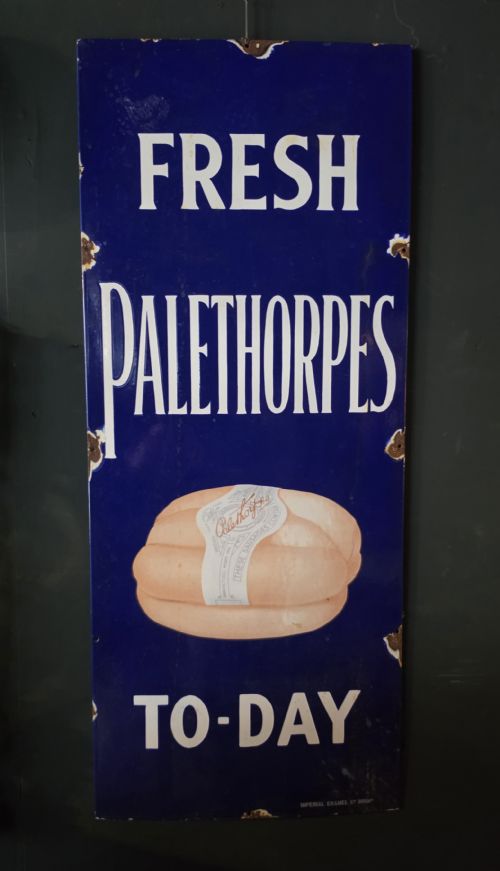
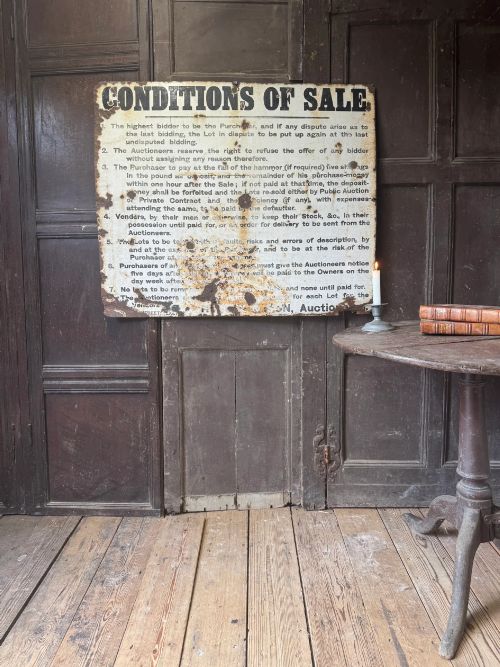
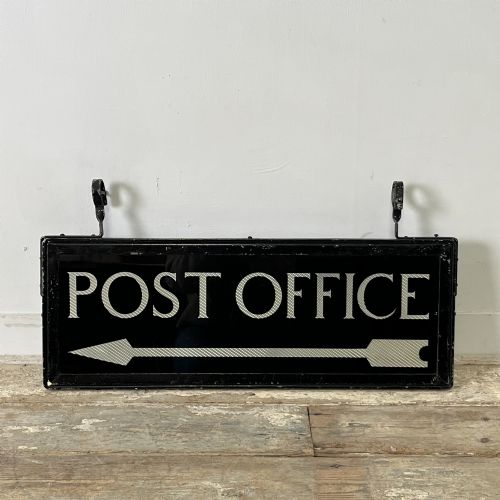
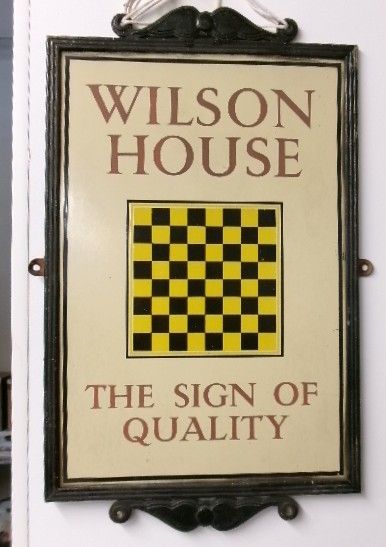
A commercial wall sign spans practical trade notices, shop names, and directional markers that once guided the public to specific businesses and services. You encounter items ranging from early twentieth-century enamel advertisements to nineteenth-century painted wood and carved trade symbols.
Buyers look for distinct markers of trade identity, such as pawnbrokers' symbols, grocers' notices, and bespoke artisan plaques. Each object reflects the specific material culture of historical retail and municipal organisation.
Materials and Construction
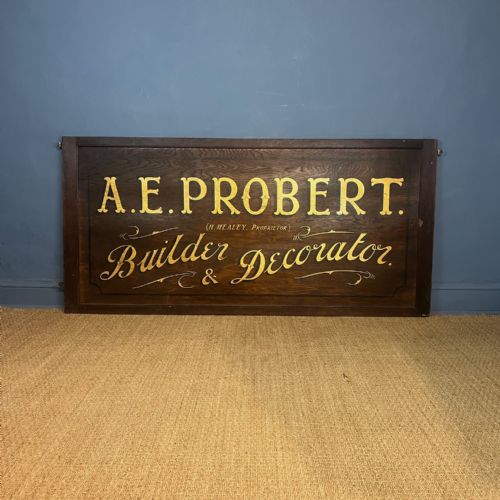
Maker’s utilised durable substances like cast iron, heavy copper, brass, and thick wood to withstand outdoor exposure and daily trade use. Painted surfaces often feature layered lettering applied directly to timber, glass, or metal backplates.
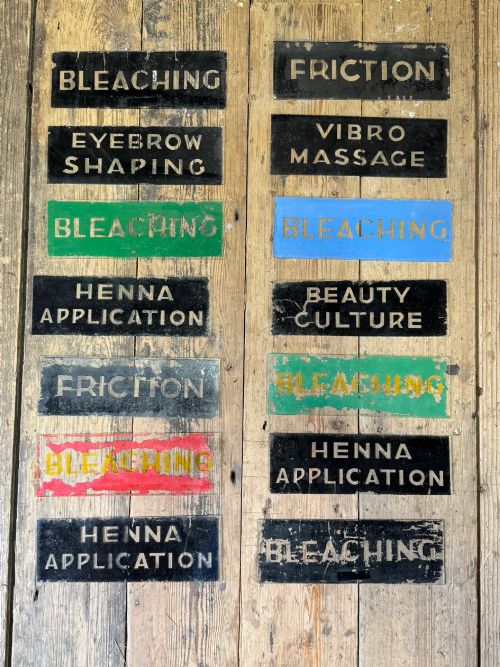
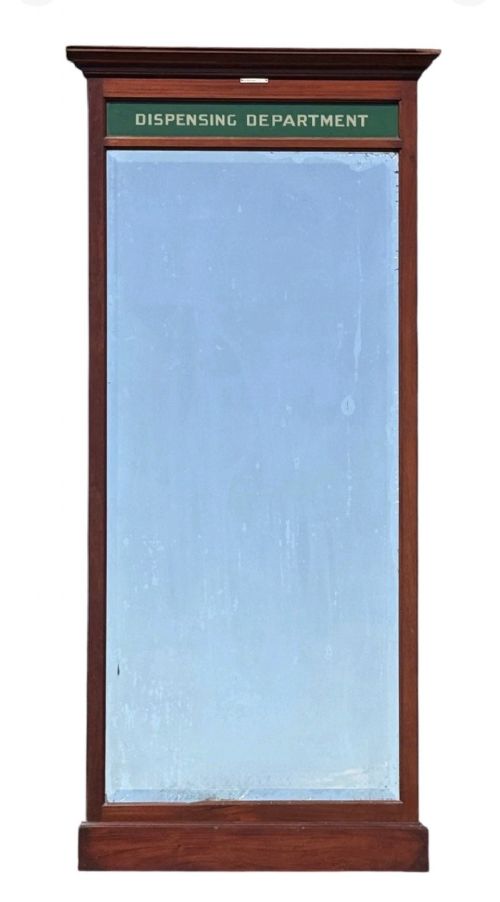
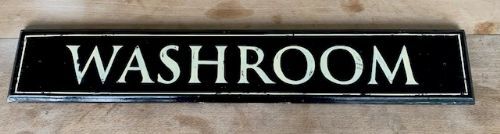
Glass panels incorporate reverse-painting and mirroring techniques to create glossy, legible interior advertising displays for chemists and salons. Enamel versions fuse vitreous glass onto iron bases at high temperatures to produce weather-resistant, vibrant shop notices.
The material palette spans durable cast iron, brass, copper, and oak, alongside fragile reverse-painted glass and vitreous enamel.
Assessing Quality and Character
Quality rests in the crispness of the original lettering, the integrity of the base material, and the depth of the patination built up over decades of commercial life. Signs retaining their original hanging brackets or specialised mounting hardware command greater visual weight.
The finest examples display accomplished sign-writing, balanced typography, and genuine weathering that highlights their utilitarian origins without obscuring the maker's intent or the trade message.
The Commercial Wall Sign Glossary
- Enamel sign
- A metal plate fused with vitreous glass powder to create a hard, glossy advertising surface. These durable boards were widely mounted on exterior brickwork.
- Trade sign
- A three-dimensional or painted emblem representing a specific craft or profession, such as a pocket watch for a watchmaker or a spoon for a food merchant. They helped illiterate customers identify shops easily.
- Reverse-painted glass
- A technique where lettering and imagery are painted on the back of a glass panel so the design shows clearly through the smooth front. This method was favoured for interior mirrors and chemist displays.
- Trade mirror
- A reflective glass panel incorporating company branding or product advertising for display in retail premises. They served a dual practical and promotional purpose.
- Patina
- The surface sheen and wear developed through age, handling, and environmental exposure. It confirms the authentic history of the piece.
Commercial Wall Sign: Frequently Asked Questions
Are these signs weatherproof for outdoor display?
Many enamel and cast iron pieces were originally designed for exterior trade use and resist normal weather conditions well. However, wooden panels and reverse-painted glass items are better suited to sheltered interior environments to prevent moisture damage.
Protecting antique painted surfaces from direct, harsh sunlight and damp exterior walls preserves the remaining pigment.
How do I clean an antique painted wood sign?
Dust the surface gently with a soft, dry microfibre cloth to remove loose debris without disturbing fragile historical paint layers. Avoid harsh chemical cleaners, abrasive scouring pads, or excessive water on old timber.
If deeper cleaning is necessary, consult a professional restorer to avoid stripping the original patinated surface.
How can I tell a Victorian sign from a later reproduction?
Examine the construction methods, fixing holes, and type of metal or timber used in the backing board. Genuine nineteenth-century examples show honest hand-forging, authentic oxidisation, and traditional sign-writer brush marks rather than uniform modern printing.
Look for consistent, natural wear patterns around screw holes and edges that align with decades of actual commercial use.