



Commercial Glass Sign
A commercial glass sign is a piece of working retail history designed to draw the eye from the street and direct trade.
Commercial Glass Sign
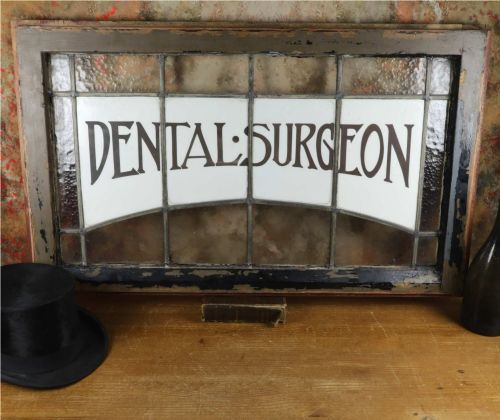
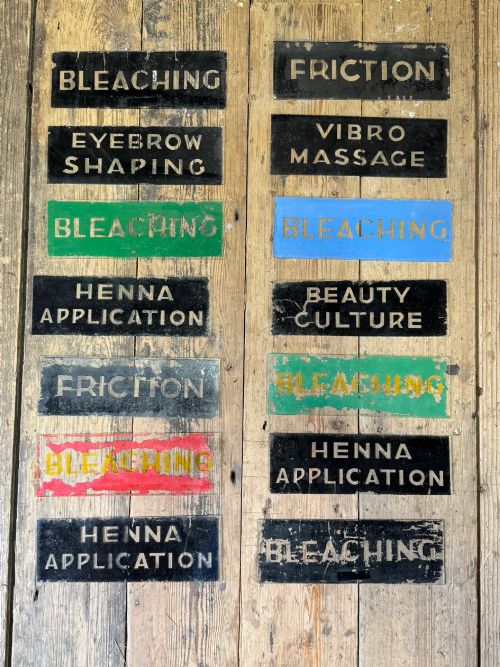
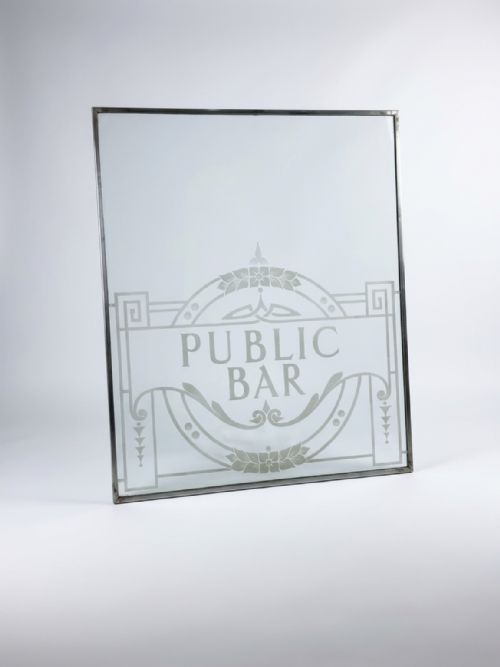
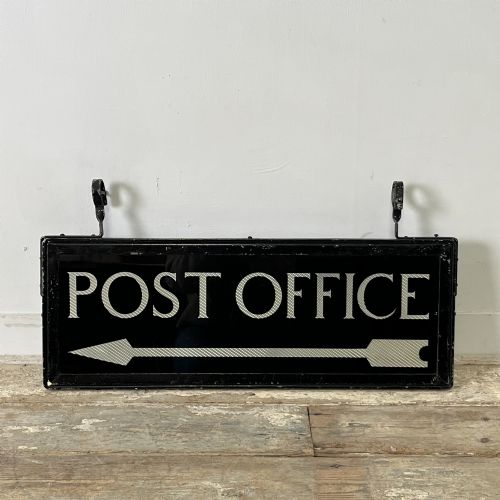
The selections span the Victorian, Edwardian, and Art Deco periods, extending through the 1920s, 1930s, and 1940s. Buyers frequently meet reverse-painted glass panels, etched pub windows, and double-sided direction signs originating from diverse trades like hairdressing and confectionery.
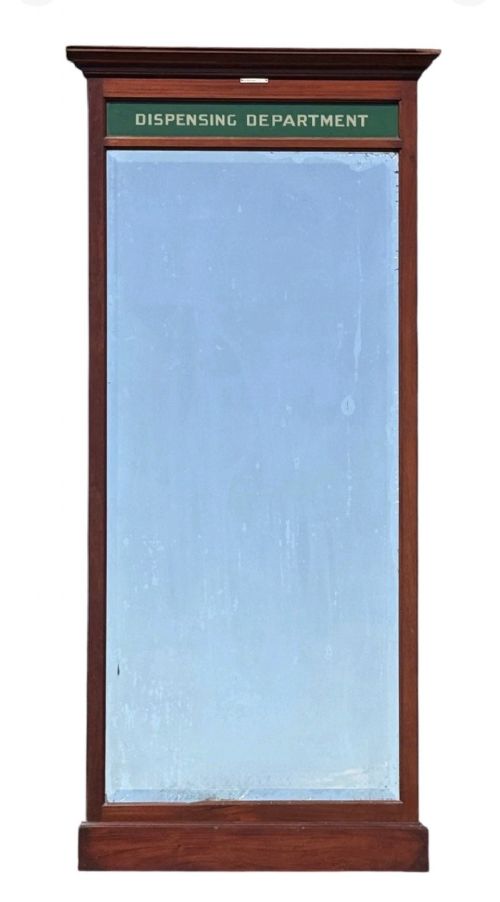
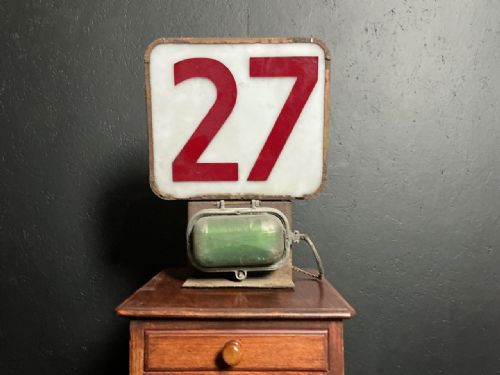
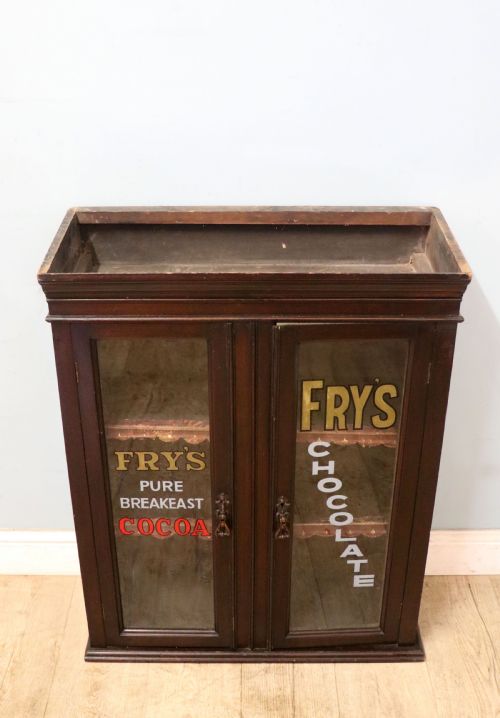
Beyond standalone wall signs, the evidence shows commercial glass integrated into trade sign lights, vending machine mirrors, and display cabinets. These functional objects carried the names of merchants, grocers, and gunsmiths directly to the public.
Materials and construction
Makers utilised glass as the primary canvas, combining it with lead, brass, iron, and wood for structural support and framing. Wooden frames in mahogany, pine, and walnut frequently house these panels to protect the edges and facilitate wall mounting.
Techniques relied upon hand painting, reverse painting, and etching directly onto the glass surface to create crisp lettering and durable graphics. Gilding with gold leaf added metallic sheen, while lead came and brass fittings secured the panels into windows or hanging brackets.
Listings feature materials including glass, paint, brass, lead, iron, wood, mahogany, and pine across Victorian and mid-century periods.
Assessing quality
Quality rests upon the crispness of the sign writing and the preservation of the original painted or etched layers behind the glass. Finer pieces demonstrate skilful hand lettering and intact gilding that remain bright without excessive flaking.
The integrity of the surrounding woodwork, whether mahogany or pine, alongside original brass or iron hardware, elevates the piece. Better examples retain their original mounting brackets or authentic frames rather than later replacements.
Smiths of London·Fry·Robert West
The Commercial Glass Sign Glossary
- Reverse painting
- A technique where the artist paints the image and lettering backwards on the rear side of the glass so it appears correctly when viewed from the front. This method protects the pigment from physical damage and weathering.
- Etching
- A process where acid or abrasives bite into the surface of the glass to create frosted designs and lettering. It provides a permanent, tactile finish often seen on Victorian pub windows.
- Trade sign
- A board or glass panel hung outside or inside a shop to indicate the merchant's profession. They often feature bold typography and iconography specific to the trade.
- Sign written
- Lettering applied by hand using traditional signwriting paints and brushes. This method was standard for commercial signage before modern vinyl printing.
Commercial Glass Sign: Frequently Asked Questions
How do I hang a heavy glass sign?
Heavy glass signs require secure wall anchors fixed directly into masonry or solid studs rather than plaster alone. Ensure the supporting wooden frame or brass chain can bear the full weight of the glass panel.
Distribute the load evenly across two fixing points to prevent twisting the frame and putting pressure on the glass.
Where were these signs originally displayed?
These signs hung in shop windows, above doorways, or inside retail interiors such as chemist shops, post offices, and tobacco stores. Some acted as counter displays or division mirrors within bustling Victorian and Edwardian establishments.
Pubs and confectioners utilised them to draw passing foot traffic and announce specific brands or services available within.
Can I clean the reverse painted side?
The reverse painted side is extremely delicate because the unprotected pigment sits directly on the rear of the glass. Avoid using moisture, chemical sprays, or abrasive cloths near any exposed paintwork.
Dust the front surface gently with a dry microfiber cloth and leave the back untouched to preserve the historic finish.
How do I date a glass sign?
Dating relies on examining the typography, the framing materials, and the specific manufacturing techniques used for the glass. Art Deco and Edwardian pieces show distinct stylistic lettering and frame profiles compared to earlier Victorian examples.
Reference the trade named on the sign, as directories often record when specific merchants or manufacturers operated.