





Commemorative Wall Plaque
A commemorative wall plaque records an important person, exhibition, or event in cast metal, ceramic, or carved wood for display in the home.
Commemorative Wall Plaque
A commemorative wall plaque captures historical events, royal jubilees, international exhibitions, and notable figures through portraiture and heraldry. When searching for a commemorative wall plaque, buyers encounter everything from modest ceramic plates and brass wall pockets to heavy bronze relief castings and marble memorials.
The materials span bronze, copper, brass, pewter, porcelain, ceramic, marble, and oak, reflecting the tastes of the eighteenth, nineteenth, and early twentieth centuries. Pieces range from Victorian folk art and French historicism to Louis XVI and Art Deco styles, often incorporating fitted frames or wall mounts for display.
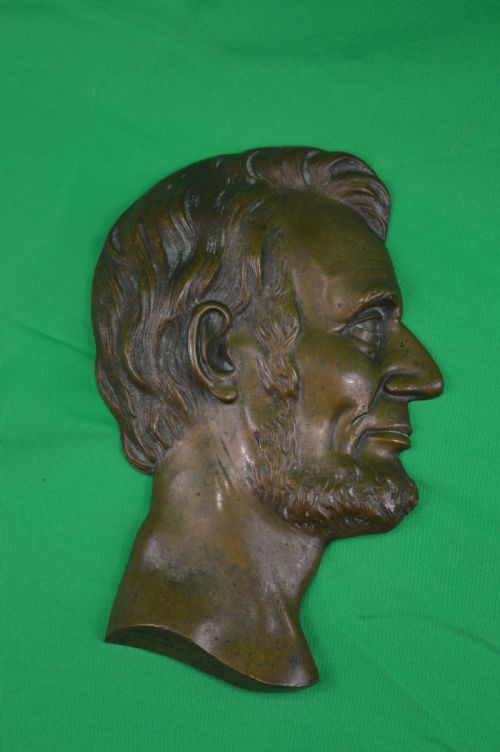
Portraits of monarchs, writers, and leaders such as Queen Victoria, Abraham Lincoln, and Charles Dickens appear frequently alongside exhibition medals and regional mementos. These items served both as domestic decorations and as permanent records of civic pride or personal achievement.
Materials and production methods
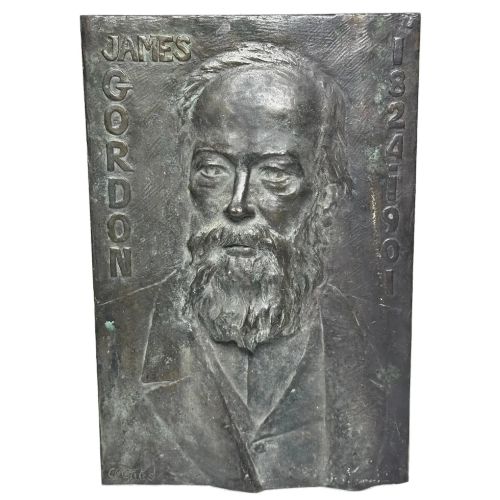
Metal plaques utilise casting techniques in bronze, brass, copper, and pewter, often receiving patination to accentuate relief details and lettering. Foundry work produces crisp profiles and heraldic devices, frequently mounted on timber backings like oak or set within protective brass frames.
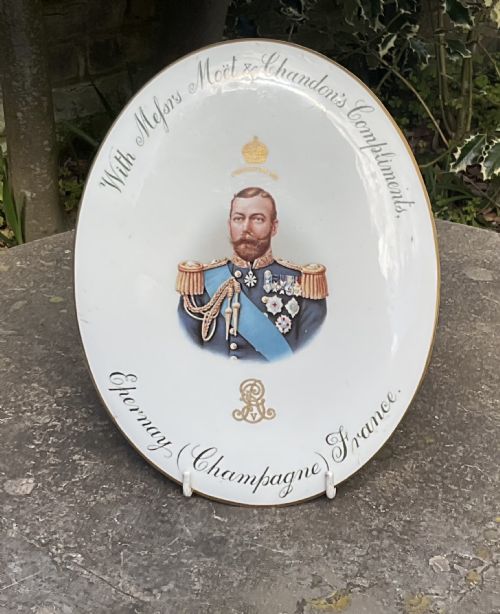
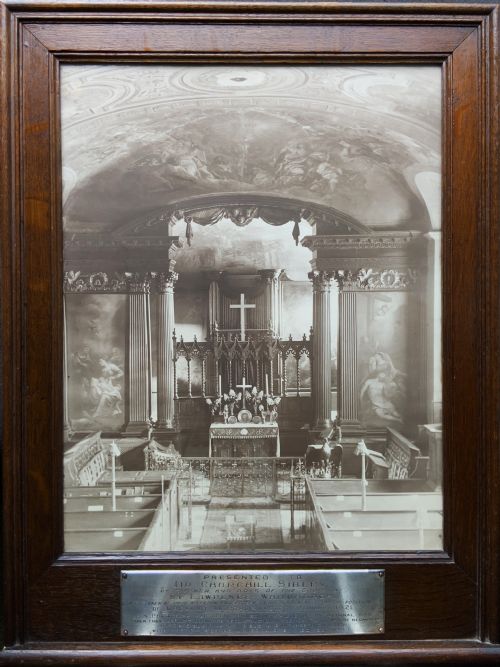
Ceramic and porcelain examples employ moulding and glazing processes, sometimes incorporating transfer-printed inscriptions or sepia photographic elements mounted from church altars. Marble memorials rely on stonemasonry and incised lettering to record names and dates permanently.
Listings feature items spanning the eighteenth, nineteenth, and early twentieth centuries, encompassing Victorian, Edwardian, and Art Deco design movements.
Assessing quality in relief work
The choice of housing and secondary materials also distinguishes the range, with substantial oak backings, patinated bronze finishes, and signed components indicating superior manufacture. Simpler pressings and uncredited ceramic iterations occupy the more utilitarian end of the spectrum.
Smith Beck And Beck·Alice Gates
The Commemorative Wall Plaque Glossary
- Relief
- A sculptural technique where figures and motifs project from a flat background. High relief stands out prominently, while low relief remains closer to the plane.
- Patination
- The natural or chemical alteration of a metal surface over time. A rich patina adds depth and character to bronze and copper castings.
- Heraldry
- The system of designing, displaying, and hereditary granting of coats of arms. Plaque designs often incorporate civic or family arms to denote lineage and authority.
- Wall pocket
- A hanging receptacle designed to hold letters, dried flowers, or small items. Brass and ceramic versions frequently double as commemorative display pieces.
- Exhibition medal
- A commemorative award minted to mark international industrial and cultural fairs. These large medals are frequently mounted as wall plaques for display.
Commemorative Wall Plaque: Frequently Asked Questions
How do I hang a heavy bronze plaque?
Heavy bronze and cast metal plaques require robust fixings screwed directly into wall studs or secured with appropriate masonry anchors. The weight demands sturdy picture wire or direct bracket mounting rather than standard picture hooks.
Ensure the hanging loops or backing frames on the piece are structurally sound before mounting. Timber backings should be checked for stability where screws enter the wood.
Can I clean a patinated bronze plaque?
Active cleaning should generally be limited to gentle dusting with a soft, dry brush to remove accumulated dirt. Harsh metal polishes strip away the aged patination that collectors value on historic bronzes.
If cleaning is essential, consult a specialist conservator to avoid damaging the surface finish or the underlying metal. Wax coatings applied by previous owners should be left undisturbed unless flaking.
How do I date a metal portrait plaque?
Dating relies on the subject matter, costume details of the depicted figure, and the stylistic conventions of the framing or lettering. References to jubilees, centenaries, or specific international exhibitions provide a reliable terminus post quem.
Manufacturing techniques such as sand casting versus machine stamping also help narrow the production era. Makers' marks and signatures, where present, link the piece to active foundry dates.
Where were commemorative plaques displayed historically?
These pieces were typically hung in domestic parlours, libraries, and institutional halls to demonstrate loyalty, education, or civic participation. Smaller ceramic plates and brass wall pockets combined decorative display with everyday utility in the home.
Exhibition medals and portrait plaques served as conversation pieces that signaled the owner's cultural interests and connection to historical events.