





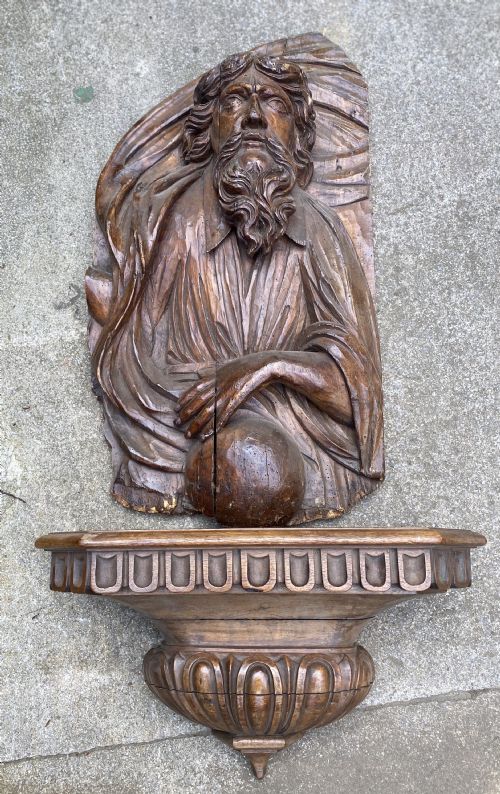
Antique Church Plaque
An antique church plaque brings ecclesiastical history straight into a domestic room, offering carved devotion, sacred text, and centuries of architectural craft.
Antique Church Plaque
When a buyer searches for an antique church plaque, they encounter a diverse selection of wall reliefs, wooden panels, religious icons, and illuminated texts originating from sacred spaces. These pieces serve as tangible fragments of ecclesiastical history, bringing centuries of devotion and craftsmanship directly into a domestic interior.
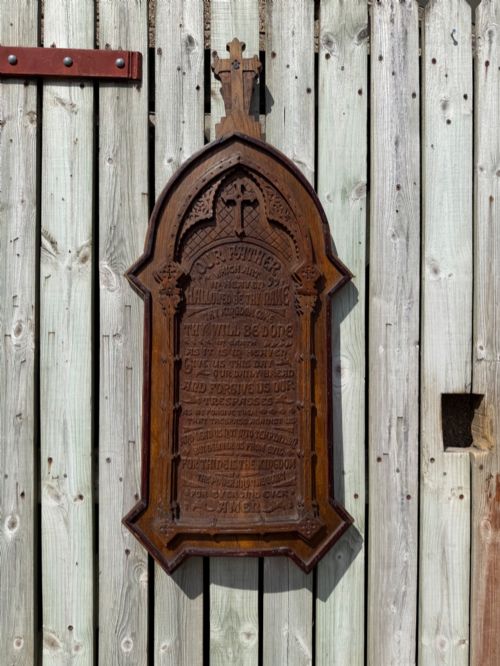
The objects span multiple periods, ranging from the seventeenth century through to the Edwardian era and the early twentieth century. Buyers will frequently meet carved oak and walnut panels, painted wooden icons, and metal plaques mounted on walls for display.
Origins vary across European and Russian traditions, encompassing Gothic Revival, Baroque, Louis XIII style, and Victorian folk art aesthetics. Each piece carries the distinct visual language of its original religious context, whether from an orthodox shrine, a parish church, or a tin tabernacle.
Materials and construction
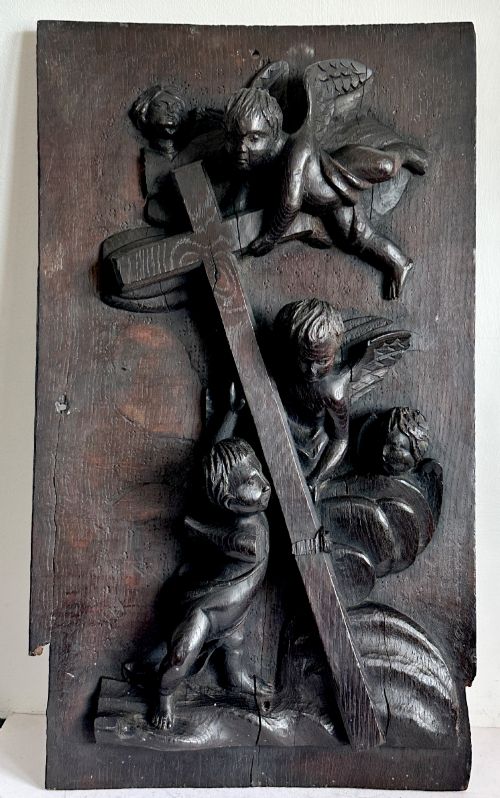
Makers utilised dense hardwoods such as oak and walnut, carving deep relief scenes and architectural borders directly into the timber. Panels often show meticulous hand tool marks left by carvers working in regional workshops or monastic traditions.
Surface decoration frequently involves tempera paint applied to wood, sometimes accented with silver and gilt, as seen in Russian Orthodox icons. Other examples incorporate brass, bronze, and painted metal or canvas mounted on wood.
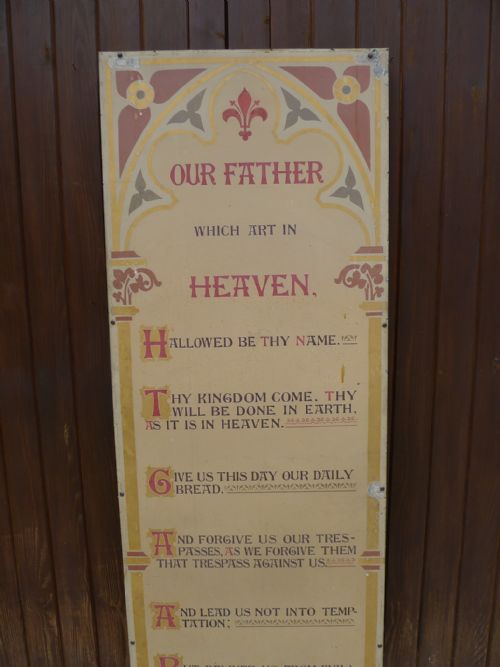
Construction techniques reflect traditional joinery suited to ecclesiastical settings, from heavy framed panels designed for altars and walls to hand-lettered illuminated texts on tin and wood.
Some plaques carry the literal glow of tin tabernacles, bringing nineteenth-century corrugated iron devotion straight onto the living room wall.
Assessing quality
The integrity of the original surface finish, whether aged tempera, patinated oak, or applied gilding, determines the visual presence of the object. Pieces retaining their early or primary finishes hold a stronger historical coherence.
The sophistication of the stylistic design, ranging from restrained seventeenth-century French panels to detailed Russian iconography, dictates the visual impact of the piece within an interior.
Volga Masters
The Antique Church Plaque Glossary
- Tempera
- A permanent, fast-drying painting medium consisting of coloured pigment mixed with a water-soluble binder such as egg yolk. It produces a durable matte surface seen on early icons and panels.
- Gothic Revival
- An architectural and decorative style drawing inspiration from medieval ecclesiastical design. It appears frequently in nineteenth-century furnishings and wall fixtures.
- Louis XIII Style
- A heavy, formal French aesthetic characterised by bold geometric carvings and robust walnut construction. Pieces in this style display substantial architectural presence.
- Tin Tabernacle
- A prefabricated corrugated iron church building popular in the nineteenth century. Fittings salvaged from these structures often include illuminated religious texts and metal signage.
- Wall Relief
- A sculpture technique where elements remain attached to a solid background of the same material. Carved wooden panels of this type project outwards to create depth and shadow.
Antique Church Plaque: Frequently Asked Questions
What is an antique church plaque?
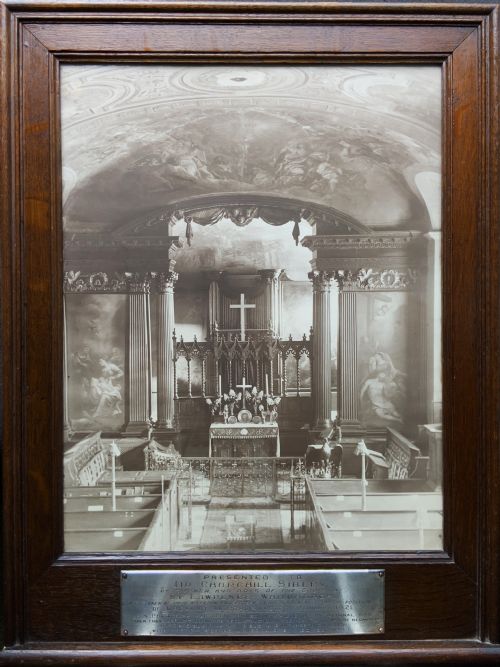
An antique church plaque is a carved wooden panel, metal fixture, icon, or illuminated text salvaged from a religious building. These items were originally created for worship spaces, altars, or memorial walls.
Today, collectors mount them on interior walls as decorative art with historical depth. They provide a direct link to past ecclesiastical traditions and craftsmanship.
How old are these church plaques?
The items range from seventeenth-century carved wooden panels to nineteenth-century memorial pieces and early twentieth-century church furnishings. Each period reflects distinct carving styles and material choices.
Dates are determined by stylistic markers, joinery techniques, and historical documentation associated with the workshop or region of origin.
How do I hang a heavy wooden plaque?
Due to the density of hardwoods like oak and walnut, these panels require robust wall fixings anchored directly into studs or solid masonry. Professional picture hanging hardware rated for heavy weights is essential.
Consulting a specialist installer ensures the weight is distributed properly without damaging the antique timber frame or panel.
What materials were used?
Carvers primarily worked in solid oak and walnut, creating deep architectural reliefs. Other pieces utilise tempera on wood with silver and gilt details, brass, bronze, and painted pine.
Materials reflect the specific ecclesiastical tradition and period of the object, from Russian Orthodox icons to Victorian parish church furnishings.
How do I clean an antique carved panel?
Dusting gently with a dry, soft bristle brush is the safest method to remove particulate matter from deep carved recesses. Avoid liquid cleaners, oils, or waxes that can penetrate unsealed wood or damage delicate tempera paint.
If the surface requires deeper conservation, professional restoration advice should be sought to preserve the historic patina.