





Coloured Lithograph Prints
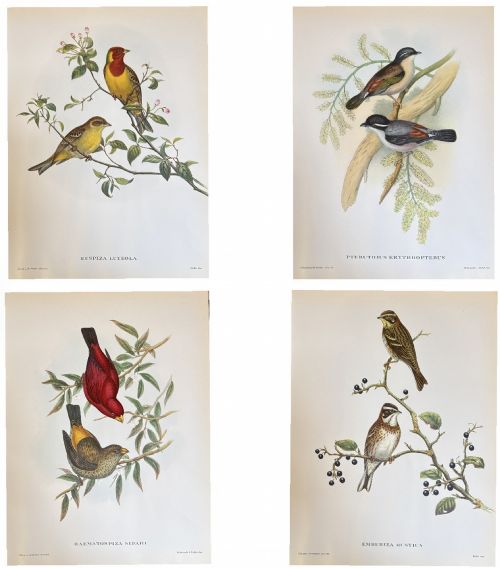
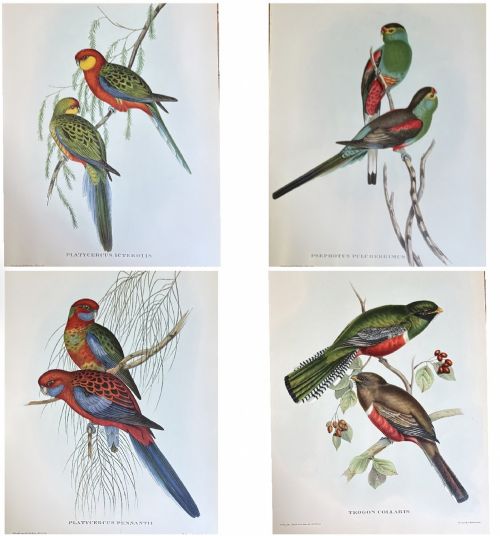
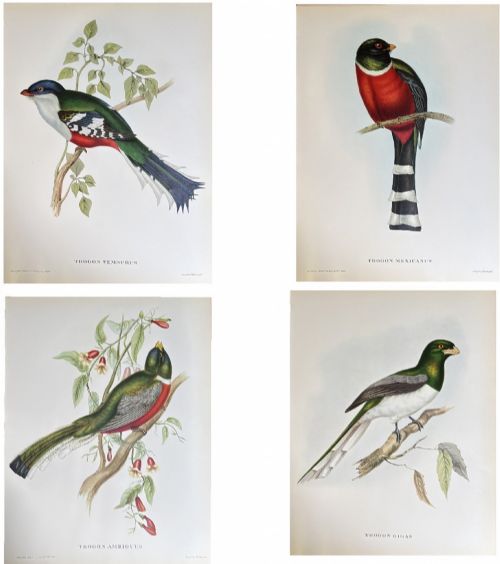
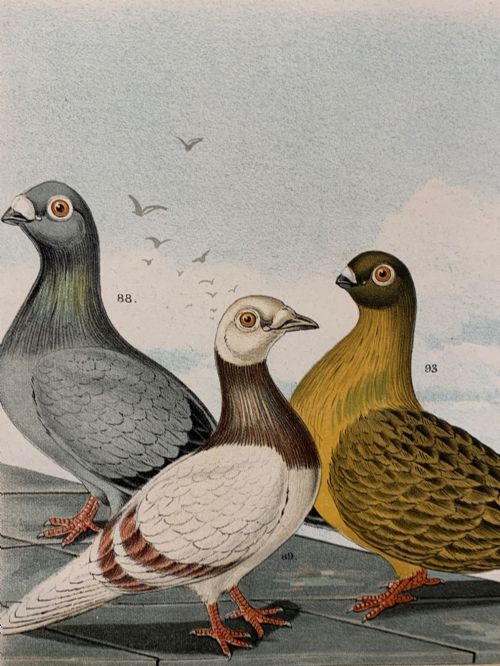
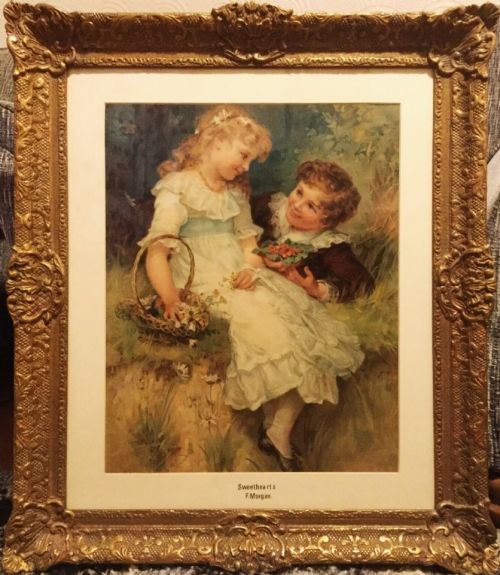
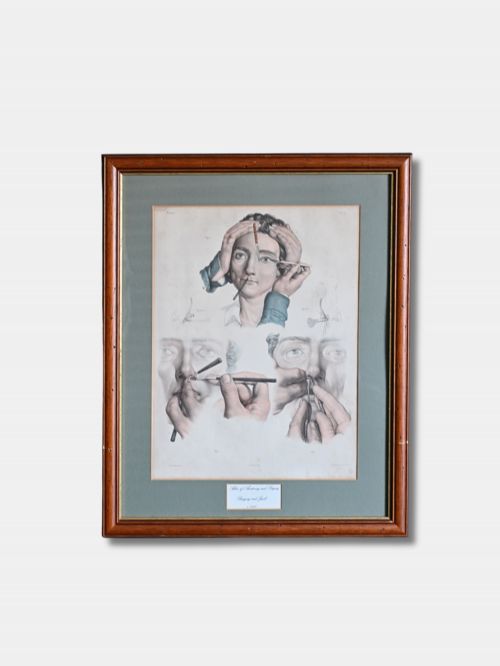
These coloured lithograph prints combine the precision of nineteenth-century stone printing with delicate hand-colouring, offering collectors vibrant windows into historical natural history, portraiture and sporting scenes.
Coloured Lithograph Prints
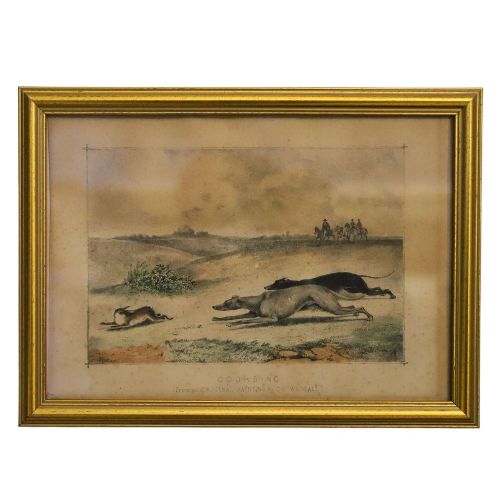
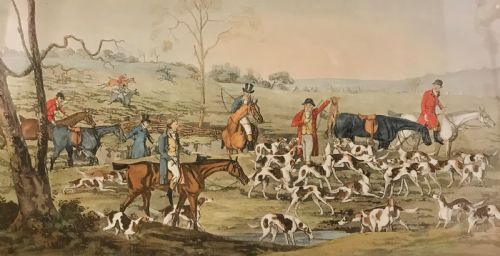
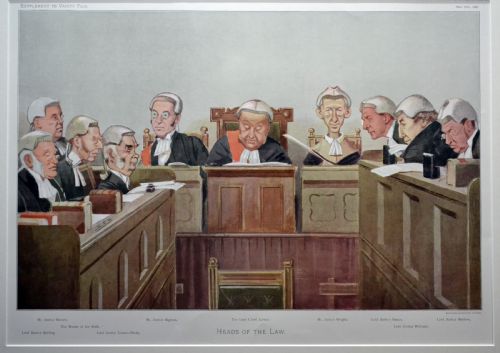
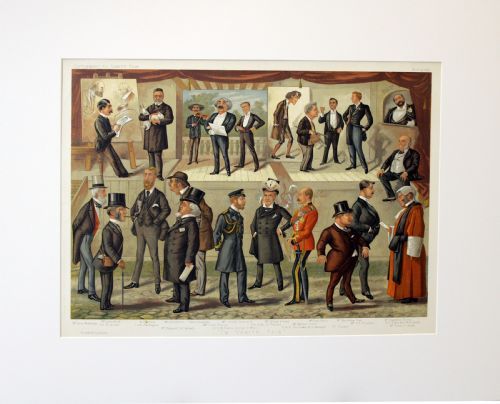
Coloured lithograph prints encompass a diverse array of framed and unframed works spanning the Georgian, Victorian and mid-twentieth-century periods. The subjects range widely across tropical birds, sporting scenes, satirical magazine inserts and theatrical portraits.
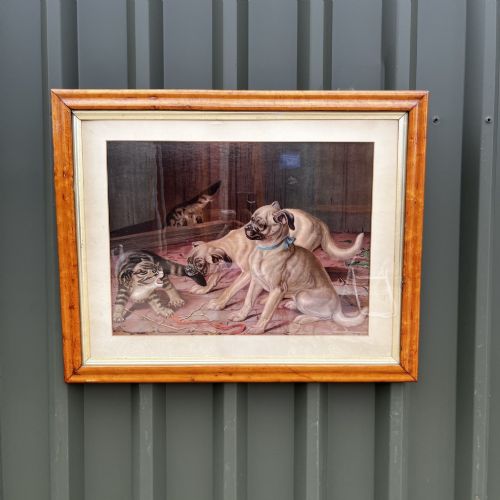
Buyers encountering this selection will find natural history plates sitting alongside British field sports, political caricatures and French domestic animal scenes. These pieces frequently appear within period wood, glass and gilt frames that preserve the fragile paper sheets.
The materials recorded in these works include ink and watercolour applied to paper, housed within timber and gilded frames adorned with gold leaf. Together, these elements capture the visual culture of the nineteenth century through accessible graphic art.
Materials and Printing Techniques
The creation of these works relies fundamentally upon lithographic stone matrices, where grease-attracting drawings receive ink for transfer onto paper sheets. Artisans then frequently enhanced these monochrome impressions by hand using watercolour washes.
Publishers utilised specialised presses to produce multi-coloured chromolithographs, building hues through successive ink stones to achieve rich saturation without manual painting. Paper stocks of the era provided the stable absorbent base necessary for holding both dense printer's ink and delicate watercolours.
Framing materials such as gilt wood and plain timber protected the paper surfaces from environmental damage, often incorporating glass to shield the delicate pigments from fading.
Coloured Lithograph Prints Retail Price Guide 2026
Typical asking prices for coloured lithograph prints among the pieces listed under this phrase on Sellingantiques today, from the lower quarter to the upper quarter. They describe what is for sale here now, not the wider market.
The documented periods span from Georgian publishing ventures through to mid-twentieth-century print sets.
Factors Distinguishing Quality
The caliber of these works rests heavily upon the registration precision of the lithographic stones and the subtlety of any applied hand-colouring. Master printers achieved crisp contours that avoided the blurred edges seen in hurried commercial reproductions.
The distinction between a standard sheet and a superior example lies in the vibrancy of the remaining pigments and the integrity of the original paper stock. Well-preserved sheets retain their fresh watercolour tones without severe acidification or foxing interrupting the composition.
Complete sets, particularly matched series of natural history subjects or theatrical caricatures, carry greater integrity than scattered single plates. Furthermore, original period framing enhances the historical context of the piece compared to modern mountings.
Frederick Morgans·Horatio Henry Couldrey·David Roberts·William Powell Frith·Thomas Worth
The Coloured Lithograph Prints Glossary
- Lithograph
- A planographic print pulled from a flat stone or metal plate treated to repel and accept ink selectively. This chemical technique allowed artists to draw directly onto the surface with greasy crayons.
- Chromolithograph
- A multicoloured print produced using multiple lithographic stones, each applying a different hue to build a complex image. This method dominated nineteenth-century commercial colour printing before modern offset techniques emerged.
- Foxing
- Brown spots and discolouration appearing on antique paper due to chemical reactions involving iron impurities and humidity. Collectors monitor these age marks for stability across the margins and image area.
- Hand-Coloured
- An impression embellished with translucent watercolour washes applied by brush after the initial printing process. This finishing step added realistic life to botanical and anatomical plates.
Coloured Lithograph Prints: Frequently Asked Questions
How do I identify a true lithograph?
Examine the surface under a magnifying glass to check for the absence of modern dot patterns typical of offset printing. Genuine nineteenth-century examples display flat ink layers without geometric screening.
Look closely at the paper margins for plate marks or publisher details that confirm historical production methods.
Were these prints originally issued in books?
Many fine examples began inside serialized natural history folios, travel albums or weekly periodicals rather than as standalone art. Publishers gathered these unbound sheets for subscribers to frame individually.
Disbound plates often retain rough edges along one side where they were once bound into volumes.
How should I care for antique paper?
Keep framed pieces away from direct sunlight to prevent the watercolour pigments and coloured inks from fading permanently. Maintain stable room humidity to avoid triggering mould growth or accelerated paper acidification.
Use UV-filtering glass when framing to protect fragile organic pigments from ambient light damage.
What distinguishes hand-colouring from chromolithography?
Hand-coloured sheets show fine brush strokes and slight variations where an artist applied watercolour washes by hand over a monochrome base. Chromolithographs use tiny overlapping ink dots or solid flat colour layers applied entirely through the printing press.
Under magnification, hand-coloured lines reveal pooling pigment at the edges, unlike the uniform mechanical application of stone-printed hues.