




Colonial Timber Table
A colonial timber table brings together dense hardwoods and distinct regional carving, offering both practical surface space and a rich narrative of global trade.
Colonial Timber Table
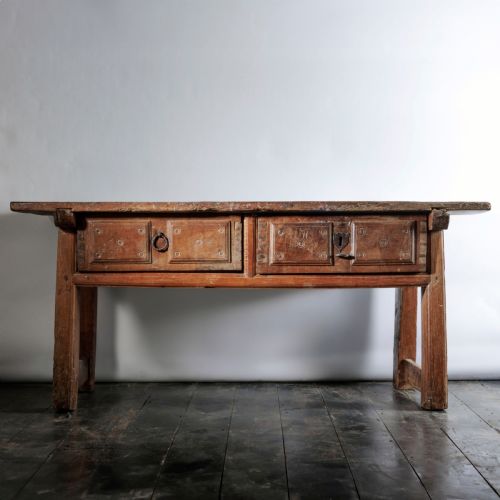
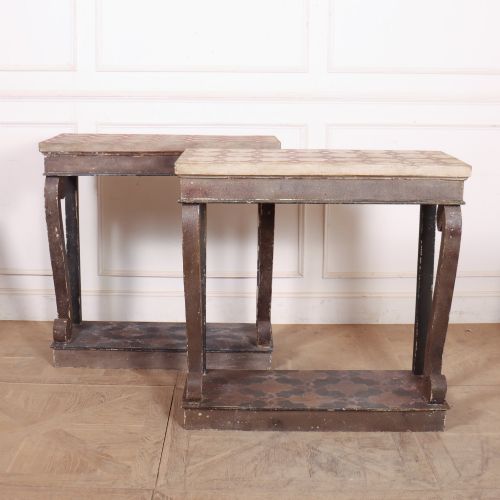
A colonial timber table encompasses a broad range of domestic furniture shaped by global exchange, from side tables and occasional pieces to grander library and console tables. When exploring a colonial timber table, buyers frequently encounter Anglo-Indian and New Zealand specimen pieces alongside nineteenth-century campaign desks and low tables.
Makers utilised native timbers and imported hardwoods to construct forms suited to both utilitarian storage and formal display. These objects span several distinct regional idioms, reflecting nineteenth-century craftsmanship from diverse territories under colonial influence.
Materials and construction
Construction relies heavily on dense exotic hardwoods such as teak, padouk, rosewood, and camphor wood, often selected for their durability and rich grain. Carpenters combined solid timber construction with intricate hand carving, visible in vegetal motifs and figural supports like elephant heads.
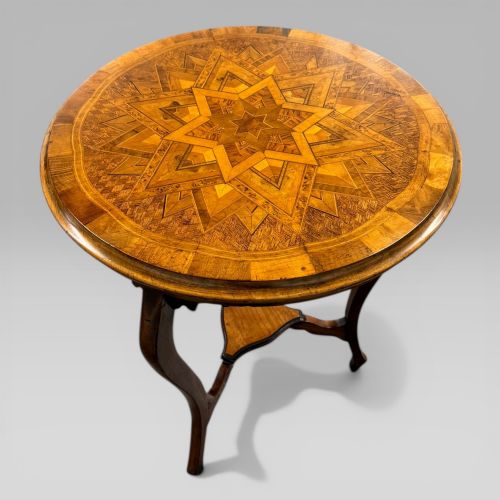
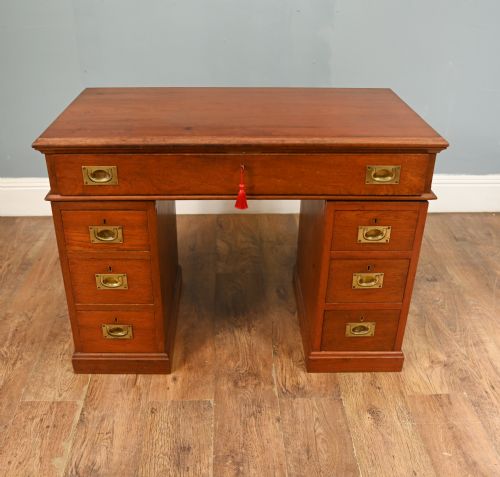
Many items incorporate brass binding and corner mounts for structural reinforcement, a technique borrowed from campaign furniture designed for travel. Specimen tables demonstrate meticulous parquetry and marquetry, assembling numerous native woods into geometric patterns.
Colonial Timber Table Retail Price Guide 2026
Typical asking prices for colonial timber table among the pieces listed under this phrase on Sellingantiques today, from the lower quarter to the upper quarter. They describe what is for sale here now, not the wider market.
Assessing quality
Quality rests primarily on the crispness and depth of the hand carving, where deeply undercut foliage and well-defined figures distinguish superior work from simpler production. The selection and arrangement of woods also dictate worth, particularly in specimen pieces where varied native timbers demonstrate exceptional tonal contrast.
Original hardware, such as brass mounts and campaign handles, preserves the integrity of the piece. Structural stability in heavy tropical hardwoods remains essential, as unseasoned timber can develop splits over time.
Anton Seuffert·William Norrie
The Colonial Timber Table Glossary
- Specimen wood
- Furniture constructed from a multitude of different native timbers arranged to show off contrasting natural colours and grain patterns. These pieces were often produced in New Zealand using local varieties.
- Padouk
- A heavy, durable tropical hardwood with a reddish hue used extensively in Anglo-Indian and Burmese furniture. It takes a fine carved finish and resists decay.
- Campaign furniture
- Portable pieces designed for military officers, typically fitted with recessed brass handles, corner brackets, and folding elements for easy transport.
- Marquetry
- The art of applying pieces of veneer to a structure to form decorative patterns and pictures. It differs from inlay by assembling the pattern across a veneer sheet before application.
- Pier table
- A small decorative table designed to stand against a wall between two windows, frequently paired with a wall mirror above.
Colonial Timber Table: Frequently Asked Questions
How do I identify an Anglo-Indian table?
Anglo-Indian tables typically feature dense tropical hardwoods like padouk or teak combined with deep, elaborate hand-carved decoration. Motifs often include scrolling foliage, flowers, and figural elements such as elephants.
They generally date from the nineteenth century and reflect British design tastes interpreted by local craftsmen in South Asia.
What is a specimen wood table?
A specimen wood table displays a geometric mosaic top created from numerous distinct native timbers. Makers arranged these woods to showcase natural variations in colour and grain without relying on applied paint or stain.
Such pieces are particularly associated with nineteenth-century New Zealand workshop production.
Where should I place a console table?
Console tables function well in hallways, living rooms, or beneath large mirrors where surface space is needed without a deep footprint. Their decorative legs and carved aprons make them suitable focal points against plain walls.
Ensure the dimensions of the base match the clearance of your room.
How do I care for antique hardwood?
Maintain antique hardwood by keeping it away from direct heat sources and sudden humidity shifts that can cause timber to split. Dust regularly with a dry cloth and apply occasional specialist wax to nourish the grain.
Avoid commercial silicon polishes that build up a hazy surface film.