





Colonial Inlaid Plant Stand
A colonial inlaid plant stand brings intricate craftsmanship and rich timbers from distant lands straight into a quiet corner of your room.
Colonial Inlaid Plant Stand
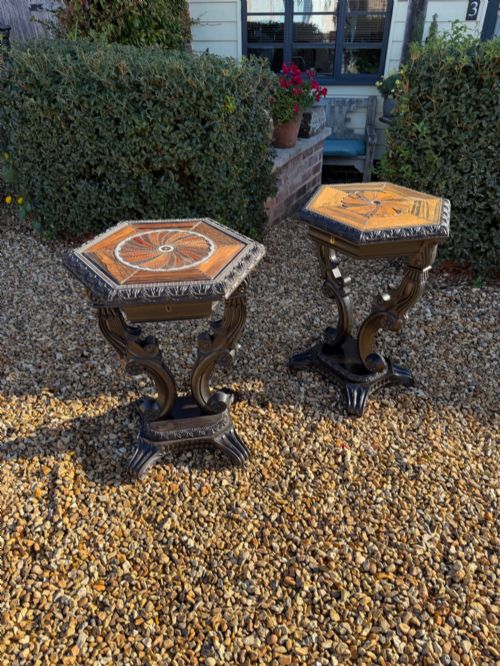
A colonial inlaid plant stand combines functional small furniture with traditional decorative arts from the nineteenth and early twentieth centuries. These tables and stands typically serve as occasional furniture, side tables, or raised display surfaces for botanical ornaments and decorative items.
The pieces appearing on this page most frequently reflect Anglo-Indian, Victorian, and Anglo-Indian Colonial design traditions spanning the late nineteenth century through the 1930s. Forms range from tripod and circular tops to square tables and collapsible occasional designs.
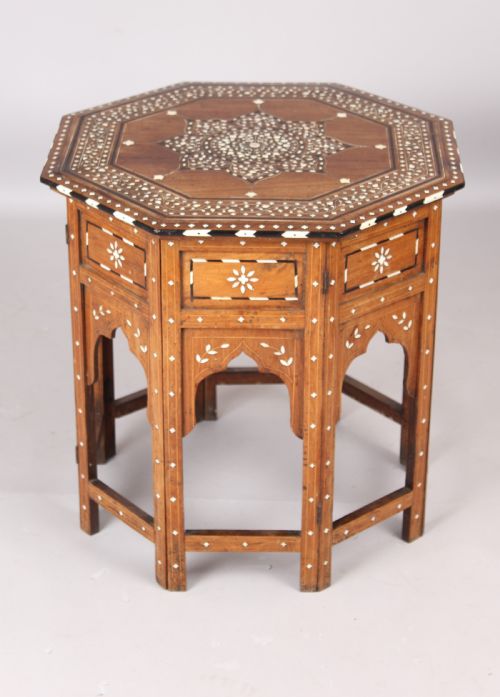
Makers utilised distinct regional styles, notably from Hoshiarpur, producing intricate surfaces suited for holding plants or decorative objects. Buyers find both carved wooden structures and smaller occasional variants designed for portability and display.
How they were made
Construction relies heavily on dense hardwoods and exotic timbers such as teak, sandalwood, padauk, and native timber veneers. Artisans shaped these sturdy bases using traditional woodworking techniques suited to both fixed and collapsible furniture.
Surface decoration involves meticulous inlay work utilising contrasting materials including bone, ebony, and brass wire. Craftsmen set these fine elements directly into the timber to create elaborate geometric and floral patterns across the table tops.
Colonial Inlaid Plant Stand Retail Price Guide 2026
Typical asking prices for colonial inlaid plant stand among the pieces listed under this phrase on Sellingantiques today, from the lower quarter to the upper quarter. They describe what is for sale here now, not the wider market.
The listings show periods spanning from the 1870s through the 1930s, featuring teak, sandalwood, padauk, bone inlay, and brass.
What varies in quality
Quality rests in the precision of the inlay work and the depth of the carved detailing across the timber surface. Finer examples display tightly fitted bone, brass, or ebony elements that remain flush with the surrounding wood without gaps.
The choice of primary timber and the structural integrity of the joints also distinguish superior pieces. Well-preserved surfaces retain their original contrast between the dark hardwoods and the pale bone or gleaming brass.
The Colonial Inlaid Plant Stand Glossary
- Anglo-Indian
- A style describing decorative arts and furniture produced during the British rule in India, combining British forms with traditional Indian craftsmanship. These pieces often feature dense carving and intricate inlay.
- Hoshiarpur
- A North Indian city renowned for its skilled woodworkers who specialised in intricate brass and bone inlay on shesham, teak, and sandalwood. Tables from this region are celebrated for their ornate surface decoration.
- Padauk
- A heavy, durable tropical timber prized for its rich reddish-brown colour and strength. It appears in nineteenth-century occasional tables built to withstand warm climates.
- Tripod table
- A small freestanding table supported by three legs radiating from a central column. This form provides stable elevation for plants and decorative objects.
Colonial Inlaid Plant Stand: Frequently Asked Questions
What woods were used for these stands?
Craftsmen utilised durable tropical timbers including teak, sandalwood, and padauk as the primary structural materials. These dense woods provided a stable base capable of supporting intricate surface carving and heavy inlay work.
Makers also incorporated native timber veneers and darker woods to create contrast for the inlaid decorative patterns.
Were these tables meant for plants?
While modern collectors often use them as plant stands, these versatile occasional tables served multiple purposes in colonial homes. They functioned as side tables, tea tables, and display surfaces for ornaments.
Their elevated tops and sturdy construction made them suitable for holding heavy decorative items, lamps, and botanical specimens.
How should I care for inlaid surfaces?
Inlaid surfaces require gentle treatment to protect the delicate combination of wood, bone, and brass. Regular dusting with a soft, dry cloth prevents particulate buildup in the recessed channels.
Avoid excessive moisture and direct sunlight to preserve the natural oils in the timber and prevent the inlay materials from loosening.