
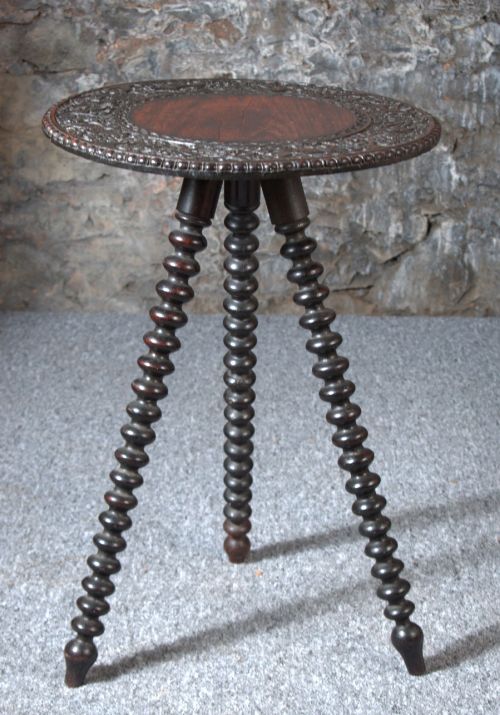


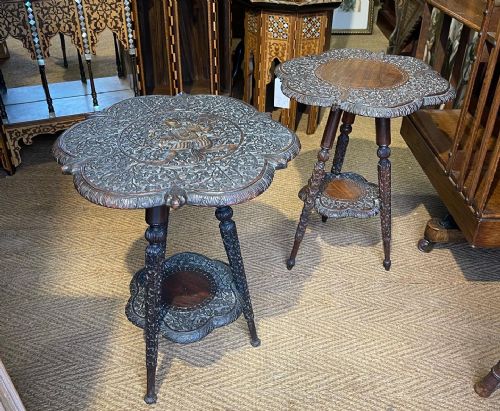
Colonial Carved Lamp Table
A colonial carved lamp table brings warmth and intricate craftsmanship to a corner, offering a solid surface for light and display.
Colonial Carved Lamp Table
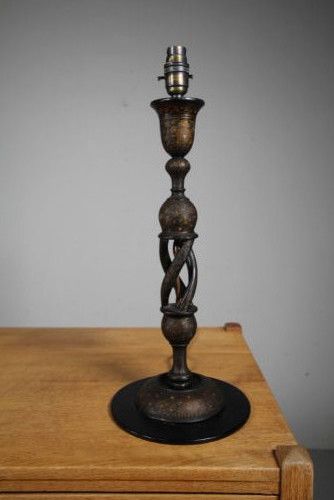
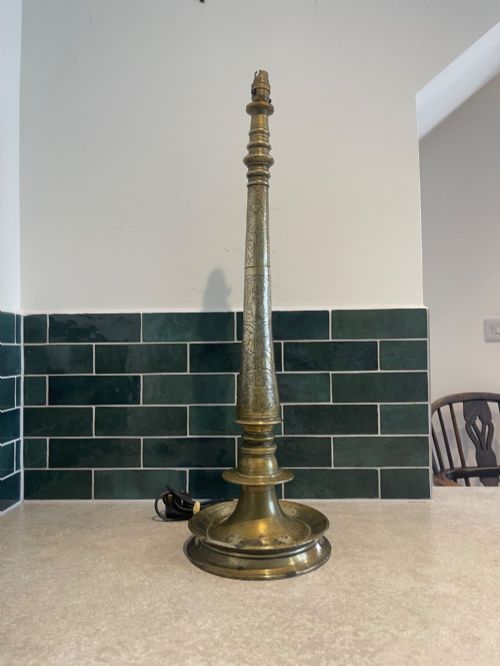
A colonial carved lamp table brings together utility and ornamental design from the nineteenth and early twentieth centuries. When searching for a colonial carved lamp table, a buyer encounters forms ranging from occasional side tables to tilt-top and pedestal designs. These pieces originate predominantly from Indian, Burmese, and Anglo-Indian traditions, alongside examples associated with Spanish and New Zealand craftsmanship.
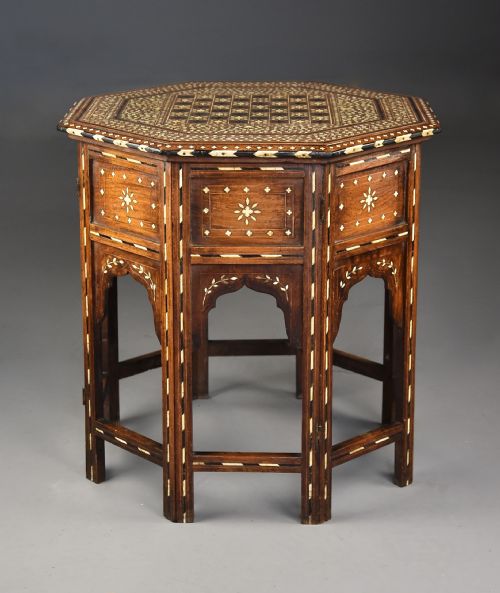
The construction typically adapts local timbers to British colonial domestic requirements. Side tables, tray tables, and octagonal occasional tables dominate the selection, often designed specifically to hold table lamps or objects of curiosity. Regional stylistic markers distinguish North Indian carving from Burmese and Hoshiarpur work, creating variety within the category.
Materials and construction
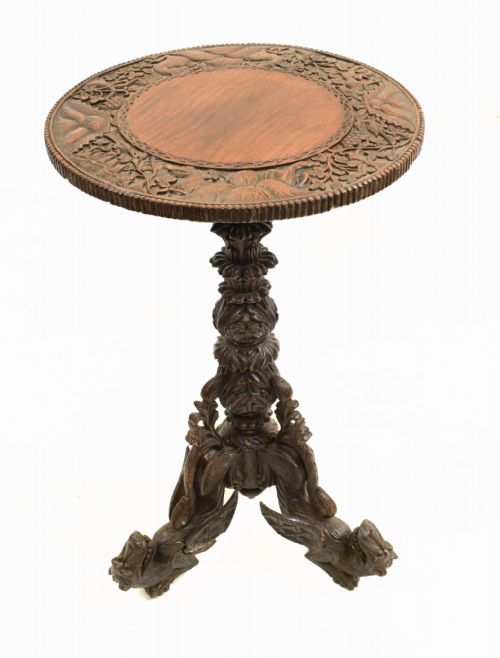
The physical substance of these tables relies heavily on dense exotic timbers such as teak, padouk, rosewood, and general hardwood. Artisans shaped these heavy materials using deep relief carving, pierced work, and intricate turning techniques. Inlaid decoration incorporating bone or contrasting woods frequently enhances the surface patterns of Anglo-Indian pieces.
Structural engineering varies according to regional workshop practices, ranging from folding frames to fixed pedestal bases and tilt-top mechanisms. Brass fittings and hinges appear on portable or folding variants designed for colonial life. Secondary elements include native timbers and gilt wood on specific regional forms.
The inventory spans the nineteenth and early twentieth centuries, featuring woods such as teak, padouk, rosewood, and bone inlay.
Distinctions in execution
Depth and crispness of the carving separate standard regional work from superior examples. The intricacy of inlaid bone or contrasting wood sections reveals the skill of the original workshop, particularly in Hoshiarpur productions. Timber selection also dictates grade, with dense, well-figured padouk and teak sitting above softer or plainer hardwoods.
Structural integrity and the retention of original surfaces govern desirability. Tables that maintain their stability across tilt-top mechanisms, folding frames, and pedestal joints demonstrate sound construction. Minimal intervention and preservation of the original hand-finished timber patina mark superior survivals.
The Colonial Carved Lamp Table Glossary
- Anglo-Indian
- Descriptive of furniture produced in India during the British period, combining British furniture forms with local Indian carving techniques and materials.
- Padouk
- A heavy, durable tropical hardwood with a reddish hue, frequently utilised in nineteenth-century colonial furniture production.
- Tilt-top
- A table mechanism allowing the surface to pivot to a vertical position for storage or movement when not in active use.
- Hoshiarpur
- A North Indian centre known for intricate inlaid woodwork utilising bone or shesham wood set into dense timber.
- Occasional table
- A small, movable table designed for a specific, intermittent function within a reception room or study.
Colonial Carved Lamp Table: Frequently Asked Questions
What woods were used?
Makers relied on dense tropical timbers available locally within the regions of production. Teak, padouk, and rosewood appear frequently due to their durability and capacity to hold deep, crisp carving.
Inlay work often incorporates bone or lighter exotic woods to create contrast against the dark body of the table.
How do I date them?
Dating relies on stylistic markers, construction methods, and timber choice typical of the nineteenth and early twentieth centuries. Catalogued examples span from the mid-nineteenth century through the nineteen-twenties, reflecting changing tastes in colonial design.
Turned elements, folding mechanisms, and specific regional carving patterns provide the primary clues for determining the production era.
Where were they made?
Production centres include various regions of India, Burma, and wider colonial territories under British influence. Specific pieces point to regional specialties such as Hoshiarpur inlay work or Burmese padouk carving.
Occasional examples from New Zealand and Spain demonstrate the broader international scope of carved domestic furnishings during the period.