



Colonial Accent Chairs
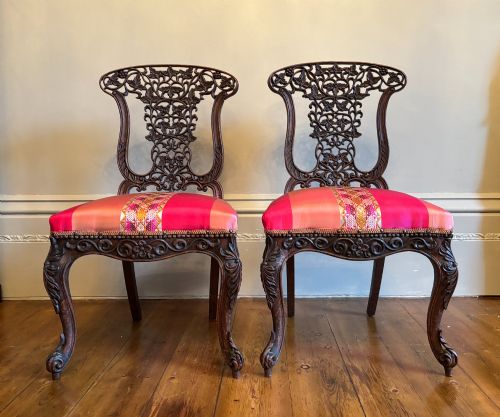
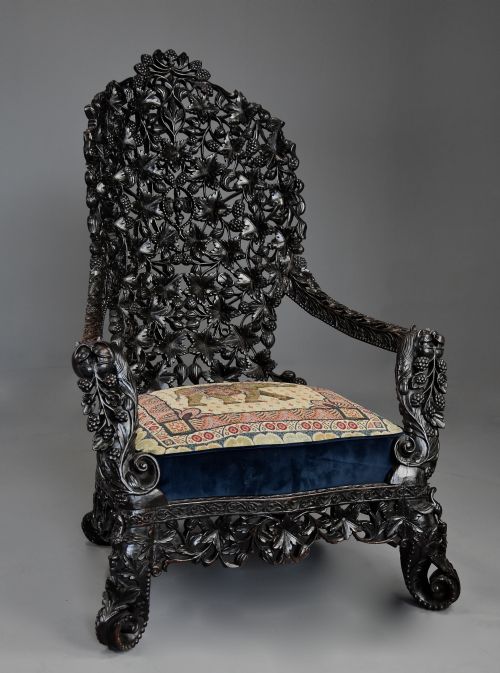
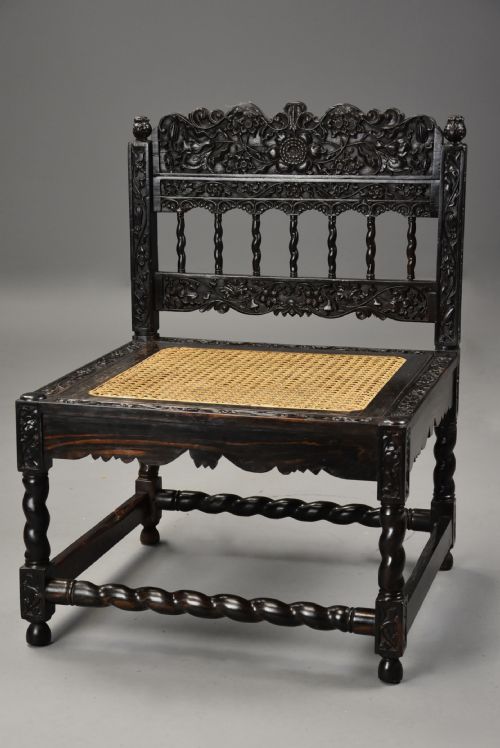
Colonial accent chairs are global forms bringing carved hardwoods and woven cane into the room with an unmistakable period presence.
Colonial Accent Chairs
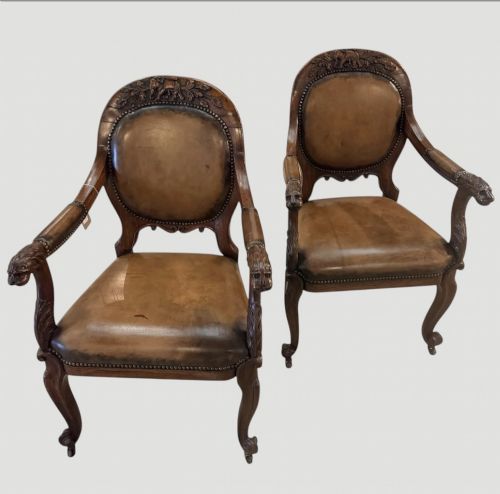
When you search for colonial accent chairs, you encounter a diverse group of seating furniture rooted in global trade and regional workshops from the seventeenth century through to the early twentieth century. The selection ranges from substantial carved armchairs and elbow chairs to lighter side chairs, hall chairs, and folding forms.
Materials and construction
These pieces rely heavily on dense exotic timbers such as blackwood, padauk, rosewood, ebony, satinwood, and general tropical hardwoods, sometimes accented with brass fittings or leather and willow. Artisans utilised durable hardwoods to support deeply undercut relief carving without compromising the structural integrity of the frame.
Seating areas frequently incorporate woven cane panels to provide flexible support suited to warmer climates. Joinery techniques varied across workshops in India, Ceylon, South Africa, and Europe, combining pegged mortise and tenon joints with intricate hand-carved ornamentation.
Colonial Accent Chairs Retail Price Guide 2026
Typical asking prices for colonial accent chairs among the pieces listed under this phrase on Sellingantiques today, from the lower quarter to the upper quarter. They describe what is for sale here now, not the wider market.
The listings span the seventeenth century through to the 1930s, featuring materials such as cane, teak, brass, hardwood, leather, ebony, rosewood, and velvet.
Assessing quality and craftsmanship
The distinction between ordinary examples and exceptional pieces rests in the depth, crispness, and continuity of the hand carving across the hardwood frame. Superior chairs display sharp relief work that retains its definition along complex curves and borders, whereas lesser pieces feature softer, shallower ornamentation.
Material selection and timber density further separate the tiers, with solid ebony, padauk, and heavily figured rosewood commanding greater regard than standard mixed hardwoods. The integrity of the original cane work and the balanced proportions of the elbow or side chair also dictate the overall standard.
The Colonial Accent Chairs Glossary
- Anglo-Indian
- Descriptive of furniture produced in India under British influence, typically combining European forms with local carving traditions. These pieces often feature dense tropical timbers.
- Padauk
- A heavy, durable reddish-brown tropical hardwood favoured in regional workshops for its strength and rich grain. It takes a fine finish under traditional polish.
- Cane
- Woven rattan material used to form breathable seats and backs on chairs. It offers flexibility and coolness in warm interiors.
- Savonarola chair
- A folding chair design formed of multiple intersecting wooden slats creating an X-shaped frame. It traces its origins to Renaissance Italy but appeared in various global interpretations.
- Coromandel Coast
- The southeastern coast of India known for historical production of distinctive ebony furniture with intricate carved decoration. Pieces from this region are particularly dense and dark in tone.
Colonial Accent Chairs: Frequently Asked Questions
What defines a colonial accent chair?
These chairs combine European furniture forms with the materials, motifs, and carving techniques of regions influenced by colonial trade networks.
They encompass diverse styles including Anglo-Indian, Cape Dutch, and Spanish colonial traditions utilising tropical hardwoods.
How do I care for antique hardwood chairs?
Keep them away from direct heat sources and dramatic humidity fluctuations to prevent the dense timber from splitting.
Apply a traditional wax polish sparingly and dust gently with a soft cloth to maintain the finish.
Are these chairs comfortable for daily use?
Many feature upright wooden backs and woven cane seats designed for formal sitting rather than deep lounging.
Their substantial construction makes them durable for occasional use as accent seating in a room.
How can I tell the regional origin?
Origin is usually determined by the specific timber used, the style of carving, and historical attribution markers.
For instance, Ceylonese pieces often feature distinct satinwood or ebony handling compared to Burmese or South African examples.