
Collectible Vintage Watch
A collectible vintage watch brings mechanical timekeeping into daily wear, offering wristwatches and pocket watches spanning multiple eras.
Collectible Vintage Watch
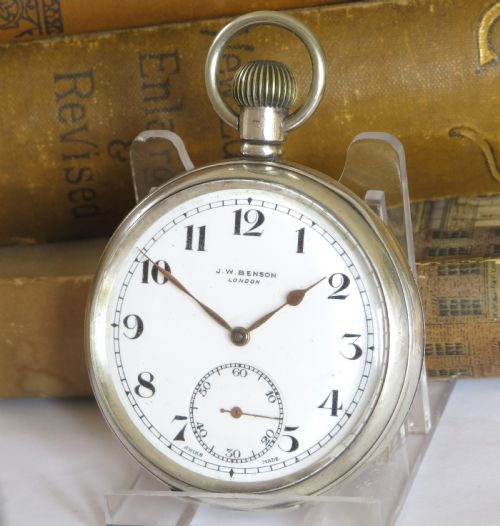
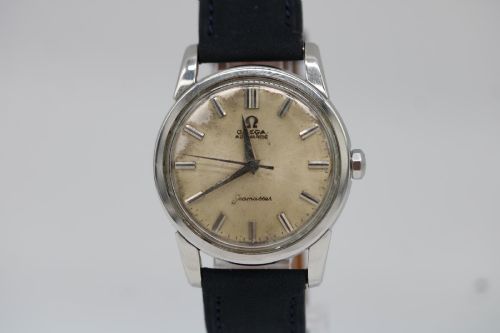
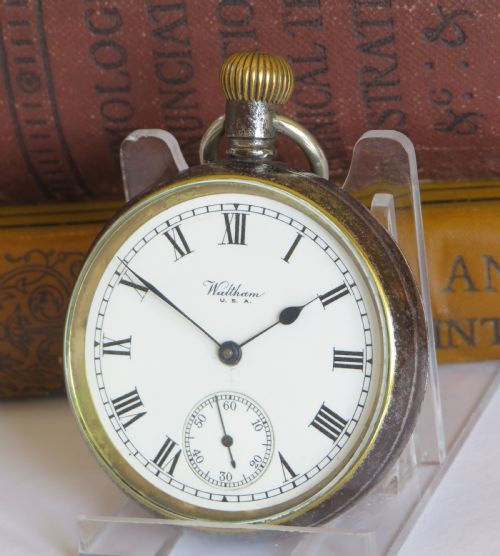
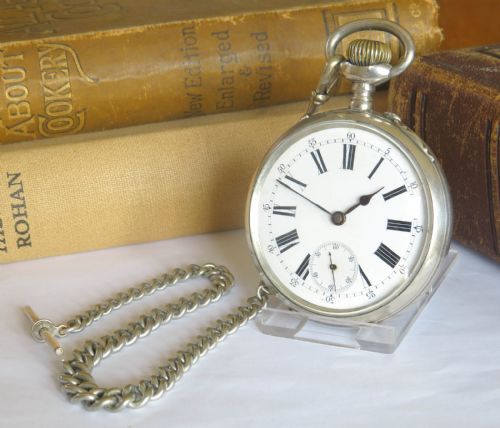
A collectible vintage watch encompasses both wristwatches and pocket watches issued across the nineteenth and twentieth centuries. Buyers search for these pieces to acquire working mechanical items with distinct historical associations.
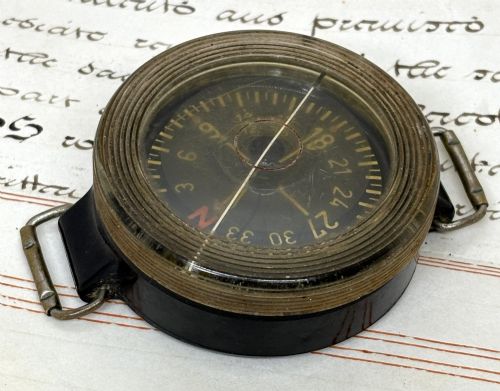
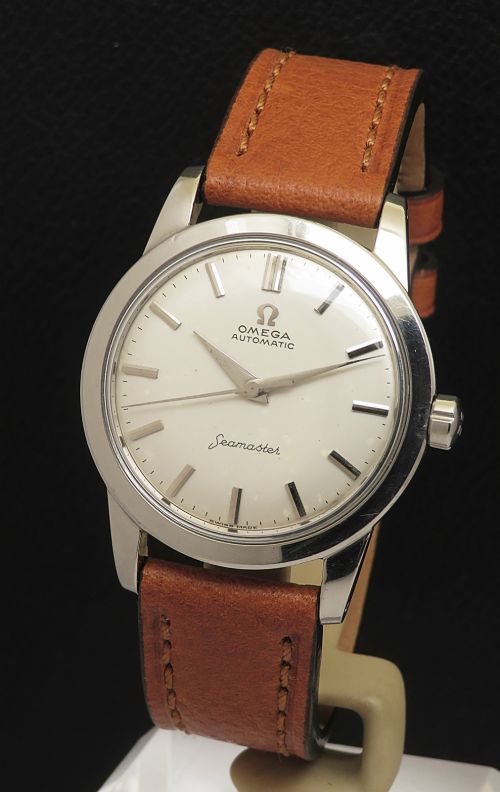
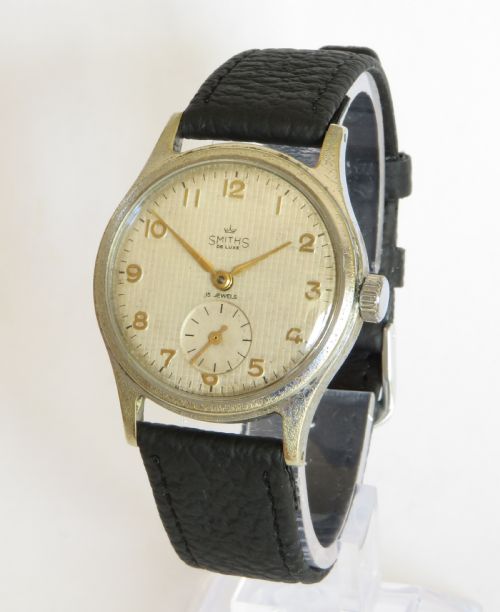
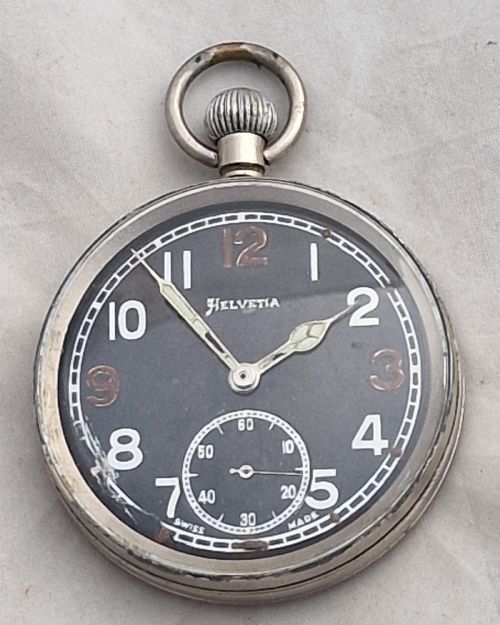
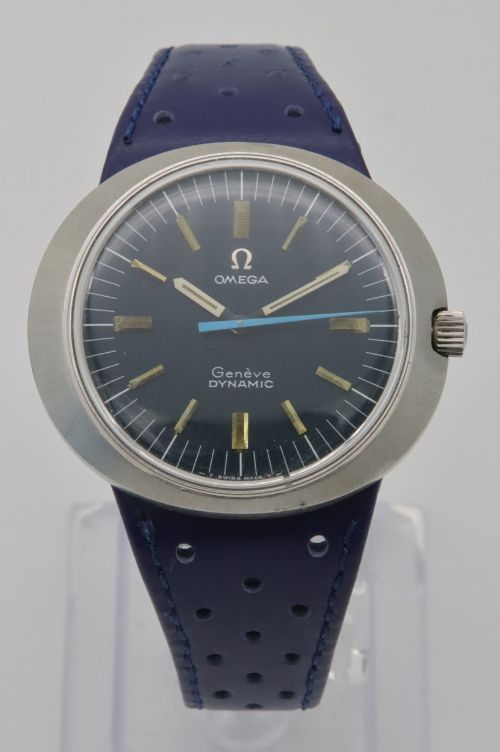
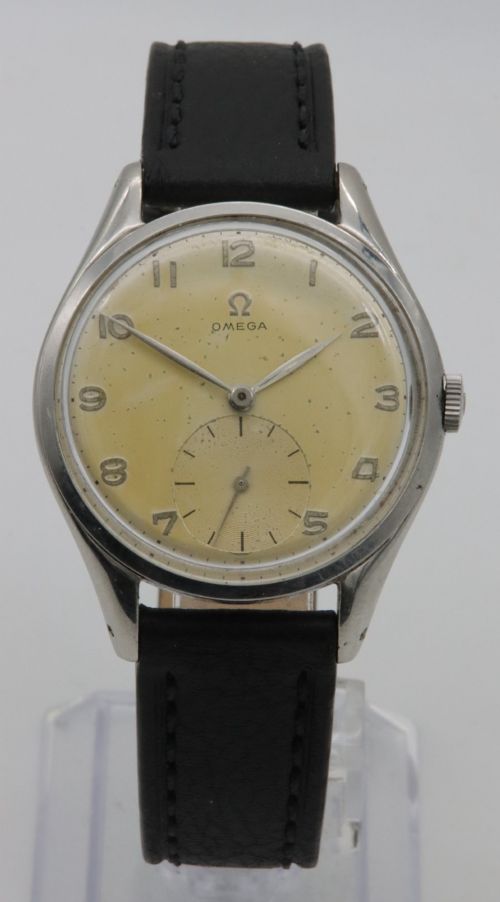
The assortment relies heavily on pocket watches and wristwatches originating from the 1930s, 1940s, and 1950s. Military issues, railway pieces, and civilian dress pieces dominate the current selection.
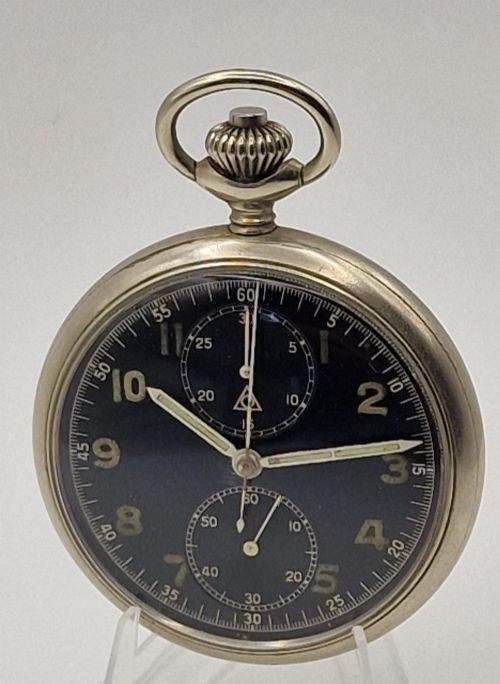
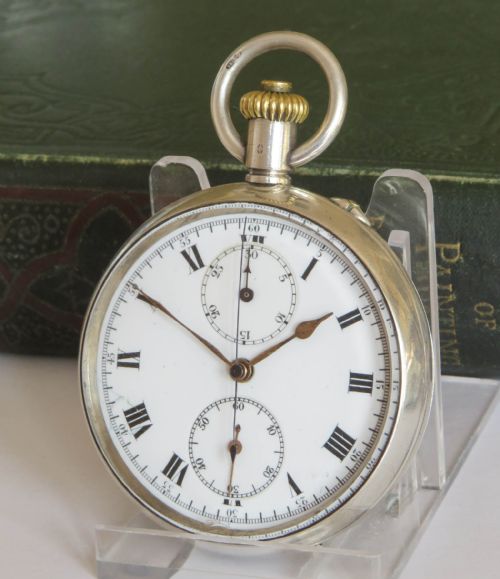
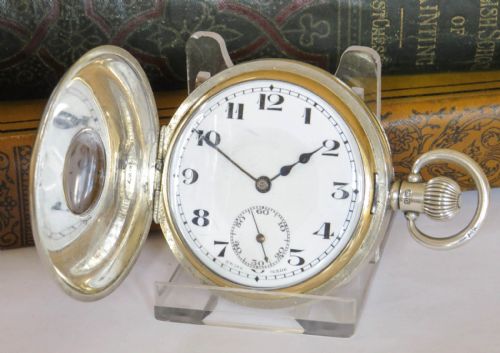
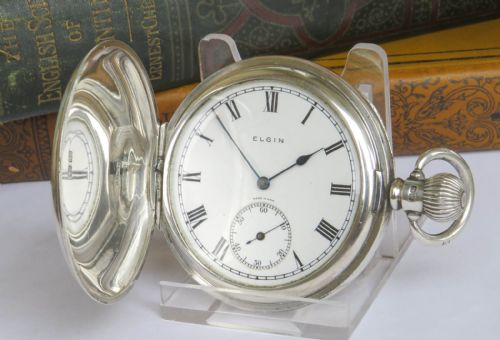
Forms extend from standard hunting cases and open-face pocket watches to specialised chronographs and military pilots' timepieces. Earlier Georgian and Victorian specimens appear alongside mid-century automatic and manual wind designs.
Materials and construction
Cases combine stainless steel, silver, gun metal, and nickel with glass crystals protecting painted or enameled dials. Leather straps and silver chains accompany the watch heads.
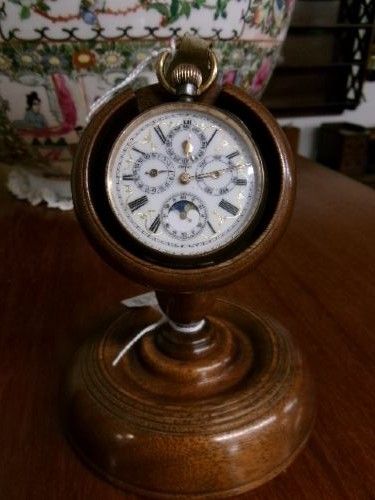
Movements rely on mechanical gear trains housed within metal cases, often featuring specialised complications like calendar moonfaces, chronographs, and triple dates.
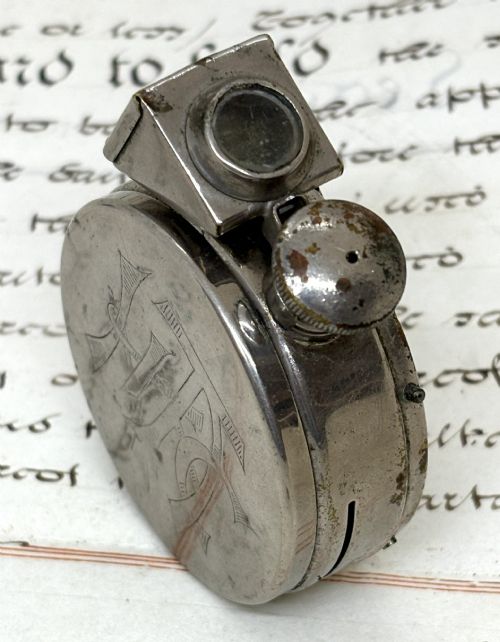
Timekeeping meets espionage in the listings, where pocket watches share space with a Ticka pocket spy camera from 1900.
Judging the pieces
Distinctions in quality depend upon the originality of components, the complexity of complications, and the historical documentation associated with military or railway service. Specialised dials, such as black 24-hour displays or painted maritime scenes, elevate particular examples.
The integrity of the case metal and the preservation of dial markings differentiate standard civilian items from scarce institutional issues.
Omega·Rolex·Longines·Cyma·Waltham·Zenith
The Collectible Vintage Watch Glossary
- Chronograph
- A watch with a stopwatch function alongside its standard timekeeping display. This mechanism uses independent sweep hands operated by pushers on the case.
- Hunter pocket watch
- A timepiece fitted with a spring-loaded metal cover that protects the glass dial. Opening mechanisms release via the crown.
- Verge escapement
- An early mechanical escapement regulating the speed of the gear train. This mechanism utilises a vertical crown wheel and pallet leaves.
- Goliath pocket watch
- An oversized pocket watch intended for travel use on desks or inside carriage compartments. These pieces measure significantly larger than standard pocket watches.
- Bumper automatic
- An early self-winding movement design where the oscillating weight swings back and forth against internal springs rather than rotating fully.
Collectible Vintage Watch: Frequently Asked Questions
How do I wind a mechanical vintage watch?
Turn the crown clockwise between your thumb and forefinger until you feel gentle resistance. Stop immediately upon meeting this tension to avoid damaging the mainspring.
Automatic models rely on wrist movement rather than manual winding, though initial hand-starting may be required if the power reserve has fully depleted.
Were military watches issued to specific branches?
Military timepieces often carry engravings or stamps identifying specific armed services, such as RAF or Luftwaffe markings. These designations verified government property and standard operational capability for personnel.
Institutional pieces like railway watches similarly display company lettering on dials or case backs to denote official service deployment.
How do I identify the production era of a watch?
Dating relies on stylistic clues, case materials, movement serial numbers, and dial typography. Victorian and Edwardian examples typically feature ornate silver or gold hunter cases with intricate engraving.
Mid-century pieces embrace stainless steel housings, cleaner dial layouts, and distinct military or aviation department markings.