


Collectible Silver Boxes
Collectible silver boxes range from Georgian snuff containers to Art Deco powder compacts, offering pocket-sized craftsmanship that rewards close inspection.
Collectible Silver Boxes
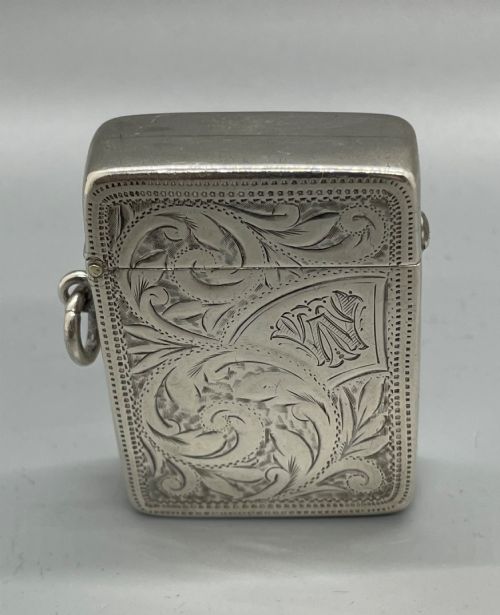
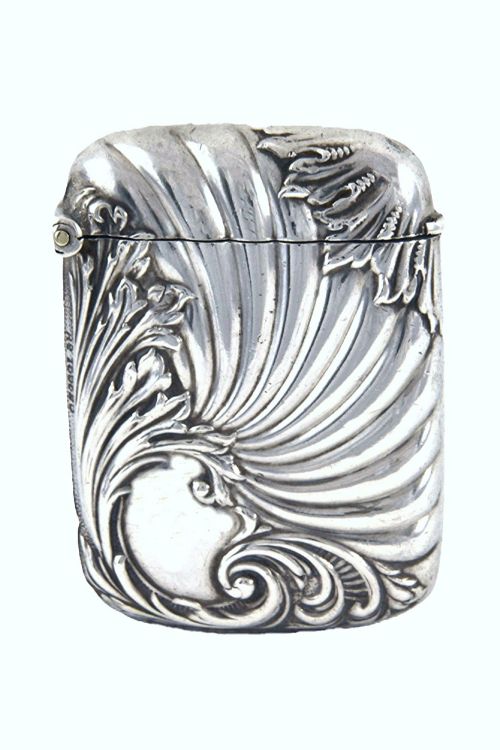
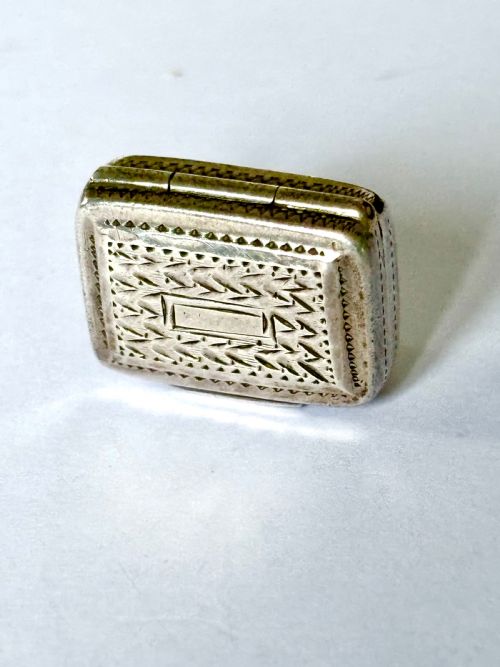
You are most likely to meet small pocket containers like vesta cases and snuff boxes carrying Birmingham or London hallmarks from the nineteenth century. These items served daily personal needs, from holding matches to carrying loose tobacco or scented sponges.
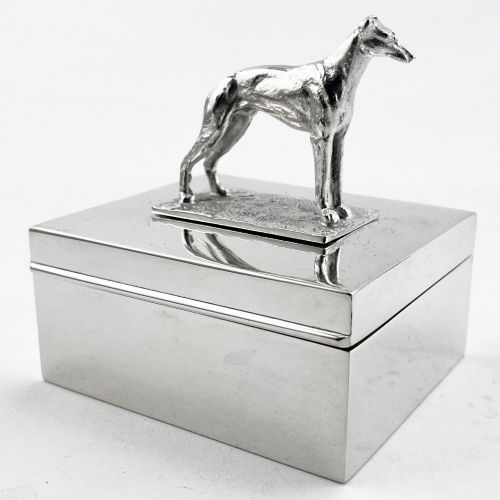
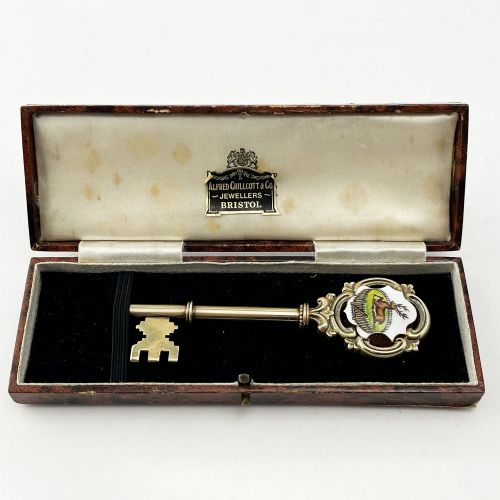
Alongside standard rectangular boxes, the listings present novelty shapes including animals, birds, and miniature goblets, plus specialist items such as stamp cases, nutmeg graters, and presentation keys.
Materials and Technique
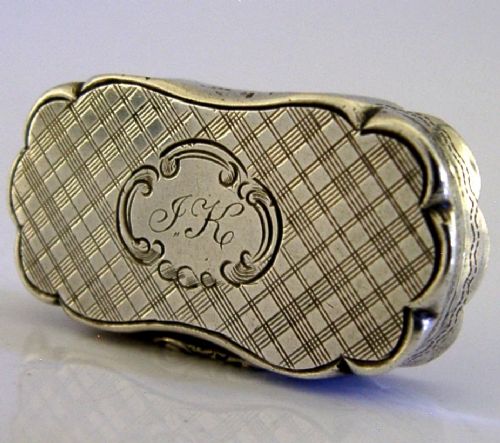
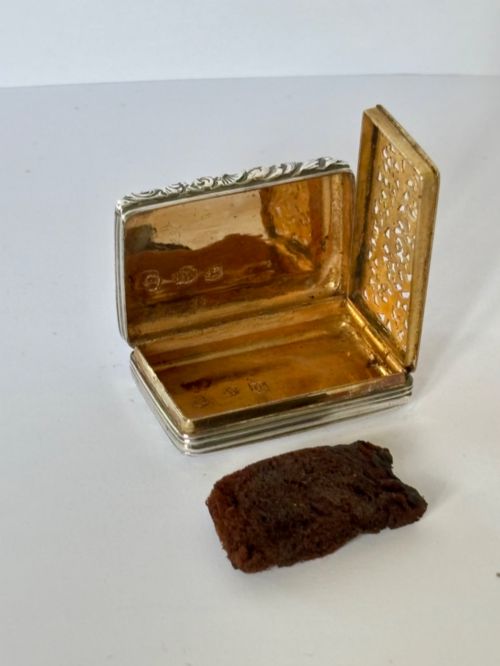
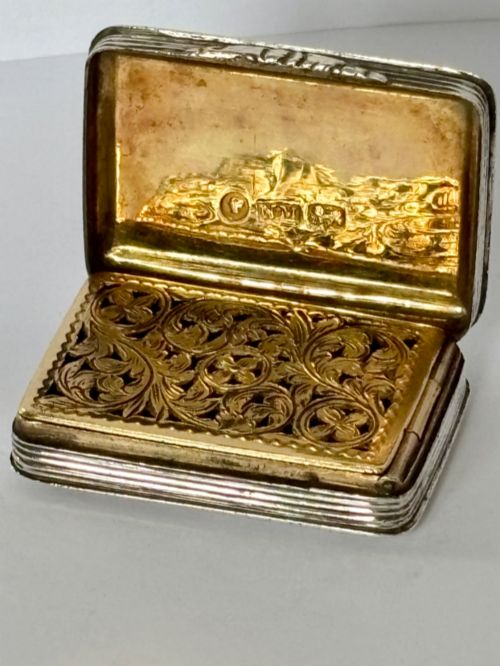
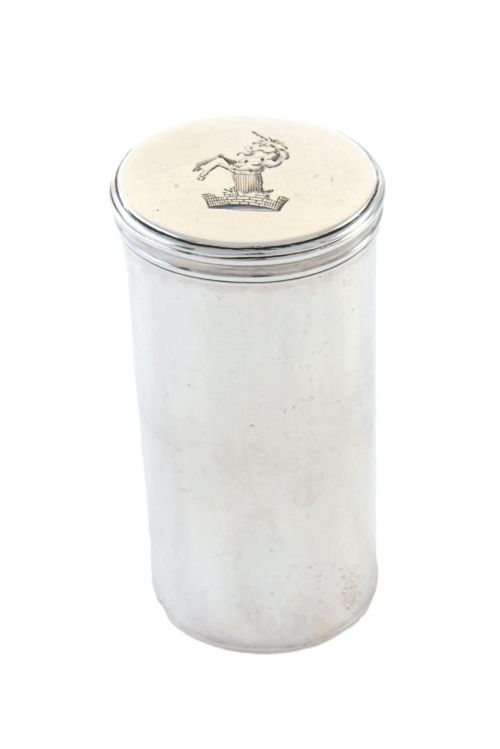
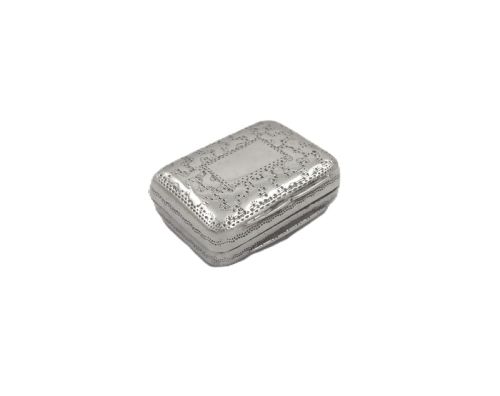
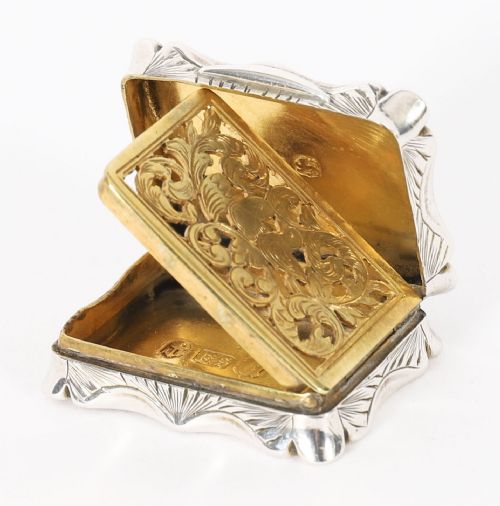
The objects are constructed primarily from sterling silver or standard silver, frequently enhanced with interior silver gilt to prevent corrosion from contents like vinegar-soaked sponges in vinaigrettes. Makers employed techniques such as embossing, chasing, and engraving to decorate the exterior surfaces with floral motifs, crests, and geometric patterns.
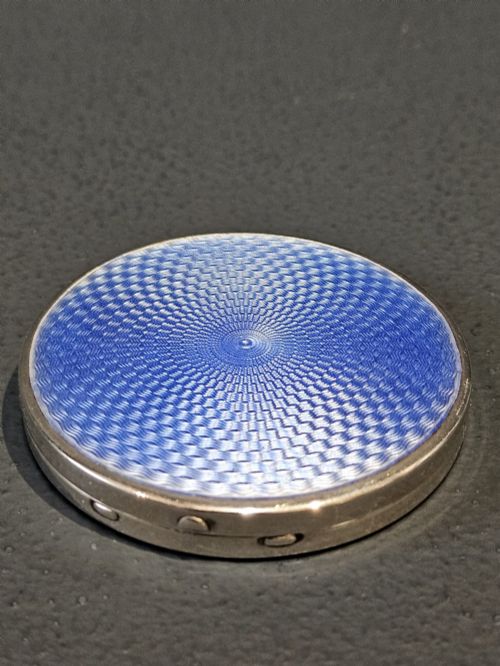
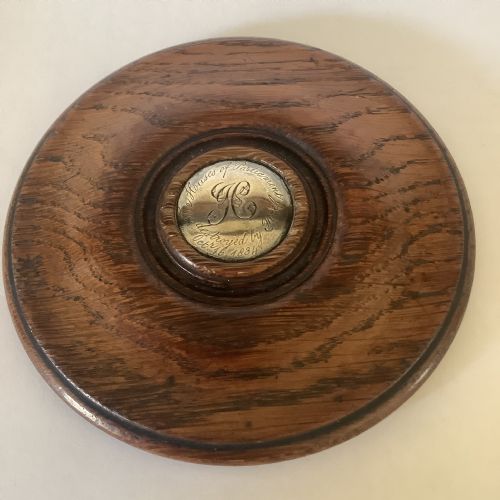
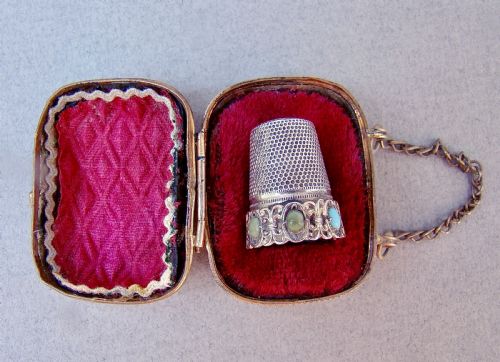
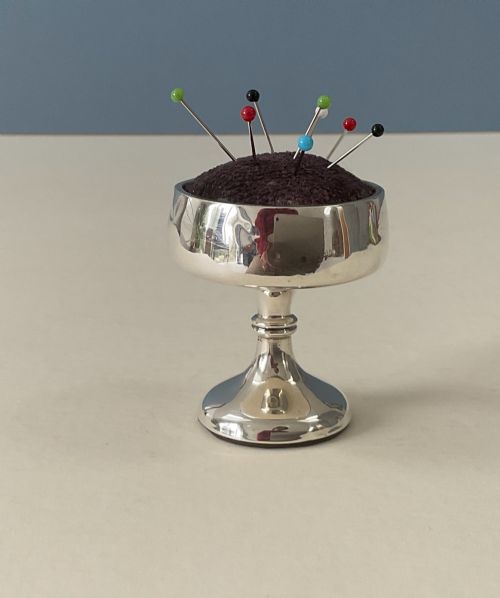
Many pieces incorporate contrasting materials, pairing silver with enamel, tortoiseshell, horn, oak, glass, leatherette, and velvet linings. Enamel work includes translucent guilloche patterns and painted figural scenes, while novelty pin cushions utilise textiles stretched over frames to hold pins securely.
Collectible Silver Boxes Retail Price Guide 2026
Typical asking prices for collectible silver boxes among the pieces listed under this phrase on Sellingantiques today, from the lower quarter to the upper quarter. They describe what is for sale here now, not the wider market.
Materials across the listings include sterling silver, silver gilt, enamel, tortoiseshell, horn, oak, and velvet.
Distinguishing Quality
Quality in these items rests on the crispness of the chasing, the precision of the hinge work, and the legibility of the hallmarks stamped into the metal. Superior pieces retain sharp relief in embossed designs and tight, flush closures on lids that prevent contents from spilling.
The inclusion of specialist internal fittings, such as finely pierced grille work inside a vinaigrette or original fitted presentation boxes, elevates a piece. Furthermore, artistic collaboration or recognizable makers distinguish standard utilitarian items from exceptional examples of silversmithing.
Henry Matthews·Edward Smith·John Bettridge·Elkington And Co·James Phipps I·Reily And Storer
The Collectible Silver Boxes Glossary
- Vinaigrette
- A small hinged box containing a pierced internal grill, designed to hold a sponge soaked in aromatic vinegar or smelling salts.
- Vesta case
- A pocket-sized container made to hold matches, typically featuring a strike panel on the base.
- Snuff box
- A small container specifically designed to hold powdered tobacco for nasal ingestion.
- Silver gilt
- Silver that has been coated with a thin layer of gold on its surface, often used on the interiors of boxes to protect against corrosive substances.
- Guilloche enamel
- Decorative enamel applied over a mechanically engraved metal background that shows through the translucent colour.
Collectible Silver Boxes: Frequently Asked Questions
What is the difference between a snuff box and a vinaigrette?
A snuff box is a simple dry container meant to hold loose snuff tobacco for daily use.
By contrast, a vinaigrette includes an internal pierced grill that covers a sponge soaked in aromatic vinegar.
How do I read silver hallmarks on these boxes?
British hallmarks typically include a maker's mark, a standard mark indicating silver purity, a town mark for the assay office, and a date letter.
These stamps allow you to identify the exact year and city of manufacture for most nineteenth-century pieces.
Were novelty pin cushions used in sewing?
Yes, novelty pin cushions in shapes such as chicks, cats, and goblets sat on dressing tables or sewing desks to hold pins and needles.
Silversmiths cast these whimsical forms to appeal to Victorian and Edwardian collectors of small decorative objects.
How should I clean antique silver boxes?
You should use a soft cloth and avoid harsh chemical dips, especially on pieces that feature enamel, tortoiseshell, or velvet linings.
Preserving the natural patina and protecting fragile interior materials maintains the historical integrity of the object.