


Collectible Porcelain Statue
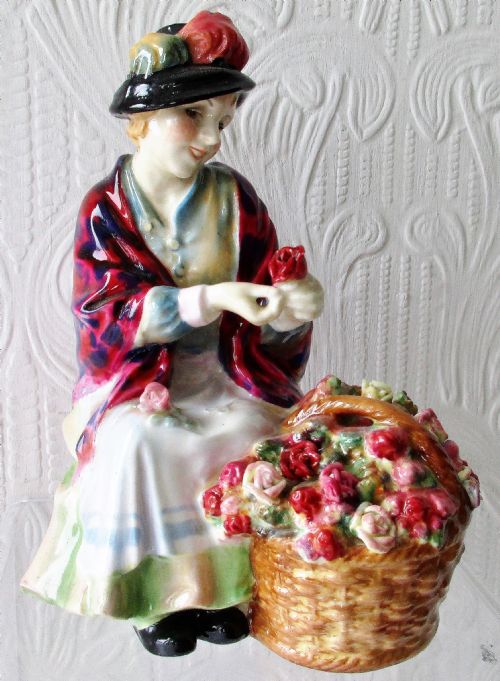
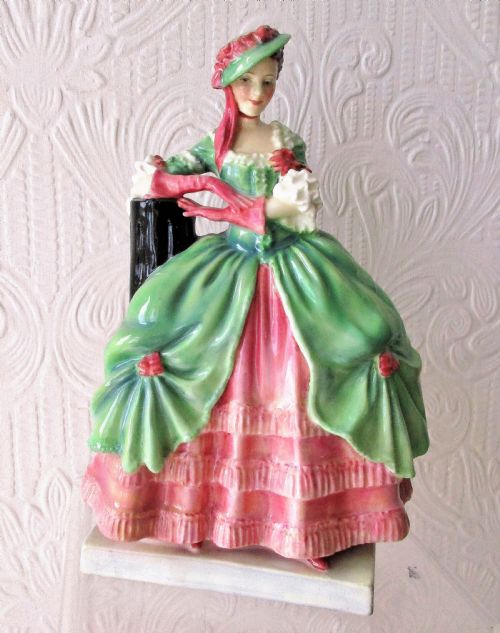
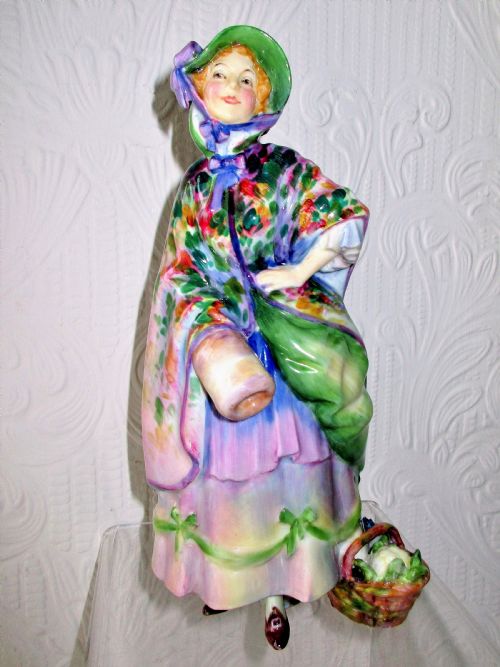
A collectible porcelain statue brings character and history into a room through finely modelled figures spanning several centuries.
Collectible Porcelain Statue
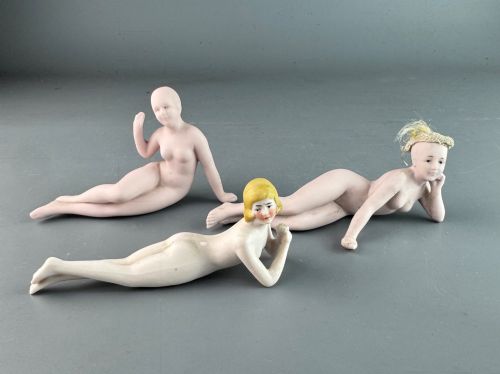
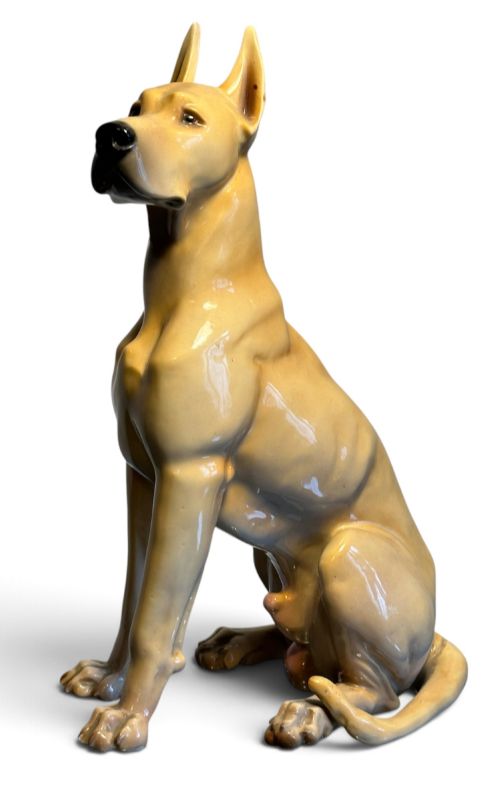
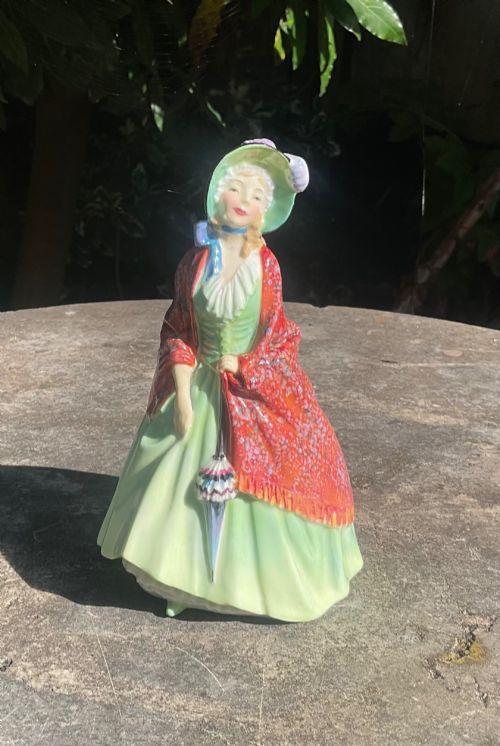
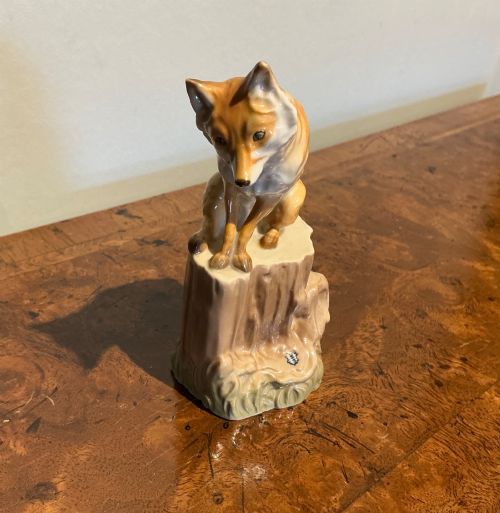
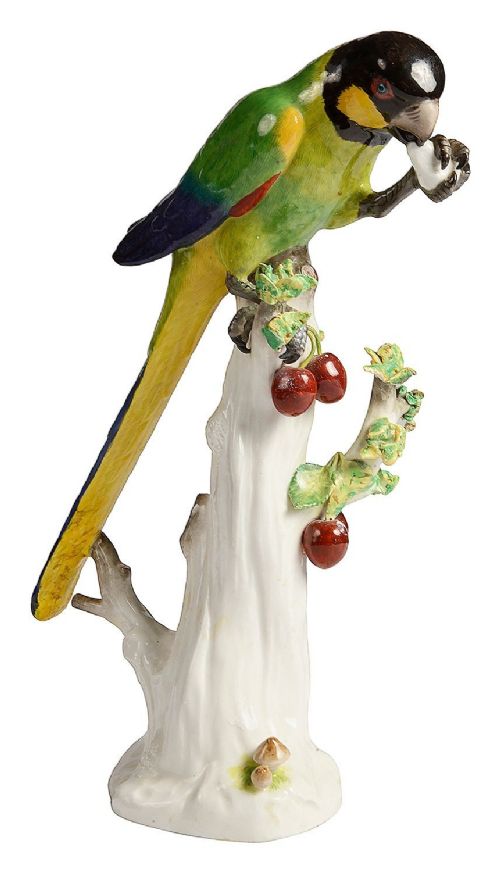
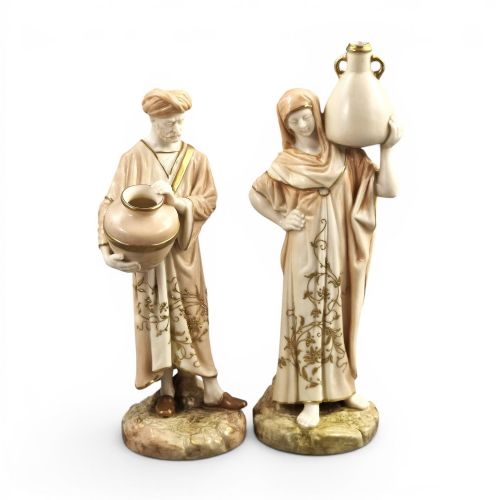
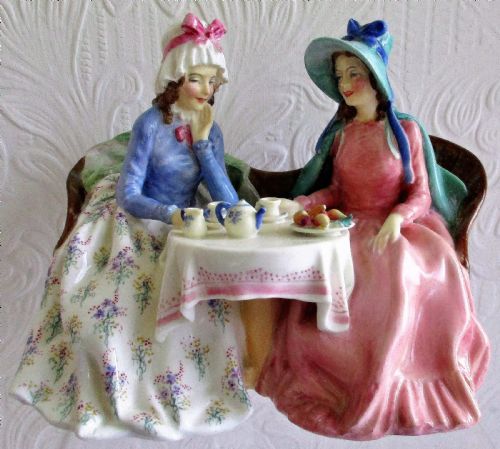
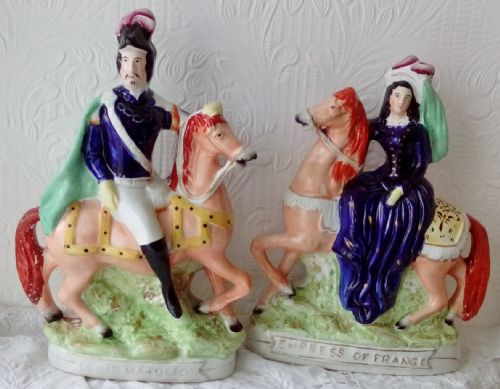
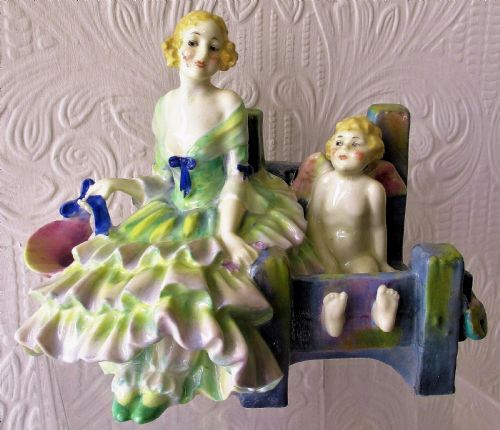
A collectible porcelain statue encompasses figures, animal models and human subjects produced across British, German and Danish factories from the eighteenth century to the mid-twentieth century. Buyers searching this phrase meet everything from early Derby models and Meissen animals to extensive series of twentieth-century English porcelain figures.
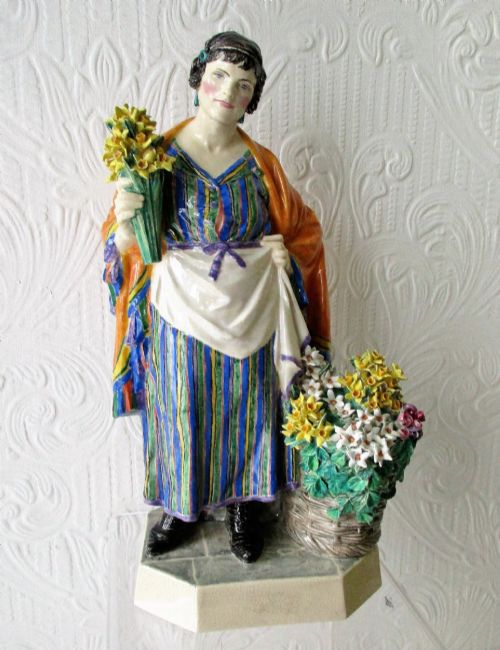
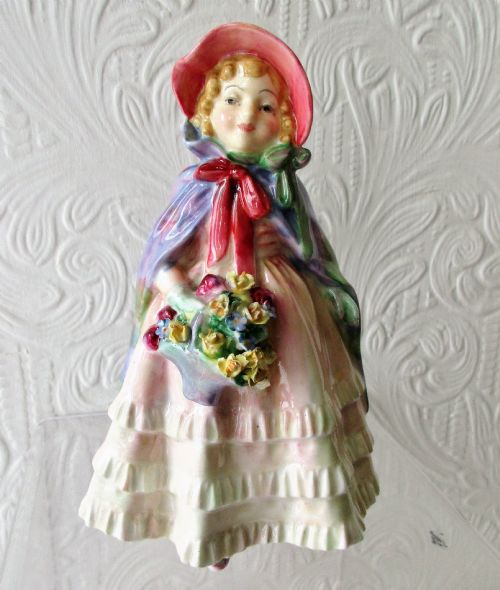
The selection ranges from neoclassical allegories and Rococo revival pairs to robust Staffordshire pottery figures and Art Deco dancers. English porcelain and bone china examples often depict named literary characters or market vendors, while continental factories focus on spirited birds, beasts and classical subjects.
How they were made
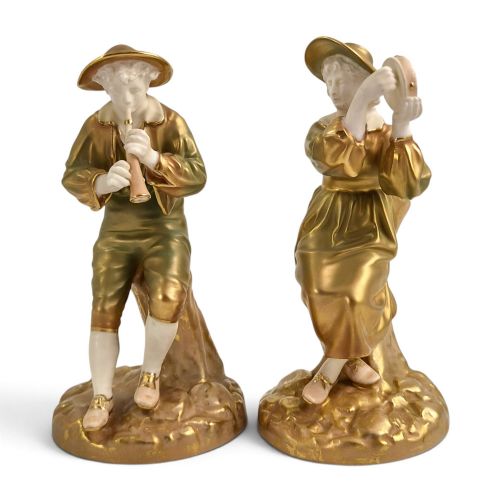
Makers shaped these pieces using hard-paste or soft-paste porcelain, bone china and earthenware, finished with applied glazes and hand-painted enamel colours. Many factories added touches of gilding and gold leaf to highlight costume details and bases.
Collectible Porcelain Statue Retail Price Guide 2026
Typical asking prices for collectible porcelain statue among the pieces listed under this phrase on Sellingantiques today, from the lower quarter to the upper quarter. They describe what is for sale here now, not the wider market.
Listings span periods from the eighteenth century to the mid-twentieth century, featuring porcelain, bone china, earthenware, and enamel materials.
What varies in quality
Quality rests upon the crispness of the modelling and the precision of the hand-painting beneath the glaze. Superior examples retain sharp facial expressions and clean limb articulation without blurring in the enamel decoration.
The distinction between standard commercial output and masterworks lies in the depth of sculptural detail and the subtlety of the colour palette. Early period pieces show distinct potting traits and hand-mixed pigments that mark them out from later production runs.
Royal Doulton·Meissen·Royal Worcester·Derby·Royal Copenhagen
The Collectible Porcelain Statue Glossary
- Biscuit
- Unglazed porcelain fired once to a porous, matte state. This finish reveals fine sculptural detail without the softening effect of a glossy glaze.
- Enamel
- Opaque glass mixture applied over the fired glaze to provide colour. Artisans paint these pigments by hand before a second low-temperature kiln firing.
- Bone china
- A hybrid porcelain developed by adding animal bone ash to the clay mixture. This composition creates a strong, slightly translucent body.
- Hard-paste
- A true porcelain made from kaolin and petuntse fired at high temperatures. It produces a dense, vitrified body that resists scratching.
- Gilding
- The application of gold leaf or gold powder to ceramic surfaces. It accents borders, garments, and bases on decorative figures.
Collectible Porcelain Statue: Frequently Asked Questions
How do I date an old porcelain figure?
Examine the base for factory marks, pattern numbers, and impressed or painted ciphers that correspond to known production periods. Stylistic cues in dress and hair also indicate whether a piece belongs to the eighteenth, nineteenth, or twentieth century.
Compare the potting technique and the composition of the clay body with documented examples from specific makers. Unmarked pieces require careful comparison of modelling style and glaze characteristics.
Where should I display my figures?
Place porcelain figures in enclosed cabinets away from direct sunlight to protect the enamel colours and delicate protruding parts. Stable shelving prevents accidental knocks to fragile items with high centres of gravity.
Keep them out of high-moisture environments like kitchens to protect any exposed earthenware bodies or vintage gilding from deterioration.
How do I clean antique porcelain?
Dust figures gently with a soft, dry artist's brush to remove surface particles without snagging fragile details like lace or fingers. Avoid harsh cleaning agents or abrasive cloths that can damage hand-painted enamel work.
Wash with lukewarm water and mild soap only when strictly necessary, ensuring the piece dries completely before returning it to display.
What is the difference between porcelain and pottery?
Porcelain is a vitrified ceramic fired at high temperatures until the body becomes non-porous and translucent. Pottery uses coarser earthen clays that remain opaque and porous unless heavily glazed.
Figures described as pottery or earthenware often feel heavier and thicker in the section than delicate porcelain alternatives.