



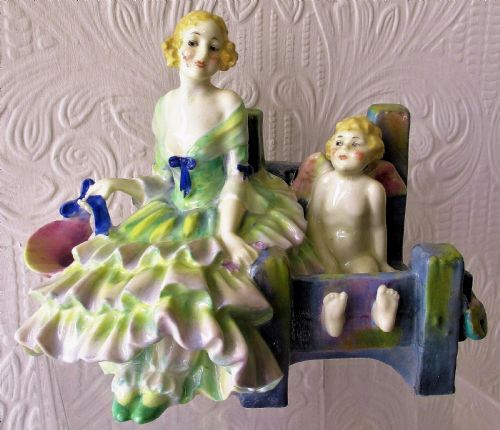

Collectible Porcelain Ornament
When you search for a collectible porcelain ornament, you meet small figures and groups cast in clay, glazed, and painted to catch the eye on a mantelpiece.
Collectible Porcelain Ornament
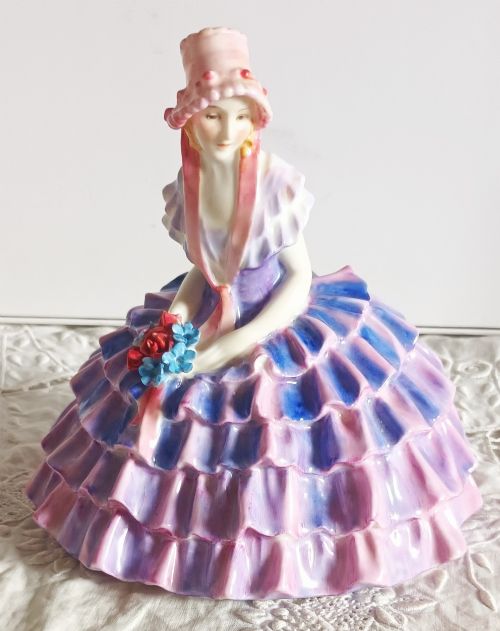
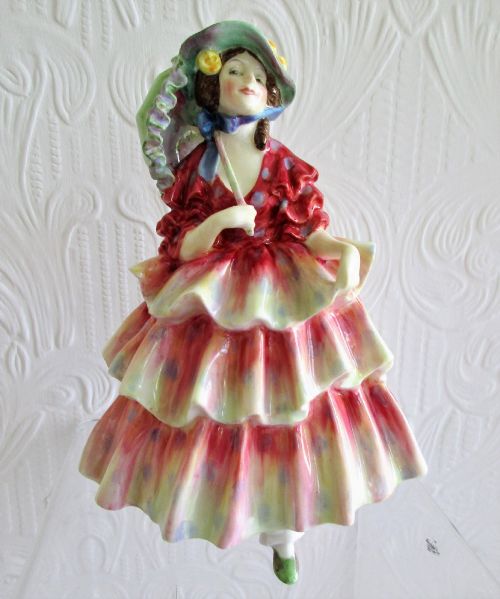
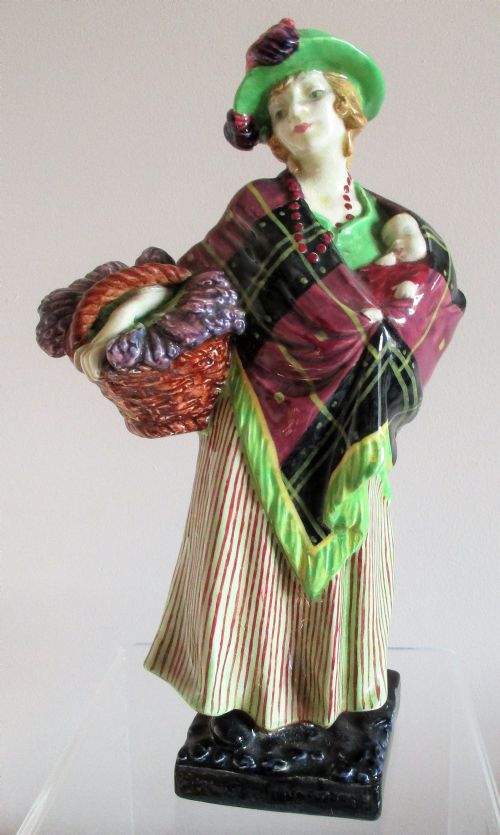
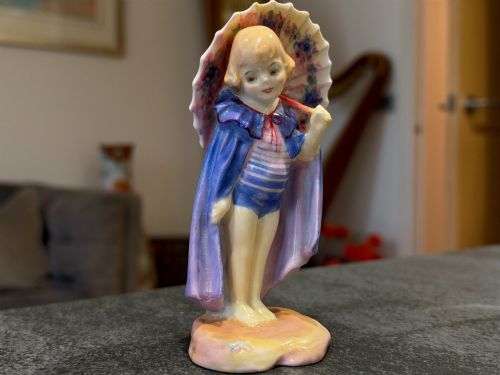
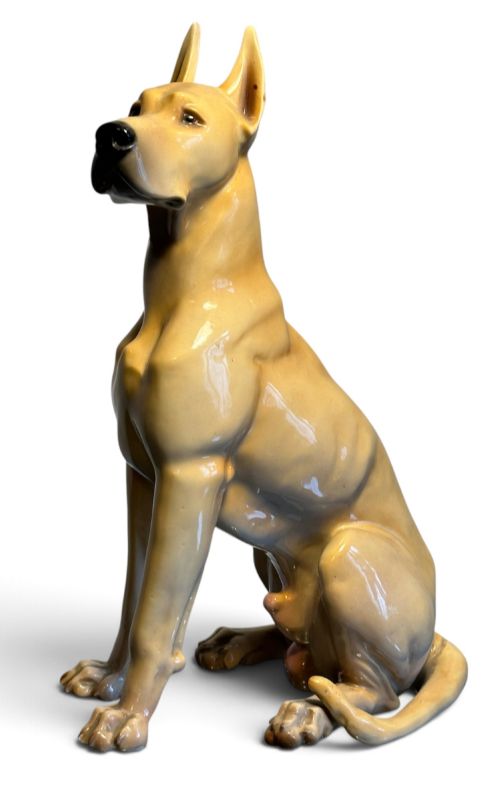
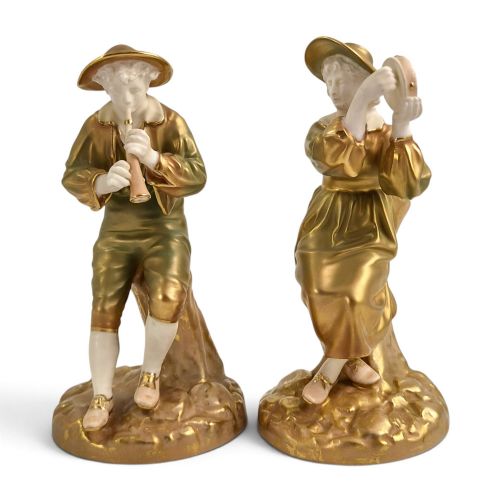
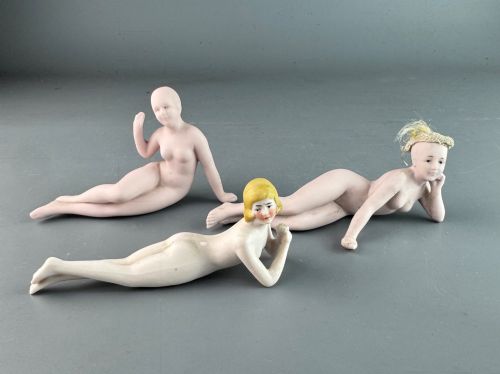
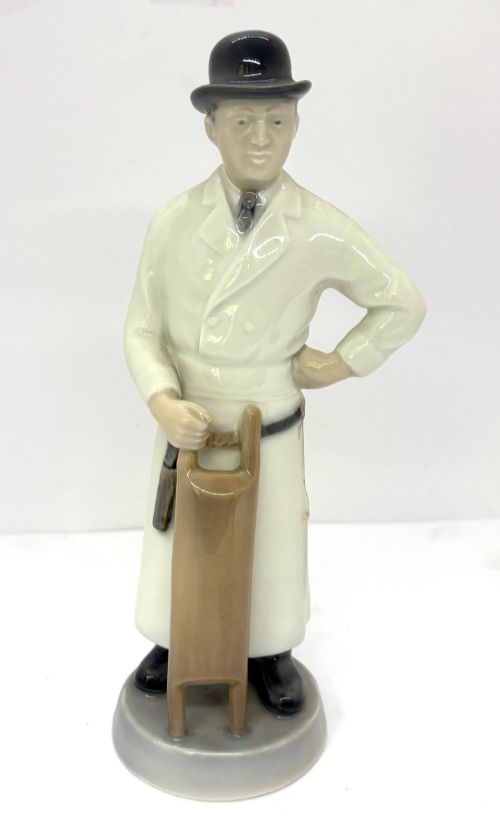
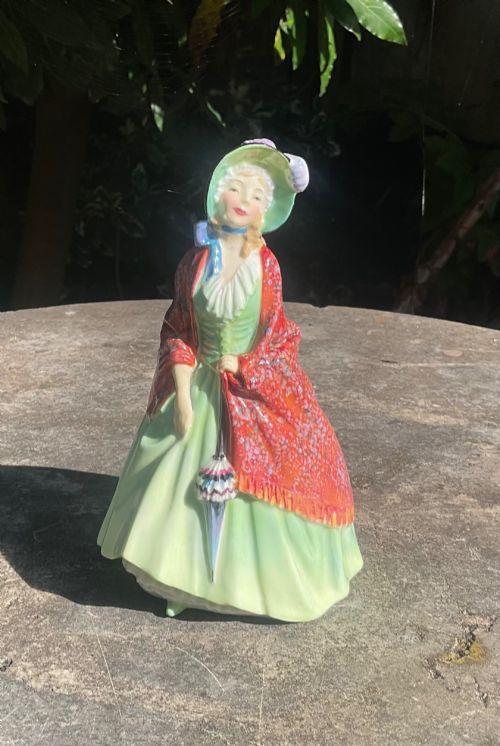
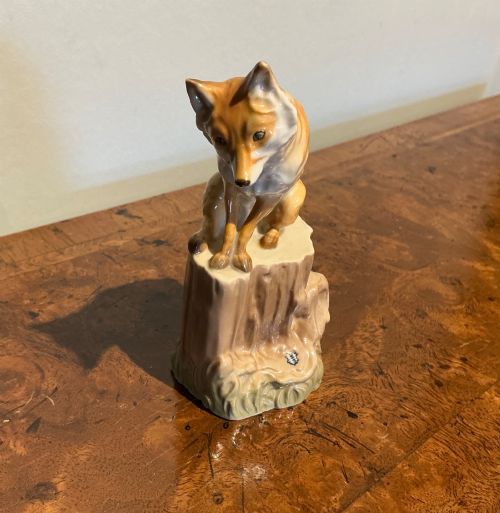
A collectible porcelain ornament encompasses freestanding figures, animal models, and decorative statuettes produced across several centuries by European potteries. These pieces take the form of human characters from everyday life, historical scenes, allegorical subjects, and birds or beasts.
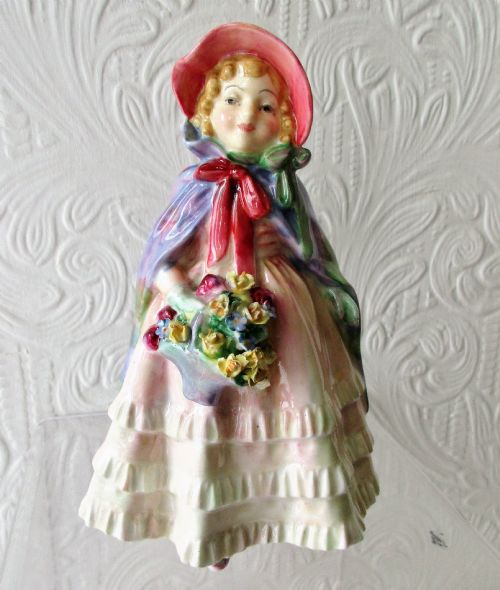
The version most commonly met on this page is the glazed figurine from the twentieth century, particularly works originating from English and continental European factories. Buyers encounter characters modelled with distinct clothing and poses, alongside candle snuffers and pastille burners shaped as cottages.
The selection extends from eighteenth-century Georgian models through Victorian representations to Art Deco dancer studies and Edwardian children. Each period brings its own palette and modelling style to the ornament category, charting changes in interior taste over generations.
Materials and production
After the initial shaping and firing of the clay, makers applied enamel colours by hand, requiring subsequent kiln firings to fuse the pigments into the glaze. The finish ranges from a high gloss to the soft texture found on blush ivory pieces.
Collectible Porcelain Ornament Retail Price Guide 2026
Typical asking prices for collectible porcelain ornament among the pieces listed under this phrase on Sellingantiques today, from the lower quarter to the upper quarter. They describe what is for sale here now, not the wider market.
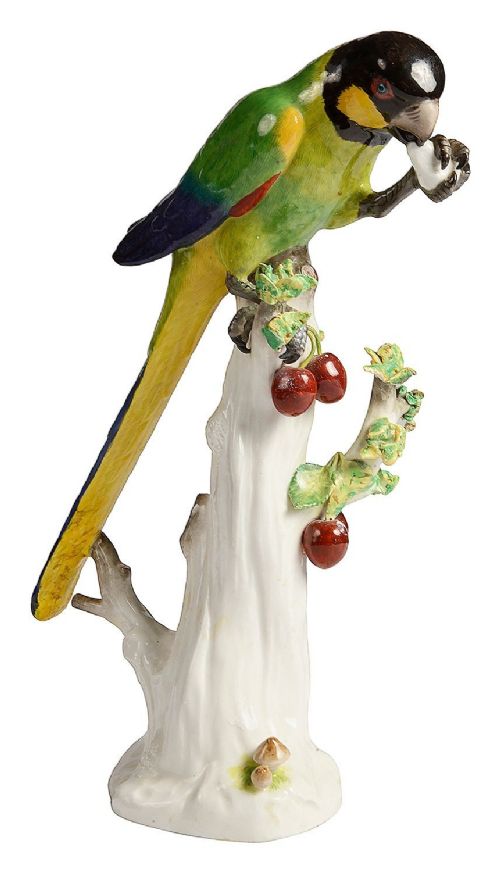
Meissen once modelled a parrot perched so convincingly on a tree trunk that visiting cats reportedly tried to converse with it.
Measures of quality
The standard of a collectible porcelain ornament rests upon the crispness of the modelling and the precision of the hand-painting. Superior examples retain fine facial expressions, delicate fingers, and sharp details in lace and hair without blurring in the glaze.
Artistic authorship and factory reputation govern the upper tier of the range, where renowned modellers and established porcelain houses executed complex multi-figure groups. Early castings demonstrate greater depth in relief and more subtle enamel work than later mass-produced iterations.
Royal Copenhagen·Royal Doulton·Nymphenburg·Meissen·Royal Worcester·Derby·Royal Dux·Samson
The Collectible Porcelain Ornament Glossary
- Hard-paste porcelain
- A dense, vitrified ceramic composition fired at very high temperatures. It is durable and often shows a bright, glassy surface beneath the glaze.
- Enamel
- Opaque glass-based colour applied over or under the glaze to decorate ceramic surfaces. It provides the vibrant reds, blues, and yellows seen on historical figures.
- Pastille burner
- A small ceramic vessel designed to diffuse scented smoke through openings in its roof or body. They often took the form of miniature cottages or rustic buildings.
- Bone china
- A type of soft-paste porcelain containing bone ash, known for its milky appearance and high strength. It became a staple material for twentieth-century English figurines.
- Candle snuffer
- A functional decorative tool featuring a hollow cone or figure mounted on a handle. They were used to extinguish candle flames safely while sitting on a dressing table.
Collectible Porcelain Ornament: Frequently Asked Questions
What is a porcelain figurine?
A porcelain figurine is a small three-dimensional sculptural object modelled from clay and fired into ceramic. These pieces represent human figures, animals, or allegorical scenes designed purely for display.
They reflect the aesthetic standards and social history of the era in which they were manufactured, serving as decorative items for domestic interiors.
How were antique figures used?
Historical figures and decorative statuettes were placed on mantelpieces, sideboards, and drawing-room tables to display the refined taste of the household. Some specific forms, such as pastille burners, served a practical purpose by releasing scented vapours into a room.
Over time, their function shifted from interactive domestic objects to static collectibles preserved for their artistic and historical merit.
How do I date an antique ornament?
Dating relies on identifying factory marks, impressed numbers, and painted signatures found on the base of the piece. Stylistic clues such as costume details, glazing techniques, and the colour palette also point towards specific manufacturing periods like the Georgian or Edwardian eras.
Comparing the modelling style to documented works from known designers helps narrow the decade of production.