


Collectible English China
When you search for collectible english china, you find cabinet plates, painted fruit ware and figures made across the nineteenth and twentieth centuries.
Collectible English China
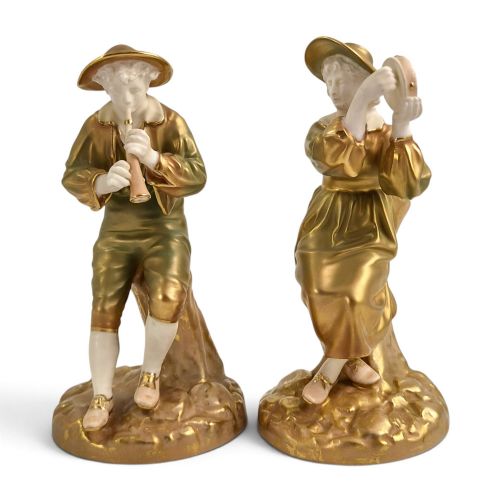
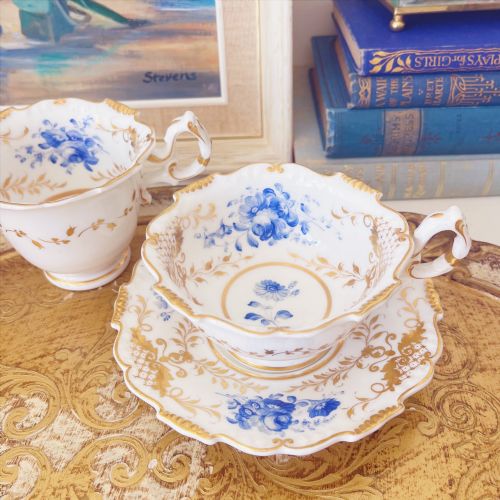
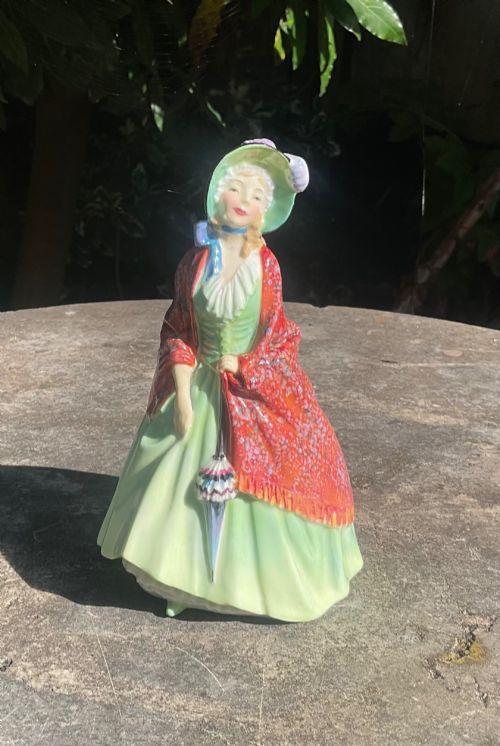
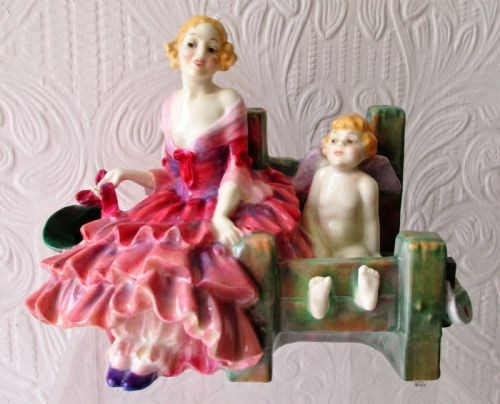
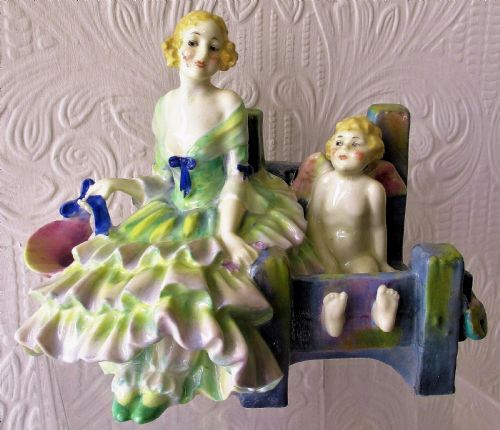
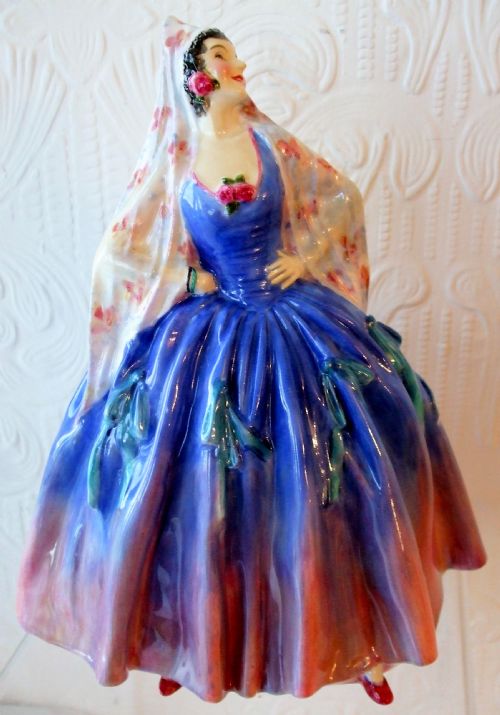
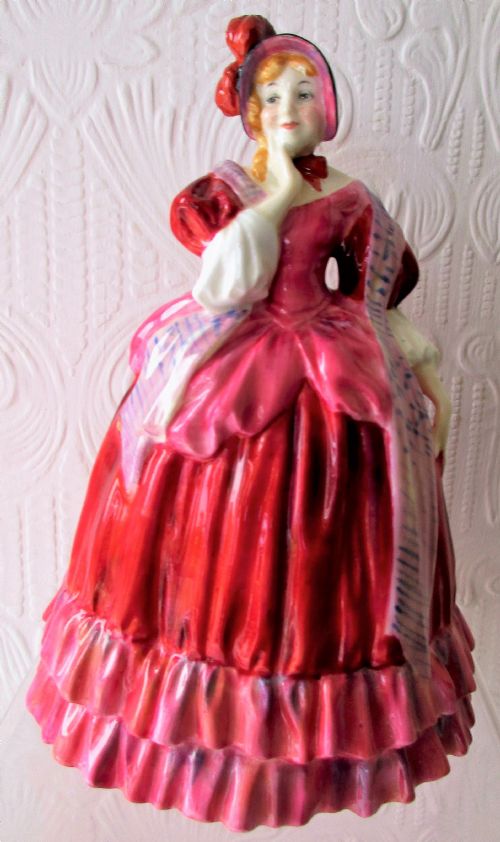
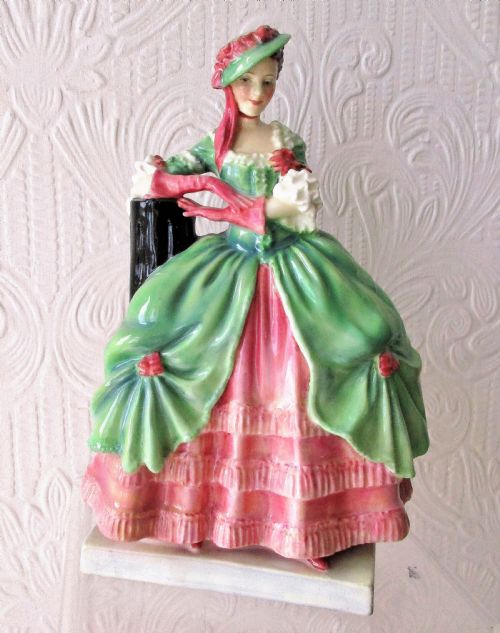
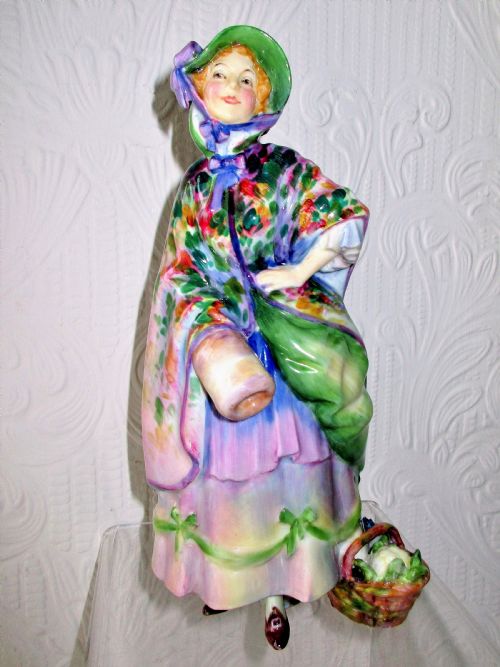
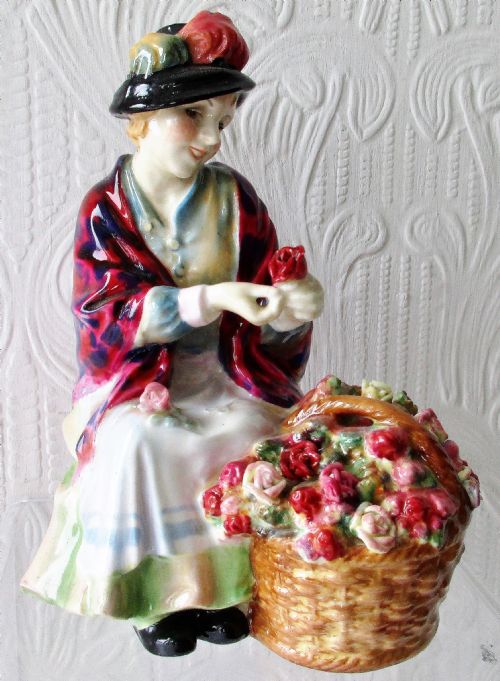
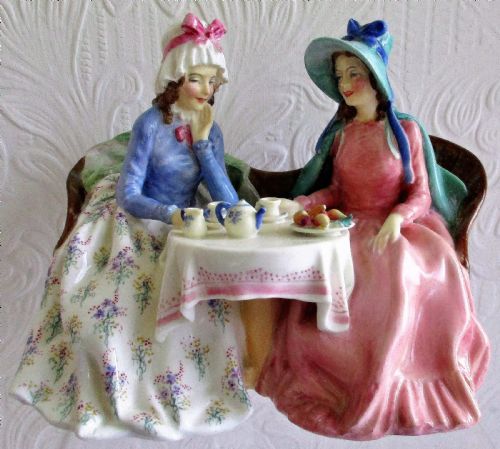
Collectible english china encompasses diverse forms spanning from the eighteenth century to the middle decades of the twentieth century. Buyers seeking collectible english china encounter cabinet plates, decorative bowls, teacups, and hand-painted porcelain figures.
Traditional English styles dominate the assortment, with Victorian and Art Deco periods well represented alongside Georgian and Edwardian examples. Functional tea wares share space with purely decorative cabinet pieces and vases.
Materials and Techniques
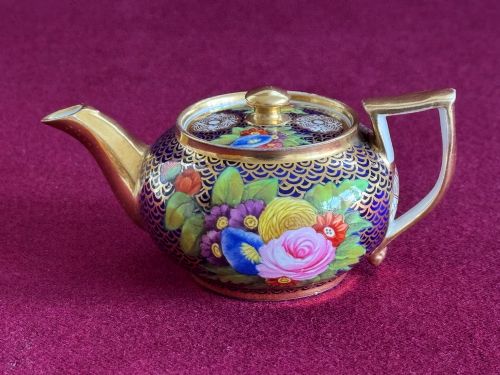
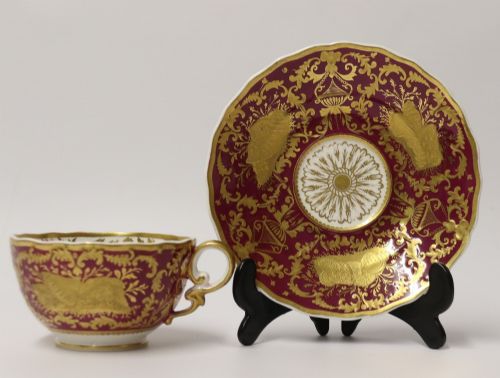
Items are formed from porcelain and bone china, decorated with hand-painted motifs and rich enamel colours. Glazed porcelain surfaces frequently incorporate gold leaf and gilt details applied by skilled artists.
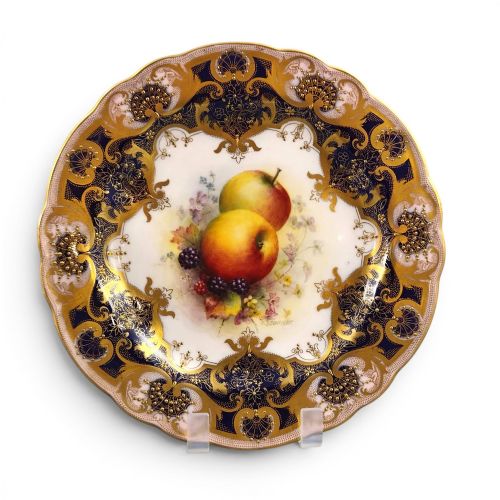
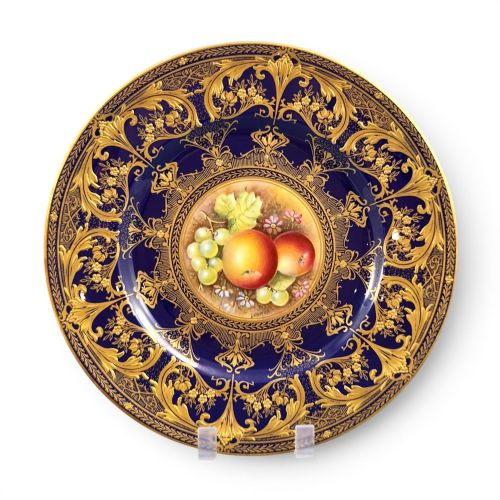
Makers utilised precise handpainting techniques, particularly visible in fruit studies by painters such as Richard Sebright and Thomas Steele. Gilding and enamel work were fired onto the ceramic body to achieve permanent brilliance.
Collectible English China Retail Price Guide 2026
Typical asking prices for collectible english china among the pieces listed under this phrase on Sellingantiques today, from the lower quarter to the upper quarter. They describe what is for sale here now, not the wider market.
A ceramic fox wearing a hunting stock serves as a candle snuffer, ready to extinguish flames with rural dignity.
Assessing Quality
Quality rests upon the skill of the hand-painting and the crispness of the porcelain moulding. Detailed artist-signed fruit studies and finely modelled figurines occupy the highest tier of the range.
The precision of the gilding and the complexity of patterns like lustre glazes distinguish superior examples from standard production pieces. Preservation of original enamels and absence of restoration maintain the standing of finer items.
Spode·Royal Doulton·Royal Worcester·Wedgwood·Minton·Coalport·Flight Barr And Barr
The Collectible English China Glossary
- Cabinet plate
- A decorative plate intended for display in a cabinet rather than for dining use. These often feature elaborate hand-painted scenes such as fruit or florals.
- Bone china
- A type of soft-paste porcelain containing bone ash, developed in England to achieve a bright white body with high strength.
- Lustre ware
- Pottery or porcelain decorated with a metallic glaze that produces an iridescent, mother-of-pearl sheen. This technique was notably mastered by Wedgwood.
- Gilt
- A thin layer of gold applied to the surface of the ceramic for decorative embellishment. It highlights rims, handles, and painted borders.
- Figurine
- A small modelled statuette representing a human or animal figure. English examples frequently depict literary characters or traditional rural scenes.
Collectible English China: Frequently Asked Questions
How do I identify porcelain from bone china?
Porcelain is traditionally a hard-paste ceramic fired at very high temperatures, whereas bone china incorporates calcined cattle bone into the clay body. This inclusion gives bone china a distinct milky translucency when held to the light.
English factories adopted bone china widely for its strength and brilliant white surface, which provided an ideal ground for delicate hand-painted decoration and gilding.
Are cabinet plates meant for food use?
Cabinet plates are created purely for display and visual appreciation within a cabinet or on a wall. Their elaborate hand-painted centres and generous gold leaf borders are vulnerable to cutlery marks and harsh detergents.
Using them for dining risks damaging fragile enamel work and valuable gilt edges that have survived intact for over a century.
How should I clean antique china?
Antique ceramics require gentle maintenance using lukewarm water and a mild, non-abrasive soap. Submerging items for long periods or using modern dishwashers can strip delicate hand-painted enamels and gold leaf.
Dry each piece thoroughly with a soft cloth immediately after washing to prevent water spots on the glazed porcelain surface.