


Collectible Art Pottery
When you collect collectible art pottery, you are choosing vibrant ceramics shaped by notable designers across the nineteenth and twentieth centuries.
Collectible Art Pottery
Collectible art pottery encompasses a wide array of decorative objects designed to display artistic expression rather than mere utility. Buyers look for expressive forms such as vases, bowls, figurines, and table lamps that reflect the distinctive aesthetic movements of their time.
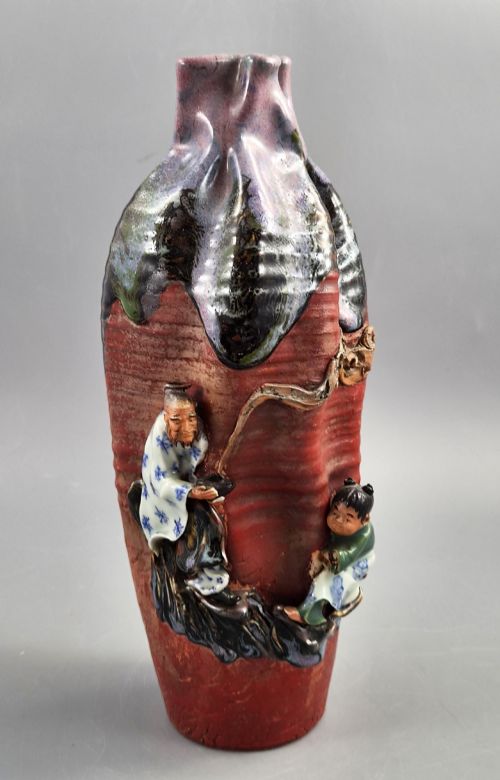
The pieces on this page span from the nineteenth century through the 1940s, capturing shifts in taste from Victorian and Meiji period works to Arts and Crafts, Art Nouveau, and Art Deco designs. Earthenware and stoneware vessels sit alongside delicate porcelain figures and painted bowls.
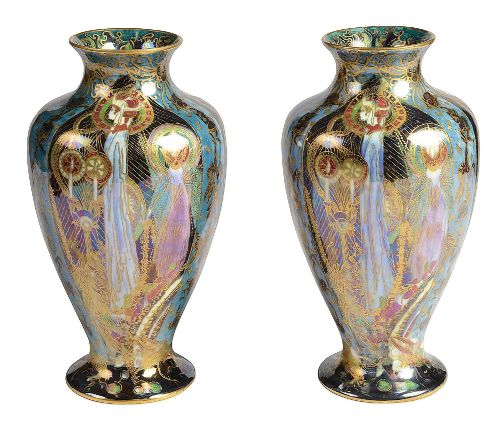
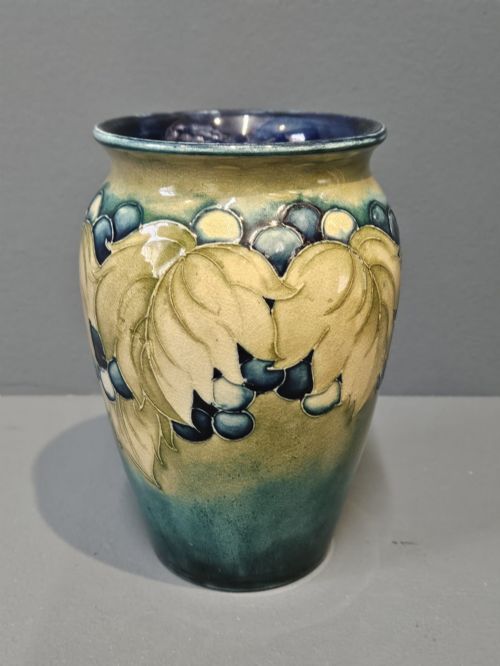
Moorcroft and Wedgwood pieces feature prominently, alongside studio pottery figurines and continental ceramics. Whether you seek a bold lustre bowl or a hand-painted floral vase, these objects offer a direct connection to historical ceramic artistry.
Materials and production methods
Potters utilised earthenware, stoneware, and porcelain as the foundational bodies for their creations, shaping them on the wheel or casting them in moulds. Surface textures depend heavily on the clay body chosen, ranging from dense stoneware to porous earthenware.
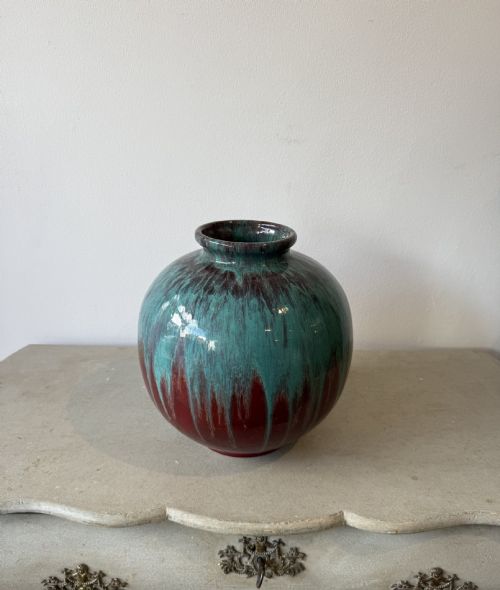
Glazes define the tactile and visual character of these objects, incorporating enamel and gold leaf for rich surface decoration. Techniques like salt glazing, flambé effects, and lustring require precise kiln firing to achieve their characteristic depths of colour.
A porcelain figure sits ready to fish, proving that even early twentieth-century ceramicists enjoyed a quiet afternoon by the water.
Distinctions in craftsmanship
Quality in these ceramics rests upon the execution of the design and the ambition of the glaze work. Pieces that display complex hand-painted motifs or challenging glaze reactions demonstrate a higher level of technical mastery by the maker.
The clarity of factory stamps, signatures, and painted monograms also separates standard production items from masterworks. Stronger pieces retain crisp details in modelled figures and vibrant, unclouded lustre finishes across the surface.
Wedgwood·Moorcroft·Charles Vyse·Royal Doulton·Rozenburg·Roger Guerin
The Collectible Art Pottery Glossary
- Earthenware
- Porous pottery fired at lower temperatures, typically requiring a glaze to become impermeable. It forms the base for many traditional figures and decorative bowls.
- Lustre
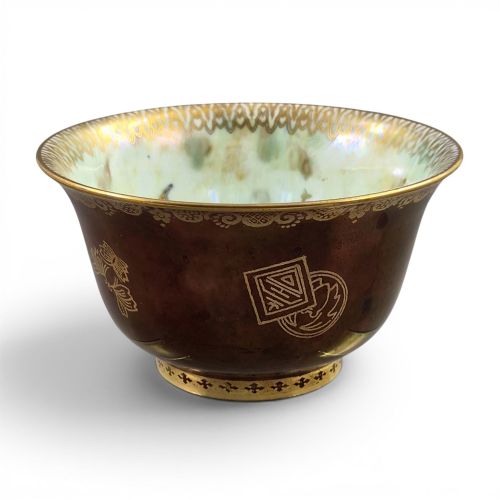
- A metallic glaze technique that produces an iridescent, reflective surface sheen. Wedgwood utilised this method extensively on decorative bowls and vases.
- Stoneware
- A dense, vitrified ceramic fired at high temperatures until non-porous. Salt-glazed examples show a characteristic pitted texture resembling orange peel.
- Flambé
- A mottled or streaked glaze effect achieved through unpredictable kiln atmospheres. It creates dramatic, unpredictable colour transitions on the ceramic body.
- Baluster
- A vase shape with a rounded lower body that tapers upward into a narrow neck. This form is common in traditional porcelain and earthenware vessels.
Collectible Art Pottery: Frequently Asked Questions
How do I display these ceramics safely?
Place your pieces away from direct sunlight to protect delicate enamels and gold leaf details from fading over time. Ensure they sit on stable, level surfaces where heavy foot traffic or vibrations will not cause accidental tipping.
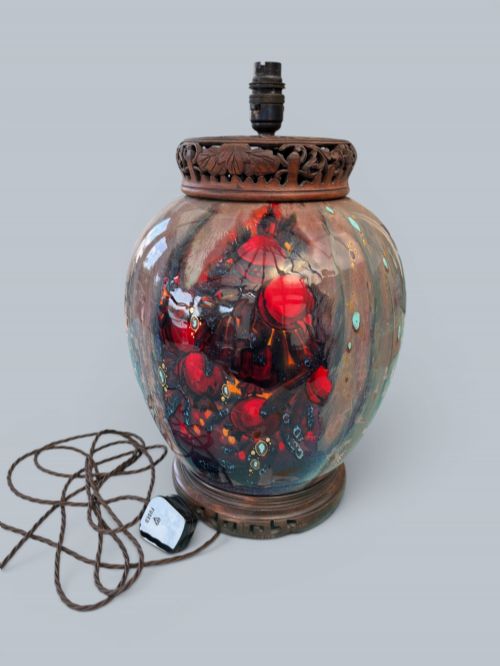
For taller items like baluster vases or table lamps, check that the centre of gravity remains secure. Keep them clear of damp areas to prevent moisture from affecting unglazed ceramic bases.
How can I identify a lustre glaze?
Lustre glazes exhibit a distinct metallic sheen that catches the light with rainbow or iridescent reflections. They often appear on specialised bowls and vases, creating a luminous surface effect.
Makers achieved this finish by applying metallic salts during a specialised stage of kiln firing. The resulting surface requires gentle dusting rather than washing to preserve the delicate metallic layer.
Are studio pottery figurines different from factory pieces?
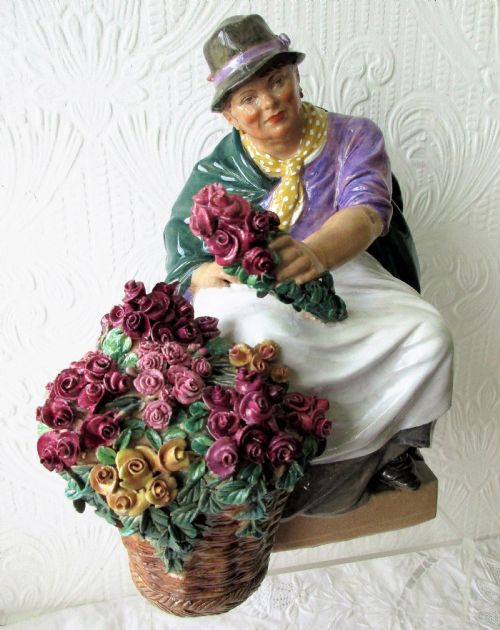
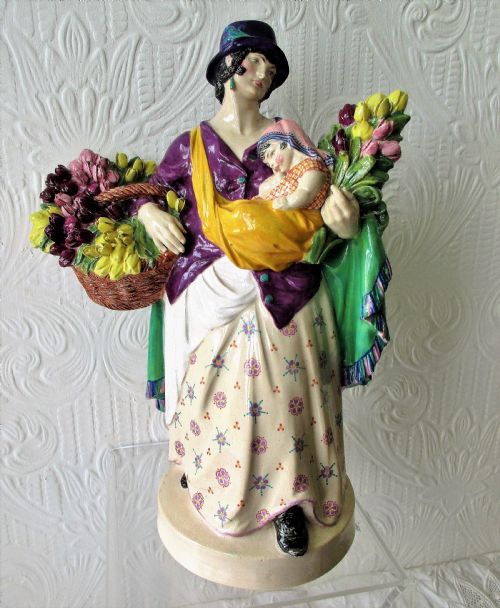
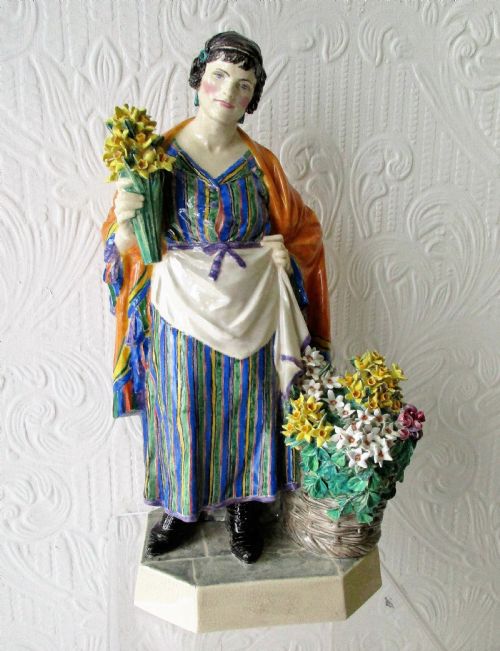
Studio pottery figurines are typically modelled and decorated by individual artists working independently or in small workshops, such as Charles Vyse. These pieces often feature hand-modelled details and unique painted colourways.
Factory pieces involve larger production teams where different workers handle moulding, glazing, and painting stages. Both categories offer distinct insights into the ceramic design trends of the twentieth century.