

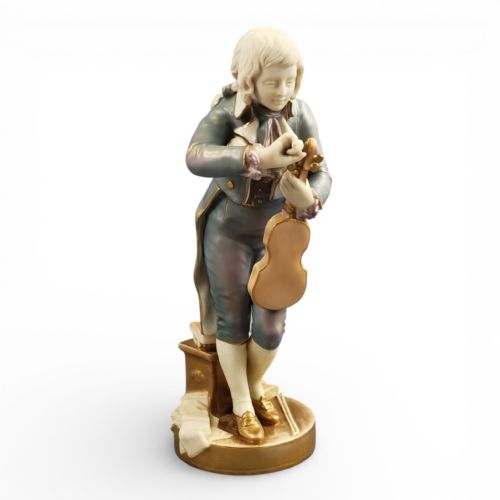


Collectable Worcester Porcelain
Collectable worcester porcelain encompasses painted cabinet plates, detailed figurines, and delicate vases spanning from the Georgian era through the twentieth century.
Collectable Worcester Porcelain
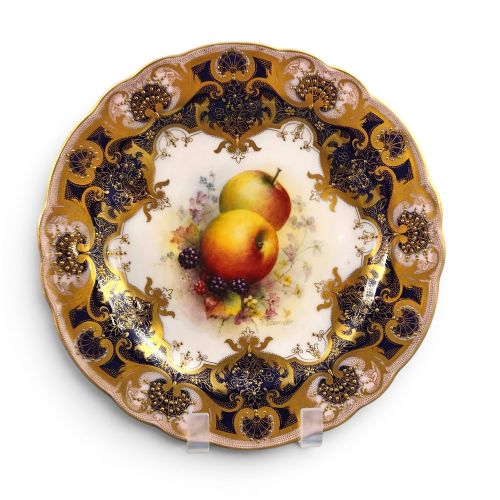
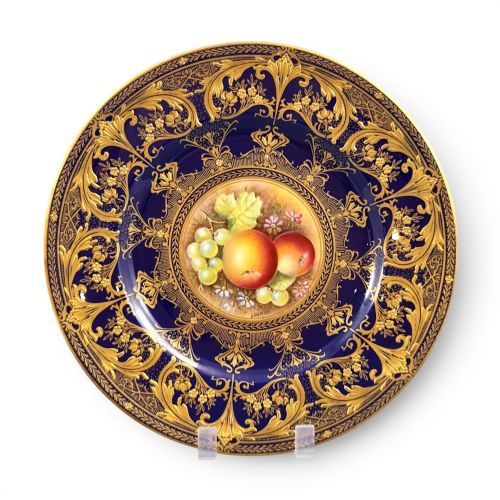
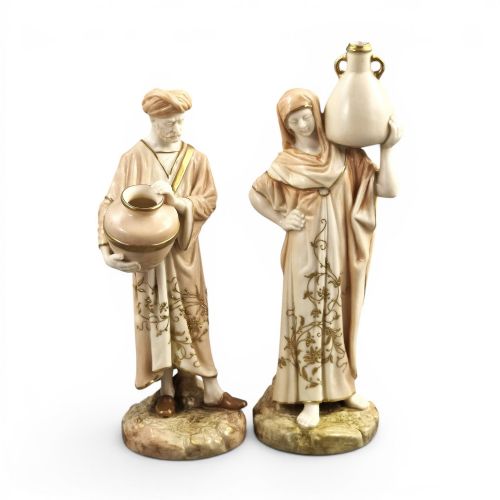
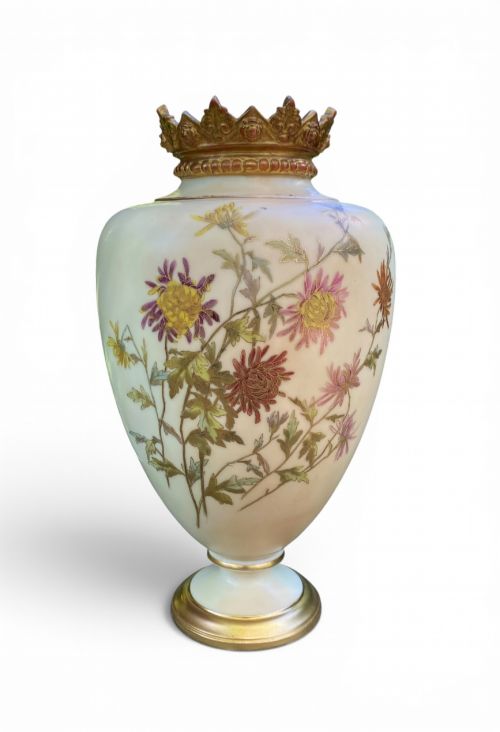
Collectable worcester porcelain covers a remarkably varied array of domestic and decorative ceramic objects, ranging from early nineteenth-century tea bowls to twentieth-century cabinet plates. The pieces on this page include vases, decorative plates, jugs, candle snuffers, and painted figurines.
The selection reflects production from distinct periods, with Georgian and nineteenth-century items appearing alongside Edwardian and mid-twentieth-century examples. Buyers encountering these works will find both functional tea wares and ornamental pieces designed for display.
Materials and manufacture
The objects on this page rely on porcelain and bone china bodies, often enriched with soft-paste porcelain compositions from earlier periods. These ceramic bases provide the smooth white ground necessary for detailed hand painting.
Makers utilised gold leaf, gilding, and enamel to embellish the porcelain surfaces. Skilled painters applied these metallic highlights and polychrome pigments by hand, frequently combining them with blush ivory grounds or rich colour compartments.
Candle snuffers shaped like Mr Caudle and Reynard the fox remind us that even extinguishing a flame once demanded a miniature sculpture.
Evaluating the pieces
Quality in these ceramics rests primarily upon the precision and artistic merit of the hand-painted decoration. Works bearing the signatures of notable artists display superior brushwork and compositional control compared to standard factory output.
The crispness of the porcelain moulding and the preservation of delicate surface details, such as gilt highlights and enamel colours, further distinguish finer examples. The harmony between the ceramic form and its painted subject dictates the standing of each piece.
Flight Barr And Barr·Chamberlains Worcester·Royal Worcester
The Collectable Worcester Porcelain Glossary
- Soft-Paste Porcelain
- An early ceramic composition fired at lower temperatures than hard paste, known for its warm tone and receptive surface. It forms the body of many eighteenth-century items.
- Blush Ivory
- A tinted matte cream ground developed in the late nineteenth century to simulate ivory. It provided a subtle backdrop for floral and figurative painting.
- Tyg
- A drinking vessel featuring multiple handles, designed for communal passing around a table. Miniature versions appear in later porcelain production.
- Pastille Burner
- A small ceramic container pierced to release scented smoke from burning pastilles. These often took architectural forms such as cottages.
- Cabinet Plate
- A decorative plate intended for display in a cabinet rather than for table service. These frequently showcase elaborate painted scenes by named artists.
Collectable Worcester Porcelain: Frequently Asked Questions
How do I date my piece?
Dating relies on factory marks stamped or painted on the underside, which evolved through the Georgian, Victorian, and later periods. Stylistic cues such as the blush ivory ground or specific artist signatures also help narrow the timeframe.
Comparing the shape number and pattern details with known production records confirms the manufacturing era.
Are these items for daily use?
Most items here, particularly cabinet plates, painted vases, and delicate figurines, are intended for display rather than everyday handling. Functional pieces like tea bowls and cups from the Georgian period require careful treatment if used.
Displaying them away from direct sunlight preserves the delicate enamels and gold leaf.
What is blush ivory?
Blush ivory is a soft, matte cream-coloured ceramic ground introduced in the late nineteenth century. It mimics the appearance of real elephant ivory and absorbs delicate hand-painted floral motifs.
This technique became a hallmark of late Victorian and Edwardian decorative ware.
Who painted these items?
Many pieces were decorated by named artists employed by the factory, including specialists in fruit, cattle, sheep, and figures. Signatures or monograms on the front or reverse often identify the hand responsible.
Artist attribution significantly shapes the character and interest of individual pieces.