


Collectable Wooden Boxes
These collectable wooden boxes span centuries of ingenious carving, everyday utility and miniature craftsmanship.
Collectable Wooden Boxes
When searching for collectable wooden boxes, you encounter a remarkably diverse range of small domestic and personal items shaped from timber. The selection spans utilitarian containers and desk accessories alongside whimsical novelty pieces and miniature chests. These items reflect both everyday functional requirements and the decorative arts of past eras.
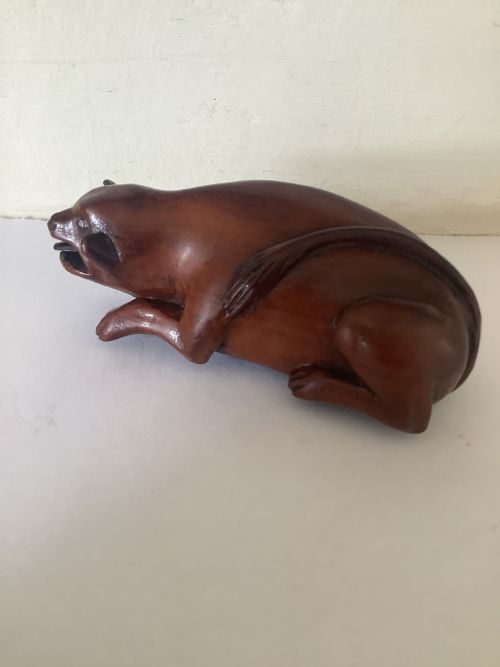
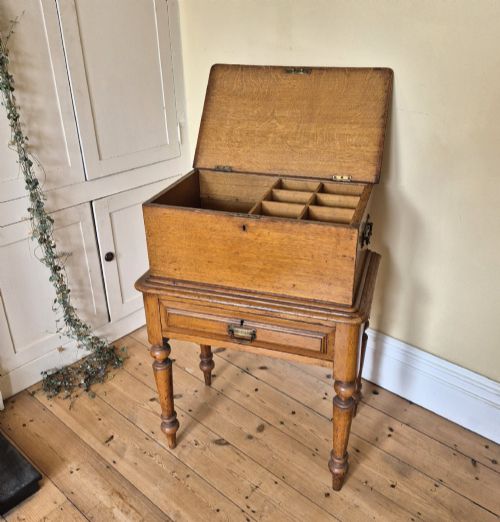
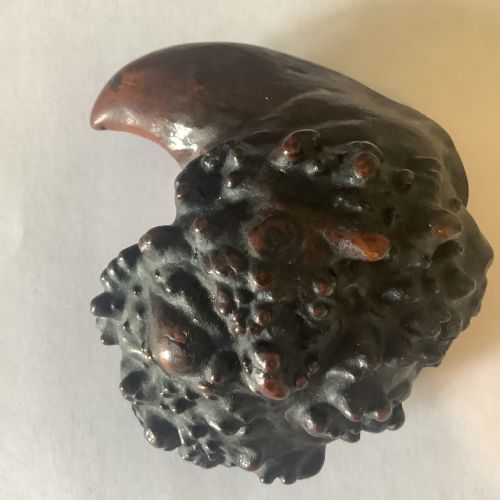
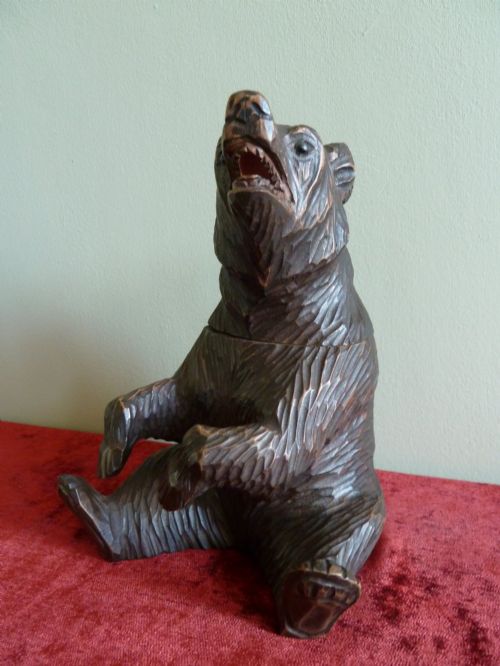
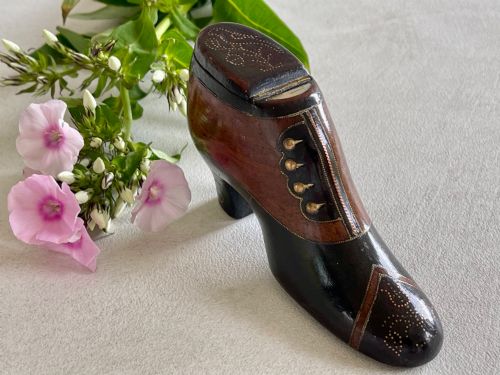
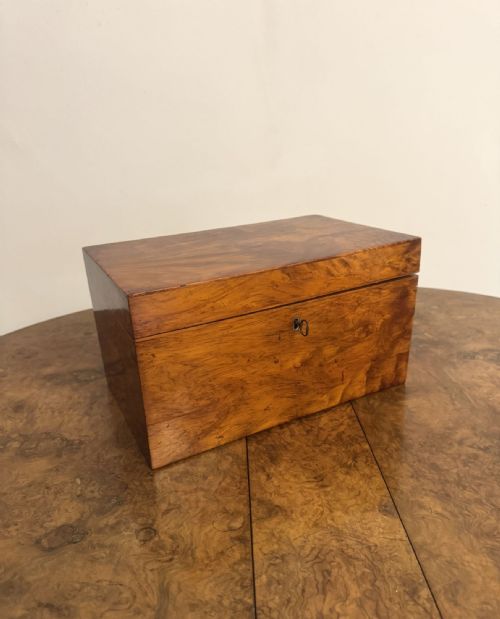
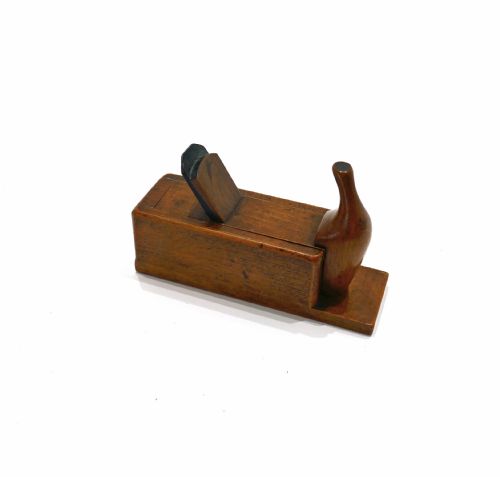
You are most likely to meet small personal containers such as snuff boxes, nutmeg graters and tea caddies on this page. Examples frequently take clever figural forms, mimicking shoes, animals, fruit or even tools like wood planes. Larger items like miniature chests of drawers, display cabinets and tea caddies also appear regularly.
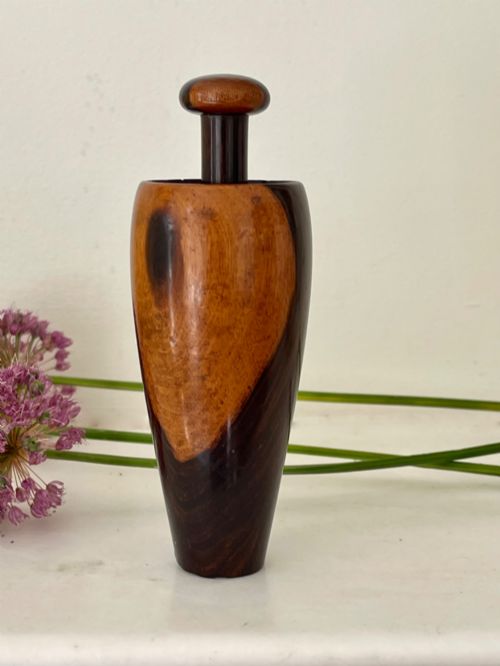
The objects originate across multiple periods, with strong representation from the Georgian, Regency and Victorian eras, stretching into the early twentieth century. Materials range from standard hardwoods like oak, walnut and mahogany to specialised fruitwoods, boxwood and lignum vitae. Folk art and treen pieces demonstrate the creative ingenuity of historical makers working with timber.
How they were made
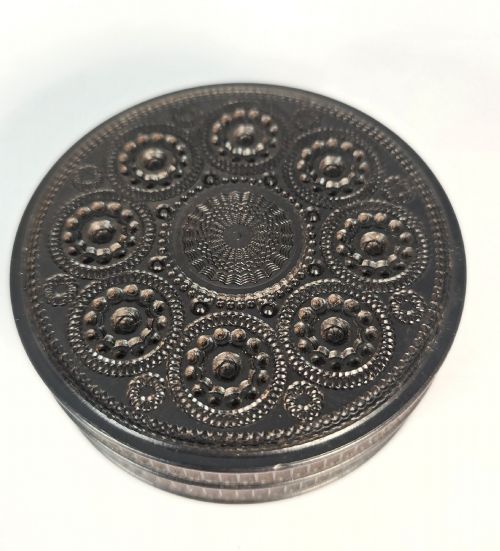
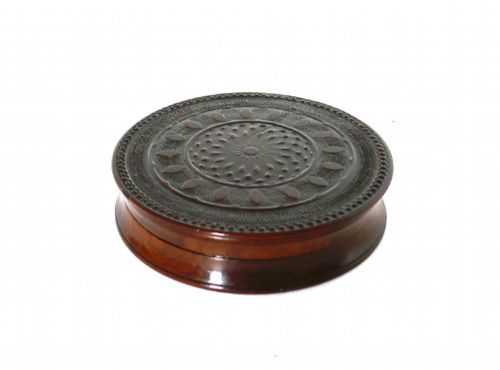
Makers utilised a variety of traditional woodworking techniques, employing lathes for turned items such as string holders and apothecary jars. Engine turning decorated surfaces with precise geometric patterns, while skilled hands carved intricate details into snuff boxes and figural tobacco holders.
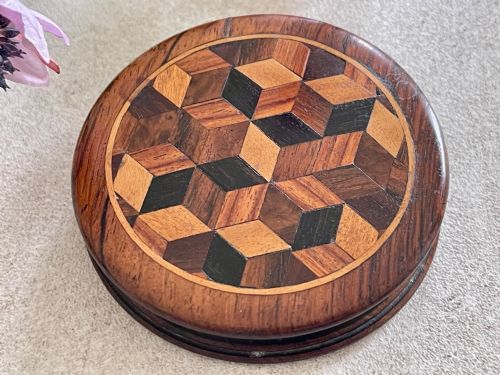
Specialised decorative methods define many pieces, including delicate pen work, pressed maple, and the meticulous mosaic assemblage characteristic of Tunbridge Ware. Coopered construction appears in tobacco jars and pipe stands, relying on tightly fitted wooden staves bound together.
A rich palette of materials underpins these items, combining common timber with brass hardware, bone, tortoiseshell and glass. Boxwood and ebony frequently feature in contrasting elements, while specialised items incorporate precious veneers like burr walnut.
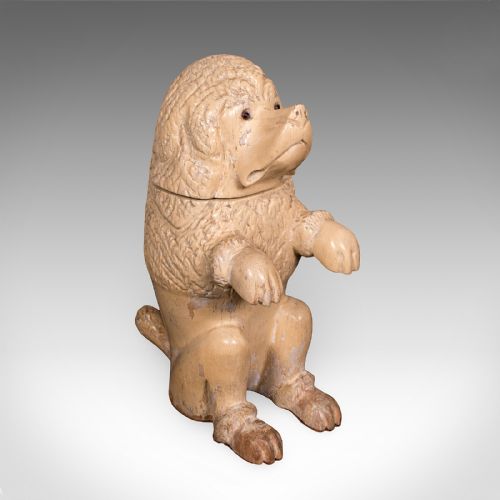
Historical makers carved wooden snuff boxes into charmingly specific everyday shapes, including ladies' shoes, wood planes, and poodles.
What varies in quality
The standard of carving and surface decoration dictates the visual success of a piece, distinguishing stiffly rendered items from fluid, expressive figural work. Subtle details in engine turning or the precision of inlaid Tunbridge Ware demonstrate the maker's mastery.
Material selection significantly influences overall distinction, separating standard utility timber from highly figured burr walnut, rich fruitwoods or dense lignum vitae. Retaining original surfaces, integrated accessories and crisp patination elevates a container's appeal.
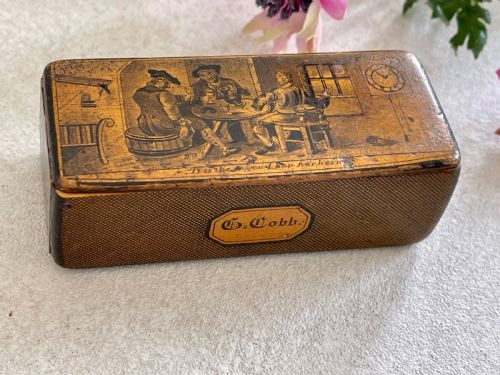
G Cobb·Jaques·John Knox·Faudels of London
The Collectable Wooden Boxes Glossary
- Treen
- Small, functional wooden items made by turning or carving. These everyday objects include domestic items such as nutmeg graters, spoons and small boxes.
- Tunbridge Ware
- Woodworking characterised by mosaic decoration. Craftsmen used thousands of tiny triangles of locally sourced woods to create pictorial designs.
- Engine turned
- A method of mechanical ornamentation used on wood or metal. This process cuts intricate geometric patterns into the surface of a box.
- Snuff box
- A small, pocket-sized container designed to hold powdered tobacco. These items often feature hinged lids and elaborate exterior carvings.
- Tea caddy
- A box designed to store loose tea leaves securely. Because tea was historically an expensive commodity, these containers frequently included lockable lids.
Collectable Wooden Boxes: Frequently Asked Questions
What is treen?
Treen encompasses small, useful wooden objects shaped by hand or lathe for domestic use. These pieces range from simple kitchen items to elaborate personal containers.
Collectors prize treen for the warmth of the aged wood and the evidence of historical hand-tool work.
How do I date a wooden box?
Dating relies on identifying the prevailing style, construction methods, and material choices of specific eras like the Georgian or Victorian periods. Hardware styles, such as hinges and locks, also offer reliable chronological clues.
Comparing a piece to documented examples helps narrow down its decade of origin.
What was a nutmeg grater used for?
Historical dining involved grating whole nutmeg directly into food and drinks at the table. Wealthy households kept small, portable graters tucked inside decorative wooden cases.
These tiny containers often took whimsical shapes, such as wine bottles or fruit.
How should I clean antique wood?
Antique wooden boxes require gentle care to preserve their historical surface patina and accumulated wax. Harsh modern chemical cleaners strip the finish and damage the aged timber.
Dusting with a soft cloth and occasionally applying traditional beeswax keeps the wood nourished.