




Collectable Sewing Tools
Collectable sewing tools comprise functional implements and novelty pin cushions crafted in silver, enamel, and carved wood during the Victorian and Edwardian eras.
Collectable Sewing Tools
Collectable sewing tools encompass practical implements and novelty pieces produced across the nineteenth and twentieth centuries, designed to elevate domestic needlework. These objects range from utilitarian thimbles and scissors to elaborate desk accessories and fitted cases.
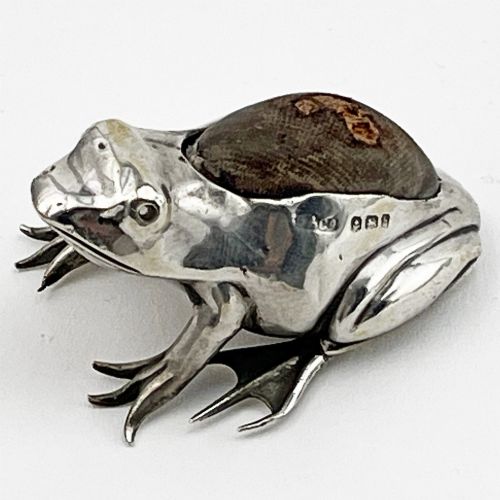
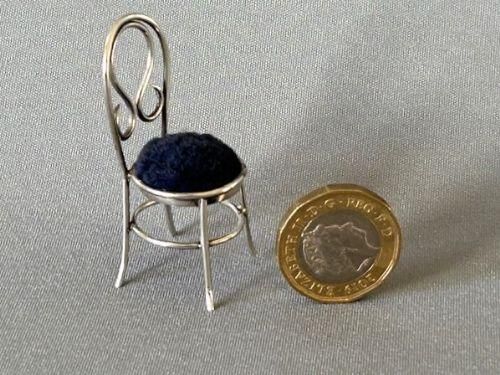
The selection encountered most frequently centres on silver novelty pin cushions shaped as animals, vehicles, and household items alongside sterling silver thimbles and silk holders. Pieces originate primarily from British workshops, Scandinavian designers, and French makers active during the Victorian and Edwardian periods.
Materials and manufacture
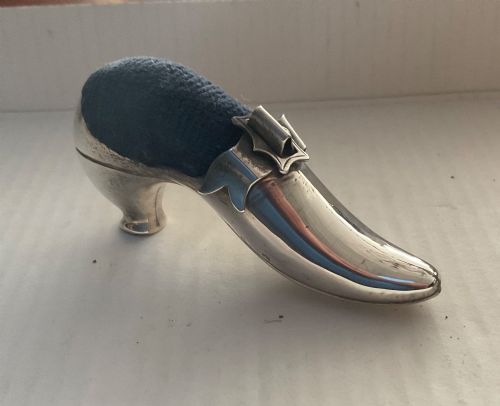
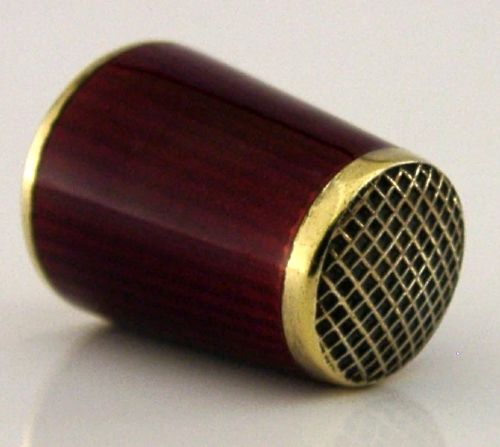
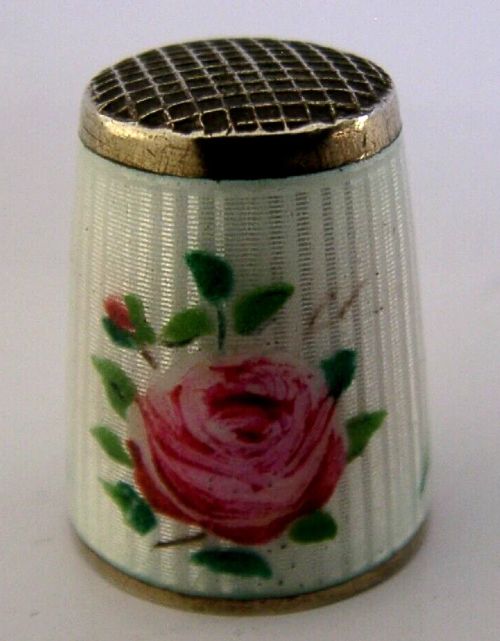
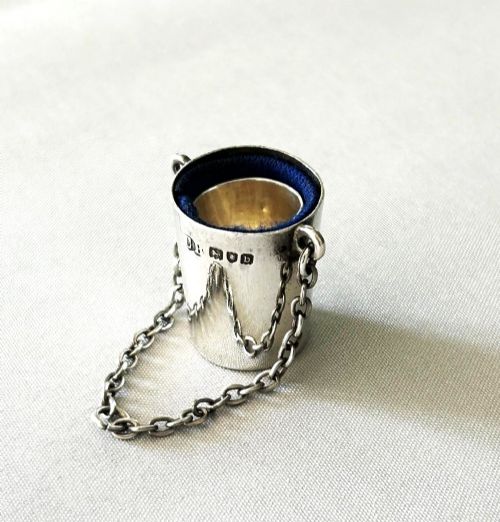
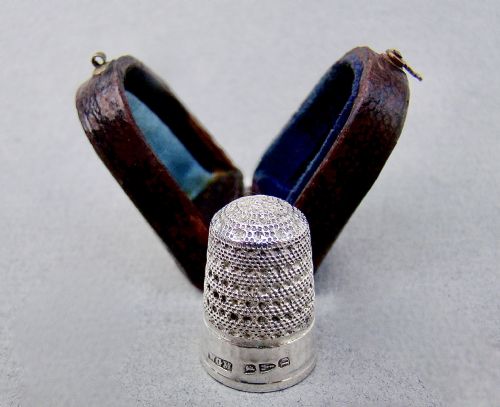
Silversmiths utilised sterling silver and gold vermeil to form the chassis of thimbles, chatelaine cases, and novelty pin cushion figures, frequently incorporating stamped hallmarks to record origin and date. Enamel work added vibrant colour to thimbles, whilst interior stuffing of velvet and fabric provided the necessary dense bed for pins.
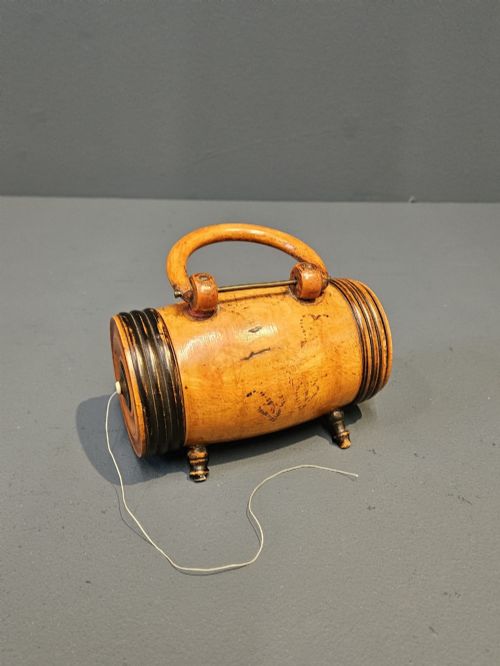
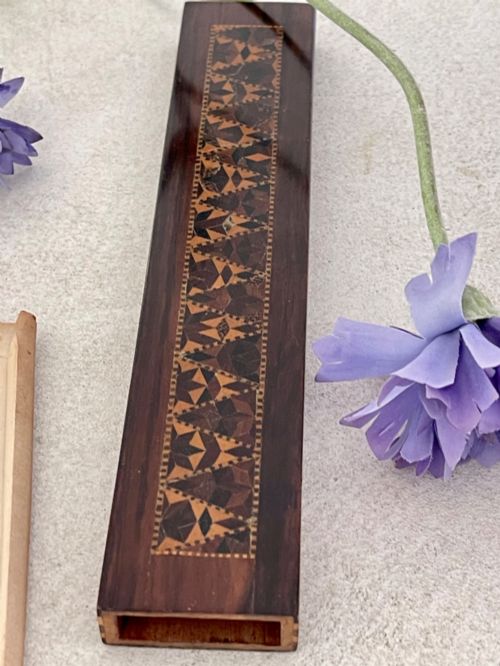
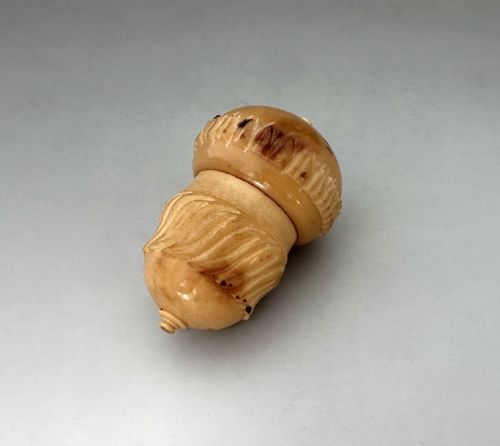
Cabinetmakers and turners employed walnut, treen, and corozo nut to construct sewing machine boxes, sock darners, and silk skein holders. Tunbridge ware was applied for intricate geometric wood mosaics, combining multiple natural timbers to create decorative surface patterns on boxes and holders.
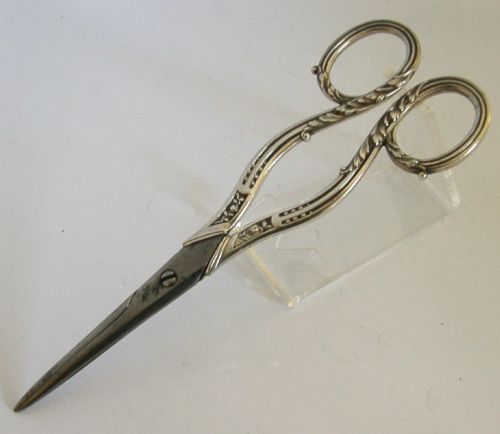
Object forms span novelty animal pin cushions, thimble cases, silk holders, scissors, and fitted sewing machine boxes.
Distinctions in quality
Quality rests upon the crispness of detail in cast silver novelty forms, such as the feather definition on animal pin cushions or the architectural accuracy of miniature vehicles. Pieces exhibiting fine hand-chased markings and well-preserved structural integrity stand apart from simpler utilitarian items.
The sophistication of decorative technique determines the upper tier of the range, seen in translucent guilloché enamel over sterling silver or intricate Tunbridge wood inlay. The survival of original velvet stuffing, fitted leather cases, and clear maker stamps elevates the standing of an individual tool.
Adie & Lovekin·David Andersen·Walter & George Myers·Charles Horner
The Collectable Sewing Tools Glossary
- Pin Cushion
- A small stuffed pad or figural silver container designed to hold sewing pins securely while working. These objects often took whimsical novelty shapes during the Edwardian era.
- Chatelaine Case
- A decorative belt hook worn with suspended chains holding household and sewing implements. They housed items such as thimbles and small scissors.
- Gold Vermeil
- Sterling silver plated with a heavy layer of gold. This technique provided the rich appearance of solid gold for sewing accessories.
- Tunbridge Ware
- Woodworking characterised by tiny mosaic tiles formed from different coloured natural woods. It decorated nineteenth-century boxes and silk skein holders.
Collectable Sewing Tools: Frequently Asked Questions
What are novelty silver pin cushions?
Novelty pin cushions are small figural silver objects shaped as animals, birds, vehicles, or everyday items with an integrated velvet or fabric cushion for holding pins. Silversmiths produced them in quantity during the late Victorian and Edwardian periods.
These pieces combined ornamental appeal with practical utility on a dressing table or sewing desk. Their imaginative forms make them a distinct focus for collectors today.
How do I identify an Edwardian sewing tool?
Edwardian sewing tools often feature bright sterling silver construction, crisp animal novelty designs, and clear hallmarks indicating manufacture between nineteen hundred and the First World War. The era favoured charming depictions of wildlife and transport.
Many pieces from this period incorporate stamped dates or sponsor marks that confirm their age. Stylistic markers include lighter, more whimsical designs compared to heavier Victorian counterparts.
What is a silk skein holder?
A silk skein holder is a small device designed to organise and dispense lengths of embroidery silk or thread without tangling. They were essential accessories for needlework enthusiasts in the nineteenth century.
Examples range from turned wooden pieces to decorative inlaid items. They kept working threads clean and accessible during detailed sewing projects.
How were cased sewing thimbles used?
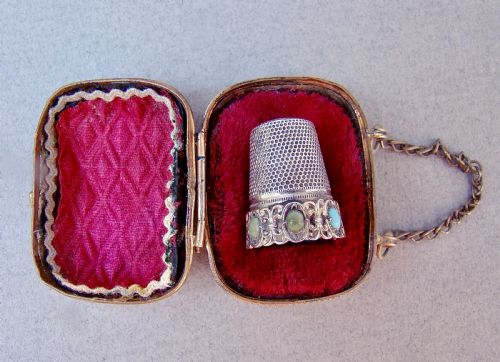
Cased sewing thimbles were portable protective sets containing a silver thimble alongside a dedicated pocket or compartment. Ladies carried them within chatelaine cases or travel bags for needlework away from home.
The fitted cases protected the delicate metal and any stone-set ornamentation from damage during transit. Complete cased sets remain particularly appealing to collectors.
What distinguishes Tunbridge ware sewing items?
Tunbridge ware sewing items are defined by intricate mosaic wood decoration formed from hundreds of tiny tinted wood prisms. This technique created detailed geometric or pictorial surface patterns on boxes and holders.
Originating in Kent, this craft produced highly decorative accessories for the nineteenth-century writing and sewing desk. The microscopic precision of the wood assembly marks the work.