


Collectable Porcelain China
When you search for collectable porcelain china, you are looking at centuries of kiln work, from Georgian cabinet plates to twentieth-century figures.
Collectable Porcelain China
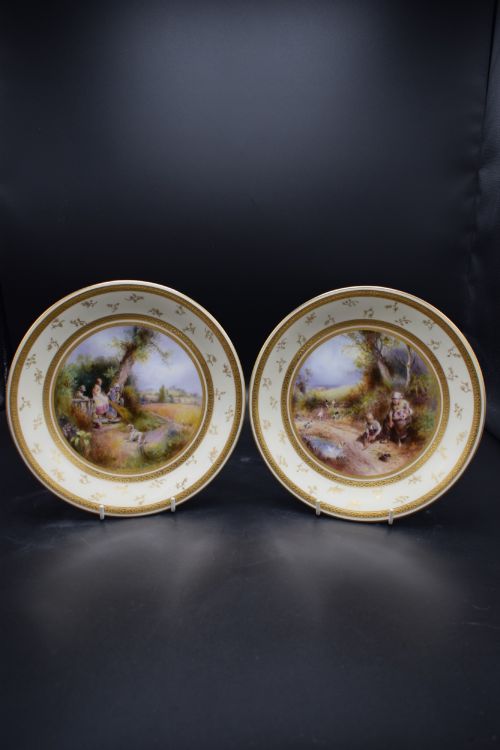
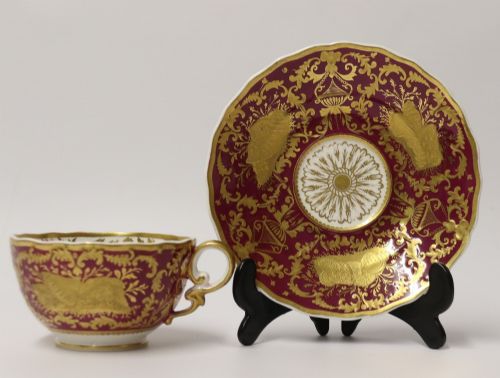
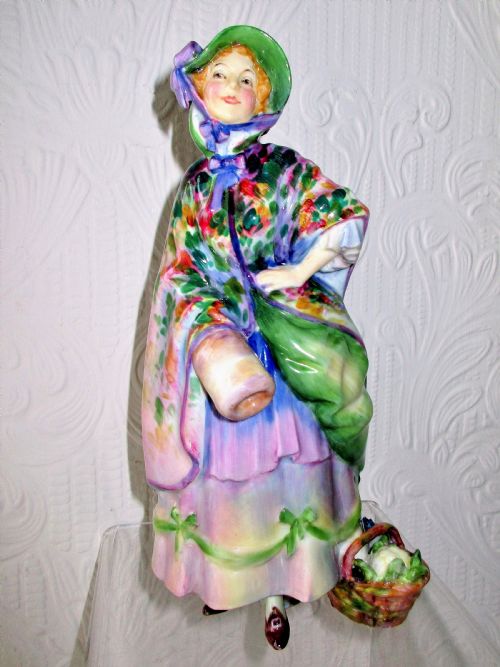
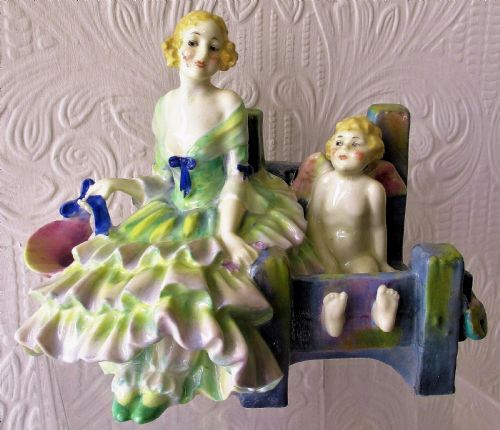
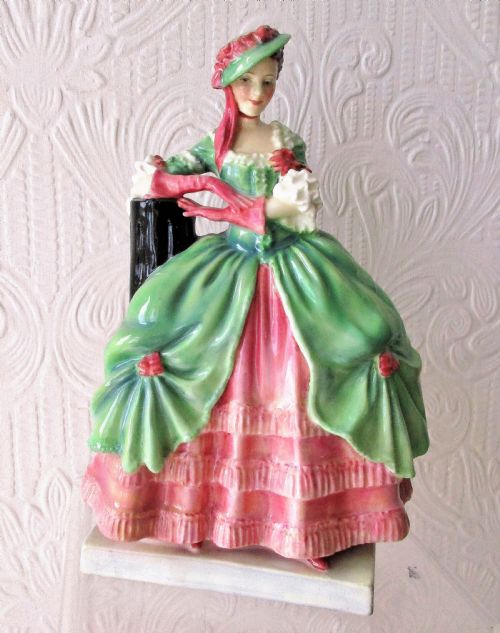
The pieces gathered here span from the eighteenth century through the Georgian, Victorian, and Edwardian eras into the mid-twentieth century. Buyers searching for collectable porcelain china encounter diverse functional and decorative forms, including teacups and saucers, cabinet plates, dessert dishes, and detailed figurines.
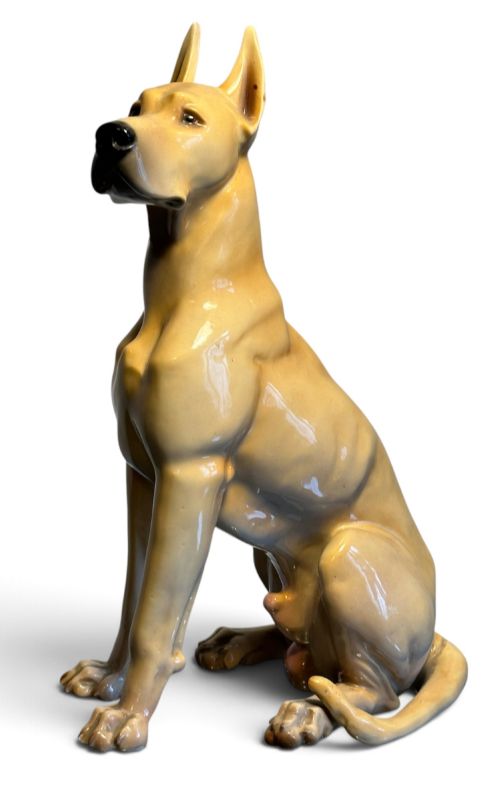
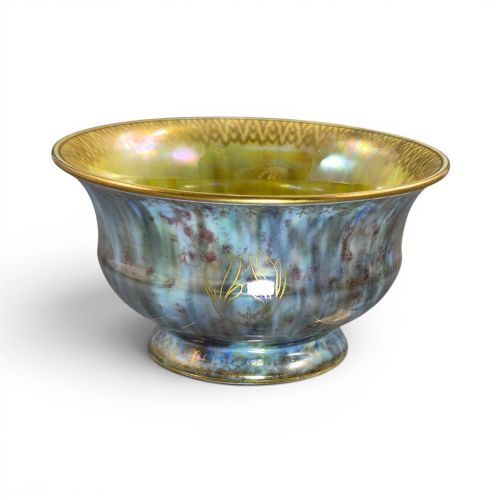
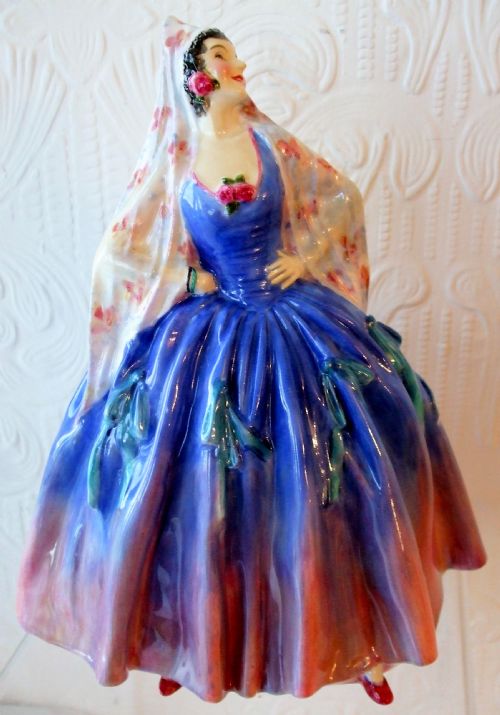
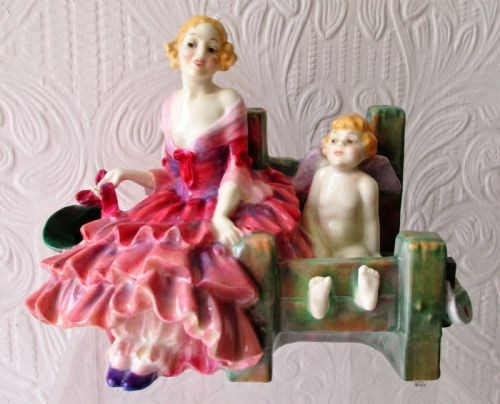
The selection ranges from early nineteenth-century Worcester and Spode tea wares to Royal Doulton character figures and Wedgwood lustre bowls. English factories dominate the records, alongside continental examples such as German porcelain and Meissen wares.
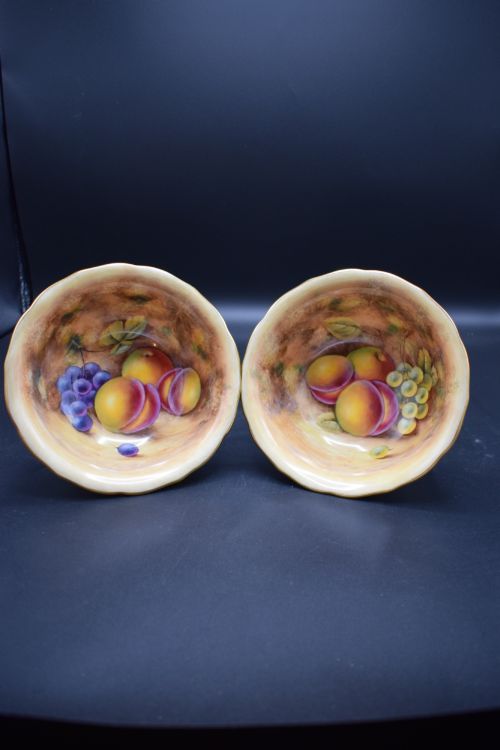
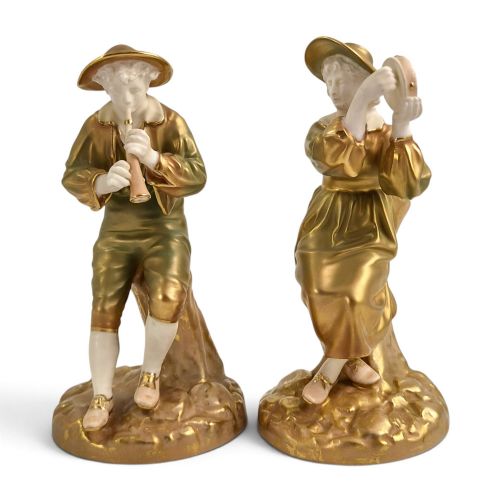
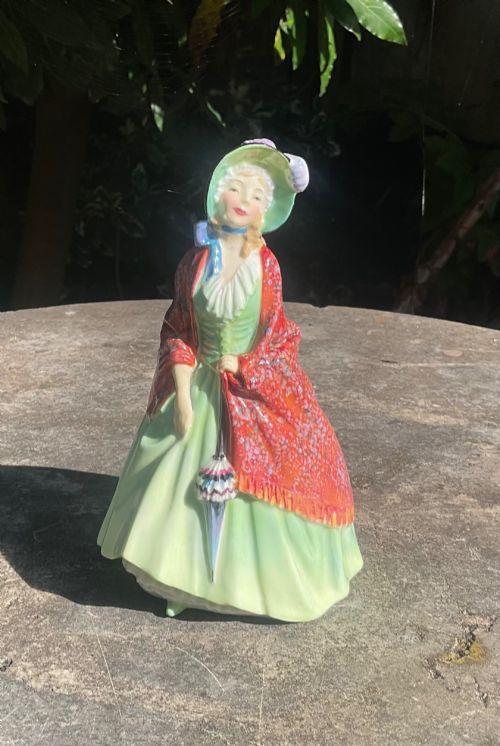
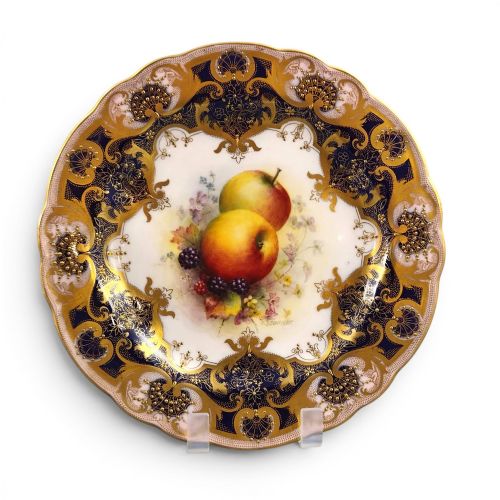
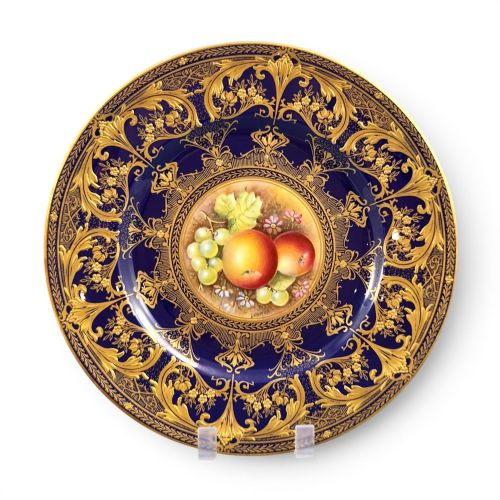
Figurines and decorative plates form the core of the items encountered on this page. Makers such as Royal Worcester and Royal Doulton provide the notable sculptural pieces, while painters like Thomas Steele and Richard Sebright contribute elaborate fruit-painted plates.
Materials and production methods
Production relies on fine ceramic body mixtures, predominantly porcelain and bone china, which provide a smooth white foundation for decoration. Potters shape these materials into bowls, plates, and figurines before applying ceramic glaze to seal the surface.
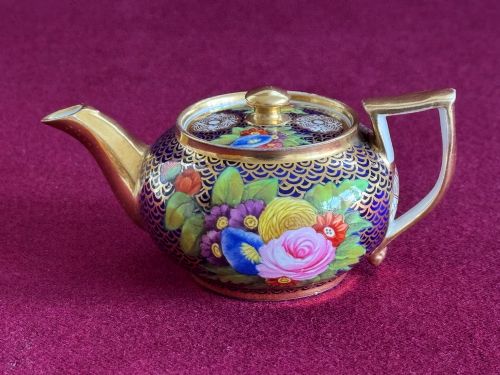
Decoration involves handpainted enamel pigments and intricate gold gilding or gold leaf accents. Kiln firing fixes these colours and metallic details into the glaze, creating the lasting finishes seen on cabinet plates and teapots.
Collectable Porcelain China Retail Price Guide 2026
Typical asking prices for collectable porcelain china among the pieces listed under this phrase on Sellingantiques today, from the lower quarter to the upper quarter. They describe what is for sale here now, not the wider market.
Even ceramic foxes need a rest, as proven by the Royal Worcester candle snuffer modelled as Reynard the fox.
Factors of distinction
Quality rests heavily on the skill of the artist and the prestige of the factory. Handpainted fruit studies by known painters command higher regard than standard transfer-printed patterns.
The precision of the modelling in figurines and the complexity of the enamelling, particularly on lustre wares and gilded surfaces, separate standard items from superior examples.
Spode·H & R Daniel·Royal Doulton·Royal Worcester·Wedgwood·Cauldon Ltd·Flight Barr & Barr·Barr Flight & Barr·Coalport·Meissen
The Collectable Porcelain China Glossary
- Bone china
- A type of soft-paste porcelain containing bone ash, which yields a strong, slightly translucent body. It became a staple of English ceramic production.
- Cabinet plate
- A decorative plate intended for display in a cabinet rather than for dining use. These often feature elaborate painted scenes.
- Enamel
- Opaque vitreous glass fused to the porcelain surface during firing to provide colour. It allows for detailed handpainting.
- Gilding
- The application of gold leaf or gold paint to the rims, handles, or painted designs of ceramic pieces. It adds metallic contrast to the glaze.
- Lustre ware
- Pottery or porcelain finished with a metallic glaze that produces an iridescent sheen. Wedgwood produced notable examples of this technique.
- Soft-paste porcelain
- An early ceramic composition fired at lower temperatures than hard-paste porcelain. It results in a warm, slightly porous body common in eighteenth-century English wares.
Collectable Porcelain China: Frequently Asked Questions
What is collectable porcelain china?
Collectable porcelain china encompasses historical ceramic objects produced by notable factories, valued for their artistry, makers, and decorative forms. The category includes everything from early tea bowls to mid-century figurines and painted cabinet plates.
These pieces reflect the shifting aesthetic movements of their times, encompassing Georgian utility, Victorian ornamentation, and twentieth-century character studies.
How do I identify a manufacturer?
Manufacturers are typically identified by backstamps, printed marks, or impressed ciphers found on the underside of the base. Stylistic details, such as specific figurine numbering systems or pattern codes, also point to the originating factory.
Comparing the painting style and paste composition helps confirm the origin when marks are worn or absent.
Were these pieces used daily?
Many items, such as tea bowls, cups, and dessert plates, were originally manufactured for dining and social rituals in domestic settings. Over time, their decorative qualities and fragility transitioned many surviving pieces from utilitarian use to display.
Cabinet plates and decorative figurines, conversely, were primarily created as ornamental objects from the outset.
How should I care for antique porcelain?
Antique porcelain requires gentle handling, ideally washing by hand in lukewarm water with mild soap rather than using a mechanical dishwasher. Avoiding abrasive sponges protects delicate enamel painting and gold gilding from wear.
Stable display environments away from direct sunlight help preserve the colours of handpainted surfaces over the long term.