





Collectable French Glass
Collectable French glass brings sophisticated Art Nouveau and Art Deco design into your home through enduring opalescent and cameo pieces.
What collectable french glass is
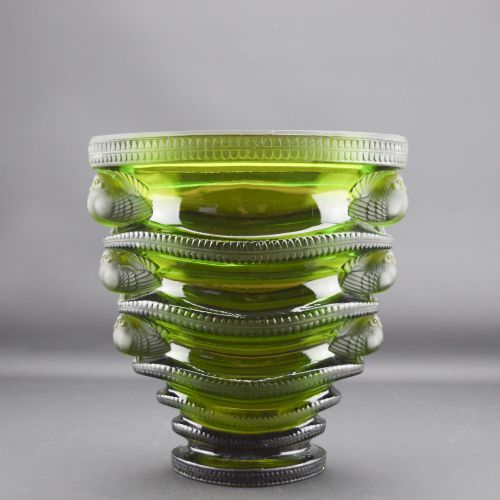
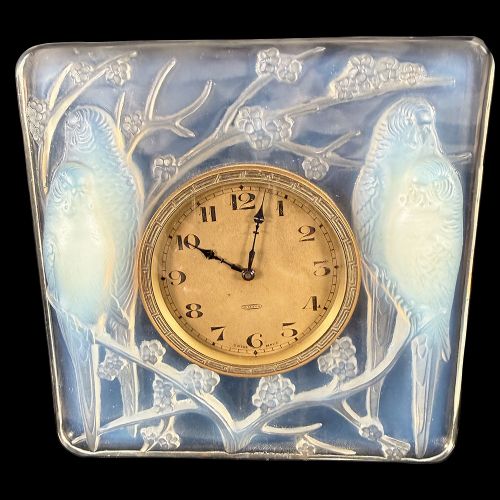
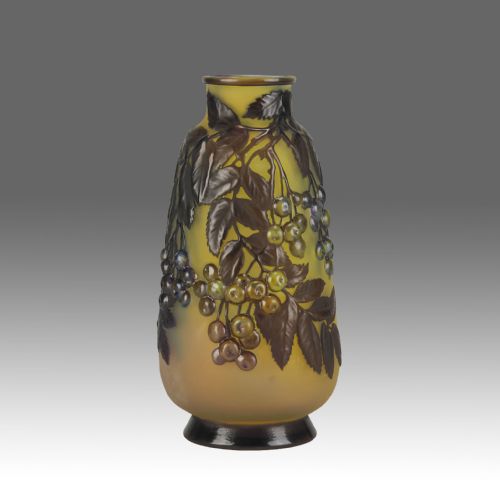
Collectable french glass comprises decorative vases and plates produced during the early twentieth century by celebrated makers. These pieces showcase distinct periods like Art Nouveau and Art Deco, reflecting the changing tastes of European design.
Vases and decorative dishes represent the most common forms you will encounter on this page. These items utilise varied glass treatments, ranging from opalescent finishes to intricate cameo layering.
The objects date primarily from the nineteen-hundreds through to the nineteen-thirties. This era saw remarkable technical experimentation by French glassmakers who pushed the boundaries of decorative arts.
How they were made
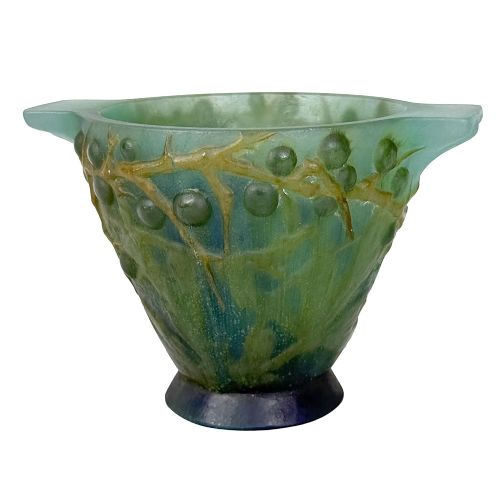
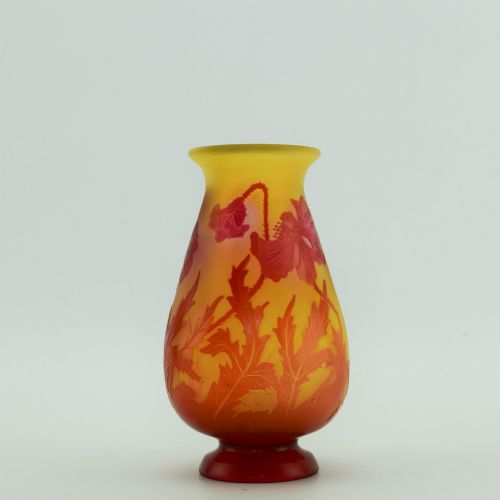
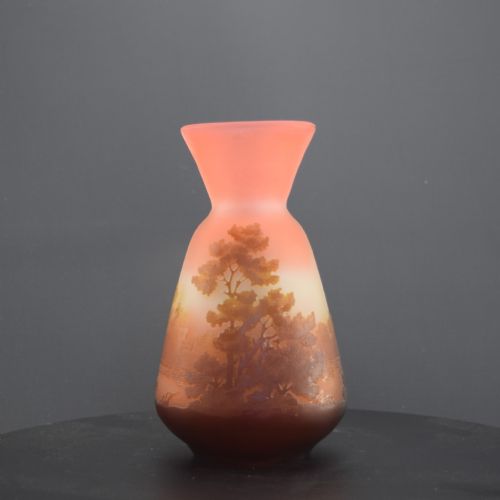
Makers utilised techniques such as acid-etching and press-moulding to shape the glass bodies. Cameo glass was created by layering different coloured glasses before carving away the surface to reveal contrasting designs.
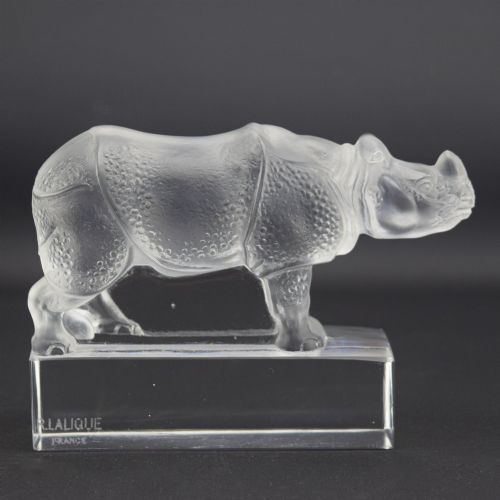
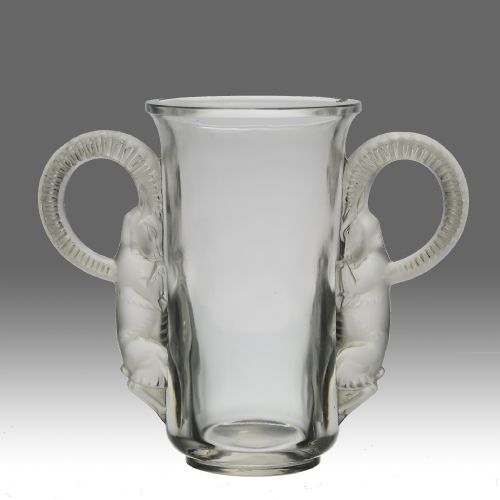
Opalescent and frosted glass treatments created soft, diffusing qualities that caught the light from various angles. Enamelled glass details added vibrant surface colour and intricate ornamentation to vases and plates.
Retail Price Guide 2026
Typical UK retail prices for collectable french glass, calculated from the Sellingantiques database of over a million retail prices indexed since 2003. This retail price guide relies exclusively on Sellingantiques data; no external sources or auction records are used, so the figures do not describe the wider market.
Even a humble decorative dish gets to show off aquatic fish or blooming botanicals.
What varies in quality
Quality rests on the crispness of the moulded relief and the depth of the acid-etching. Finer pieces demonstrate precise control over opalescent effects, where milky highlights shift seamlessly across the glass body.
The complexity of the surface finish distinguishes standard production from exceptional work. Pieces featuring meticulous enamelling or multi-layered cameo carving require superior craftsmanship and command greater attention.
René Lalique·Daum Frères
The Collectable French Glass Glossary
- Opalescent Glass
- Glass that exhibits a milky, bluish lustre when viewed in transmitted light and a warm yellowish tone in reflected light. This optical effect was widely utilised during the Art Deco period.
- Cameo Glass
- Vessels formed of two or more layers of contrasting glass fused together, then carved or acid-etched to create a raised design. This laborious technique creates striking contrast between the foreground and background.
- Acid-Etched Glass
- Glass treated with hydrofluoric acid to eat away exposed surfaces, creating textured patterns or frosted finishes. The depth of the etch varies depending on the duration of the acid exposure.
- Press-Moulded Glass
- Molten glass pressed into a metal mould using a plunger to form complex shapes and patterns efficiently. This method allowed makers to produce consistent decorative dishes and plates.
Frequently Asked Questions
What is collectable french glass?
Collectable french glass refers to decorative vases and plates produced in France during the early twentieth century. These items span the Art Nouveau and Art Deco styles.
Craftsmen utilised techniques like cameo carving, acid-etching, and press-moulding to create sophisticated decorative objects.
How do I identify Art Deco pieces?
Art Deco pieces generally feature geometric patterns, stylised floral motifs, and symmetrical compositions. They often employ clear, frosted, or opalescent glass.
Vases and plates from this movement reflect the streamlined aesthetic of the nineteen-twenties and nineteen-thirties.
What makes cameo glass distinct?
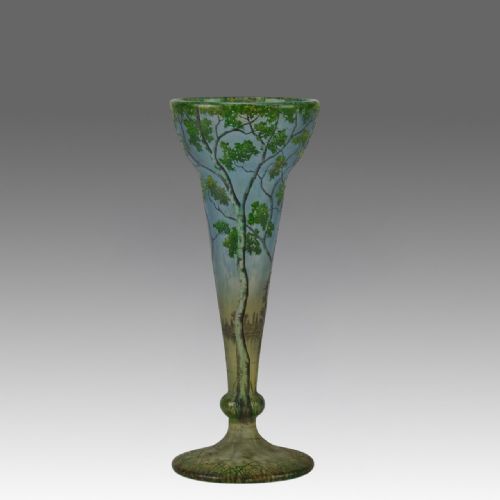
Cameo glass stands out due to its multi-layered construction, where different coloured glasses are fused together before being carved. This technique produces contrasting relief designs.
Daum Frères utilised this method on early twentieth-century vases to depict botanical and natural subjects.
How should I display these glass items?
Display these pieces in areas with good natural light to highlight opalescent qualities and frosted textures. Placing them near windows or illuminated shelving enhances their visual depth.
Ensure they rest on stable, flat surfaces away from heavy traffic to protect delicate rims and etched surfaces.