


Collectable Art Glass
These pieces of collectable art glass capture shifting modernist tastes from the early twentieth century through vibrant colours and varied moulding techniques.
Collectable Art Glass
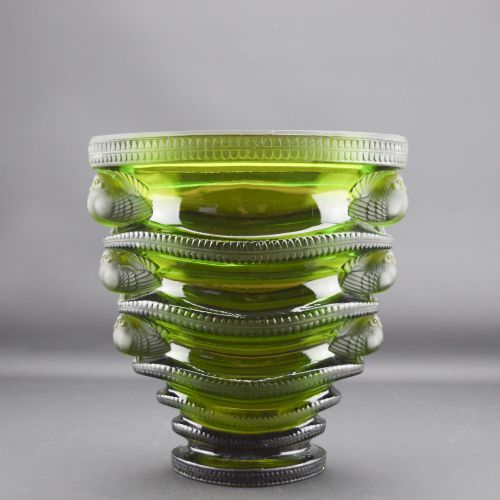
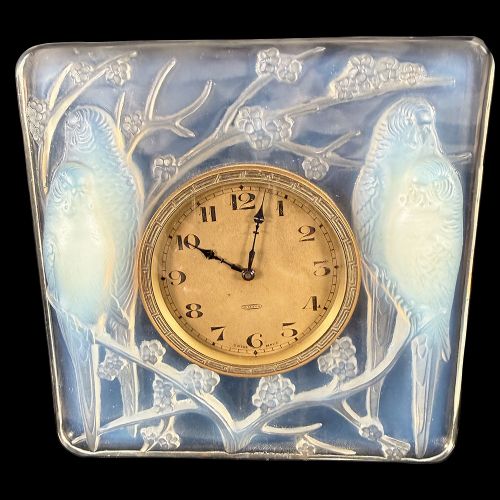
When you search for collectable art glass, you encounter vases, perfume bottles, paperweights, and decorative objects created during the Art Nouveau and Art Deco periods. The selection on this page relies heavily on French production from makers like René Lalique and Daum Frères, alongside Italian Murano pieces and British Vasart.
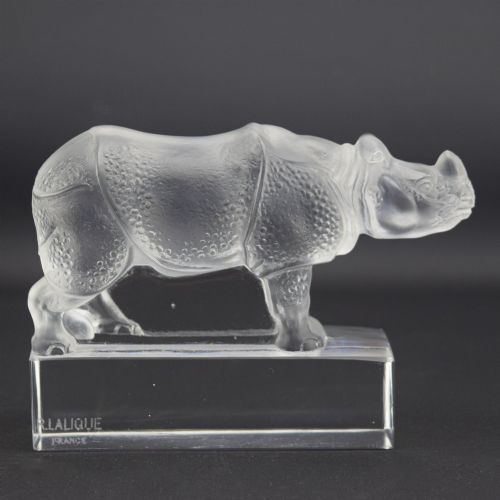
Vases and perfume bottles dominate the selection, frequently utilising frosted, opalescent, or cameo glass to achieve tactile and visual depth. These objects reflect a shift away from traditional domestic glassware towards sculptural, decorative forms that defined early twentieth-century interiors.
How they were made
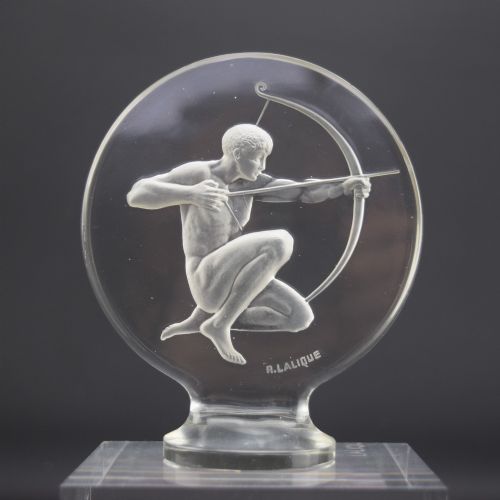
Makers utilised distinct methods including acid-etching, moulding, and multi-layered cameo carving to build pattern and colour into the material. The application of enamel and aventurine inclusions further enriched the body of the glass during shaping.
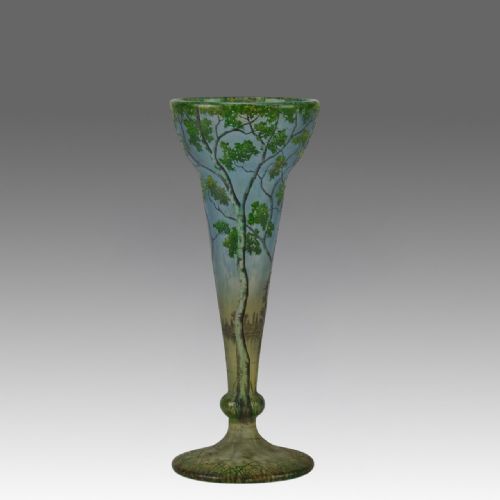
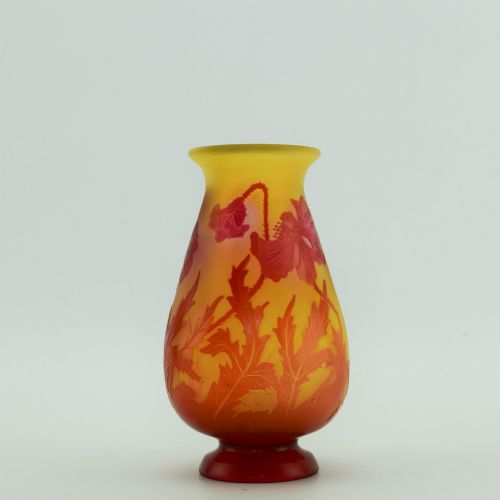
Cameo glass requires layers of different coloured glass to be carved away, revealing intricate botanical or landscape designs. Moulded production relies on precise press techniques, often finished with staining or frosting to accentuate the relief.
Perfume bottles retain the lingering scent of forgotten decades inside their tightly sealed glass stoppers.
What varies in quality
The sophistication of the design execution and the depth of the relief separate standard items from superior examples. Fine pieces display crisp handling of acid-etching and meticulous control over coloured glass layers.
The reputation of the designer and the workshop dictate the standing of a piece within its category. Works by established houses exhibit superior balance in form and technical mastery over secondary productions.
Rene Lalique·Daum Freres·Galle·Amalric Walter·Vasart Glass
The Collectable Art Glass Glossary
- Cameo Glass
- Glass vessels created with multiple fused layers of differing colours, which are then carved or acid-etched to produce a raised design. This technique demands high technical skill to prevent cutting through the background layer.
- Opalescent Glass
- Glass that diffuses light and displays a milky, translucent quality with shifting tones. It gained immense popularity during the Art Deco period for capturing soft light across sculptural bowls and vases.
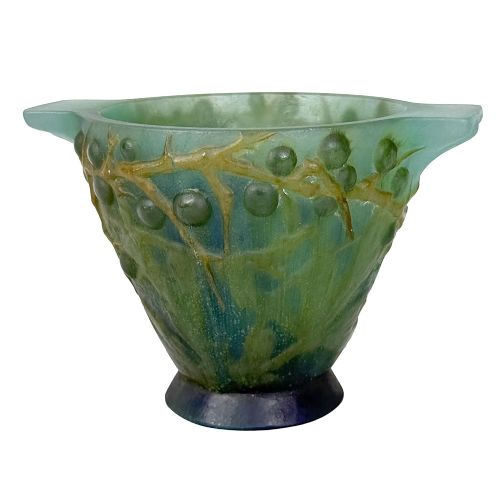
- Pate de Verre
- A form of kiln-cast glass created by packing finely crushed glass paste into a mould and firing it. The resulting objects possess a dense, sugary texture and subtle colour gradations.
- Aventurine
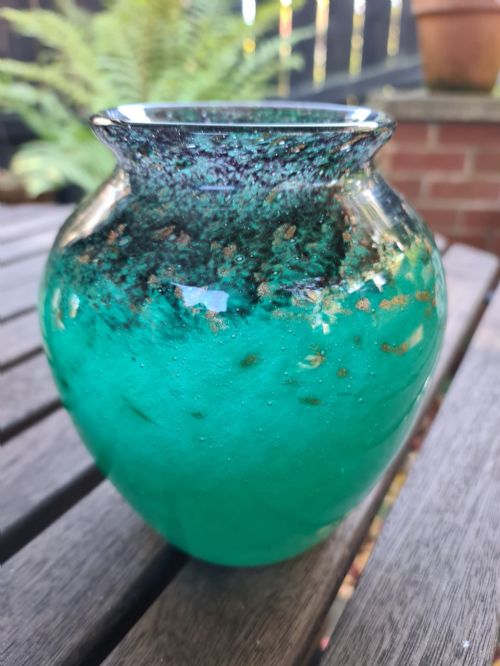
- Metallic mineral inclusions suspended within the glass body to produce shimmering sparkles. This technique appears in Italian and British decorative pieces from the early twentieth century.
Collectable Art Glass: Frequently Asked Questions
What is cameo glass?
Cameo glass consists of multiple fused layers of coloured glass where the outer layer is carved down to expose the contrasting background. This method creates striking silhouettes of landscapes or botanical subjects.
Master workshops like Daum Frères and Gallé utilised acid-etching combined with hand-carving to achieve fine tonal shifts across the surface of vases.
Where was Murano art glass made?
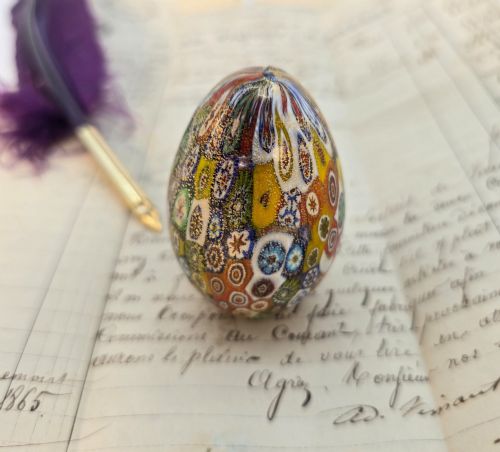
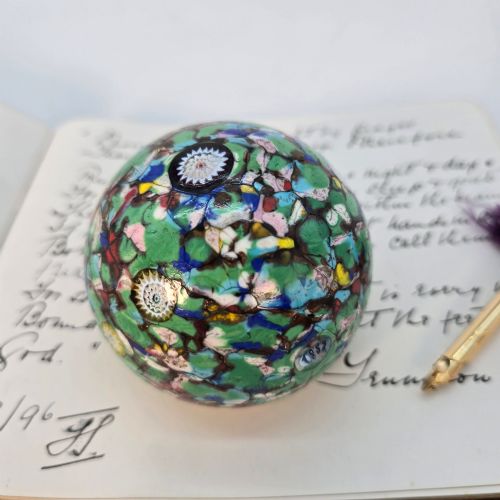
Murano art glass originates from the cluster of islands near Venice, Italy, which has served as a historic centre for glassmaking. Artisans there developed specialised techniques in paperweights and millefiori.
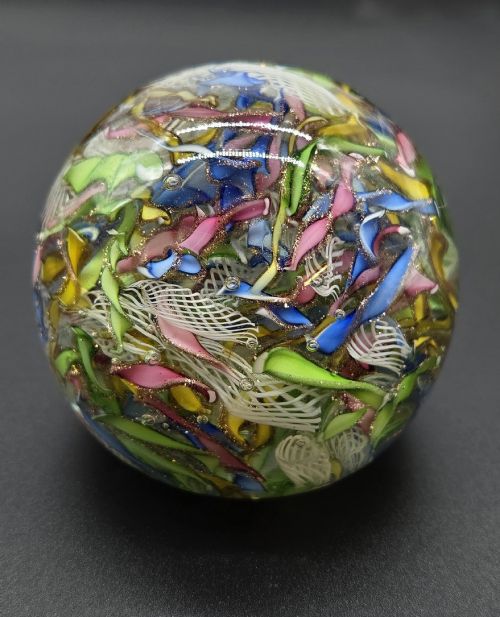
These Italian pieces often incorporate dense floral patterns or scrambled glass threads suspended within clear domes.
How do I care for antique glass?
Antique glass requires gentle cleaning using warm water and mild soap, avoiding harsh chemical detergents that might damage delicate frosted or stained surfaces. Soft cloths prevent scratching during routine maintenance.
Display areas should remain stable in temperature to protect delicate bottles and vases from thermal shock or excessive direct sunlight.