



Collectable Art Deco
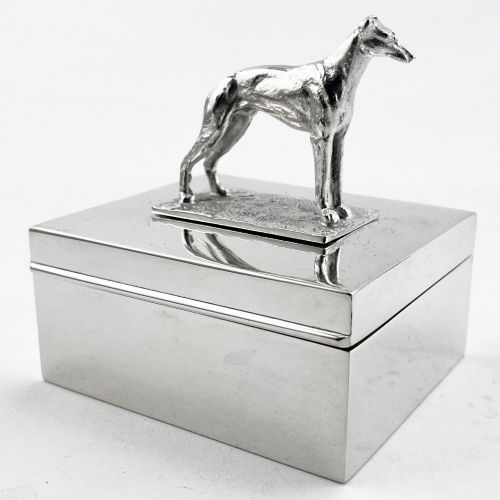
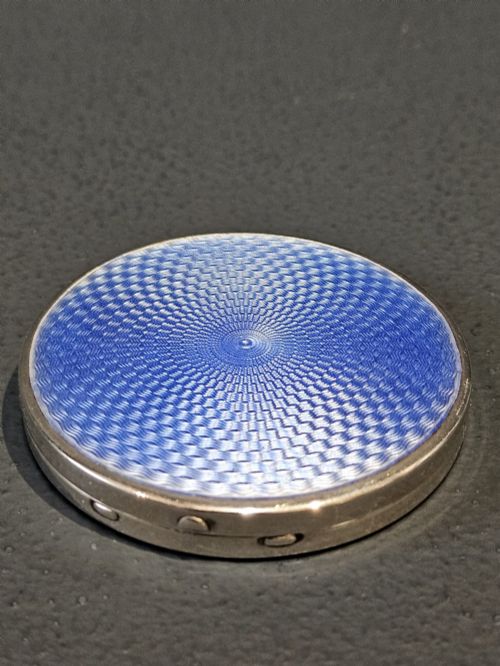
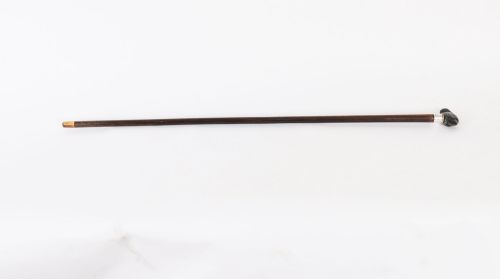
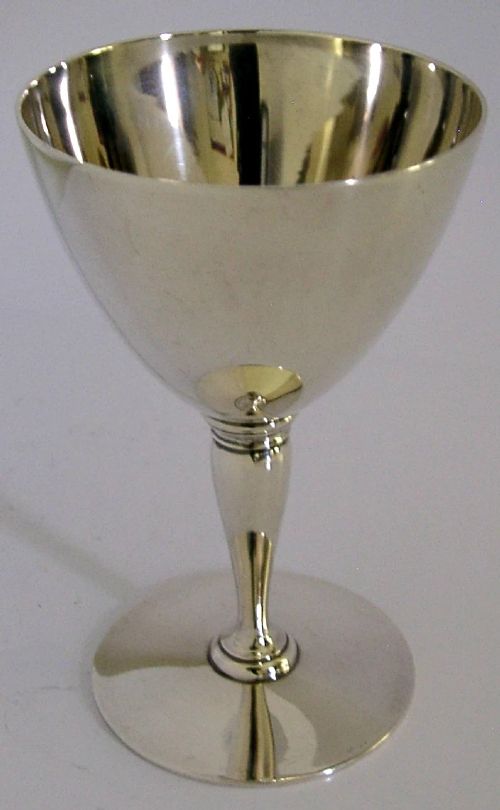
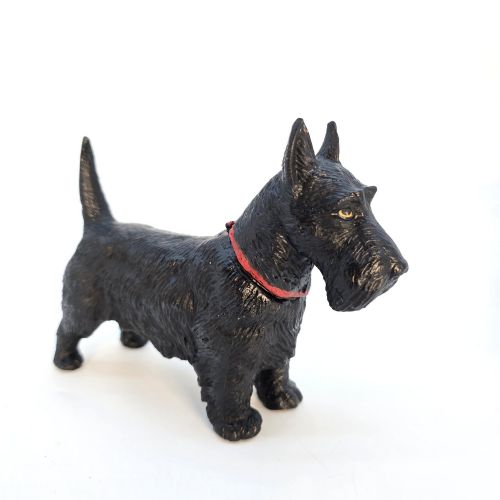
These pieces of collectable art deco combine clean lines and modernist forms from the early twentieth century to bring distinct period style into a modern room.
Collectable Art Deco
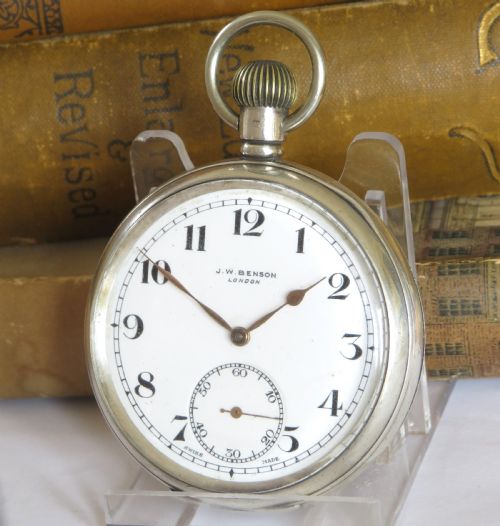
When you search for collectable art deco, you encounter a varied selection of objects ranging from functional table lighters and pocket watches to decorative vases, figurines, and perfume bottles. The items found here span the periods of the nineteen-twenties, nineteen-thirties, and occasional Edwardian or nineteen-forties examples, reflecting the broader interwar design movement.
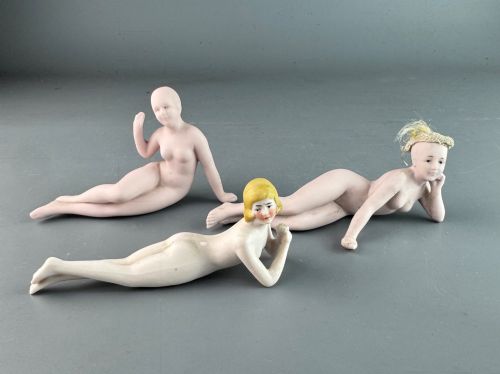
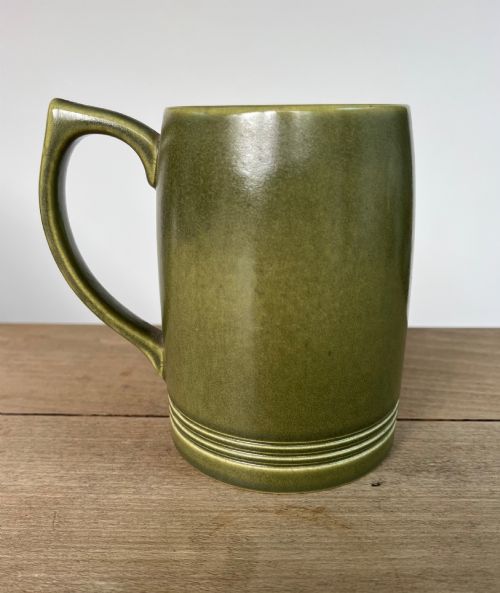
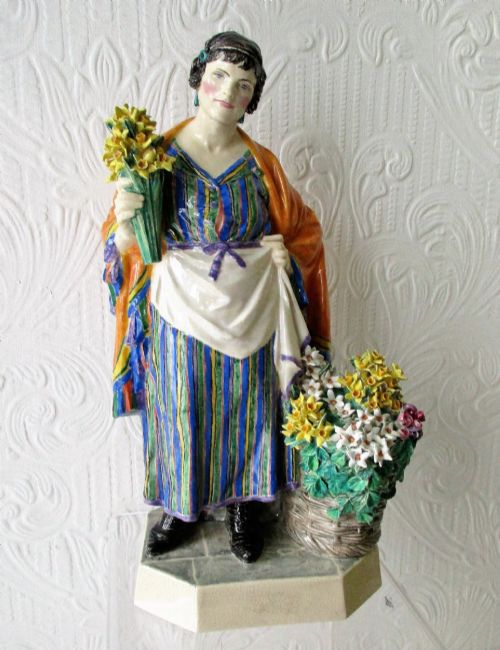
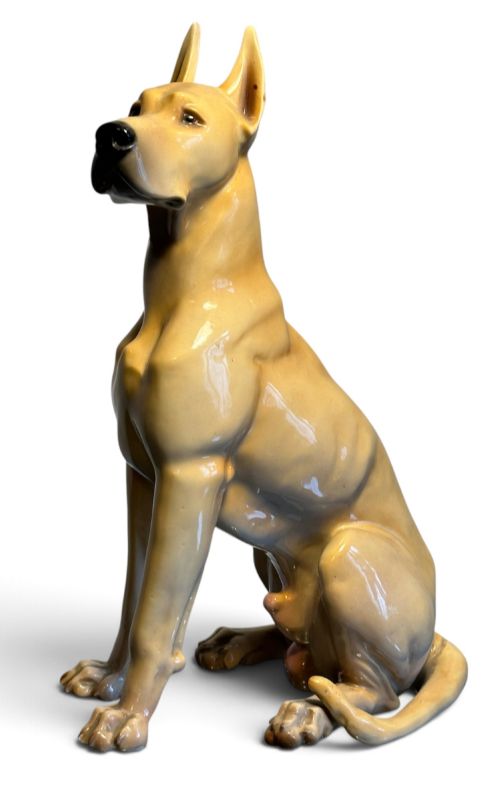
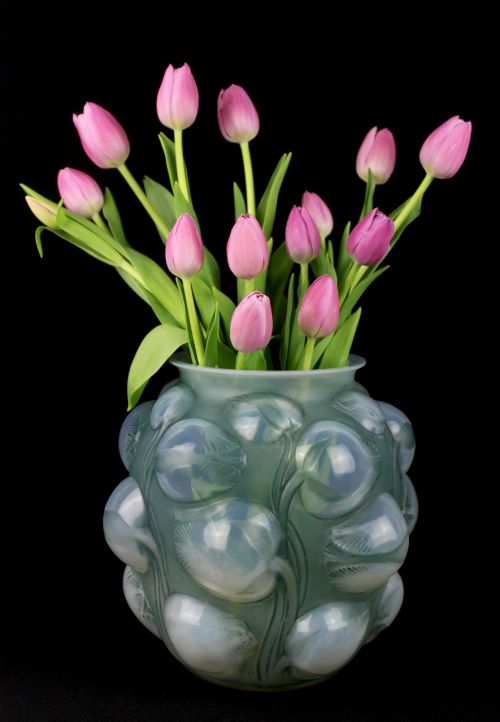
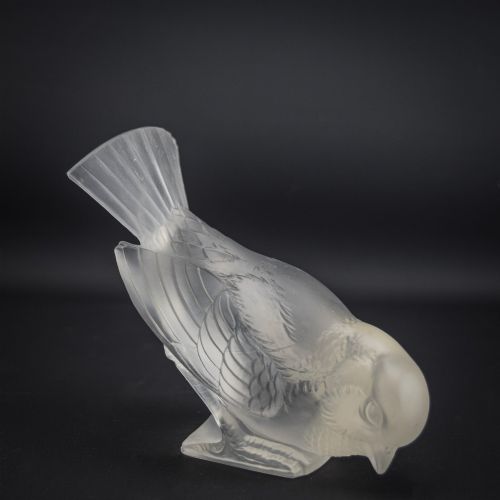
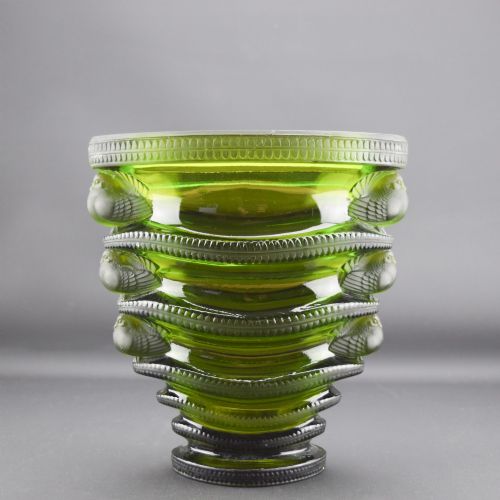
The most common forms on this page include glassware by René Lalique, English porcelain figurines, and studio pottery pieces. Buyers frequently meet items shaped in clear, frosted, or opalescent glass, alongside glazed ceramics and metal objects.
Objects originate from diverse workshops and makers across England, France, and Italy, capturing both mass-produced utilitarian items and distinct studio creations. Each piece demonstrates the characteristic geometric patterns and stylized motifs associated with the era.
Materials and techniques
Makers utilised moulded glass, porcelain, and various metals to achieve the characteristic finishes seen in these items. Frosted and opalescent glass techniques create depth through surface treatment and chemical additives during cooling.
Ceramics and porcelain combine hand-painted enamel decoration with specialised glazes, while metal pieces involve casting in bronze, silver, or cast metal. Early plastics like Bakelite and Catalin also appear in utilitarian objects such as stamp wetters and desk accessories.
Collectable Art Deco Retail Price Guide 2026
Typical asking prices for collectable art deco among the pieces listed under this phrase on Sellingantiques today, from the lower quarter to the upper quarter. They describe what is for sale here now, not the wider market.
Listings feature items from the 1910s, 1920s, 1930s, and 1940s, utilising frosted glass, porcelain, enamel, and Bakelite.
Quality variations
The standard of design execution and clarity of moulding separate everyday items from superior examples. Crisp details in pressed glass and precise hand-painting on porcelain indicate higher workshop execution.
The distinction between standard production runs and pieces bearing specific designer signatures or renowned studio attribution influences desirability. Retained original components, such as stoppers on perfume bottles or associated boxes, elevate the integrity of the piece.
Royal Doulton·Tiffany and Co·Rene Lalique·J W Benson·Wedgwood·Moorcroft·Charles Vyse·Fasold and Stuach·Aristide Maillol
The Collectable Art Deco Glossary
- Opalescent glass
- Glass that diffuses light and displays a milky, translucent quality with shifting blue or amber tones. This effect results from the addition of specific chemicals to the molten batch.
- Spelter
- An alloy primarily composed of zinc, frequently used as a cost-effective substitute for bronze in decorative figures and sculptural bases. It is typically painted or electroplated to imitate other metals.
- Half doll
- A porcelain upper torso without legs, manufactured primarily in Germany and France for attachment to brushes, powder boxes, or pincushions. These figures often depict contemporary flapper styles.
- Millefiori
- A glasswork technique involving the production of patterned glass rods that are sliced and arranged to create floral or geometric mosaics. The sections are fused within clear glass bases to form paperweights and decorative objects.
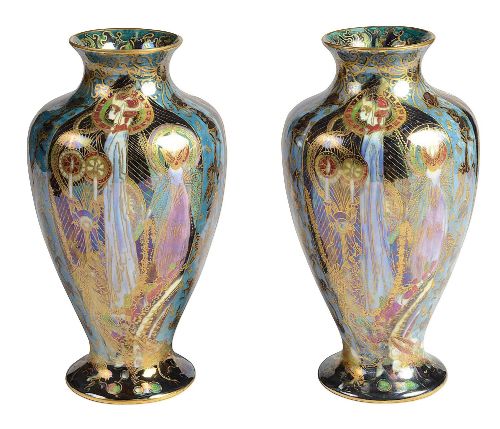
- Fairyland Lustre
- A distinct line of earthenware decorated with fantastical subjects, produced by Wedgwood and designed by Daisy Makeig-Jones. It utilises specialised lustrous glazes to create iridescent effects.
Collectable Art Deco: Frequently Asked Questions
How do I identify Lalique glass?
Look for crisp moulding, signature placement, and the characteristic weight and texture of opalescent or frosted surfaces.
Authentic pieces often carry acid-etched or moulded signatures of the maker on the base.
What materials are common in these objects?
Common materials include pressed and blown glass, bone china, earthenware, and early plastics like Bakelite.
Metals such as silver, bronze, and spelter also appear frequently in decorative and utilitarian items.
How were perfume bottles used?
These decorative bottles served as dressing table accessories for holding and dispensing scent during the interwar period.
Many retain original stoppers and ground glass fittings designed to prevent evaporation.
Where were porcelain figurines made?
Figurines originate from established potteries in England, such as Royal Doulton and various studio workshops.
Makers utilised traditional slip-casting and hand-painting techniques to finish each subject.