
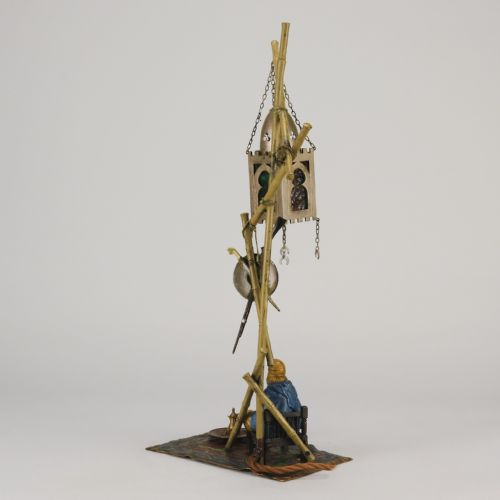
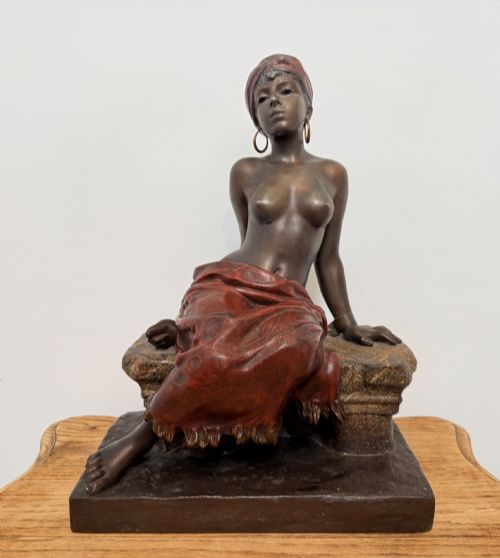
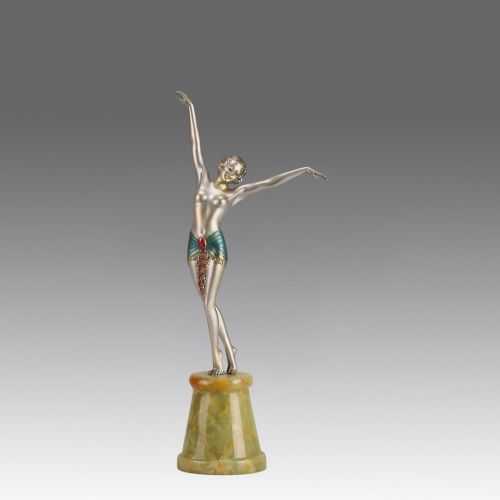
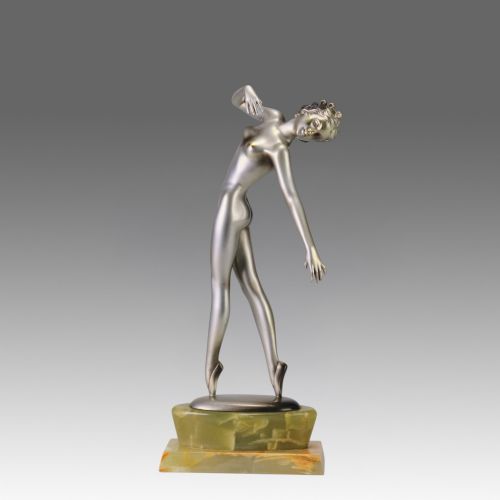
Cold Painted Statue
A cold painted statue brings vivid colour and intricate detail to small-scale metalwork, capturing human figures, animals and exotic scenes from the late nineteenth and early twentieth centuries.
Cold Painted Statue
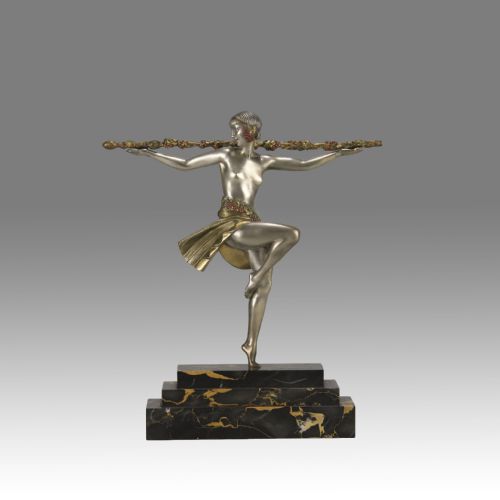
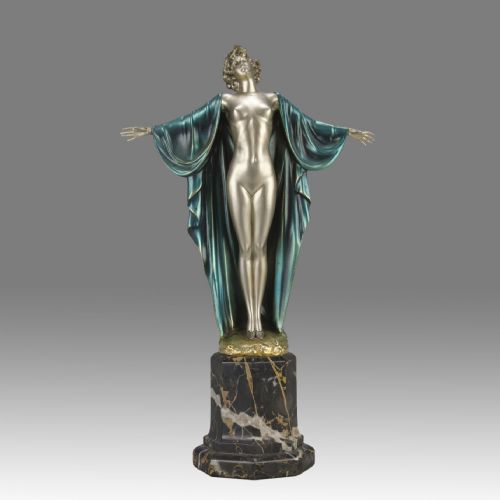
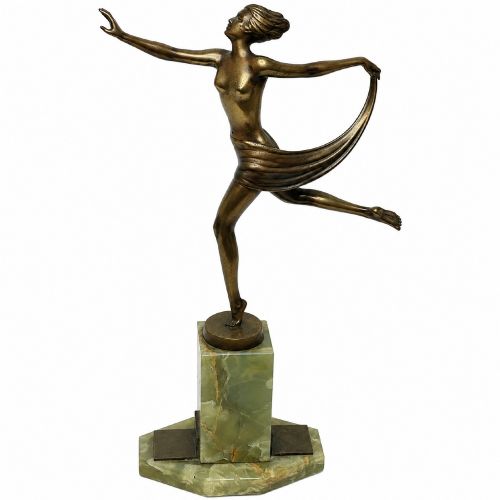
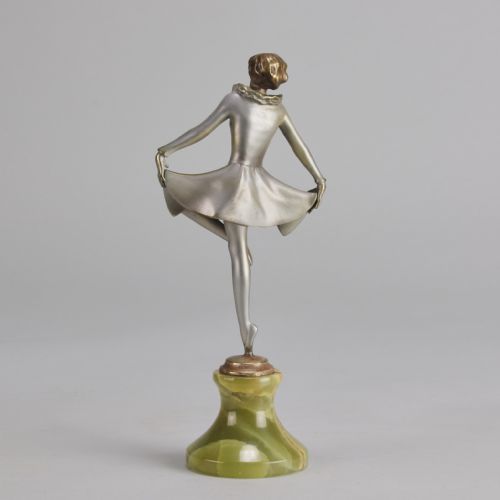
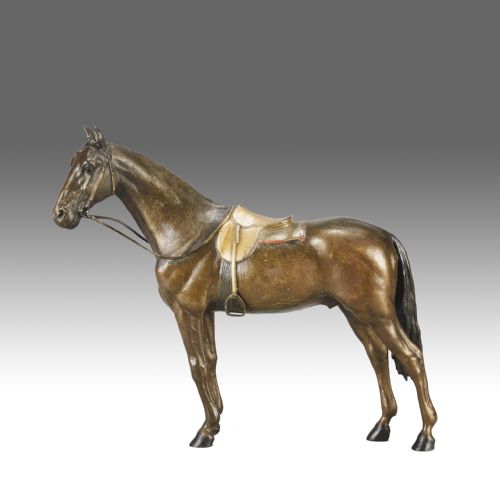
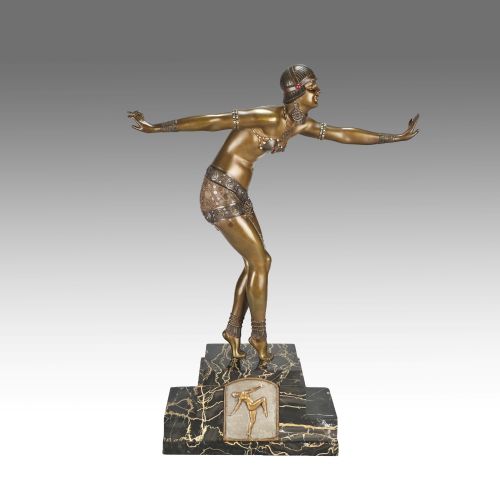
A cold painted statue typically takes the form of a small bronze figure, animal study or figurative group produced primarily in Austria during the late nineteenth and early twentieth centuries. These pieces span Victorian subjects, Art Nouveau dancers and Art Deco dancers alongside Orientalist figures and animalier studies.
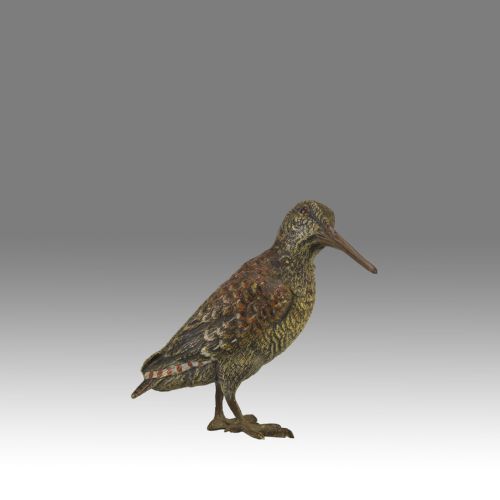
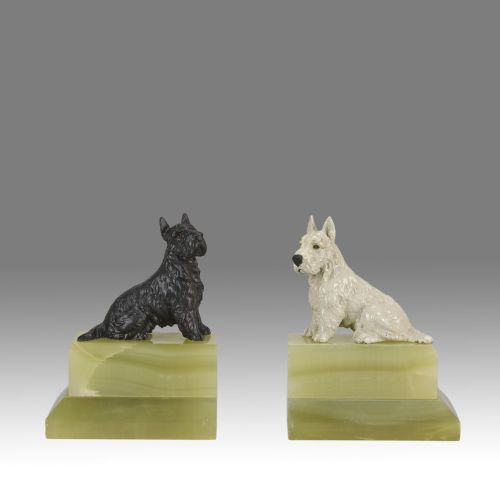
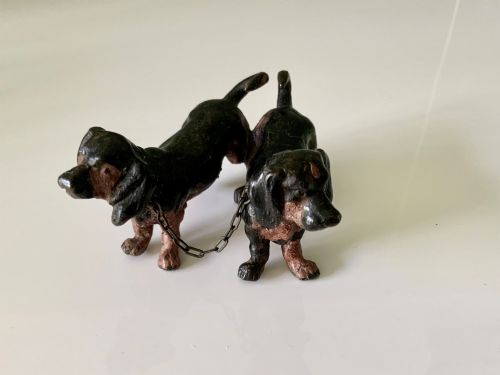
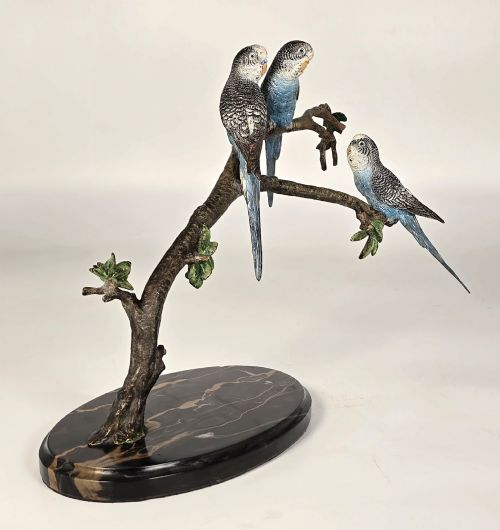
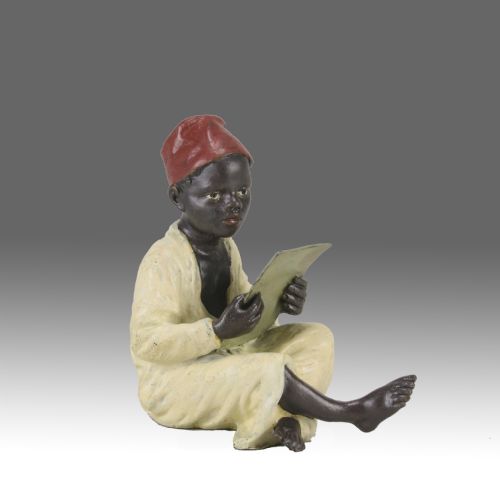
Buyers seeking this phrase encounter sculptures and figurines created by notable foundries and independent artists working in bronze, gilt bronze and spelter. Subjects range from domestic dogs and wild birds to human figures such as dancers, readers and traditional Middle Eastern figures.
The aesthetic relies on small-scale intimacy and narrative detail, making these statues suited to cabinet display, desk ornaments and specialised collections of Vienna bronze.
Materials and technique
The manufacture of a cold painted statue begins with a cast bronze or spelter base, often formed using the lost-wax method or sand casting to capture fine anatomical and textural details. Artisans then apply multiple layers of unfired oil or enamel paint directly onto the metallic surface, distinguishing this technique from high-heat enamelling.
Because the paint is applied cold and left to dry naturally, the decorative finish remains vulnerable to chipping and wear over time. Surviving examples retain their original polychrome palette through careful preservation, showing how makers achieved realistic shading on animal plumage, textiles and skin tones.
Several statues portray remarkably dignified budgerigars, dachshunds and pugs posing with unexpected solemnity.
Distinctions in quality
The quality of a cold painted statue rests upon the crispness of the underlying metal casting and the artistry of the hand-applied pigment. Superior examples demonstrate finely chased details in the bronze, such as individual feathers, fur texture or intricate folds of drapery, before any paint is applied.
Franz Bergman·Pierre le Faguays·Ferdinand Preiss·Josef Lorenzl·Demetre Chiparus·E Villanis
The Cold Painted Statue Glossary
- Cold paint
- Paint applied to a metal object without subsequent kiln-firing or heat treatment. This technique allows for varied matte or semi-gloss polychrome finishes on bronze sculptures.
- Vienna bronze
- Small, highly detailed bronze figures produced by Austrian foundries, particularly during the late nineteenth and early twentieth centuries. These pieces often feature naturalistic animal subjects or Orientalist narrative scenes.
- Spelter
- A zinc alloy commonly utilised as a less costly alternative to bronze for figural sculptures and decorative items. It frequently serves as a base material for patinated or painted statues from the Art Deco period.
- Animalier
- A nineteenth-century artistic style and genre focusing on the realistic depiction of animals. Sculptors working in this tradition studied animal anatomy meticulously.
- Orientalism
- An artistic style drawing inspiration from the cultures of the Middle East and North Africa. In bronze sculpture, this theme manifests in figures of traders, dancers, and desert scenes.
Cold Painted Statue: Frequently Asked Questions
What is a cold painted statue?
A cold painted statue is a small metal sculpture, usually cast in bronze or spelter, finished with hand-applied oil paint that has not been fired in a kiln.
These pieces gained popularity in European foundries during the late Victorian and early twentieth-century periods, capturing subjects ranging from natural history to theatrical dancers.
Are these statues made of solid bronze?
Many of the finer antique pieces consist of solid cast bronze, but some production figures and later items utilise spelter, a zinc-based alloy. Foundries frequently employed spelter as a substitute during periods of metal scarcity or for commercial decorative objects.
Examining the underside or weight of the piece helps determine the primary metal composition beneath the paint layer.
How can I tell Vienna bronzes apart?
Vienna bronzes are distinguished by their specific Austrian foundry origins, exceptional anatomical detail, and characteristic colour palettes often associated with makers like Franz Bergman. They frequently feature maker marks, Bergman foundry stamps, or registration numbers hidden beneath the base or within the casting.
Stylistic elements such as hinged parts, intricate rug textures, and distinct human expressions also help identify authentic production from that region.