
Cold Painted Sculpture
Cold painted sculpture brings together metalwork and oil-based pigments, capturing human figures, animals, and narrative scenes from the nineteenth and twentieth centuries.
Cold Painted Sculpture
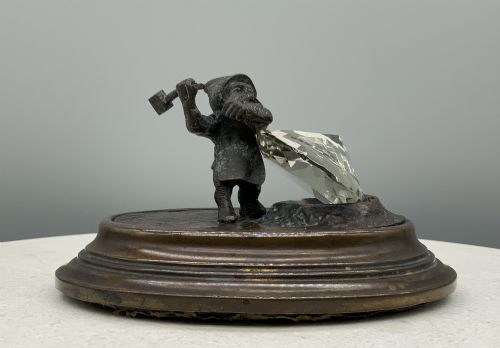
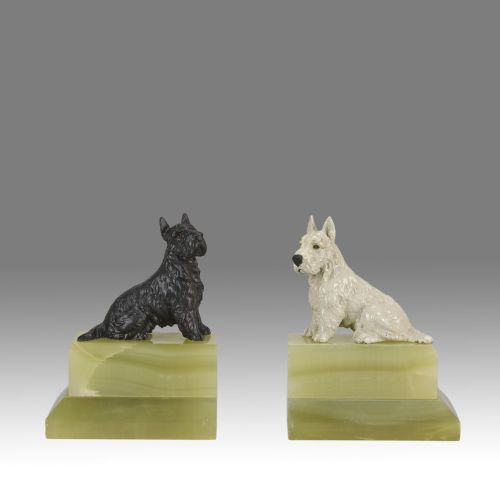
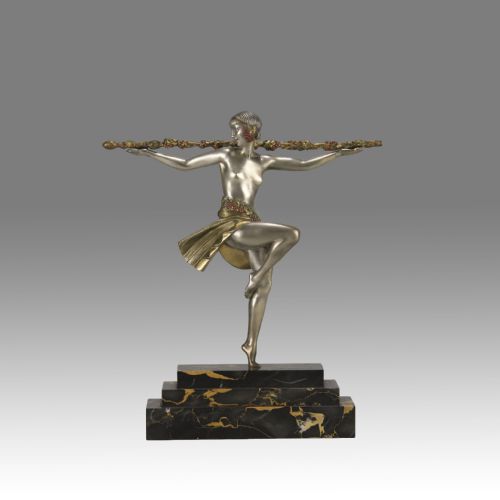
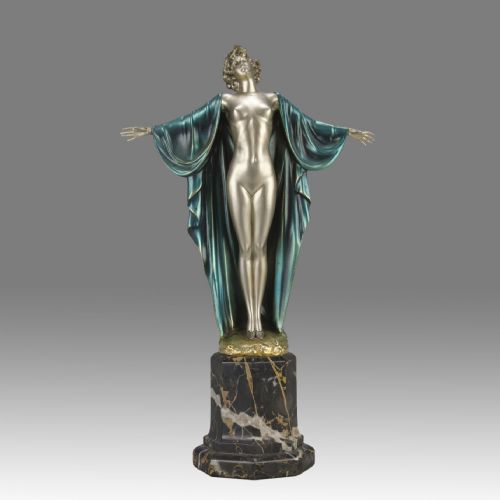
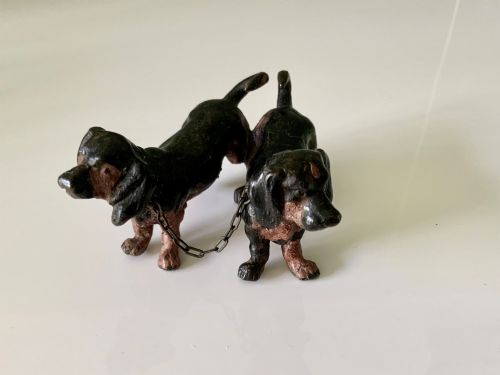
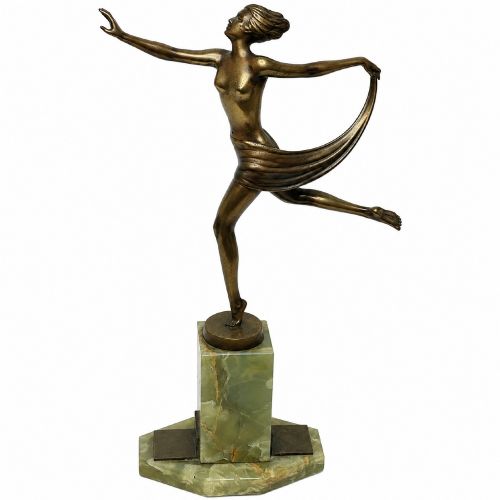
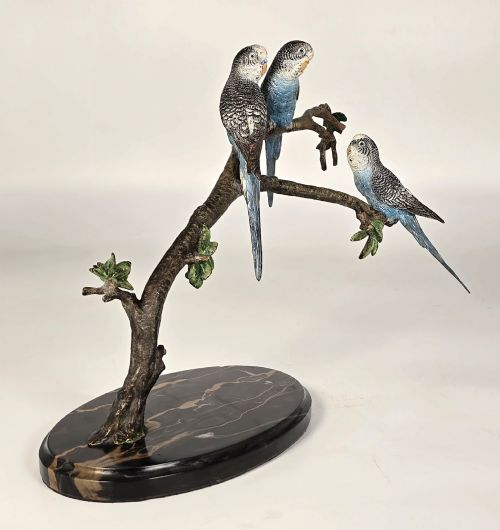
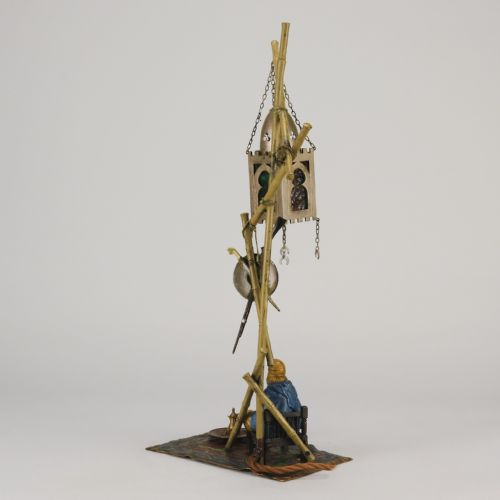
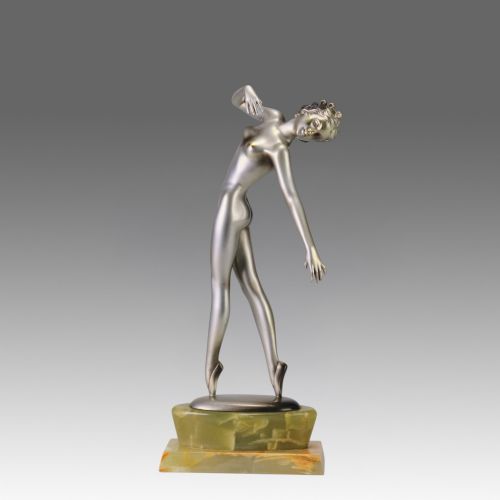
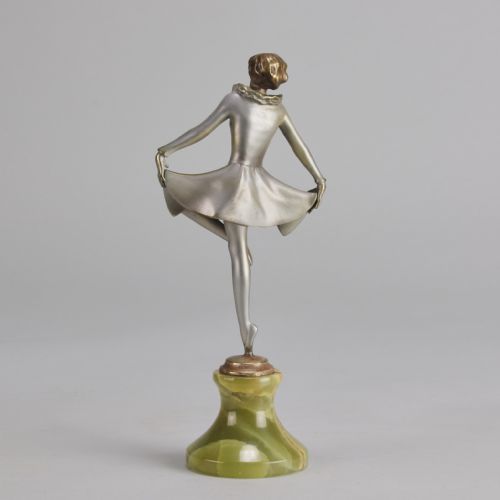
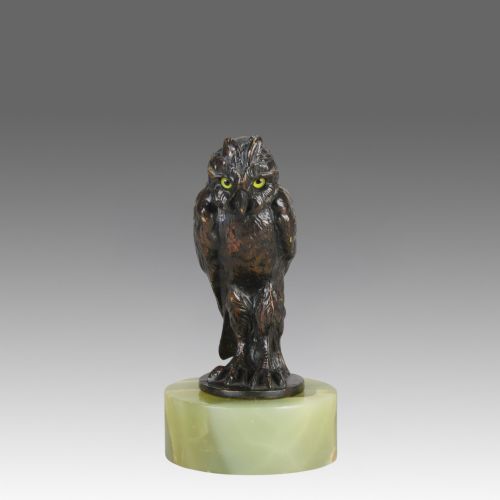
Cold painted sculpture spans human figures, animals, and architectural subjects cast primarily in bronze or spelter. The forms appear as freestanding figures, bookends, candlesticks, and structural groupings mounted on bases of marble or onyx.
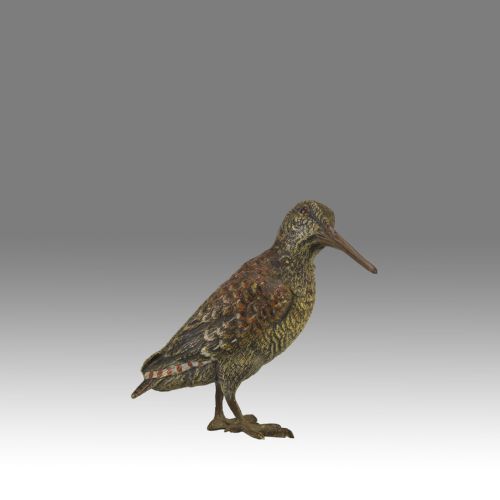
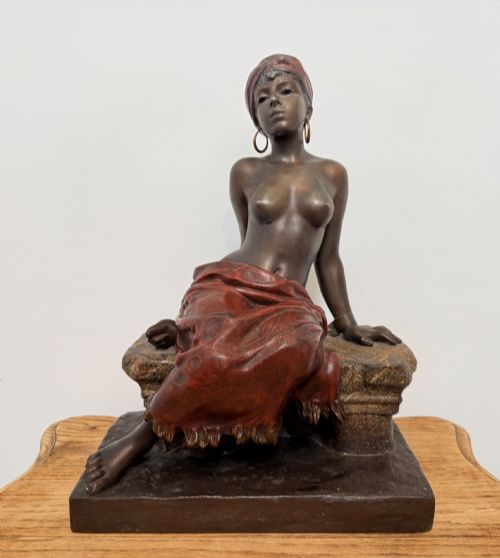
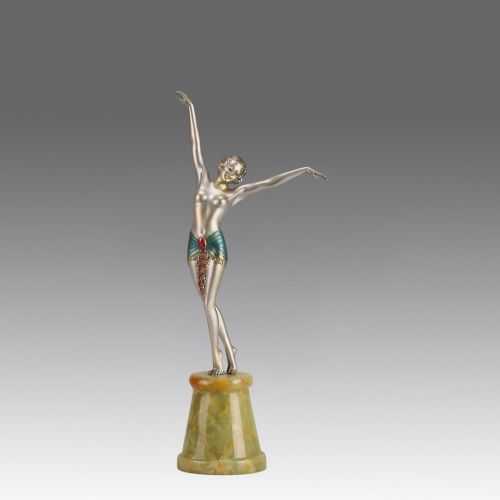
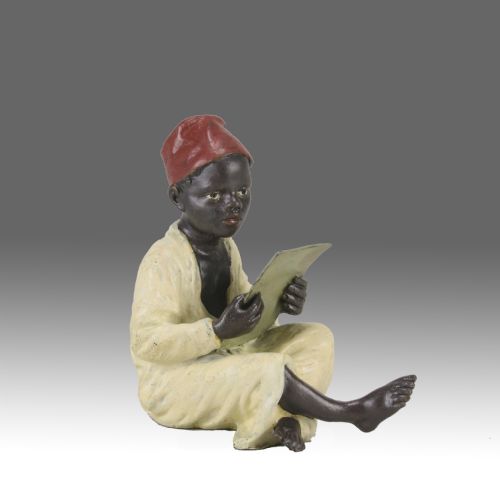
Most examples originate from Austrian foundries, particularly Vienna workshops active around the turn of the twentieth century. These pieces range from naturalistic depictions of birds and dogs to elaborate Orientalist figures and Art Deco dancers.
The aesthetic bridges several movements, with pieces reflecting Victorian naturalism, Art Nouveau curvature, and the geometric precision of the Art Deco period. Common themes draw upon Orientalism, native wildlife, and domestic pets.
Materials and technique
Foundries cast objects in bronze or spelter using traditional methods before applying several layers of non-fired oil paint directly onto the metal surface. This technique allows for polychrome details on garments, plumage, and skin.
Makers frequently mounted completed figures onto contrasting natural stones such as green onyx or marble. Certain items incorporate subsidiary elements like crystals, diamonds, or gilt highlights to enhance the visual composition.
Listings feature periods spanning from the Victorian era through the 1930s, utilising bronze, spelter, onyx, and marble.
Craftsmanship and finish
The refinement of the underlying metal casting dictates the definition in facial expressions, drapery folds, and animal anatomy. Superior items display crisp chiselling that persists beneath the pigment layers.
The preservation and subtlety of the multi-layered cold-painted surface separate standard production from exceptional work. Finer examples retain complex tonal gradations in the enamel paint rather than flat, uniform colouration.
Franz Bergman·Josef Lorenzl·Ferdinand Preiss·Pierre le Faguays·E Villanis
The Cold Painted Sculpture Glossary
- Cold paint
- A non-fired oil or enamel pigment applied to metal surfaces after casting. This medium requires careful handling because the paint does not undergo kiln firing.
- Vienna bronze
- Small-scale cast bronze figures produced in Austrian foundries during the late nineteenth and early twentieth centuries. These objects frequently depict animals or Orientalist human subjects.
- Spelter
- A zinc-based alloy utilised as an economical alternative to bronze for sculptural casting. It provides a lighter base for painted figures and figural candlesticks.
- Orientalism
- An artistic style focusing on Middle Eastern and North African subjects. Figures in this genre often include carpet sellers, dancers, and riders in traditional attire.
- Onyx
- A banded variety of chalcedony used as a heavy supportive base for cabinet sculptures. Green varieties appear frequently beneath twentieth-century animal studies.
Cold Painted Sculpture: Frequently Asked Questions
What is cold painted bronze?
Cold painted bronze refers to cast metal objects finished with oil-based paints that dry naturally without kiln firing. This method permits intricate polychromatic decoration across figures and animals.
The technique gained prominence in Austrian foundries during the Victorian era and remained popular through the Art Deco period. Artisans applied multiple translucent colour layers to simulate natural tones.
How do I clean these sculptures?
Cleaning requires dry methods such as a very soft brush to remove dust from crevices. Moisture and chemical solvents will damage the fragile oil pigments.
Because the paint sits unbonded on the metal surface, rubbing should be avoided entirely. Protective display away from direct sunlight preserves the original pigment integrity.
Where were these pieces made?
Production centred primarily in Vienna, Austria, alongside contributions from French and German studios. These workshops employed skilled modellers and painters to execute small-scale bronzes.
Export markets across Europe and beyond distributed the works widely to collectors. Austrian animal and Orientalist bronzes formed a significant portion of this output.
How to tell periods apart?
Nineteenth-century and Victorian pieces lean towards naturalism and classical subjects like mining or wildlife. Early twentieth-century works frequently embrace Orientalist themes.
Art Deco examples from the 1920s and 1930s feature stylised human dancers and geometric stone bases. Material choices also shift from heavy bronzes to spelter during economic periods.