


Cocktail Drinks Cabinet
A cocktail drinks cabinet is a dedicated piece for entertaining, offering fitted interiors and specialised storage for glassware and bottles to elevate home hosting.
Cocktail Drinks Cabinet
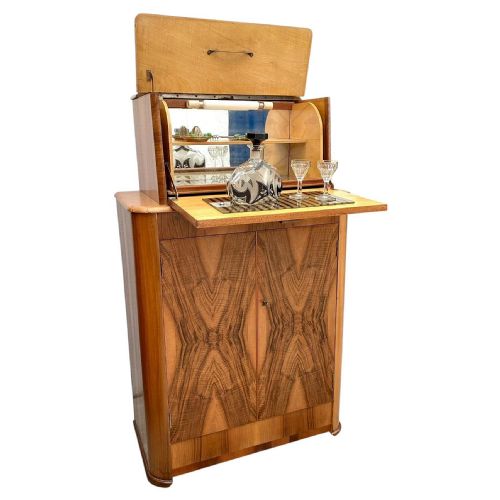
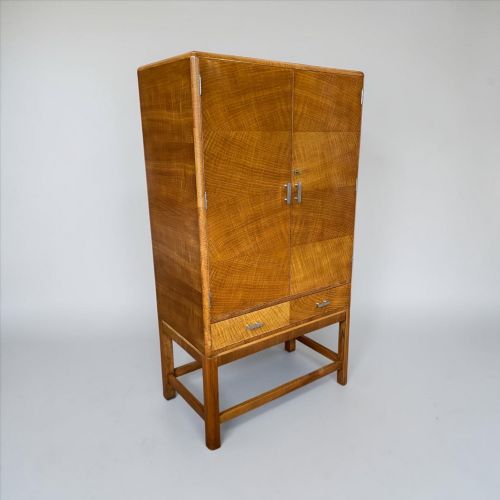
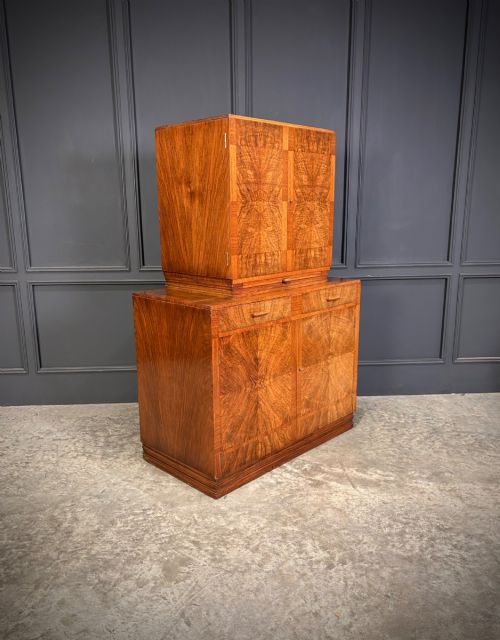
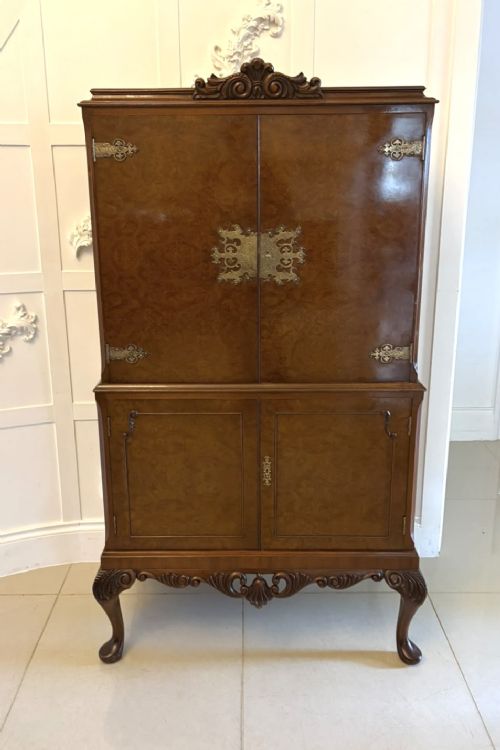
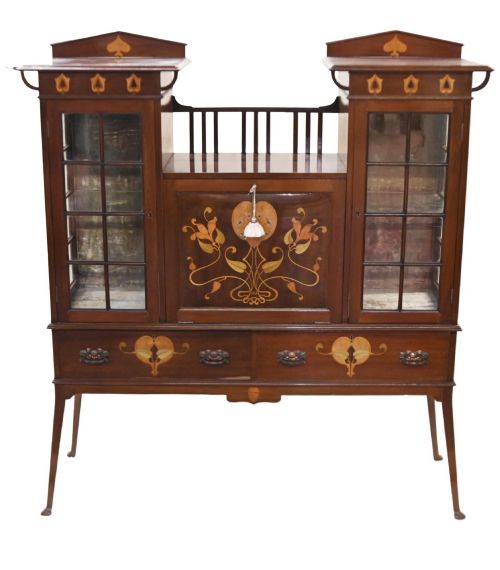
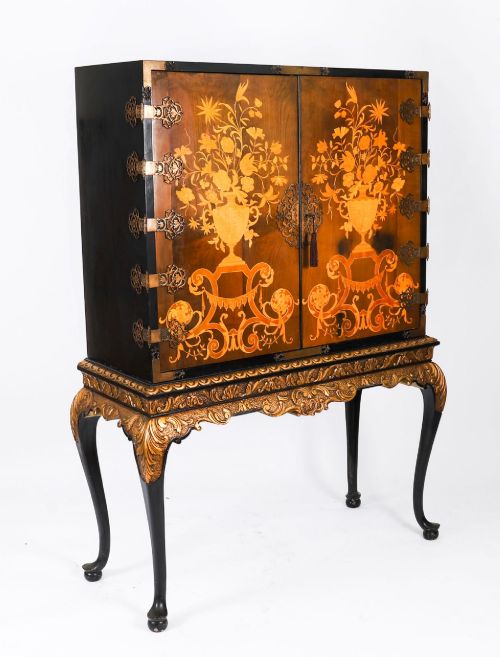
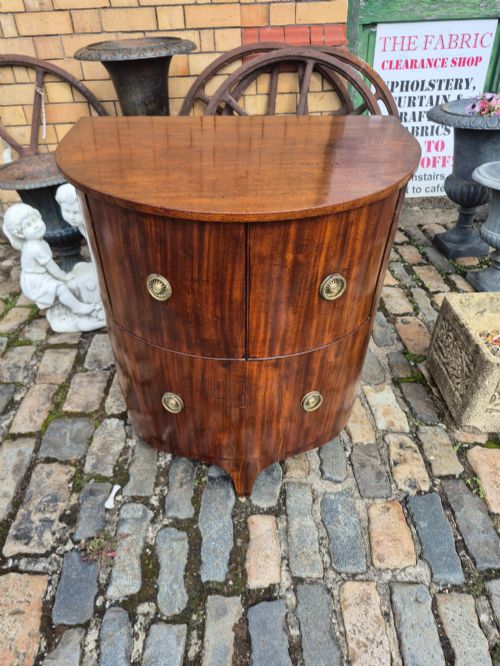
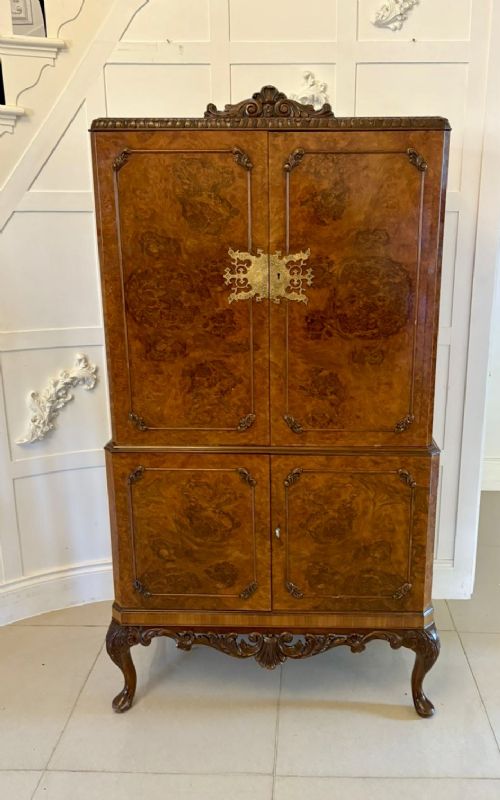
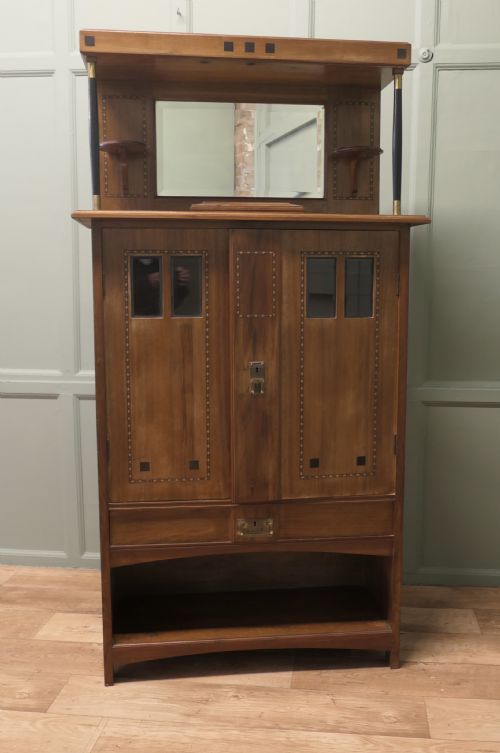
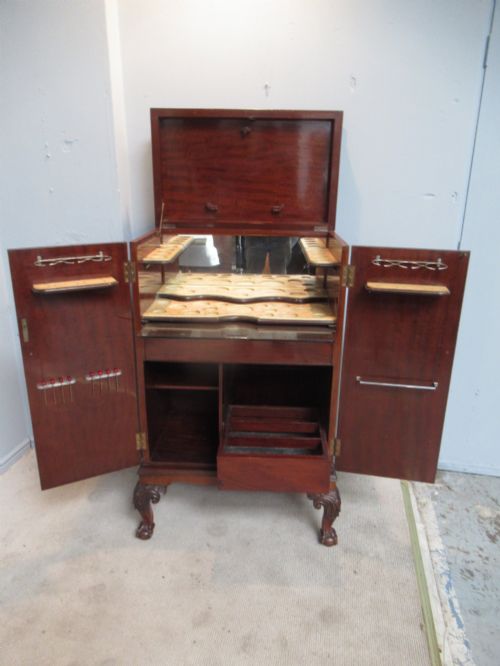
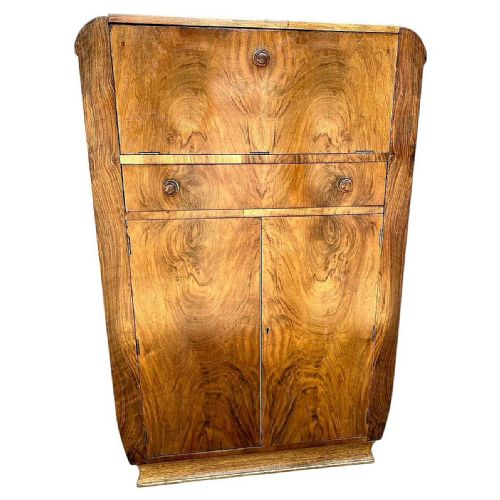
A cocktail drinks cabinet brings together specialised compartments for bottles, glassware and mixing equipment within a single piece of furniture. These cabinets originate from various periods including the Victorian era, the Edwardian period, and predominantly the 1920s and 1930s. Buyers frequently encounter burl walnut and mahogany examples shaped in the Art Deco style or drawing upon earlier revivals.
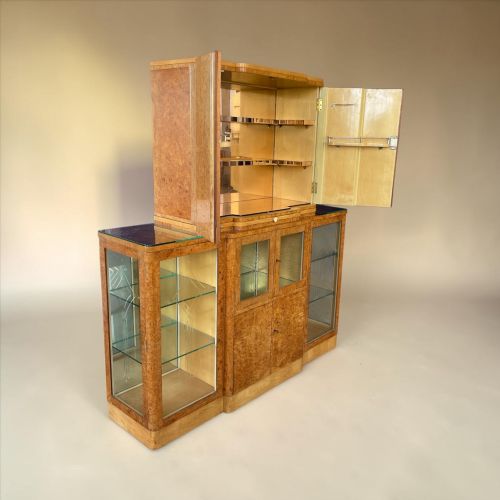
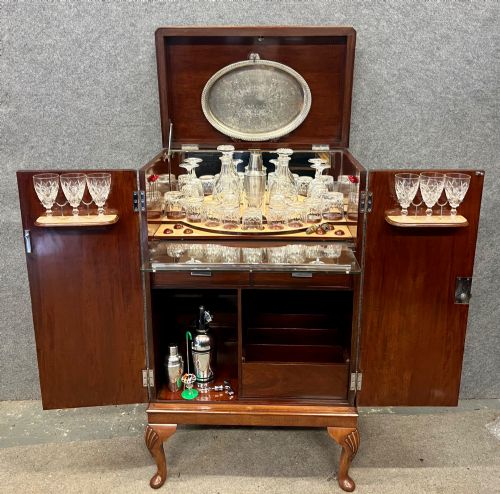
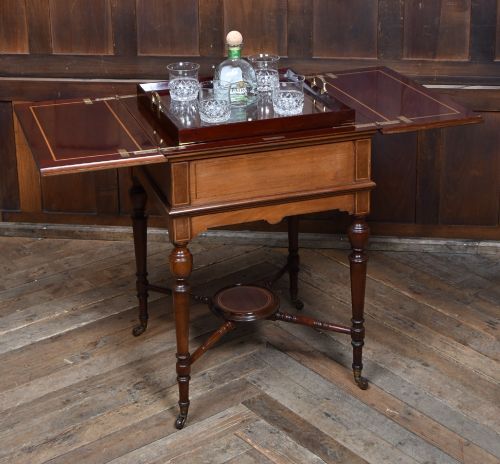
Forms range from compact serpentine front cupboards to larger standing units fitted with mirrors, drop-down serving flaps, and specialised internal lighting. Many pieces reflect specific regional design movements, spanning English production to French Art Deco and Swedish modernist styles. The selection includes everything from revolving dry bars to elaborate display cabinets designed specifically for hosting.
The prevailing varieties on this page combine period craftsmanship with functional entertaining spaces designed for the home. Whether selecting an Edwardian inlaid mahogany piece or a 1930s Art Deco burr walnut design, each cabinet provides a designated focal point for social gatherings. These pieces merge practical storage with decorative presence across multiple historical eras.
How they were made
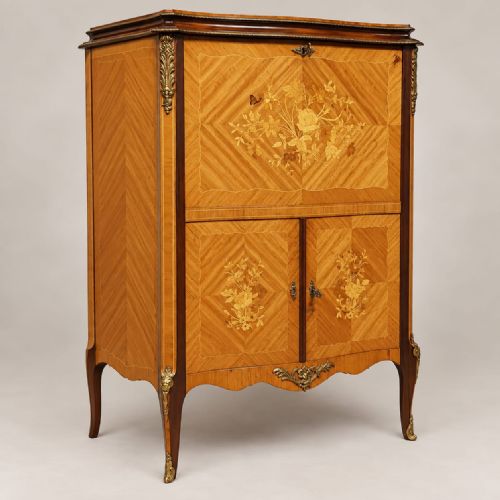
Cabinet makers utilised solid timbers and complex veneers, applying burr walnut, mahogany, satinwood, and rosewood over structural carcases. Surfaces frequently display careful crossbanding, marquetry, and parquetry patterns that highlight the natural grain of the wood. Brass hardware, handles, and cast-iron supports provide structural contrast and functional detailing.
Interiors often integrate mirrored panels, glass shelving, and pull-out slides designed to function as preparation surfaces for mixing drinks. Specialised joinery ensures that drop-down flaps and specialised compartments operate smoothly while supporting the weight of bottles and glassware. Certain pieces incorporate period electrical wiring for internal illumination.
French and English workshops employed distinct techniques, ranging from parchment inlays and lacquer work to traditional french polish finishes. The integration of specialised rotating mechanisms or drop-front desks demonstrates the ingenuity applied to entertaining furniture during the early twentieth century.
Cocktail Drinks Cabinet Retail Price Guide 2026
Typical asking prices for cocktail drinks cabinet among the pieces listed under this phrase on Sellingantiques today, from the lower quarter to the upper quarter. They describe what is for sale here now, not the wider market.
Art Deco and Edwardian styles dominate the historical periods represented across the available cabinet selection.
What varies in quality
The distinction between tiers rests upon the selection of timber veneers and the intricacy of the internal fittings. Cabinets displaying matched burr walnut figures or complex marquetry command greater attention than plain timber carcases. Superior examples integrate fitted mirror backs, internal lighting, and pull-out glass shelves with precise mechanical action.
Attribution to known makers or distinctive design movements elevates the standing of a piece considerably. Craftsmanship is visible in the alignment of drawer linings, the quality of brass hardware, and the preservation of original internal partitions for glasses and bottles. Pieces retaining their fitted mixing trays and original glass components represent the higher end of the range.
Harry and Lou Epstein·Maurice Jallot·Maurice Adams
The Cocktail Drinks Cabinet Glossary
- Burr walnut
- A prized timber harvested from the wart or burl growths of walnut trees, yielding highly figured, swirling grain patterns. It appears frequently on the exterior doors of 1920s and 1930s entertainment furniture.
- Serpentine front
- A furniture front shape characterised by a convex centre flanked by concave curves. This undulating profile requires skilled carpentry and adds visual movement to sideboards and cabinets.
- Crossbanding
- A decorative border technique where narrow strips of veneer are laid perpendicular to the grain of the main surface. It frames table tops, cabinet doors, and drawer fronts in contrasting timbers.
- Secessionist
- A design movement originating in central Europe around 1900 that rejected historical revivals in favour of geometric simplification and clean lines. Pieces from this aesthetic often feature restrained ornamentation.
- Marquetry
- The art of applying small pieces of veneer to a structure to form decorative patterns or pictorial scenes. Craftsmen cut various coloured woods to fit tightly together before gluing them to the carcase.
Cocktail Drinks Cabinet: Frequently Asked Questions
What is a cocktail drinks cabinet?
A cocktail drinks cabinet is a specialised piece of furniture designed to store bottles, glassware, and mixing accessories for entertaining guests at home. These units typically feature internal shelving, mirror backs, and dedicated spaces for glassware.
Most examples date from the early twentieth century, incorporating drop-down flaps that serve as preparation counters. Their interiors are arranged specifically for the service of drinks rather than general household storage.
How do I date a cocktail cabinet?
Dating a cabinet involves examining the timber types, hardware, joinery methods, and overall stylistic influences. Pieces from the Edwardian period often feature mahogany with satinwood inlay and standing on delicate cabriole legs.
Cabinets from the 1920s and 1930s frequently display Art Deco geometry, burr walnut veneers, and specialised chrome or brass fittings. Examining construction marks and internal mechanisms helps narrow down the decade of production.
How were these cabinets used?
These cabinets served as the social centrepiece for hosting visitors, keeping liquor and barware neatly organised behind closed doors. The drop-down front or sliding top provided an immediate surface for pouring drinks without needing a separate table.
Many designs included specialised compartments to hold cocktail shakers, stirring spoons, and specific types of stemware. They allowed hosts to prepare beverages efficiently within living rooms and dining spaces.
Where should I place a drinks cabinet?
A drinks cabinet suits living rooms, dining rooms, or entertaining spaces where guests naturally gather. Placing the unit away from direct sunlight protects vulnerable wood veneers and antique finishes from fading over time.
Sufficient clearance must be allowed around the piece to permit drop-down flaps to open fully and doors to swing without obstruction. This ensures both the safety of glassware and ease of access during social events.