


Cobalt Blue Rim Bowl
These cobalt blue rim bowl pieces bring historic porcelain, earthenware, and glass into the home, prized for their rich colour and traditional form.
Cobalt Blue Rim Bowl
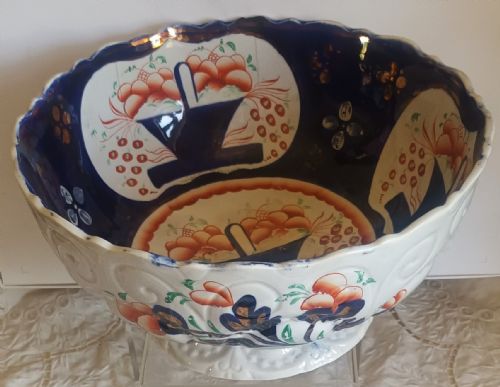
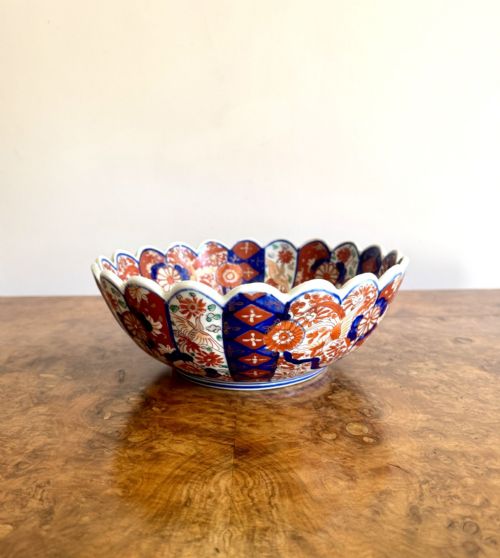
Buyers frequently encounter nineteenth century pottery alongside Japanese imari pieces and porcelain soup dishes. The forms vary from footed pottery bowls to scalloped edge vessels and glass monteiths.
How they were made
Pottery and porcelain pieces are shaped from ceramic materials, often decorated with enamel, gilding, or gold leaf accents. Cobalt glass is utilised for specific rim effects on glass vessels.
Ironstone and earthenware provide robust bodies for soup bowls, while delicate porcelain serves sugar bowls and punch bowls. Artisans apply traditional glazing techniques to secure the characteristic blue decoration.
What varies in quality
Quality separates through the precision of the cobalt application and the crispness of the painted or transferred patterns. Finer pieces demonstrate superior potting skill and well-preserved surface gilding.
Age and provenance influence the standing of each item, with sixteenth century kraak porcelain and Georgian glassware representing distinct levels of historic craftsmanship.
Doulton Burslem·Grainger and Co Royal Worcester·Moorcroft
The Cobalt Blue Rim Bowl Glossary
- Cobalt blue
- A deep blue pigment derived from cobalt minerals, utilised extensively for ceramic glazes and glass rims. It maintains its intensity under high kiln temperatures.
- Monteith
- A type of bowl featuring a scalloped or notched rim, historically used for chilling wine glasses. Georgian examples often incorporate blue glass elements.
- Kraak porcelain
- Chinese export porcelain produced during the late Ming dynasty, typically featuring panelled border designs and central cobalt decoration. Sixteenth century pieces are highly regarded by collectors.
- Ironstone
- A type of durable earthenware patented in the nineteenth century, designed to resist chipping. It provides a sturdy base for soup bowls and tableware.
Cobalt Blue Rim Bowl: Frequently Asked Questions
How do I date an old bowl?
Dating relies on identifying the underlying material, such as ironstone, earthenware, or porcelain, alongside stylistic clues from periods like the Georgian era or the nineteenth century.
Maker marks, where present on the base, provide further confirmation of the workshop and production decade.
Can I use these bowls daily?
While robust ironstone and porcelain soup bowls were made for regular dining, antique items with gold leaf, enamel, or delicate glass rims require careful handling.
Gentle hand washing preserves the cobalt decoration and prevents surface wear on older ceramic pieces.
What is Japanese imari style?
Japanese imari refers to ceramics decorated in rich cobalt blue, iron red, and gold, produced for both domestic and export markets around nineteen hundred.
Scalloped edges and complex panel designs are typical characteristics of this tradition.
How should I display my bowl?
Positioning a footed pottery bowl or punch bowl on a stable surface allows the cobalt blue rim to catch the light effectively.
Displaying pieces away from direct heat sources protects the enamel and gilding over time.