
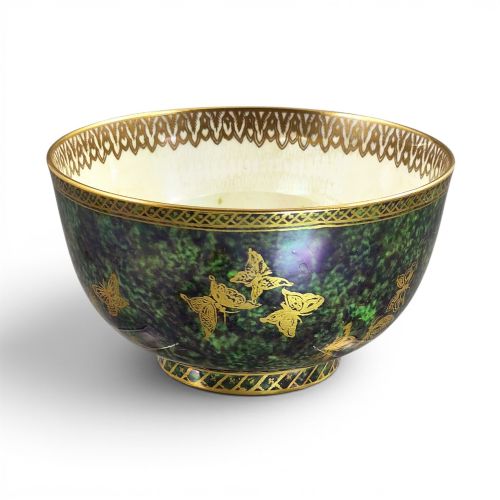


Gilt Porcelain Centerpiece Bowl
When you want a gilt porcelain centerpiece bowl, you are looking for an ambitious table centre that combines ceramic form with metal mounts and gilding.
Gilt Porcelain Centerpiece Bowl
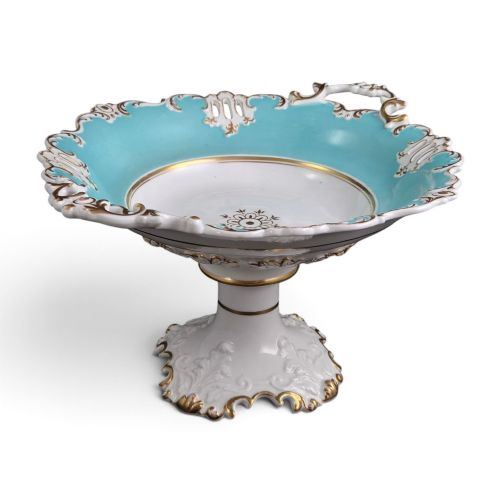
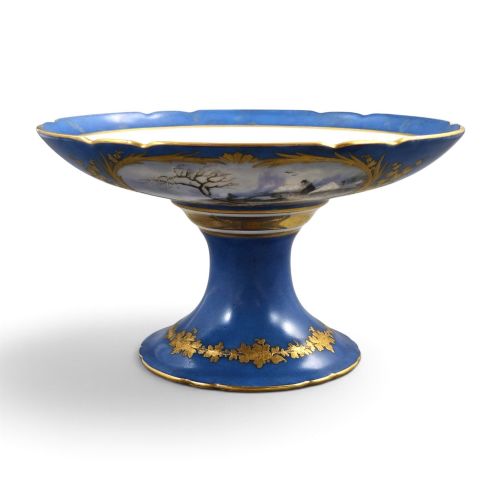
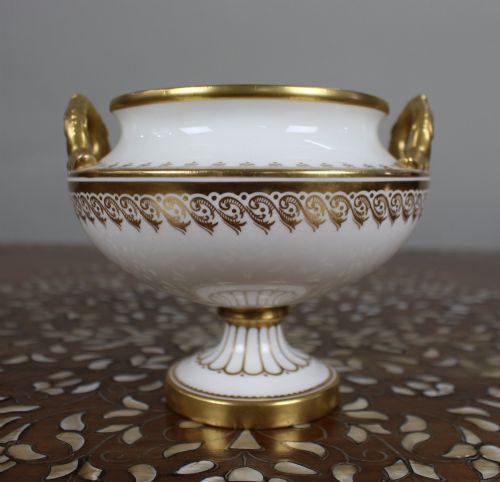
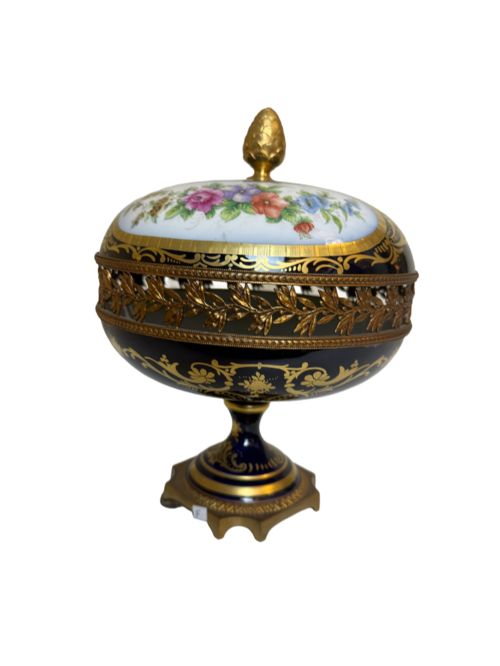
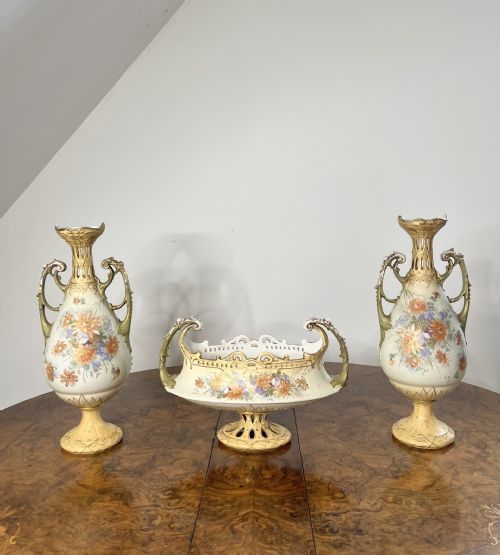
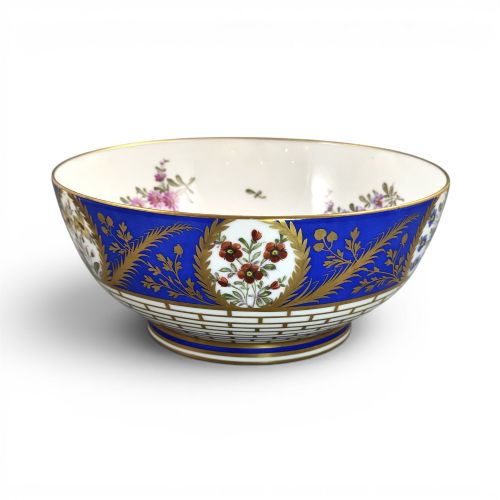
A gilt porcelain centerpiece bowl brings together European and Asian ceramic traditions with decorative metalwork, functioning primarily as a table centre or decorative display piece. The pieces seen here span from the Georgian period through the Victorian era and into the early twentieth century, taking forms such as footed bowls, tazzas, comports, and urns. Makers ranged from major English factories like Royal Worcester and Wedgwood to continental European houses including Sèvres, Limoges, and German porcelain works.
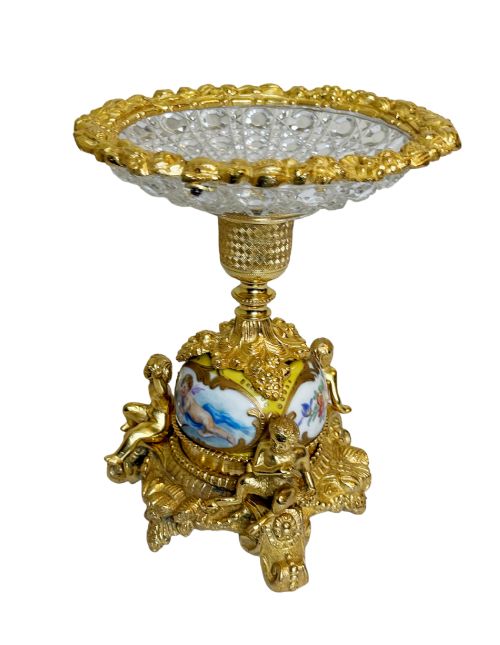
The most common examples on this page are nineteenth-century French and English productions, often incorporating gilt bronze or ormolu mounts alongside hand-painted enamels. Alongside these European works, Japanese Imari and Chinese Canton or Famille Rose porcelains appear frequently, demonstrating the global exchange of ceramic styles during the Victorian and Edwardian periods.
How they were made
The manufacture of these objects combines high-fired ceramic bodies with applied metalwork, utilising porcelain, bone china, or ironstone as the primary substrate. Artisans applied gold leaf, gilding, and enamels by hand, sometimes combining these with champlevé enamel or cut crystal elements.
Metal mounts in gilt bronze or ormolu were cast separately and secured to the ceramic vessels, requiring precise engineering to join rigid metal to fired clay without damaging the glaze.
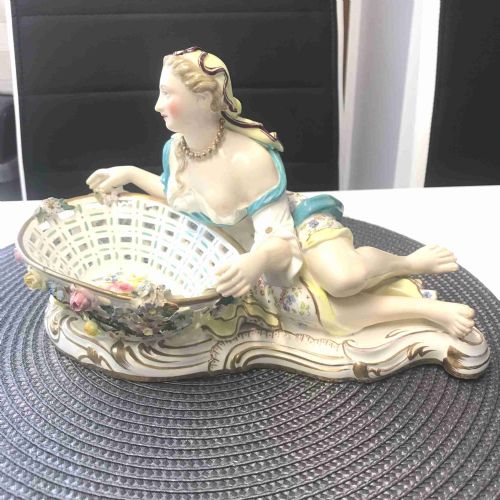
Several Victorian centerpieces feature cheerful ceramic putti and cherubs clinging permanently to the rims, apparently assisting with the floral display.
What varies in quality
Quality in these bowls rests on the crispness of the hand-painting, the weight and detail of the bronze or ormolu mounts, and the purity of the porcelain body. Superior pieces display intricate figural work, such as applied roses or putti, executed with sharp definition rather than soft, blurred modeling.
The integration between the ceramic vessel and its metal mounts dictates the grade of the piece, where secure fitting and harmonious proportion separate standard factory output from exceptional studio work.
Coalport·Sèvres·Limoges·Meissen·Samson Paris·Wedgwood·Royal Worcester·Doulton Burslem·C.G. Schierholz·Mason's·Royal Dux
The Gilt Porcelain Centerpiece Bowl Glossary
- Ormolu
- Gilded bronze used for mounts and decorative feet on porcelain bodies. It provides a heavy, golden framing for the ceramic centre.
- Tazza
- A shallow bowl or cup mounted on a stem and foot, designed for serving fruit or sweets. It sits elevated above the dining surface.
- Comport
- A large standing dish used for dessert or fruit service on nineteenth-century tables. It shares a similar elevated function with the tazza.
- Champlevé
- An enamelling technique where troughs are carved into metal and filled with vitreous enamel before firing. It appears on metal mounts accompanying porcelain.
- Famille Rose
- A palette of opaque enamels dominated by pink, used on Chinese export porcelain and imitated in Europe. The colours were introduced during the Qing dynasty.
Gilt Porcelain Centerpiece Bowl: Frequently Asked Questions
What is a centerpiece bowl used for?
These large vessels were designed to occupy the middle of a dining table, holding fruit, flowers, or sweetmeats during formal meals.
Over time, their function shifted from active dining service to static display on sideboards, mantelpieces, or dedicated cabinets.
How do I date a porcelain bowl?
Dating relies on factory backstamps, ceramic body composition, and stylistic clues such as the transition from Rococo Revival to Art Nouveau.
Reference marks specific to manufacturers like Wedgwood or Royal Worcester provide precise production years, while un-marked pieces require stylistic comparison.
Are gilt mounts original to the porcelain?
Most quality nineteenth-century bowls were conceived with their ormolu or gilt bronze mounts as a single design.
Some European pieces were exported as plain white blanks and mounted later by specialist retailers in Paris or London.
How do I care for antique gilding?
The surface requires gentle dusting with a dry, soft brush to prevent the abrasive removal of delicate gold leaf and enamel.
Moisture and chemical cleaners must be avoided entirely, as they damage both the historic gilding and the underlying glaze.