

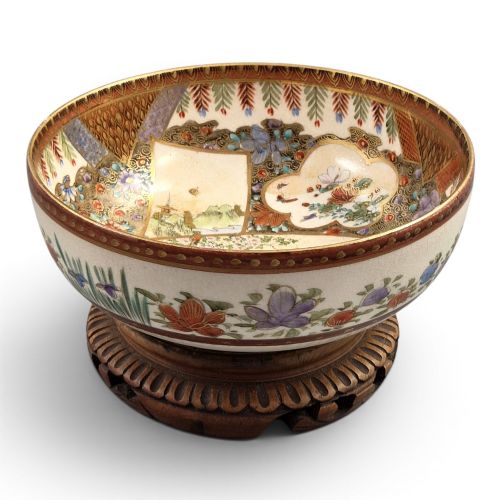


Decorative Porcelain Centerpiece
A decorative porcelain centrepiece brings scale and colour to a room, drawing the eye with painted scenes, gilding and sculptural form.
Decorative Porcelain Centerpiece
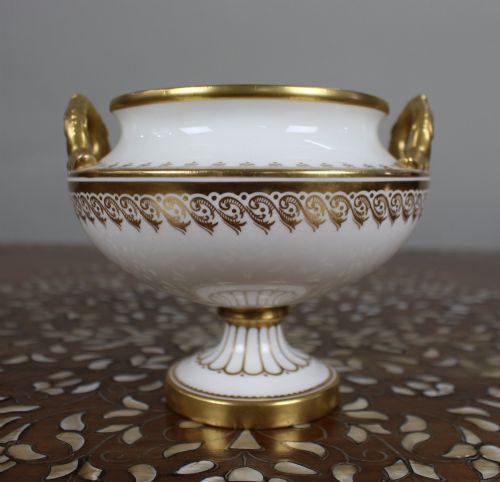
A decorative porcelain centrepiece acts as a focal point for a table, cabinet or sideboard, taking the form of large bowls, footed dishes, baskets and figurative mounts. These items originate from 18th-century, 19th-century and early 20th-century workshops across Europe and Asia, reflecting distinct regional tastes in domestic display.
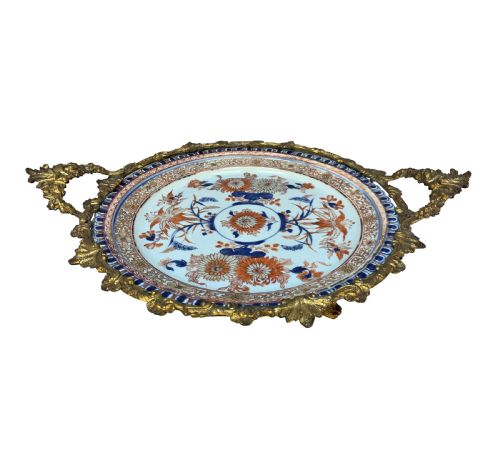
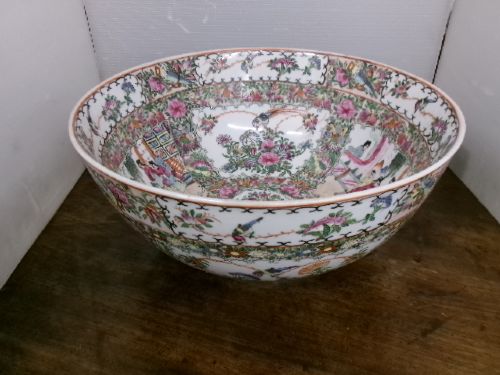
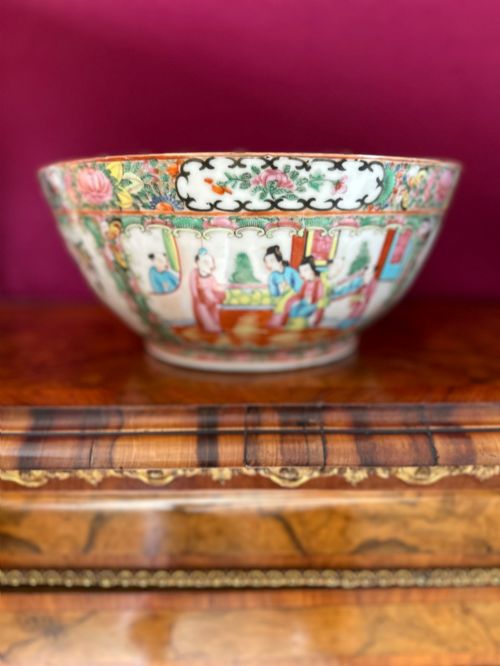
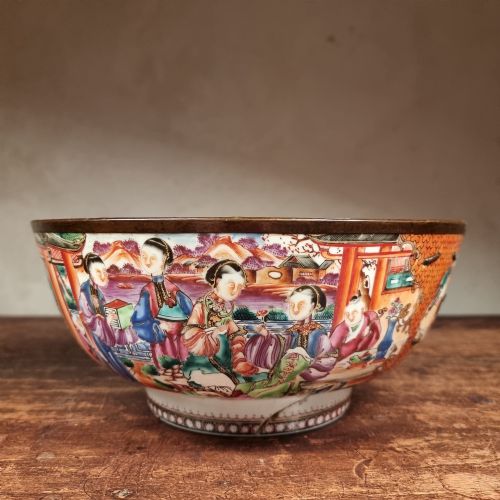
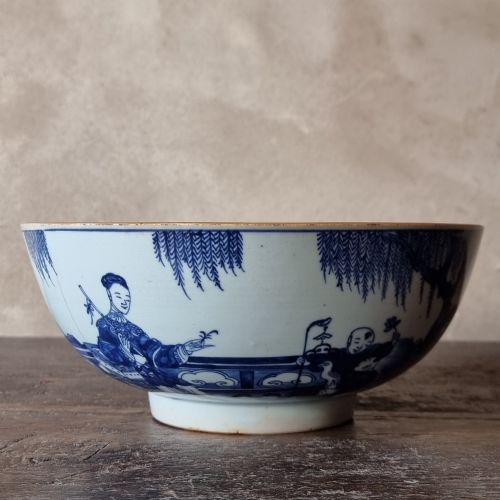
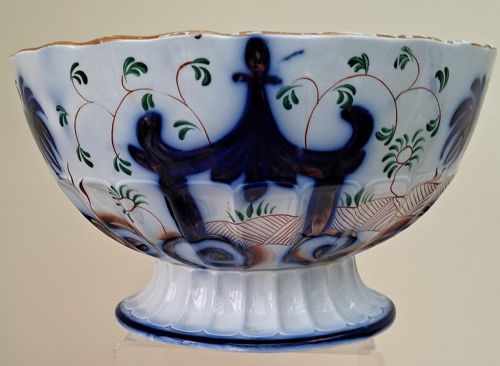
Japanese Imari and Chinese Canton export wares form a significant share of the available pieces, alongside European porcelain from English factories such as Royal Worcester and Doulton Burslem, as well as French and German houses. Buyers frequently encounter heavily patterned punch bowls, scenic landscape vessels and figural centrepieces dating from the Victorian and Edwardian eras.
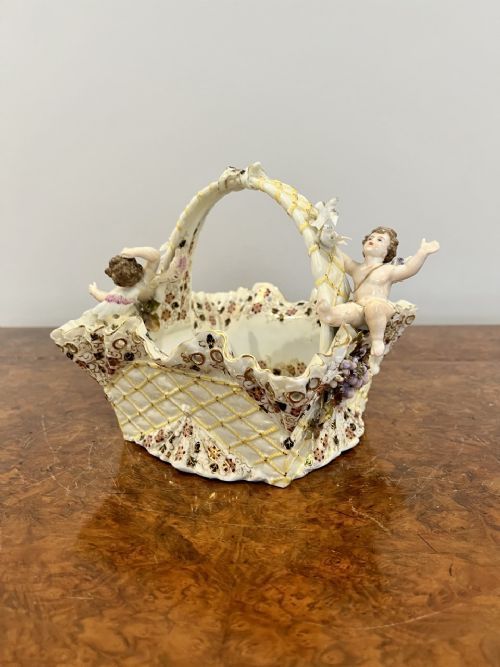
The practical function of these pieces shifted over time from serving punch and food to purely decorative display on tables and mantels. Their survival depends heavily on the robustness of their original forms, ranging from sturdy ironstone punch bowls to delicate flower-encrusted baskets.
Materials and construction
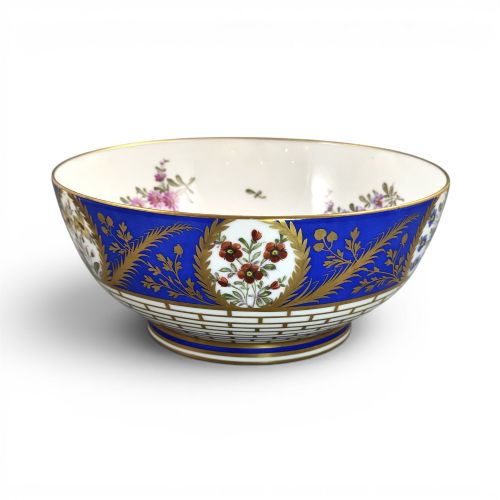
Makers shaped hard-paste and soft-paste porcelain body clays before applying underglaze cobalt blue, enamel colours and hand-painted motifs. Many examples incorporate gilding, gold leaf and intricate glaze effects to enrich the finished surface.
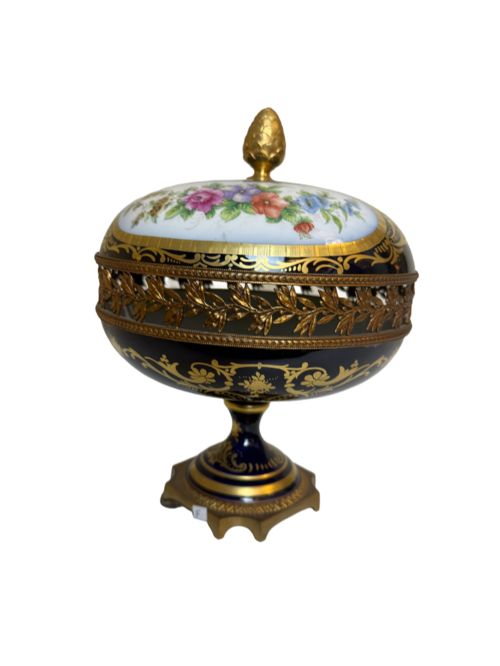
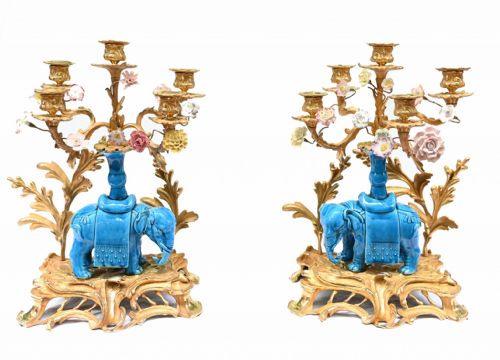
European centrepieces frequently combine ceramic bodies with cast metal elements such as ormolu, gilt bronze and champlevé enamel mounts. These metal fittings provide structural support for heavy porcelain bowls and add architectural definition to the design.
Elephants feature as porcelain candle holders and figurines, proving that dining tables once required exotic beasts.
Assessing quality and execution
Quality rests upon the crispness of the hand-painted brushwork, the depth and registration of polychrome enamels, and the precision of the gilt detailing. Superior pieces display meticulous control in fine line work and facial expressions on figurative elements.
The integration of metal mounts in European items marks a distinction between standard production and luxury manufacturing. Well-cast ormolu and champlevé enamel mounts fit the ceramic contours seamlessly, enhancing the overall harmony of the object.
Samson Paris·Wedgwood·Kozan·Rockingham Porcelain·Sevres·Doulton Burslem·Ryuzan·Royal Worcester·Schierholz·Royal Dux·Mason's Ironstone
The Decorative Porcelain Centerpiece Glossary
- Imari
- A Japanese export porcelain style featuring rich underglaze blue, iron red and gilt decoration. This palette is applied in dense geometric and floral panels.
- Ormolu
- Gilded bronze used widely for mounts, feet and handles on 19th-century European porcelain centrepieces. It provides a bright metallic contrast to the ceramic body.
- Famille Rose
- A palette of Chinese porcelain enamels dominated by opaque pink or rose colours. The style gained popularity during the 18th and 19th centuries for large punch bowls.
- Champlevé
- An enamelling technique where troughs are carved into a metal surface and filled with vitreous enamel paste before firing. It appears on decorative mounts of French centrepieces.
- Lustre
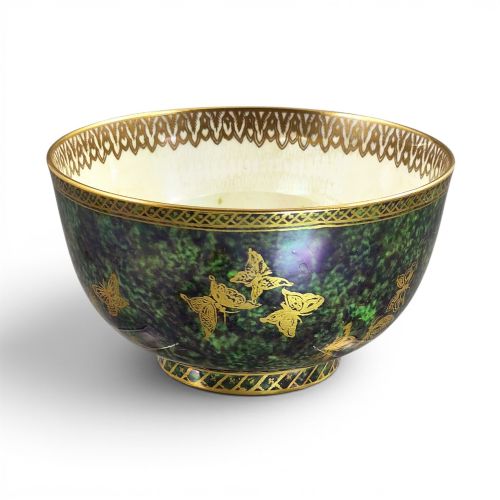
- A metallic ceramic glaze that produces an iridescent, glowing surface effect. Wedgwood pieces from the early 20th century utilise this technique extensively.
Decorative Porcelain Centerpiece: Frequently Asked Questions
How were these centrepieces used historically?
These large porcelain vessels were originally placed at the centre of dining tables to serve punch, fruit or sweetmeats during formal meals. As dining habits changed, they transitioned into permanent display objects placed on sideboards and pedestals.
Their substantial size and decorative painting allowed hosts to demonstrate wealth and taste to their guests during gatherings.
How do I clean and care for a porcelain centrepiece?
Dust the surface regularly with a soft, dry brush to prevent dirt accumulation in crevices and painted areas. Avoid using harsh chemical cleaners or submerging pieces with metallic mounts or delicate enamel in water.
Display the item away from direct sunlight and areas prone to heavy vibrations to protect fragile handles, rims and applied flower details.
What distinguishes an Edwardian centrepiece from a Victorian one?
Victorian centrepieces frequently display heavier gilding, deep saturated enamel colours, and elaborate figural or floral encrustation. The overall aesthetic prioritises ornate and densely decorated surfaces.
Edwardian examples often show lighter pastel tones, refined Art Nouveau or revived classical lines, and simplified mounting styles that reflect changing domestic tastes of the early 20th century.