




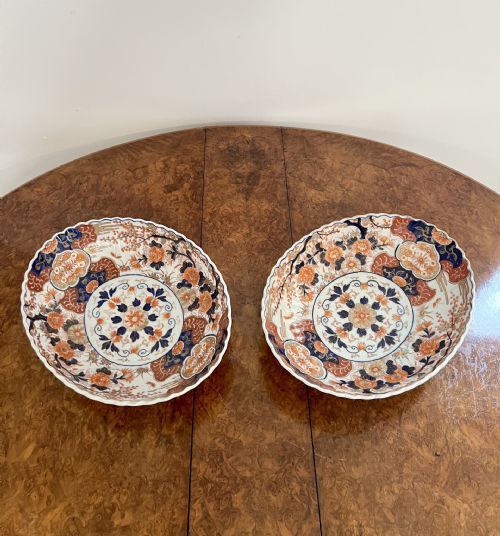


Cobalt Blue Red Bowl
A cobalt blue red bowl brings rich hues and intricate patterns to a room, offering a striking display piece for the collector.
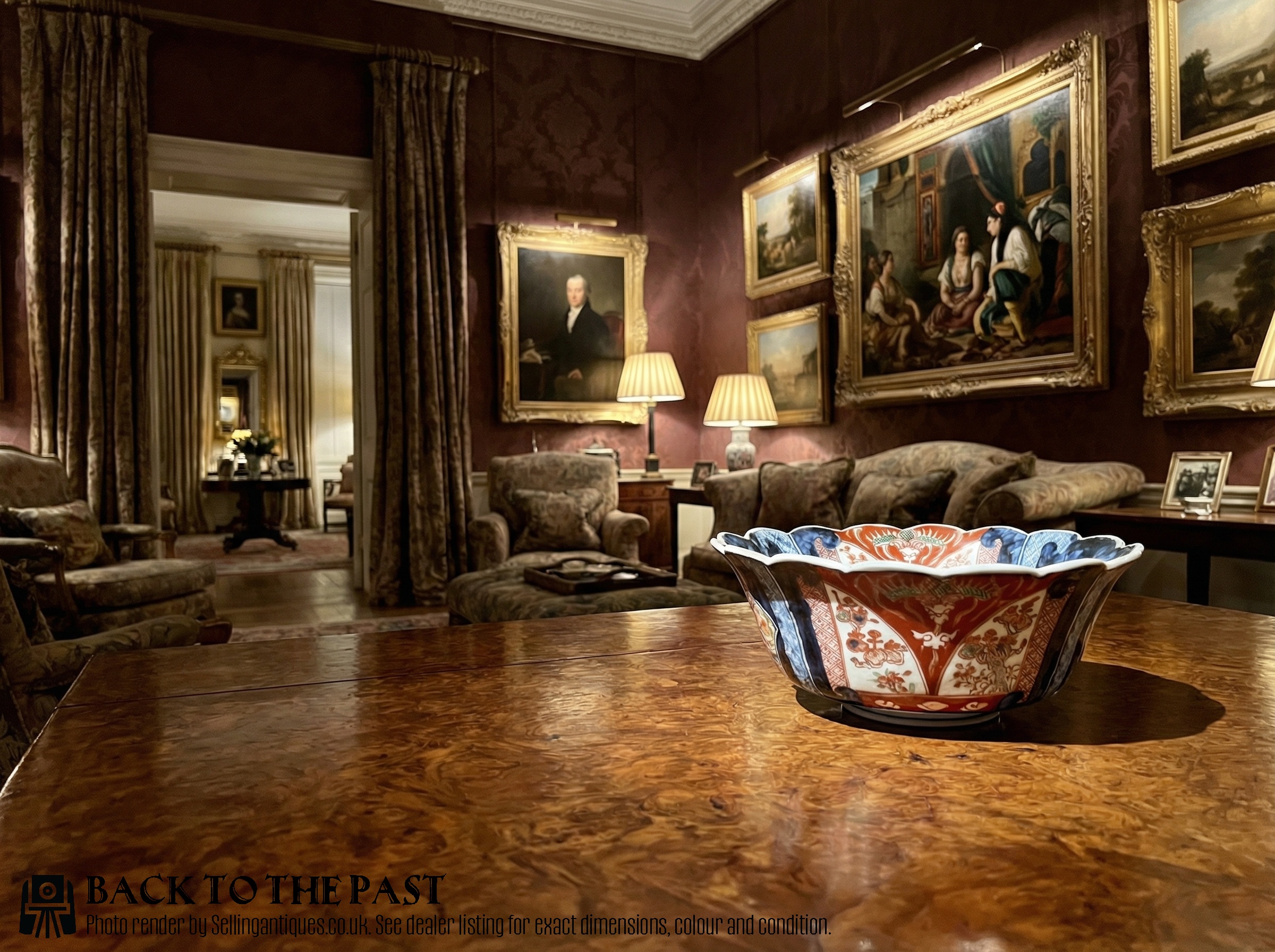
Cobalt Blue Red Bowl
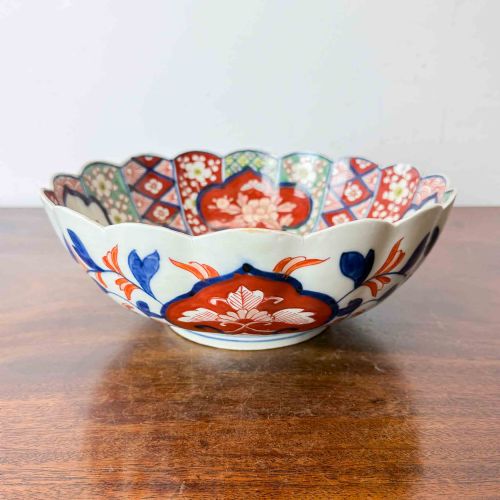
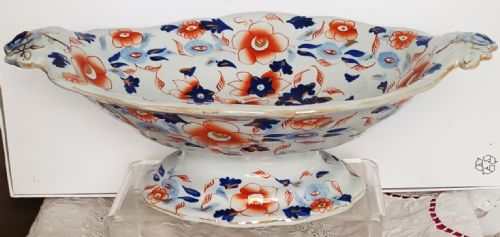
When you search for a cobalt blue red bowl, you encounter striking vessels spanning the eighteenth, nineteenth, and early twentieth centuries. These decorative pieces predominantly feature Japanese Imari porcelain alongside select English ironstone and ceramic wares.
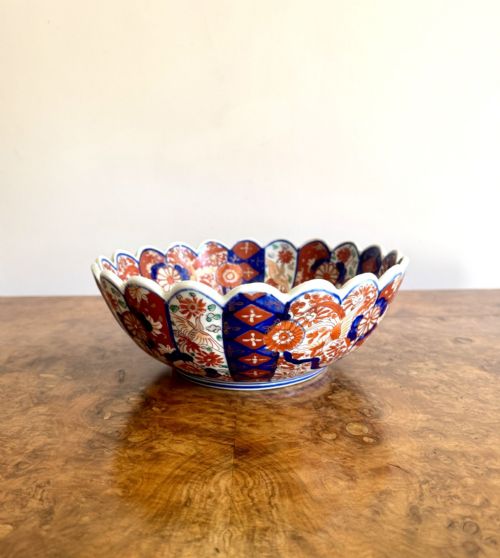
The assortment on this page most frequently presents scalloped edge bowls, plates, and comports from the nineteenth century and the Meiji period. Makers from these eras utilised distinct palettes of deep cobalt and iron red, often accented with gilding, to create functional and display items.
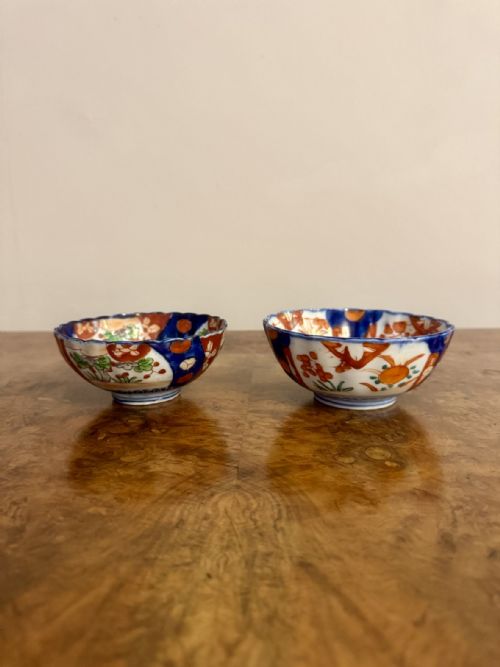
Buyers will find everything from small domestic dishes to large jardinieres and centrepieces. The overarching aesthetic relies on traditional patterns that combine rich blues and vibrant reds across various bowl shapes.
What varies in quality
The precision and density of the hand-painted cobalt and red pigments dictate much of the visual appeal. Superior examples display crisp, saturated lines and carefully registered motifs that cover the porcelain surface without blurring.
The application of gold leaf or gilding alters the perceived refinement of a piece, with finer works showing meticulous accenting along scalloped edges and rims. The complexity of the vessel form, such as deep fluting or hexagonal shaping, also separates standard items from exceptional ones.
Listings span multiple centuries, incorporating eighteenth-century export pieces, nineteenth-century Japanese Imari, and early twentieth-century British ironstone.
Royal Davenport·Moorcroft
The Cobalt Blue Red Bowl Glossary
- Imari
- A traditional style of Japanese porcelain featuring distinctive cobalt blue, iron red, and gold decoration. These wares were heavily exported to Europe from the Edo period onward.
- Comport
- A raised decorative dish or bowl used traditionally for serving fruit or sweets at the table. It sits on a distinct foot or pedestal.
- Jardiniere
- A large ornamental pot or bowl designed to hold live plants or flowers. They often feature robust ceramic or porcelain construction to support soil and water.
- Ironstone
- A type of durable commercial earthenware developed in Britain as a sturdy alternative to porcelain. It often carried transfer-printed or hand-painted Imari-style patterns.
- Meiji Period
- A Japanese historical era spanning from 1868 to 1912 characterised by increased international trade and prolific export ceramics production.
Cobalt Blue Red Bowl: Frequently Asked Questions
How do I style a cobalt blue red bowl at home?
These colourful vessels work well as standalone centrepieces on dining tables, sideboards, or open shelving. Their vibrant palettes complement neutral wood surfaces and traditional interiors.
Position them where natural light can catch the glazed porcelain and any applied gilding. Avoid overcrowding them with other items so the detailed patterns remain fully visible.
Were these bowls used for food or display?
Many items, such as tea sets, comports, and smaller dishes, were produced for domestic dining and serving. Over time, their decorative qualities led owners to use them primarily for display.
Larger vessels like jardinieres and deep display bowls served more specific ornamental or horticultural purposes in period homes. Today, most owners continue this tradition of decorative exhibition.
How do I distinguish Meiji period Imari?
Meiji period Imari pieces typically date from the late nineteenth or early twentieth century and show brisk, confident brushwork. The palette relies on deep underglaze blue combined with iron red and touches of gold.
Examining the foot ring and the weight of the porcelain helps identify the era. These pieces reflect the active export market directed toward European and British buyers during that time.
What is the difference between porcelain and ironstone bowls?
Porcelain is a vitrified, translucent ceramic fired at high temperatures, producing a thin and resonant body. It forms the basis of most Japanese Imari pieces found in this category.
Ironstone is a heavier, opaque earthenware developed in Britain to mimic porcelain's durability. English examples often adopt Japanese Imari patterns while retaining a thicker, more utilitarian body.