




Cobalt Blue Iron Red China
Cobalt blue iron red china brings rich saturated hues and contrasting metallic tones straight to your table through centuries of Imari and export traditions.
Cobalt Blue Iron Red China
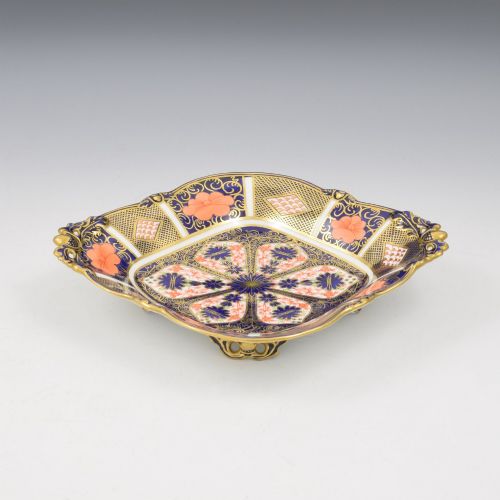
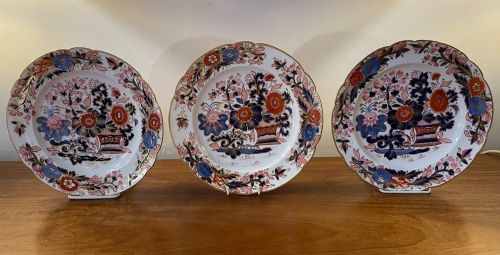
When you search for cobalt blue iron red china, you encounter pieces defined by a striking palette of deep underglaze blue and vibrant iron red enamel, frequently accented with gold leaf. The items on this page span decorative plates, chargers, vases, bowls, and teacups originating from Japanese, Chinese, and English kilns.
You are most likely to meet Japanese Imari plates and vessels alongside English adaptations from factories such as Royal Crown Derby and Stevenson & Hancock. These span periods from the eighteenth century through the Victorian and Edwardian eras, displaying classic Imari patterns and Chinese export designs.
Materials and construction
Potters built these items using porcelain, bone china, and earthenware bodies shaped into plates, vessels, and serving trays. The distinct coloration relies upon cobalt oxide applied under the glaze for the deep blue tones, combined with iron-rich enamel applied over the glaze to achieve the characteristic red hues.
Many examples incorporate additional decorative layers including gold gilt and gold leaf gilding. Artisans executed these designs through hand painting techniques, binding the mineral pigments and metallic accents to the ceramic surface through multiple kiln firings.
Cobalt Blue Iron Red China Retail Price Guide 2026
Typical asking prices for cobalt blue iron red china among the pieces listed under this phrase on Sellingantiques today, from the lower quarter to the upper quarter. They describe what is for sale here now, not the wider market.
Listings feature porcelain and earthenware bodies decorated with enamel, glaze, and gold leaf across Victorian, Edwardian, and eighteenth-century periods.
Assessing quality and execution
The distinction between ordinary and superior pieces rests upon the precision of the hand painting and the depth of the cobalt pigment. Stronger examples display crisp brushwork where the iron red and cobalt blue register cleanly without muddying the underlying glaze.
Surface richness also dictates tier, particularly in how effectively gold leaf or gilding integrates with the primary palette. Better executed items demonstrate greater control in their kiln work, resulting in balanced glaze surfaces and well-defined decorative motifs across plates and vases.
Royal Crown Derby·Stevenson and Hancock·Masons Patent Ironstone
The Cobalt Blue Iron Red China Glossary
- Imari palette
- A decorative style utilising deep cobalt blue, iron red, and gold, originating in Japan and widely copied in Europe. This palette creates the dominant visual characteristic found across the items listed here.
- Underglaze blue
- Pigment applied directly to the ceramic body before the transparent glaze layer is added and fired. This technique protects the cobalt colour from wear during daily use.
- Enamel
- Opaque glass-like material applied over the fired glaze to provide secondary colours such as iron red. It sits slightly raised on the surface compared to underglaze decoration.
- Charger plate
- A large decorative plate serving as a base or centrepiece rather than for direct food service. These items often showcase the most elaborate painted compositions.
- Ironstone
- A dense, durable type of earthenware developed in the nineteenth century to imitate porcelain. It provides a sturdy white body well-suited for enamelled decoration.
Cobalt Blue Iron Red China: Frequently Asked Questions
What is cobalt blue iron red china?
These ceramics are decorative and utilitarian wares painted in a distinct palette that pairs deep underglaze blue with vibrant iron red enamel. They encompass traditional Japanese Imari work, Chinese export pieces, and English interpretations.
Potters across different centuries utilised these specific mineral colours to create high-contrast geometric and floral motifs, often highlighted with gilding.
How were these decorative pieces used?
Many items functioned as formal tableware, including plates, teacups, saucers, and serving trays meant for dining display. Larger chargers and vases served primarily as decorative ornaments within domestic interiors.
Owners typically placed these brightly coloured wares on sideboards, walls, or mantelpieces to catch the light and display status.
How do I care for antique china?
These ceramic items require gentle hand washing in warm water using mild soap to preserve the delicate overglaze enamels and gold leaf. Harsh detergents and modern dishwashers will degrade the painted surfaces over time.
Store plates in padded racks and avoid stacking heavy vessels directly on top of one another to prevent surface scratching.
How do I tell Japanese Imari from English copies?
Japanese export pieces from the Meiji period or earlier often feature characteristic paste textures and unglazed foot rims typical of Eastern kilns. English factories like Royal Crown Derby adapted these motifs using their own refined bone china bodies and factory backstamps.
Examining the weight, translucency of the porcelain, and any impressed or painted marks helps clarify the geographic origin of the piece.