
Cobalt Blue Gold China
Cobalt blue gold china brings together rich deep blues and gleaming metallic highlights across decorative plates, vases, and tea services.
Cobalt Blue Gold China
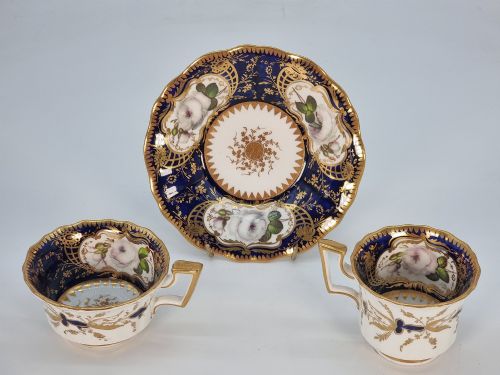
When you search for cobalt blue gold china, you encounter decorative porcelain and bone china items produced across the eighteenth, nineteenth, and twentieth centuries. These pieces encompass cabinet plates, serving dishes, vases, and complete tea or coffee services created by prominent English and European factories.
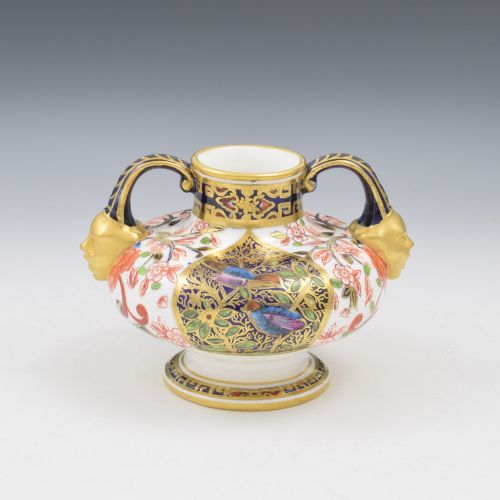
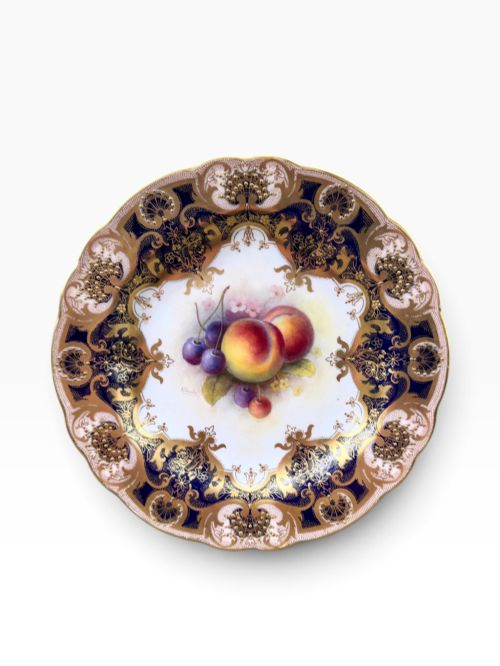
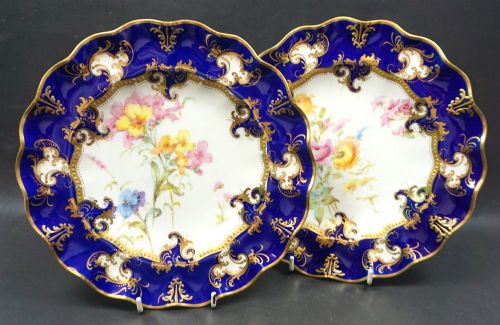
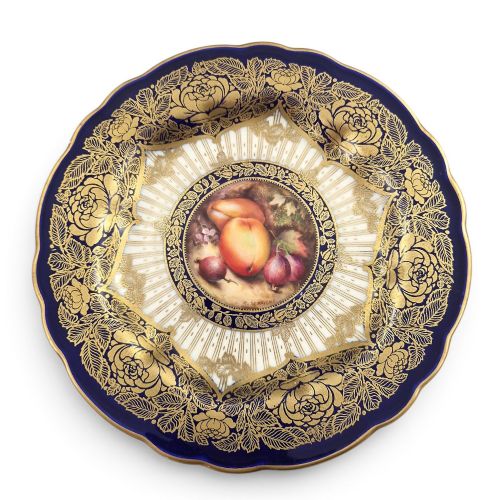
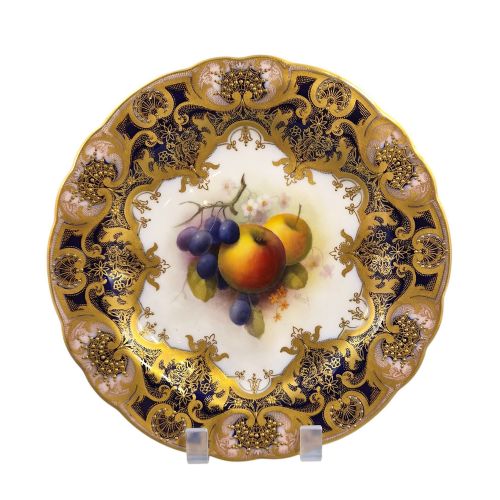
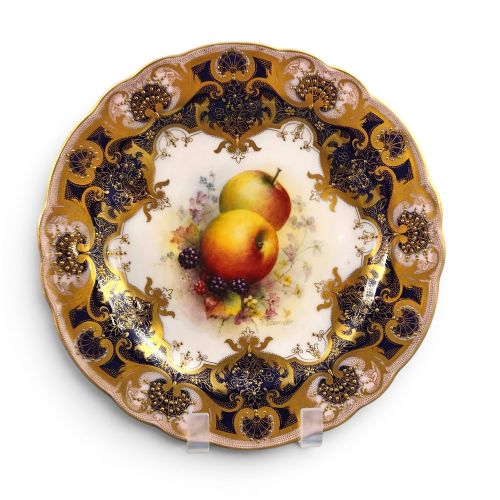
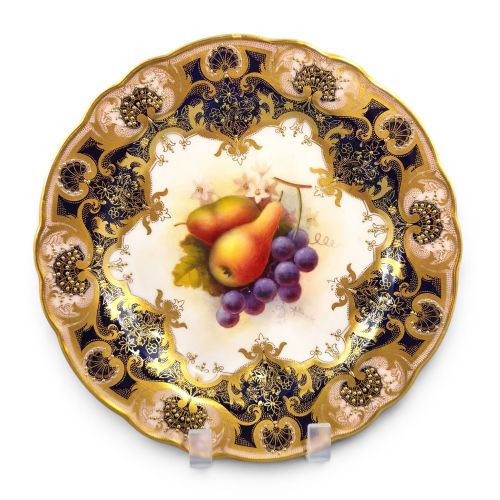
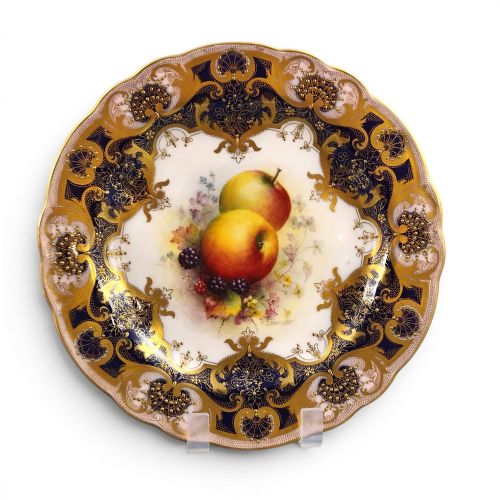
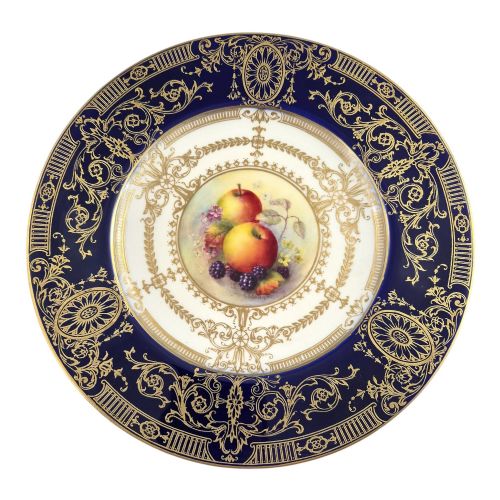
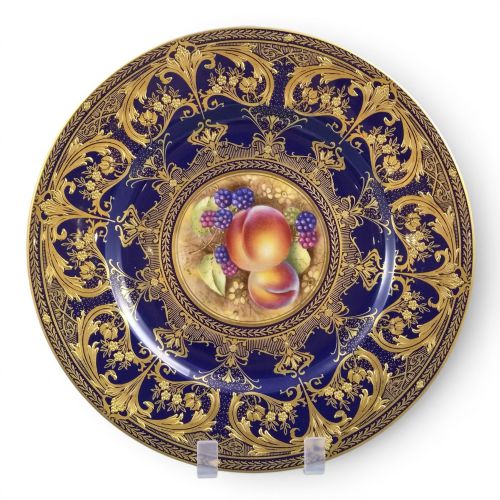
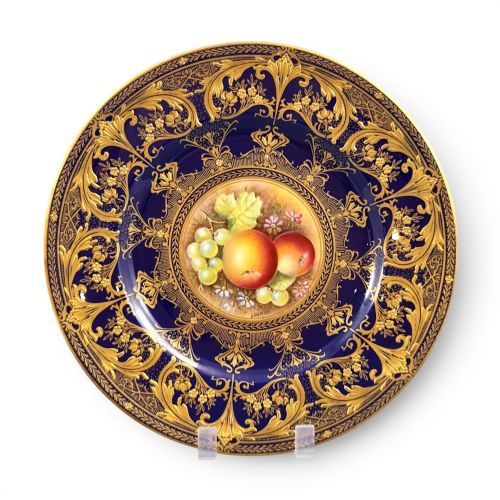
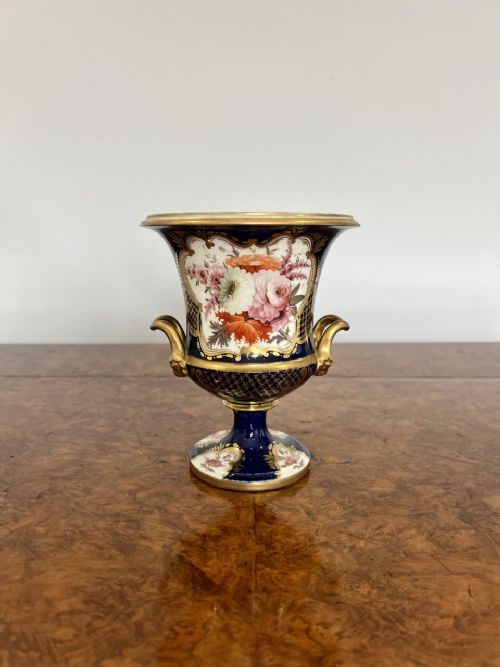
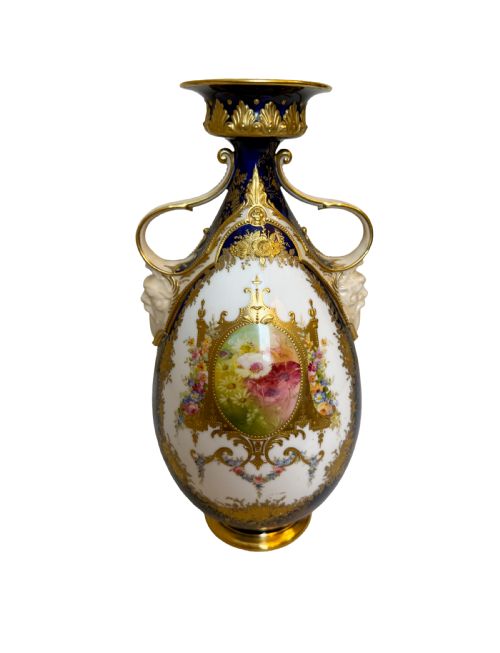
The version you are most likely to meet on this page is the painted cabinet plate or decorative vase from the Victorian or Edwardian periods. These display deep cobalt grounds set against heavy gilding, often featuring hand-painted botanical or fruit subjects at the centre.
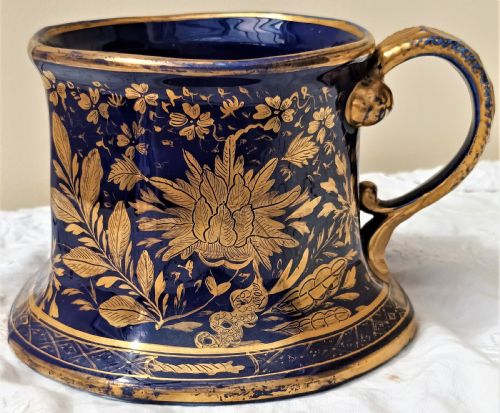
Items span multiple stylistic eras, including Regency, Georgian, and Art Deco designs. Alongside plates and cups, the selection includes mugs and tankards made from robust ironstone or fine porcelain.
How cobalt blue gold china was made
Potters applied cobalt oxide to the raw ceramic body or glaze before firing to achieve the characteristic deep blue coloration. This mineral pigment withstood high kiln temperatures, yielding a rich, stable background tone.
Craftsmen applied gold leaf or liquid gilding by hand over the fired glaze, often tooling the metal surfaces to create contrasting matte and polished highlights. Enamel colours were then painted over the glaze and subjected to a lower temperature firing to fix the pigments.
The selection spans periods from the 18th century through the Regency, Victorian, and 1960s eras.
What varies in quality
The standard of hand-painting dictates the distinction between standard production items and top-tier cabinet pieces. Works executed by named artists demonstrate superior brushwork and botanical accuracy compared to generic factory decoration.
The density and application of the gilding further separate pieces within this category. Intricate tooled gold borders and heavy raised gold work require greater technical skill than simple painted bands.
Royal Crown Derby·Royal Worcester·Coalport·Spode·Meissen·Minton·Royal Doulton
The Cobalt Blue Gold China Glossary
- Bone china
- A type of porcelain containing bone ash, known for its bright white body and translucency. This material became a standard medium for fine English tea and dessert services.
- Cabinet plate
- A decorative ceramic plate intended for display in a cabinet rather than for dining use. These items frequently feature elaborate hand-painted scenes and rich gilding.
- Ironstone
- A heavy, durable type of earthenware patented in the nineteenth century. It offered a robust alternative to porcelain for utilitarian vessels like mugs and tankards.
- Gilding
- The application of gold or gold-coloured material to the surface of ceramics. This technique provided ornamental borders and highlights that contrasted with the cobalt blue glaze.
- Enamel
- Opaque vitreous glass fused to the ceramic surface during a secondary firing. It supplied the bright, varied colours seen in floral and figural motifs.
Cobalt Blue Gold China: Frequently Asked Questions
What is cobalt blue gold china?
These items are ceramic plates, vases, and vessels decorated with deep blue cobalt grounds and metallic gold accents. They were produced primarily by European factories as decorative objects and fine tableware.
Potters combined durable porcelain bodies with rich mineral glazes and hand-applied metallic leaf. The resulting aesthetic defined formal dining and display traditions for generations.
How were these pieces used?
Many items functioned as part of formal dessert or tea services during social gatherings. Cabinet plates and decorative vases were specifically intended for display in drawing rooms.
Serving dishes and cups saw practical use in affluent households. Over time, many fine service pieces transitioned exclusively into cabinet displays.
How do I care for antique china?
Wash pieces gently by hand using mild detergents and warm water. Avoid abrasive sponges that can scratch the delicate enamel and worn gilding.
Keep items away from direct sunlight and rapid temperature changes to protect the glaze and gold leaf. Proper storage prevents chipping along the delicate painted rims.
How can I tell periods apart?
Examine the factory marks stamped or painted on the underside of the ceramic base. Shape, paste consistency, and painting style also offer clues to the date of manufacture.
Early nineteenth-century pieces often feature hand-written pattern numbers, while later Victorian and Edwardian items utilise standardised printed ciphers and date codes.