




Cobalt Blue Earthenware Platter
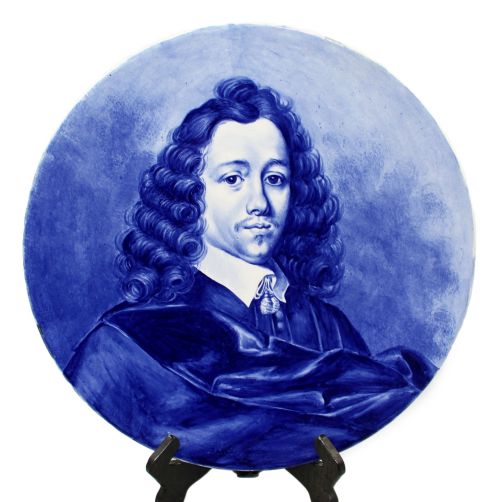
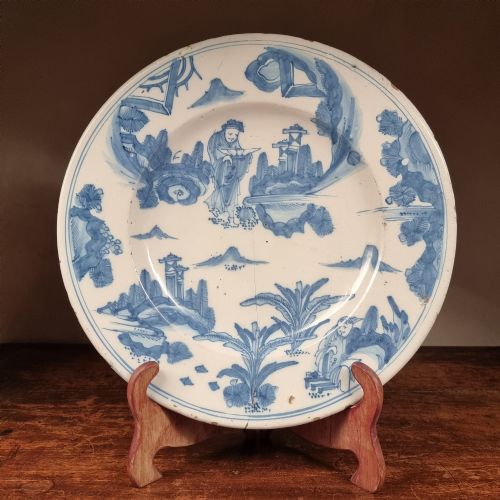
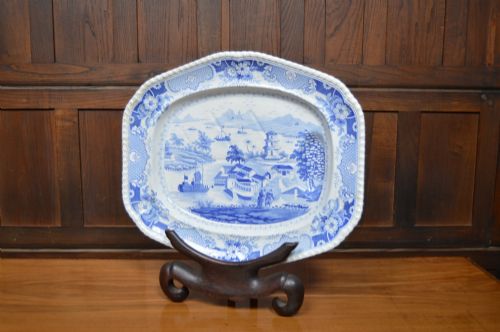
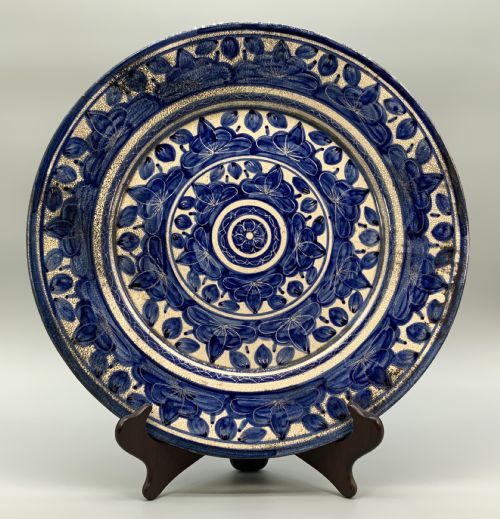
A cobalt blue earthenware platter brings rich mineral pigment and generous proportions to the table, offering a durable canvas for historic transfer prints and hand-painted scenes.
Cobalt Blue Earthenware Platter
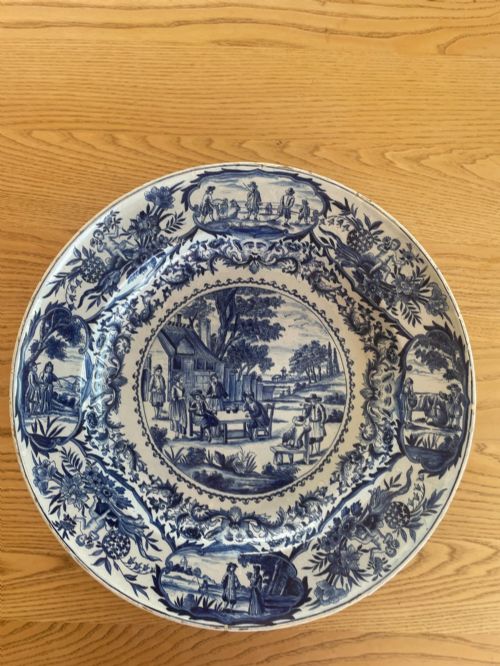
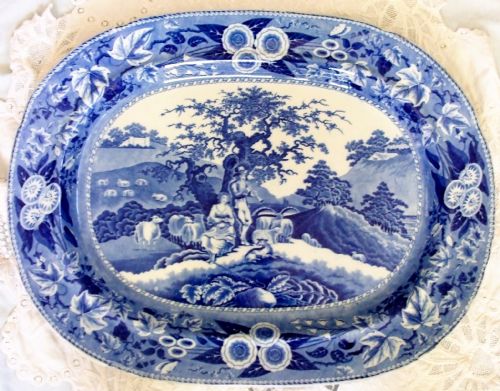
A cobalt blue earthenware platter appears in several historic forms, spanning large chargers intended for display and heavy meat plates designed for the dining table.
The search phrase encompasses pieces originating from Georgian and Victorian periods, alongside earlier examples spanning the eighteenth century.
Dutch Delftware and English transfer-printed pottery dominate the available examples, showing both tin glaze and standard ceramic finishes.
Materials and construction methods
Potters shaped porous earthenware bodies by hand or on a wheel before applying opaque tin glazes or clear lead finishes.
Cobalt pigment provides the characteristic deep blue coloration, applied directly to the unfired glaze or onto the biscuit body beneath a transparent coating.
Transfer printing utilises engraved copper plates to transfer complex pictorial designs onto the ceramic surface prior to kiln firing.
Several platters depict exotic elephants and grazing zebras, proving historic potters possessed wonderfully imaginative ideas about distant fauna.
Distinguishing quality and execution
The clarity and depth of the cobalt pigment define superior examples, separating precise, vibrant designs from blurred or muddy applications.
Excellence in forming shows in the balanced weight and uniform thickness of large serving dishes, avoiding excessive warping during high-temperature firing.
The crispness of transfer-printed details or the confident brushwork on hand-painted chargers indicates the skill of the original workshop.
Stubbs·Thomas Lakin·Brameld & Co·John Rogers & Son·Don Pottery
The Cobalt Blue Earthenware Platter Glossary
- Charger
- A large decorative plate or platter traditionally used for display on sideboards or walls rather than daily dining. These substantial pieces frequently measure over twelve inches across.
- Tin Glaze
- An opaque white ceramic glaze containing tin oxide, which provides a smooth background for painted cobalt decoration. It is characteristic of Delftware production.
- Transferware
- Pottery decorated by pressing a paper sheet printed from an engraved copper plate onto the ceramic body. This technique allowed intricate landscape and figurative patterns to be repeated consistently.
- Pearlware
- A refined earthenware developed during the late eighteenth century featuring a subtle bluish glaze that pooled in recesses to mimic Chinese porcelain. It bridges the gap between creamware and later white ironstone.
- Earthenware
- A porous ceramic body fired at relatively low temperatures compared to stoneware or porcelain. It requires a protective glaze to hold liquids and achieve a finished surface.
Cobalt Blue Earthenware Platter: Frequently Asked Questions
How were these platters used?
Large serving dishes and meat plates accommodated joints of meat and substantial portions at the dining table. Chargers served primarily as decorative wall or sideboard ornaments in domestic interiors.
Deep wells and drainage channels on specific serving forms helped collect juices during carving.
How do I date an early platter?
Dating relies on examining glaze characteristics, foot rim construction, and the style of the cobalt transfer print or hand painting. Eighteenth-century pieces typically exhibit tin glazes with characteristic edge fritting.
Victorian and Georgian transfer-printed items often feature specific registry marks or named topographical patterns that align with known pottery archives.
Can I use these for serving food?
Historic earthenware platters often display surface wear, crazing, and glaze losses from centuries of past use. Many collectors prefer to exhibit them gently or use them strictly for dry display.
Hand washing in warm water without harsh detergents protects the fragile ceramic body and historic glaze layers from further deterioration.
What causes the blue colour to vary?
Cobalt oxide reacts differently depending on kiln temperatures, the chemical composition of the glaze, and the thickness of the pigment application. Hand-painted brushstrokes show tonal variations from pale washes to deep navy.
Transfer-printed patterns depend on the depth of the engraved copper plate and how evenly the paper absorbed the pigment.