







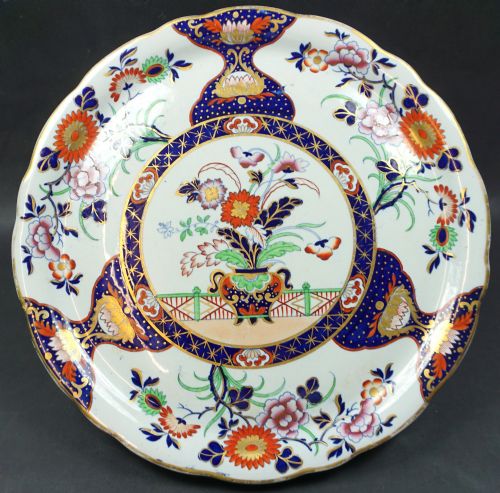
Cobalt Blue Platter
A cobalt blue antique platter brings deep indigo pigments and rich ceramic history to a table, combining utility with centuries of artistic tradition.
Cobalt Blue Platter
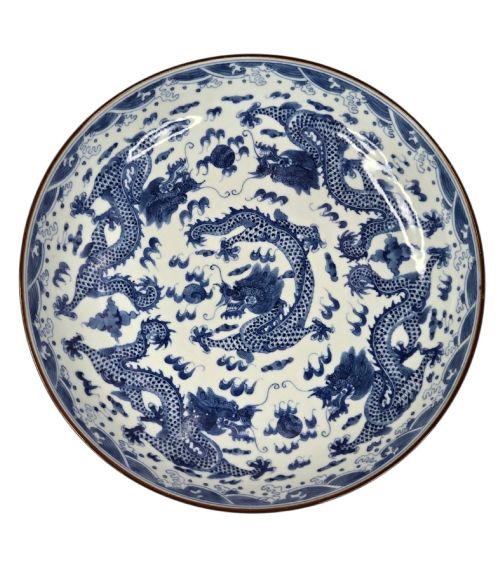
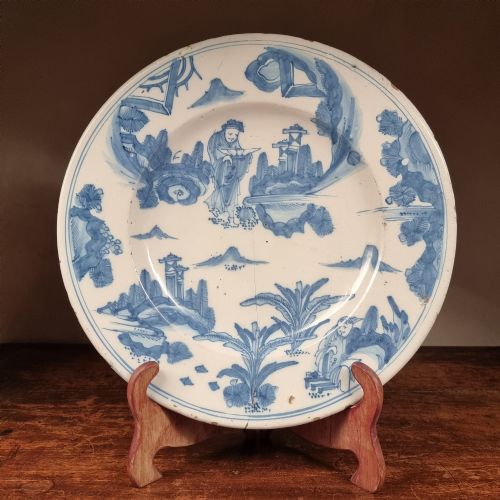
When you search for a cobalt blue antique platter, you encounter large serving vessels, decorative chargers, and deep dishes designed across multiple continents. The selections on this page span from the seventeenth century through the Victorian era and into the early twentieth century.
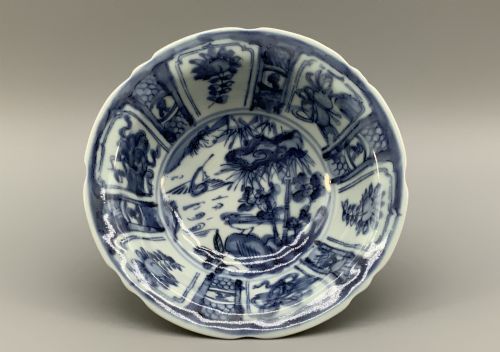
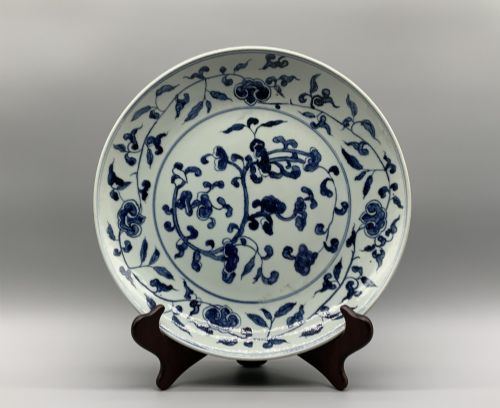
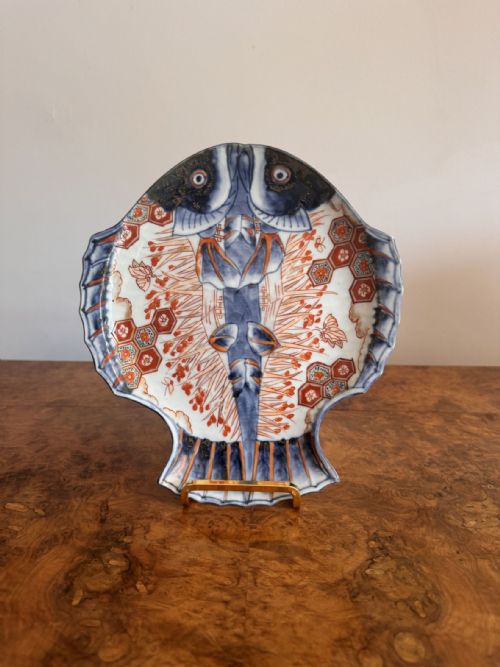
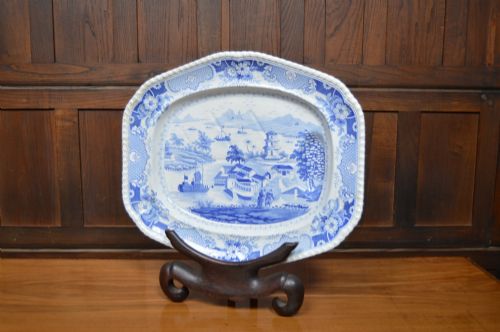
The forms vary from grand Chinese export porcelain platters and Dutch Delft chargers to Japanese Imari plates and English transferware. Many pieces take traditional circular or oval shapes, though occasional square or fish-shaped variants appear.
Originating from diverse kilns in Europe, China, and Japan, these pieces reflect distinct regional aesthetics united by striking blue decoration. Buyers often choose them to anchor a display or serve as substantial tableside centerpieces.
How they were made
Potters built these platters using ceramic, earthenware, and porcelain bases, applying cobalt pigment either beneath a clear glaze or directly onto the fired surface. Artisans then subjected the pieces to high-temperature kilns to fix the deep blue coloration permanently.
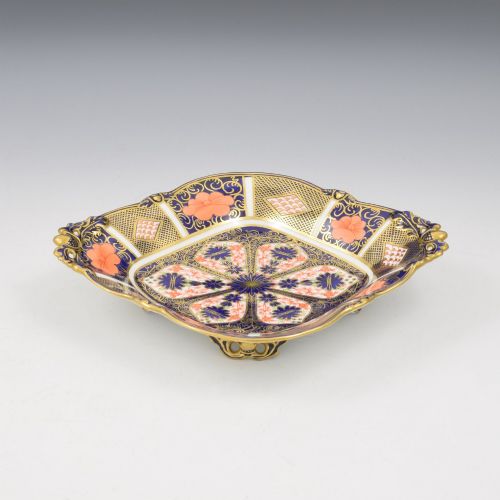
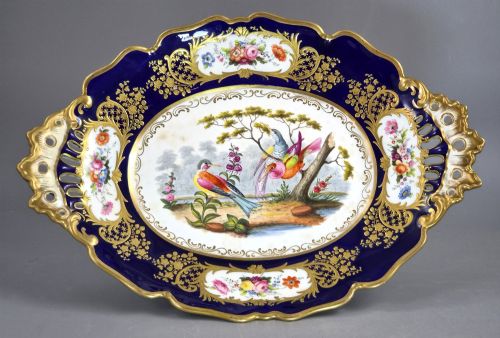
Many items incorporate additional decorative elements such as gold leaf accents, enamel highlights, or hand-coloured details layered over transfer-printed outlines. Japanese Imari examples combine cobalt underglaze with iron-red and gilt overglaze painting for a layered effect.
Some platters abandon standard circular geometry entirely, presenting themselves as swimming fish or scalloped squares.
What varies in quality
The clarity and depth of the cobalt pigment dictate visual success, distinguishing intense, stable blue tones from blurred or runny applications. Brushwork precision on hand-painted Chinese, Japanese, and European specimens also separates standard production from exceptional artistry.
Structural integrity and the preservation of delicate glazes or gold leaf details determine the standing of an individual charger. Pieces retaining crisp moulded edges, complex pierced borders, and untainted surfaces command greater admiration.
Royal Crown Derby·Coalport·Royal Bonn·Hicks and Meigh·John Davenport of Longport·Pucher Deroche
The Cobalt Blue Platter Glossary
- Charger
- A large ornamental or serving plate, typically measuring over twelve inches in diameter. These substantial pieces frequently hung on walls or served grand meals.
- Imari
- A traditional Japanese style of porcelain featuring underglaze cobalt blue combined with iron red, gold, and other enamel colours. The aesthetic originated in Arita and heavily influenced European kilns.
- Transferware
- A pottery and porcelain decoration technique where an engraved copper plate transfers a printed design onto paper, which is then stamped onto the ceramic body. This method allowed intricate pictorial scenes like landscapes and floral patterns to be replicated consistently.
- Delftware
- Tin-glazed earthenware produced in the Netherlands, renowned for emulating Chinese blue and white porcelain. The porous clay body receives an opaque white glaze before cobalt painting.
- Underglaze
- A decoration method applied to ceramics before the glaze is applied and fired. This technique protects the pigment beneath a glossy vitreous layer.
Cobalt Blue Platter: Frequently Asked Questions
How were antique platters used?
These large vessels served substantial joints of meat, game, or communal dishes during formal dining occasions. Chargers were also displayed upright on sideboards or hung on walls for decorative effect.
Over time, many transitioned entirely into ornamental objects meant to showcase rich cobalt patterns and skilled craftsmanship in domestic interiors.
How do I identify Chinese export porcelain?
Chinese export pieces often feature characteristic potting traits, fine-grained porcelain bodies, and cobalt blue painting tailored for European tastes. The motifs frequently blend Eastern floral or dragon imagery with Western heraldic designs.
Examining the foot ring and glaze pooling helps determine whether a piece belongs to periods like the Kangxi reign or later Qing dynasties.
What is the difference between Delft and porcelain?
Delftware consists of a softer earthenware body covered in an opaque white tin glaze that accepts cobalt painting smoothly. Porcelain utilises a dense, vitrified clay mixture that fires at much higher temperatures and often rings when struck.
While both achieve a blue and white aesthetic, Delft possesses a thicker, porous fabric compared to the hard, translucent nature of porcelain.
How should I display a heavy charger?
Large chargers require sturdy wall hangers specifically rated for heavy ceramics to distribute the weight safely along the rim and base. Alternatively, placing them in deep plate stands on secure mantels or sideboards prevents tipping.
Keep these pieces away from high-traffic pathways and direct sunlight to protect the glaze and any delicate overglaze gold leaf.