
Cobalt and Gilt China
Cobalt and gilt china combines deep blue grounds with rich gold leaf across centuries of ceramic history.
Cobalt and Gilt China
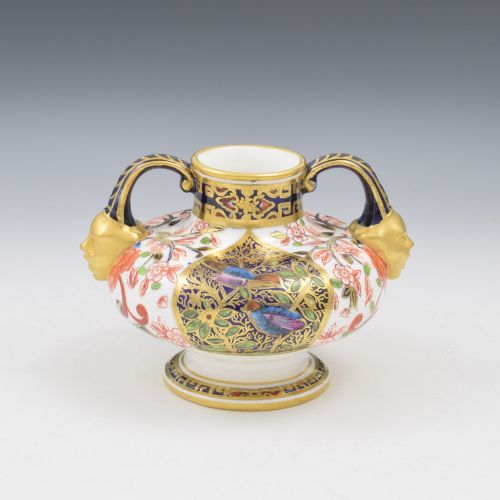
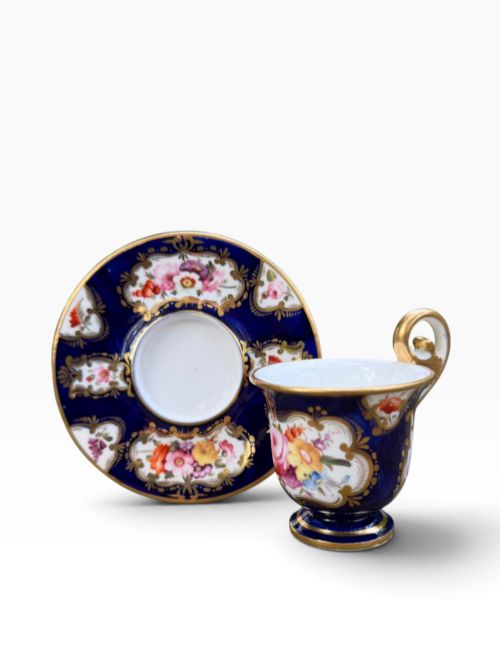
Cobalt and gilt china encompasses tableware, cabinet pieces, and decorative items produced across the eighteenth, nineteenth, and twentieth centuries. These wares pair saturated blue ceramic bodies with applied metallic highlights to create high-contrast decorative surfaces.
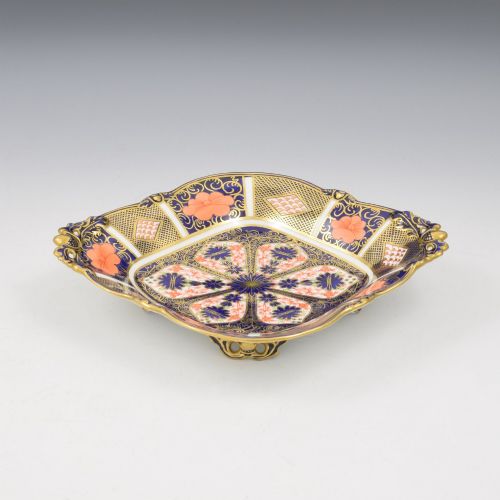
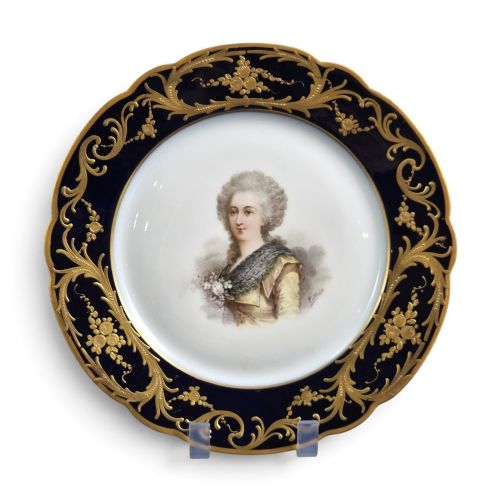
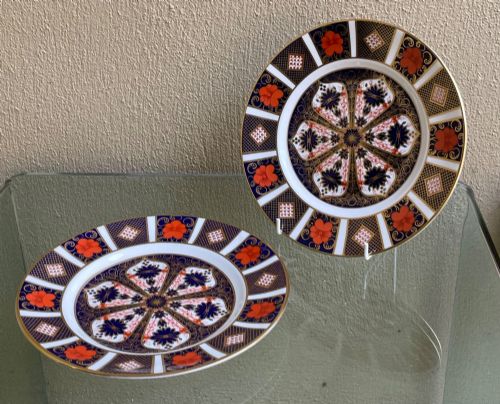
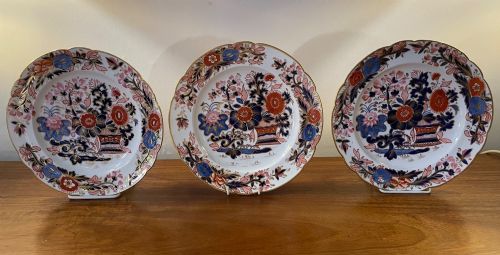
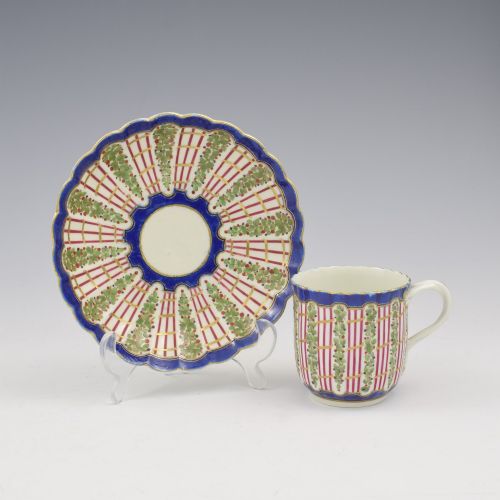
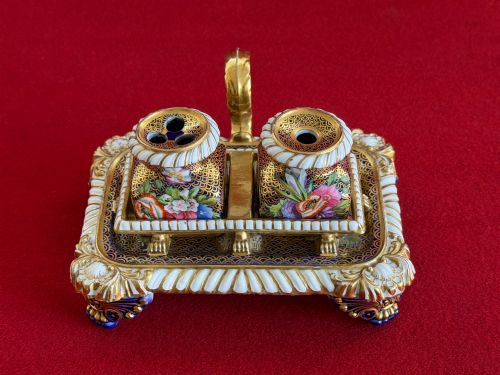
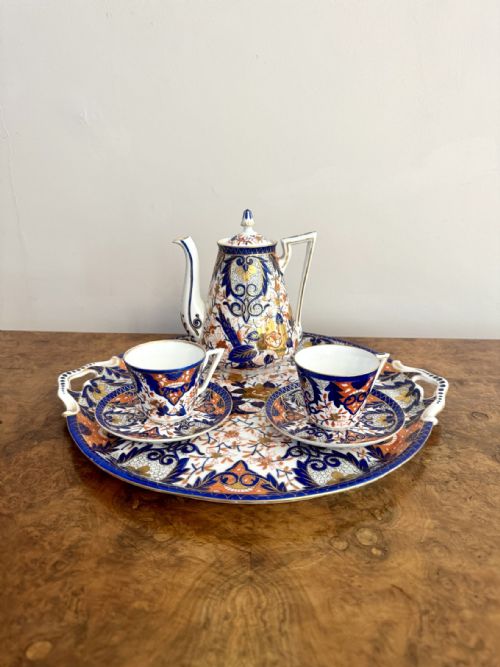
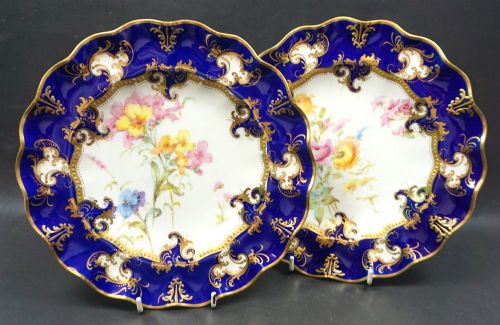
The pieces appearing on this page range from early English porcelain trios and Worcester cups to later Royal Crown Derby Imari services and hand-painted cabinet plates. Functional vessels such as teapots, inkstands, and cream tureens sit alongside purely ornamental vases and display plates.
Originating across English and continental European factories, these items reflect changing aesthetic movements from Georgian classicism through Victorian revival styles. Buyers encounter both domestic table services intended for regular use and cabinet items made solely for display.
Materials and production
Makers utilised fine porcelain, bone china, and ironstone as the primary ceramic bodies for these decorated wares. Cobalt oxide provided the stable underglaze blue colour that could withstand high kiln temperatures before gilding.
Gold leaf and liquid gilding were applied over or onto the glaze in intricate patterns, vignettes, or borders. Artisans then fired the pieces a second time at a lower temperature to bond the metallic gold permanently to the ceramic surface.
A painted phoenix rises in flames across an armorial plate, proving that even fine dining tableware loves a dramatic exit.
Defining quality
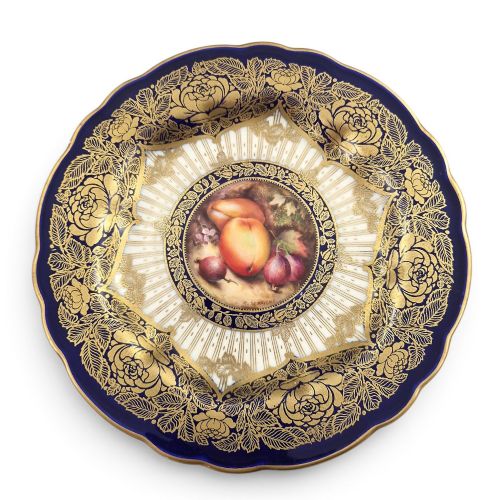
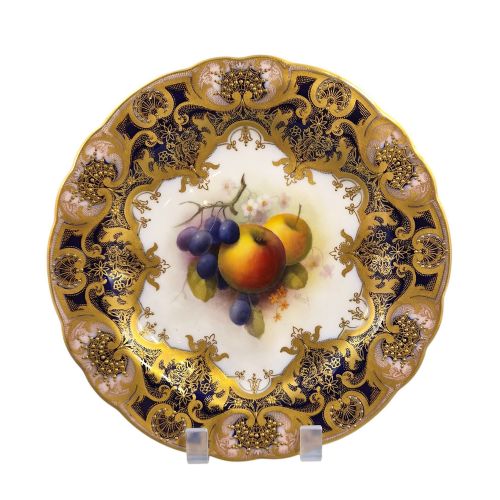
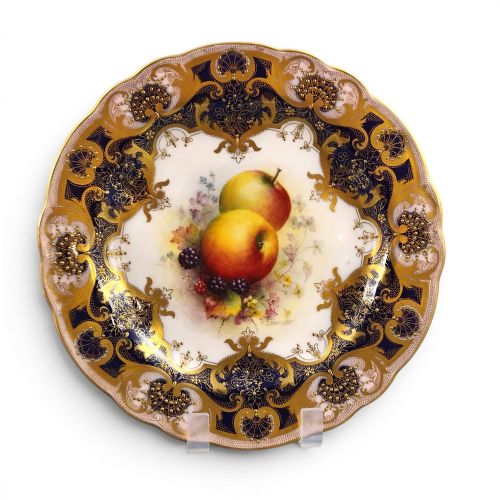
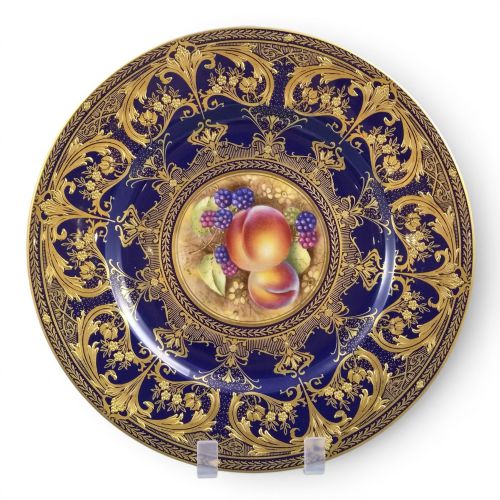
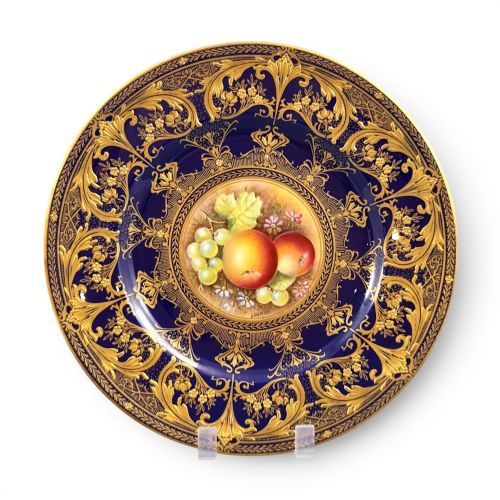
The distinction between standard production wares and exceptional pieces rests on the precision of the hand-painting and the weight of the gilding. Master artists signed their painted fruit panels or portrait plates, elevating the status of the ceramic body.
The depth and uniformity of the cobalt ground alongside the crispness of the gilt tooling separate routine factory output from elite cabinet porcelain.
Royal Crown Derby·Royal Worcester·Spode·Coalport·Mason's Ironstone·Doulton Burslem
The Cobalt and Gilt China Glossary
- Imari palette
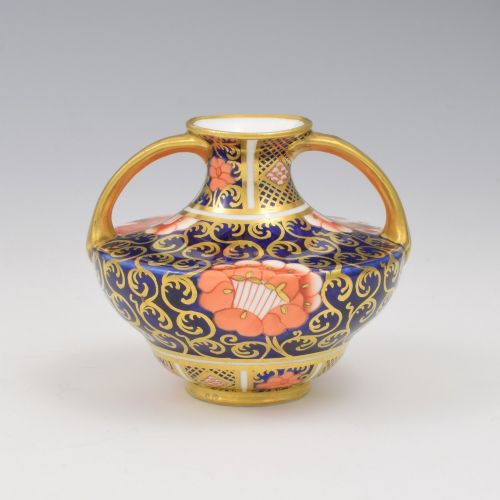
- A decorative scheme employing cobalt blue, iron red, and heavy gilding, inspired by Japanese export porcelain. This palette found widespread adoption among English factories during the Georgian and Victorian eras.
- Cabinet plate
- A decorative ceramic plate intended for display on a wall or within a glass-fronted cabinet rather than for dining use. These items frequently feature detailed hand-painted scenes by named artists.
- Bone china
- A type of soft-paste porcelain incorporating animal bone ash, resulting in a strong, translucent ceramic body. British potteries utilised this material extensively for refined tea and coffee services.
- Ironstone
- A heavy, durable earthenware developed as a robust alternative to porcelain. Mason's and other potteries decorated these dense bodies with blue designs and gold leaf.
- Gilding
- The application of gold leaf or gold powder to the ceramic surface to create metallic highlights and borders. Artisans often burnished the fired gold to achieve a bright, reflective finish.
Cobalt and Gilt China: Frequently Asked Questions
How do I date cobalt and gilt china?
Dating relies on factory backstamps, ceramic bodies, and stylistic shifts visible in the gilding and motifs. Earlier eighteenth-century pieces display different paste compositions compared to Victorian or Edwardian production.
Examining the foot ring, glaze pooling, and pattern registration numbers helps narrow the manufacturing window across the periods represented.
Can I use these plates for dining?
Most cabinet plates, painted fruit dishes, and delicate tea wares are intended for display or light collection handling. The fragile nature of nineteenth-century enamel and burnished gold leaf makes daily dining impractical.
Sturdier ironstone services from the Georgian and Victorian periods were originally built for functional use, though surviving gilt decoration still warrants careful hand washing.
What is the difference between porcelain and ironstone?
Porcelain provides a fine, translucent body derived from kaolin and petuntse, firing at high temperatures into a vitrified finish. Ironstone uses a heavier earthenware formula designed for maximum durability and strength.
Both materials readily accept cobalt underglaze and surface gilding, though ironstone pieces feel substantially heavier in the hand.
Why are some plates signed by artists?
Factory-commissioned cabinet plates from the late nineteenth and early twentieth centuries frequently showcase the work of named porcelain painters. Artists specialising in botanical studies, landscapes, or fruit signed their finished works to denote superior studio quality.
Unsigned factory pieces generally relied on transfer-printed outlines filled with factory painting teams rather than individual master artisans.