
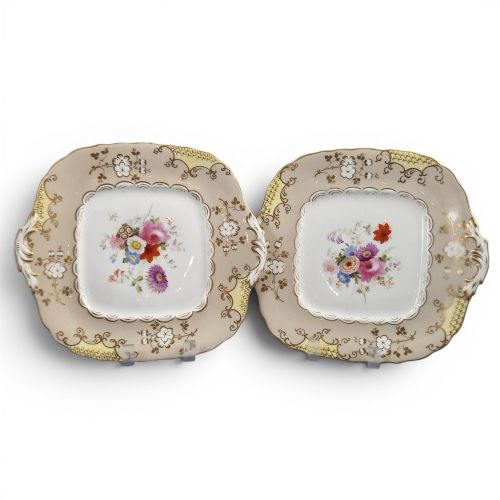


Antique Coalport Plate
An antique coalport plate brings fine English porcelain to the table, offering hand-painted botanical scenes and rich gilding from centuries past.
Antique Coalport Plate
An antique coalport plate represents the pinnacle of English ceramic history, originating from periods spanning the Georgian era through to the early twentieth century. When buyers search for an antique coalport plate, they encounter diverse forms ranging from simple dessert dishes to elaborate cabinet plates made for display. The pieces met most frequently on this page date from the nineteenth century, including Victorian Rococo Revival styles and exhibition pieces.
Makers and decorators left their mark on these wares through specific commissions and artistic attributions, such as pieces made for nobility or exhibition showcases. Collectors find utility and beauty combined in dessert services, soup plates, and supper sets featuring hand-painted landscapes and floral studies. Each item reflects the changing tastes of English households across the Georgian, Regency, and Victorian periods.
Materials and methods
Potters utilised fine porcelain and bone china as the primary base materials for shaping these plates and serving dishes. Skilled artisans applied enamel paint by hand to render botanical studies, Scottish lakes, and heraldic crests with striking precision. Gold leaf and gilt details were then added to borders and scrolls, often framing the central painted imagery.
Firing techniques developed across the nineteenth century allowed factories to produce both delicate cabinet pieces and robust dinner service components. Guilders and painters worked in tandem, creating layered surfaces where raised gilding meets smooth enamel glazes.
Judging quality in English porcelain
The distinction between standard tableware and exceptional works lies in the execution of the hand-painted artistry and the richness of the gilding. Plates attributed to named artists or created for specific exhibitions display superior brushwork and more complex compositional detail. Superior pieces maintain crisp enamel colours and minimal wear to the gold leaf across the rim and centre.
The historical provenance of a piece further elevates its standing, particularly when linked to aristocratic patrons or documented historical events. Condition and the preservation of delicate porcelain bodies without restoration define the enduring appeal of the finest examples.
Tom Keeling·Thomas Dickson
The Antique Coalport Plate Glossary
- Bone china
- A type of soft-paste porcelain containing bone ash, developed to create a durable, brilliantly white body suitable for intricate tableware.
- Cabinet plate
- A decorative plate intended for display in a cabinet or on a wall rather than for practical dining use.
- Gilt
- A thin layer of gold applied to the porcelain surface, frequently used to accentuate borders, scrolls, and handles.
- Enamel
- Opaque vitreous material fused to the ceramic body during firing to create brightly coloured painted decorations.
- Soup plate
- A wide, shallow ceramic vessel with a flat rim, designed for serving soup during formal nineteenth-century dinners.
Antique Coalport Plate: Frequently Asked Questions
How do I date an antique coalport plate?
Dating relies on examining the style of the decoration, the body material, and any backstamps or historical attributions present on the reverse. Georgian and Regency pieces typically show different paste characteristics and floral styles compared to later Victorian or Edwardian examples.
Comparing known patterns and historical commissions in the evidence helps narrow the decade of manufacture for unmarked or attributed items.
How should I care for antique porcelain?
Careful handling and gentle hand washing with mild soap preserve the delicate enamel paint and delicate gold leaf details. Dishwashers and abrasive cleaners must be avoided to prevent permanent damage to the historic surface.
Displaying pieces on secure plate stands protects the edges from chipping while allowing the hand-painted details to be admired.
What is the difference between a cabinet plate and a dessert plate?
Cabinet plates are primarily decorative objects featuring elaborate hand-painted scenes or exhibition provenance, meant to be viewed rather than used. Dessert plates form part of dining services designed to hold sweet courses.
While both utilise fine porcelain and gilt decoration, cabinet plates often display more ambitious artistic subjects.