






Coastal Landscape Board Painting
A coastal landscape board painting brings harbour walls, open shores and rolling tides directly into a room with tactile presence.
Coastal Landscape Board Painting
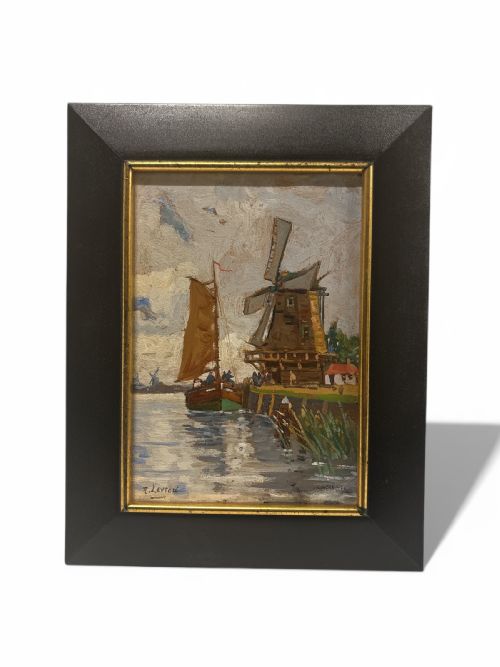
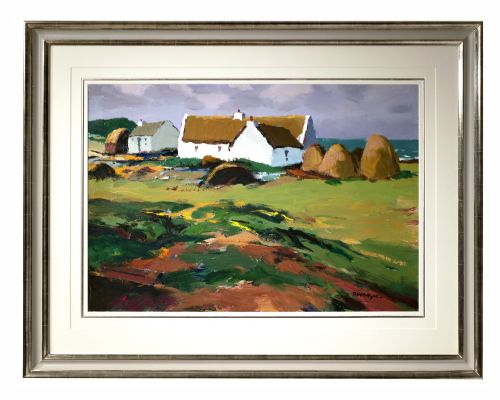
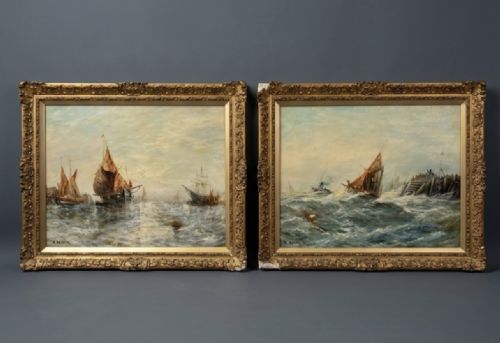
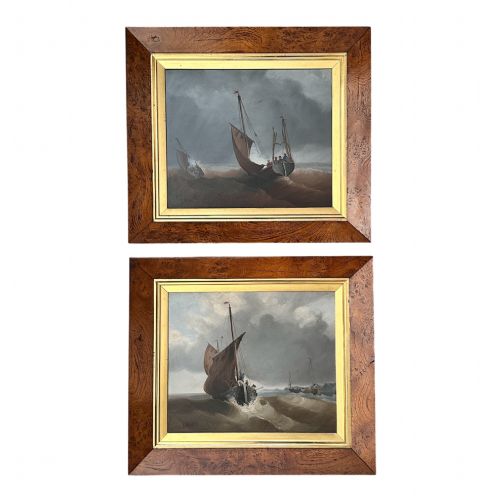
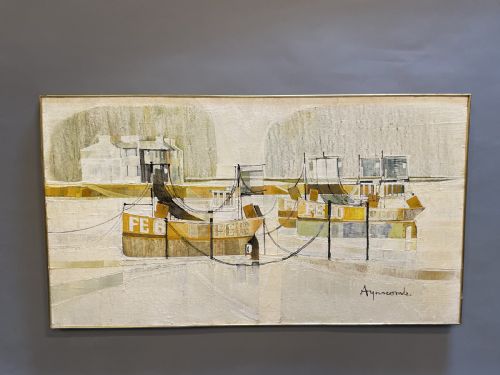
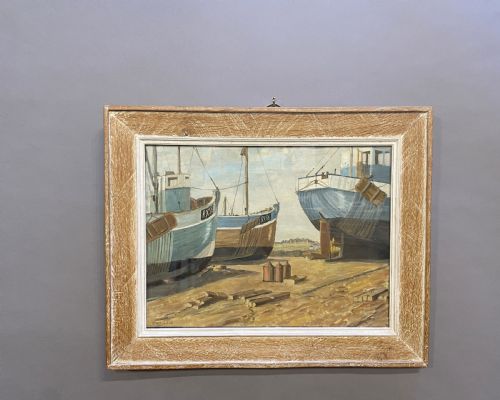
A coastal landscape board painting captures maritime scenes, bustling harbours and quiet shorelines rendered directly onto rigid supports. These works range from late nineteenth-century Victorian maritime art to mid-century impressionist views painted across Britain and continental Europe.
Buyers frequently encounter works executed during the mid-twentieth century, particularly pieces dating from the nineteen-fifties and nineteen-sixties showcasing British and French coastal topography. Maritime subjects dominate these selections, capturing sailing vessels, piers and tidal inlets with varied brushwork.
The format spans diverse regional locations, from Yorkshire fishing ports and Dorset harbours to sunlit French cliffs and Italian shores. Whether framed in period gilt wood or displayed simply, these pieces ground a domestic interior in maritime tradition.
Assessing quality in coastal boards
Quality rests upon the artist's handling of light, atmosphere and spatial depth across the rigid surface. Superior examples demonstrate confident brushwork that conveys the specific movement of water and salt air rather than merely recording topographical details.
The relationship between the painted surface and its housing further distinguishes the range. Original gilt wood frames that harmonise with the age and palette of the artwork elevate the overall integrity of the piece.
A cheerful stroke of paint captures a South Coast pleasure pier where holidaymakers once strolled in stiff collars.
Kenneth Cozens·R Leyton·Donald McIntyre·Erich Mercker·John Moore of Ipswich·James Fry·William J B Jenkins·John Bell·Walter Holmes·Micheal Matthews·Donald Wood·Markey Robinson·William Burns
The Coastal Landscape Board Painting Glossary
- Board
- A rigid flat support made of wood or composite material used by painters instead of stretched canvas. It provides a firm surface that resists punctures and handles thick impasto applications well.
- Impasto
- Paint laid on an area of the surface in very thick layers, usually thick enough that the brush or painting-knife strokes are visible. This technique adds tactile relief to crashing waves and rugged cliffs.
- Gilt wood
- Wood carved or moulded and coated with gold leaf or metallic paint to form a decorative frame. Such surrounds often accompany nineteenth-century and early twentieth-century maritime paintings.
- Maritime art
- Painting or other visual arts that depict or draw main inspiration from the sea, ships and coastal views. These subjects range from calm harbour scenes to stormy seascapes.
Coastal Landscape Board Painting: Frequently Asked Questions
How do I care for an oil on board painting?
Keep the artwork away from direct sunlight and fluctuating humidity to protect both the wooden support and the oil pigments.
Dust the surface gently with a soft, dry brush and avoid using liquid cleaners or abrasive cloths on the paint layer.
Are these paintings usually signed by the artist?
Many examples feature visible signatures or monograms left by the painter, often located near the lower corners of the composition.
Some works remain unsigned or rely on attribution recorded in archive notes and period framing details.
What framing is typical for these coastal scenes?
Victorian and early twentieth-century works frequently appear in ornate gilt wood frames that enhance the maritime subject matter.
Mid-century paintings sometimes utilise simpler mouldings or retain their original vintage surrounds from galleries and retailers.
Where were most of these coastal scenes painted?
The subjects span British coastal locations like Yorkshire, Dorset and Wales, alongside continental European destinations including France and Italy.
Artists frequently worked outdoors on location to capture the changing light and atmosphere of harbours and cliffs.