





Coal Helmet Scuttle Scoop
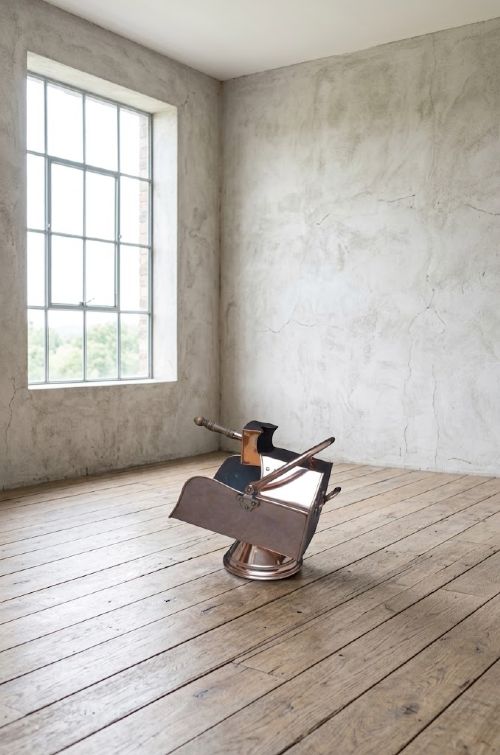
These coal helmet scuttle scoop designs bring proper hearth metalwork into a room, offering functional fireside storage crafted from bright brass or warm copper.
Coal Helmet Scuttle Scoop
When you search for coal helmet scuttle scoop pieces, you are looking at fireside accessories designed to hold solid fuel for an open grate. The examples listed on this page span the Georgian and Victorian eras up through the Arts and Crafts and Art Nouveau periods.
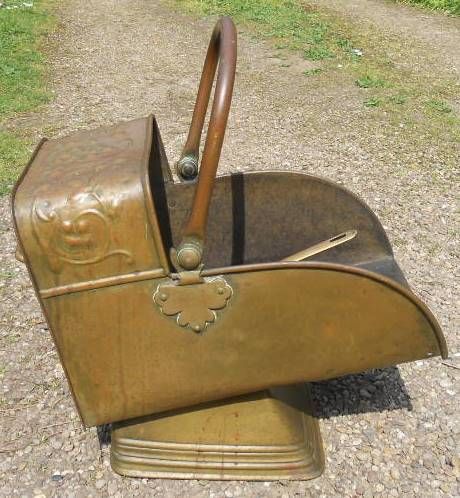
You will most commonly meet copper or brass coal scuttles and helmets from the nineteenth century, often accompanied by their original metal shovel. These range from utilitarian coal hods to distinctive helmet-shaped scuttles with sturdy handles for carrying fuel to the hearth.
The materials reflect the prevailing metalworking standards of their time, utilising cast and sheet brass alongside heavy copper bodies. Their forms are built for daily utility beside the fireplace, combining practical service with the robust metal aesthetics of the period.
How they were made
The makers of these fireside vessels worked primarily with sheet brass, copper, and iron, forming the bodies through hand-beating, rolling, and secure riveting. Cast brass components were frequently employed for handles, feet, and decorative mounts to ensure strength at the points of greatest strain.
Surface finishes were achieved through polishing the base metal or incorporating hand-hammered textures, as seen in the Arts and Crafts examples. Handles were attached with sturdy rivets or fixed through structural mounts designed to bear the heavy weight of coal.
Coal Helmet Scuttle Scoop Retail Price Guide 2026
Typical asking prices for coal helmet scuttle scoop among the pieces listed under this phrase on Sellingantiques today, from the lower quarter to the upper quarter. They describe what is for sale here now, not the wider market.
Arts and Crafts and Art Nouveau styles appear alongside traditional Victorian and Georgian forms among these fireside accessories.
What varies in quality
The distinction between standard utility vessels and superior examples lies in the gauge of the metal and the integrity of the construction. Thicker sheet brass and heavier copper bodies maintain their shape better under regular hearth use and polishing.
Refinement in the handle mountings, the presence of matching original shovels, and the crispness of any hand-hammered detailing elevate certain pieces above ordinary workshop production.
Benham and Froud
The Coal Helmet Scuttle Scoop Glossary
- Coal scuttle
- A container designed to hold coal for a fireplace, typically featuring a wide mouth and a carrying handle. These vessels sat beside the hearth for ready access during the colder months.
- Coal helmet
- A specific form of coal scuttle featuring a flared, sloping rim reminiscent of a traditional helmet, which directed the fuel outward when emptied. This shape gained popularity during the Georgian and Victorian periods.
- Sheet brass
- Flat rolled alloy of copper and zinc used to construct the bodies of many Victorian coal scuttles. It provided a bright surface that took a high polish.
- Original shovel
- The matching metal scoop designed to accompany a coal scuttle for transferring fuel to the grate. Surviving together with the scuttle, it adds historical completeness to the set.
Coal Helmet Scuttle Scoop: Frequently Asked Questions
What is a coal helmet?
A coal helmet is a fireside container shaped with a distinctive flared rim that aids in pouring fuel onto the fire. The design balances practical hearth utility with the decorative metalwork tastes of the nineteenth century.
These pieces were kept directly beside the fireplace as both a functional tool and an ornament of the domestic interior.
How do I date a brass coal scuttle?
Dating relies on observing the manufacturing techniques, materials, and stylistic markers such as Arts and Crafts hammering or Georgian proportions. Examining the construction of the handle mounts and rivets also provides clues to the period of manufacture.
Makers' marks, where present, can further help pinpoint the workshop and decade of origin.
Were these scuttles made for daily use?
They were built as robust household objects intended for the heavy work of carrying coal to domestic grates. Their durable brass and copper construction ensured they withstood regular handling.
Over decades of use, many acquired minor dents and surface wear that reflect their active service history by the hearth.