
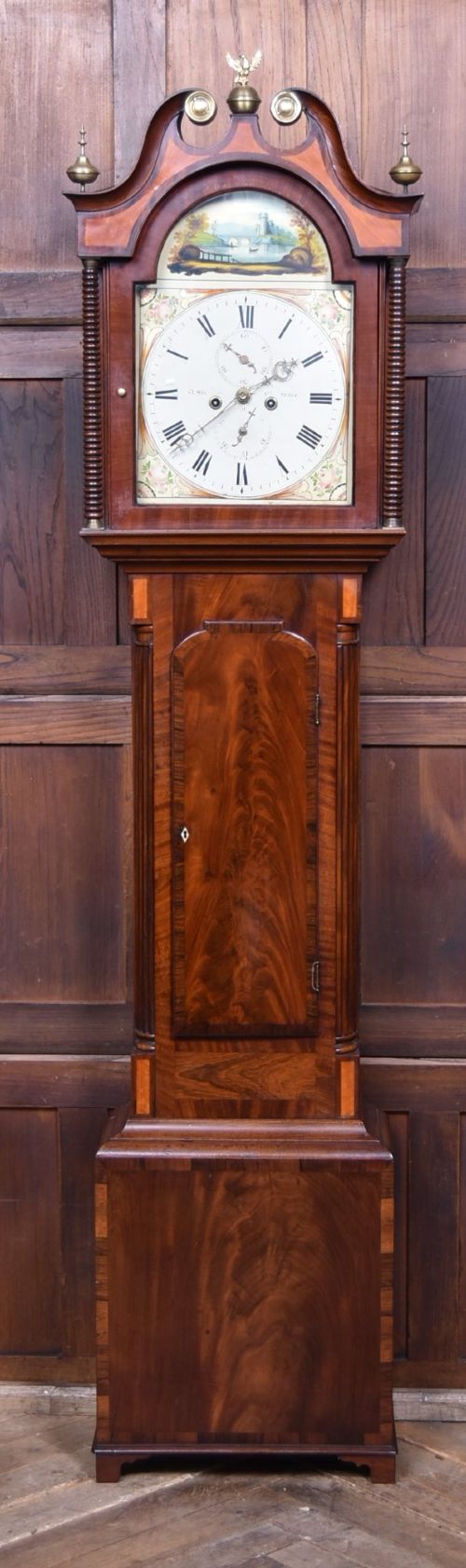
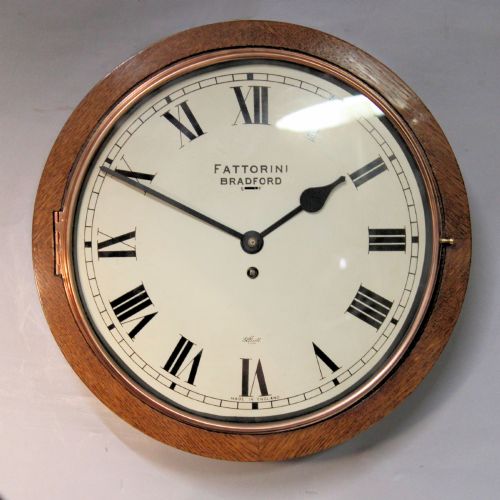
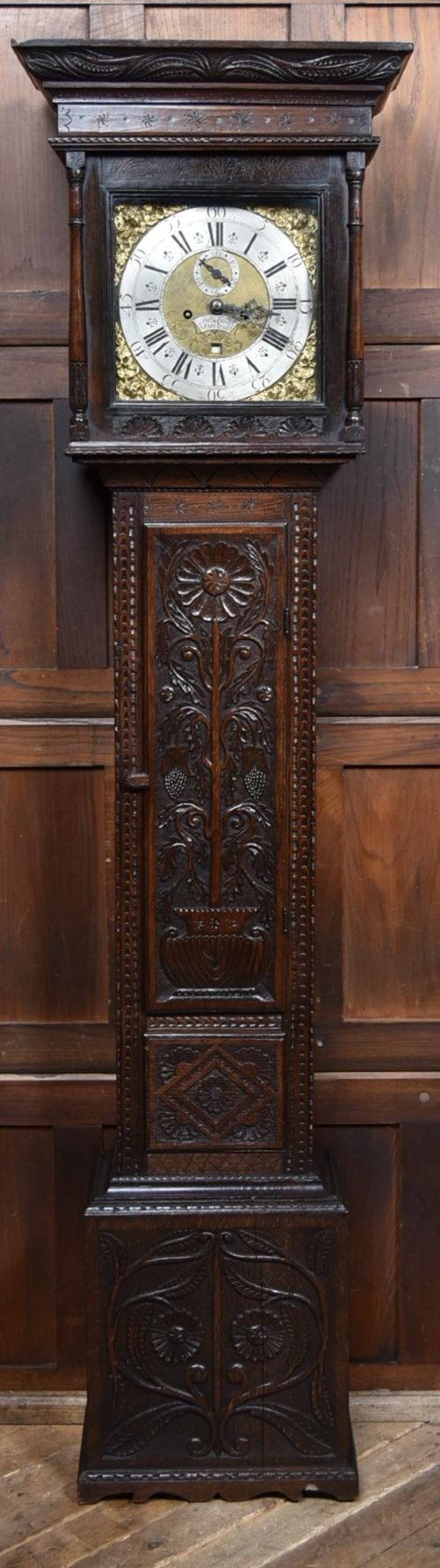

Clock with Case
A clock with case brings together mechanical precision and fine cabinetmaking across styles from the eighteenth century to the twentieth.
Clock with Case
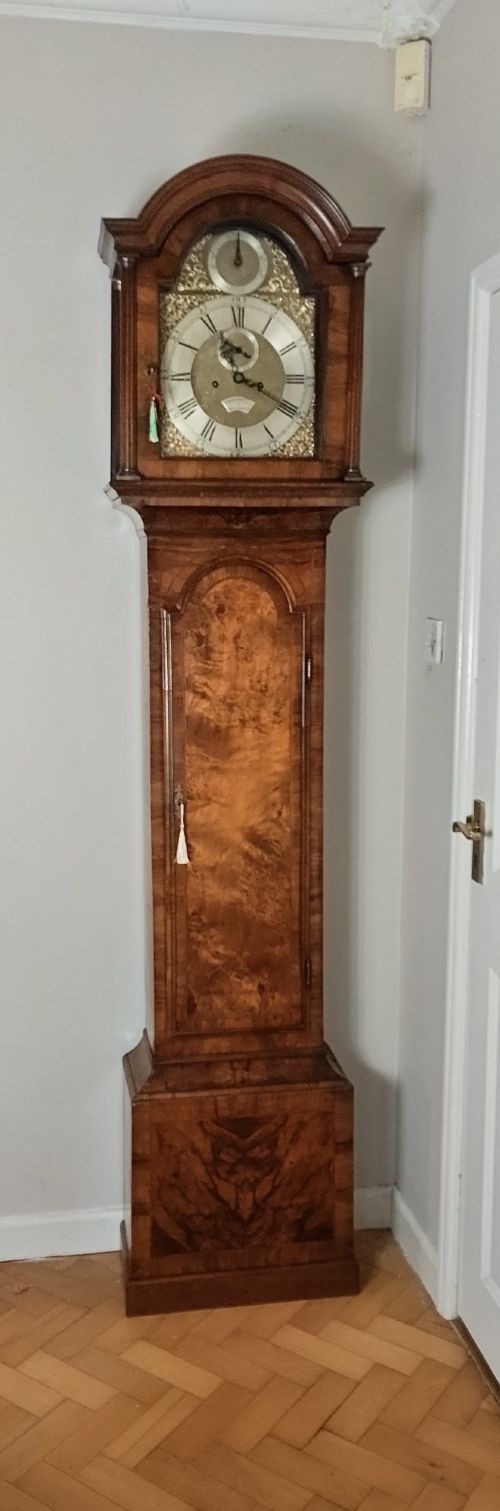
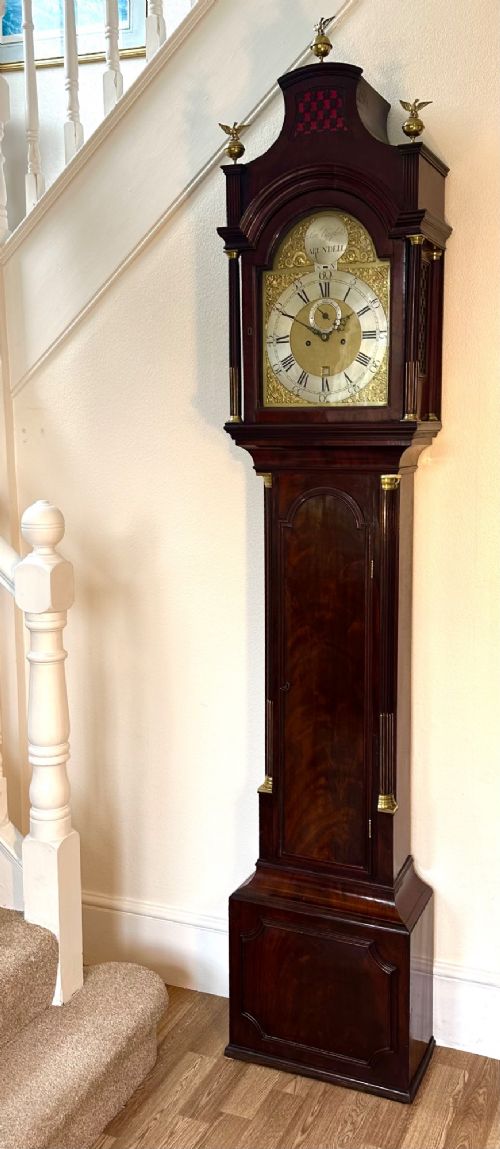
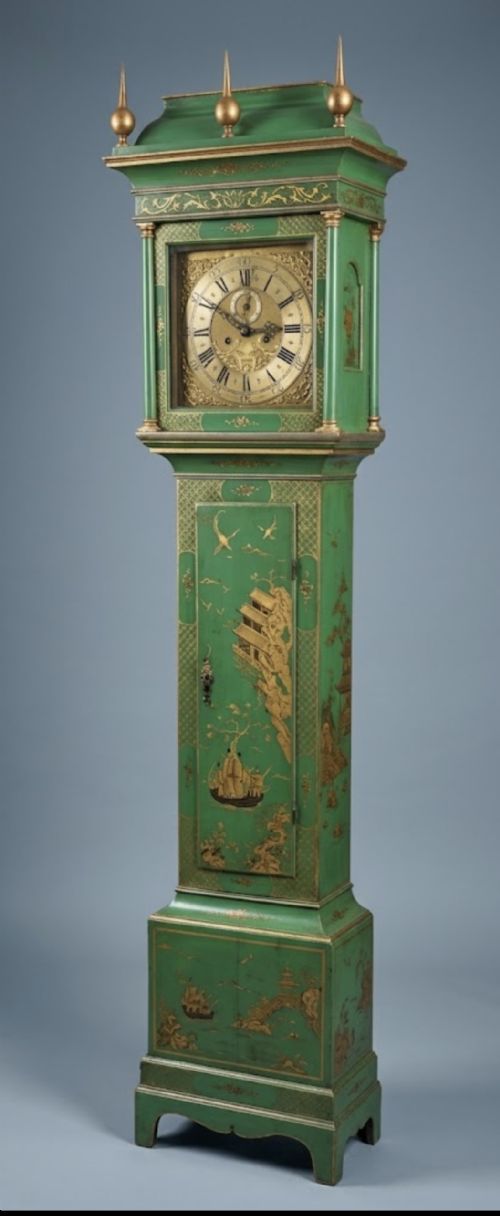
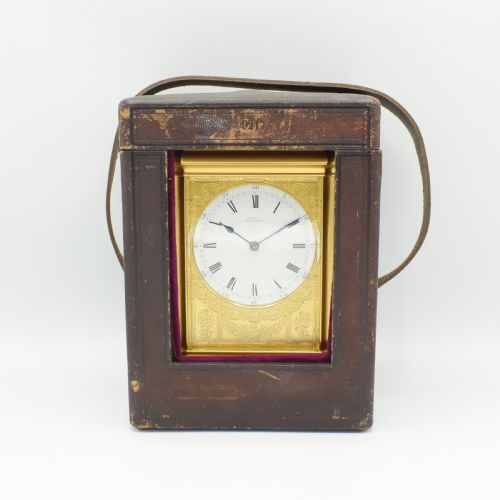
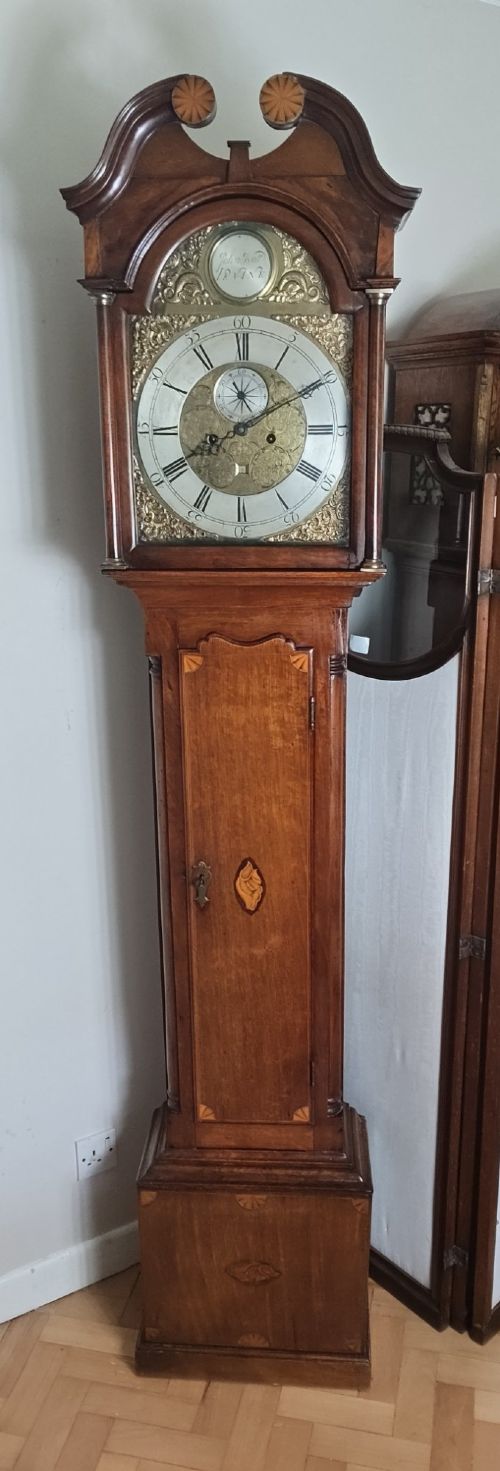
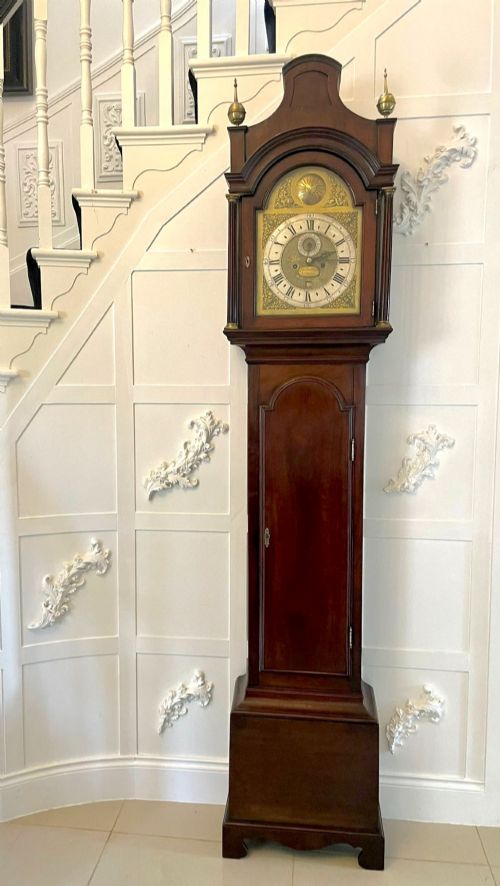
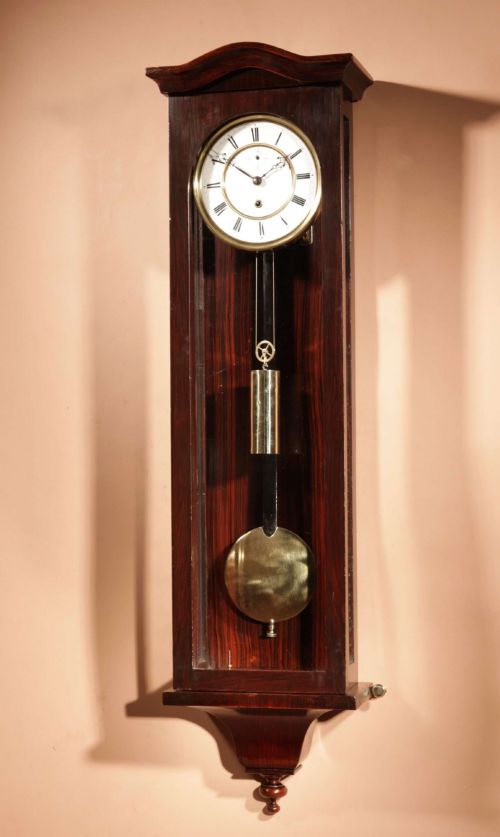
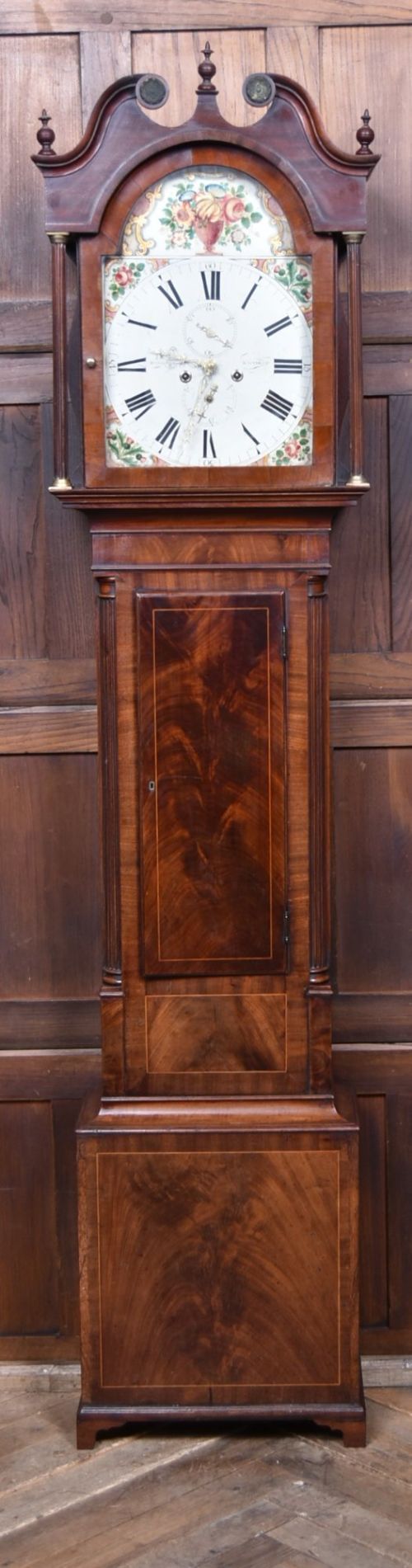
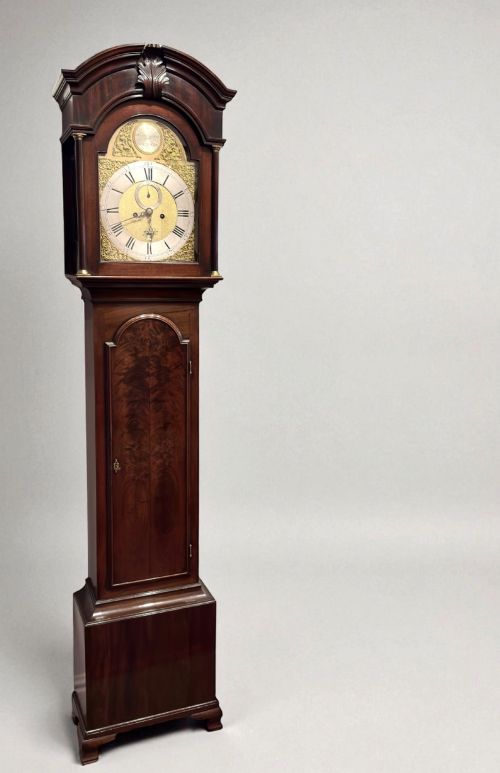
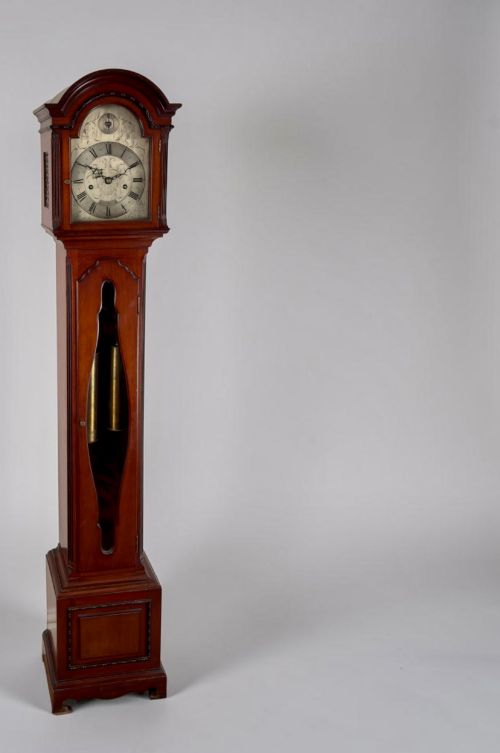
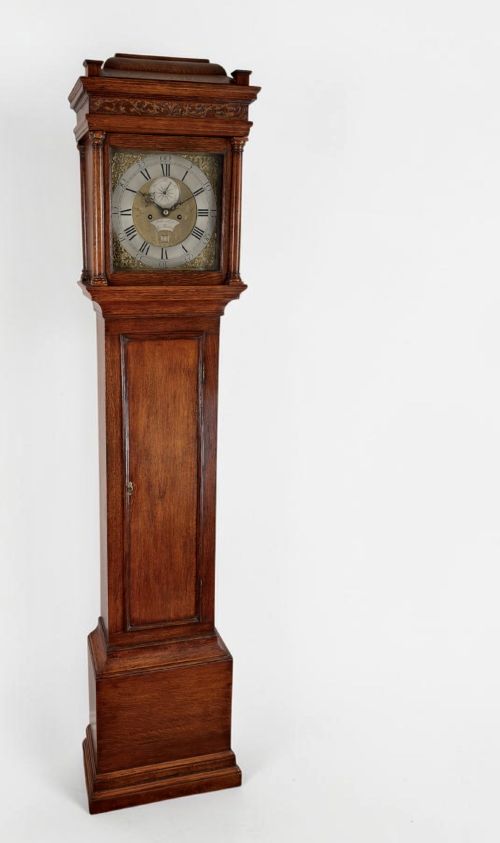
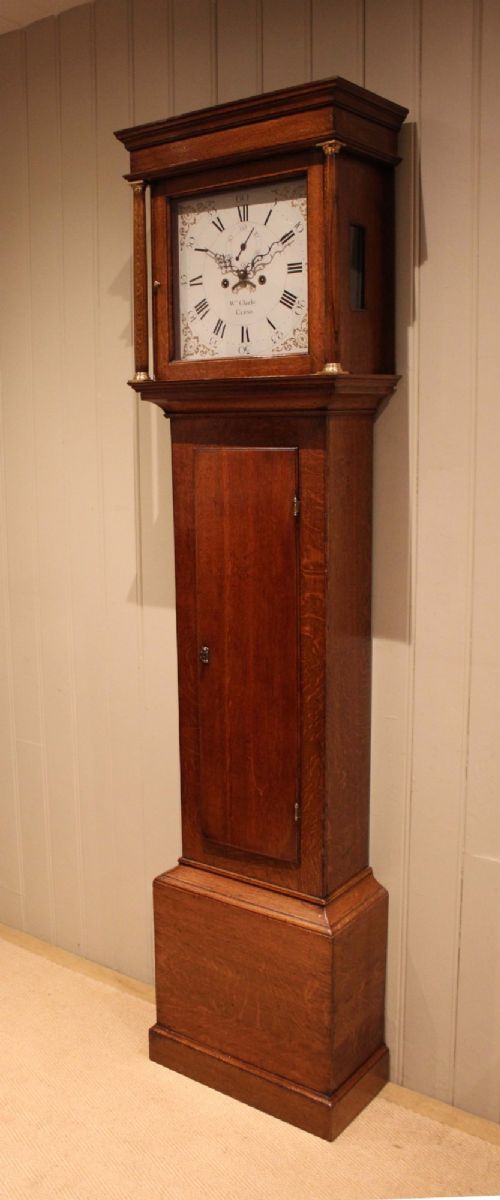
A clock with case encompasses tall floor-standing longcase examples, wall-mounted dial clocks, and portable carriage clocks with their original travel housings. These objects range from robust regional British oak timepieces to refined French gilt brass carriage pieces and intricate Vienna regulators.
The buyer encounters floor-standing longcase mechanisms housed in tall timber trunks alongside compact mantel clocks in mahogany, rosewood, or ebonised wood. Wall clocks feature prominently, often displaying round painted dials and drop-dial cases designed for domestic or public spaces.
Origins span British provincial workshops, London makers, and continental European centres, bridging domestic utility and formal salon display across the Georgian, Victorian, and Edwardian eras.
Materials and Construction
Cabinetmakers utilised native and imported timbers including oak, mahogany, walnut, and rosewood, frequently incorporating burr veneers, brass inlay, and lacquered chinoiserie decoration. Cases were constructed to house delicate movements safely while displaying the wood grain to best effect.
Clockmakers built movements in brass and steel, integrating fusee mechanisms, verge or lever escapements, and enamel or silvered dials. Portable carriage clocks featured heavy bevelled glass panels held within brass or gilded gorge frames, often accompanied by stitched leather travel cases.
Some miniature carriage clocks were built with small alarm mechanisms designed to rouse sleeping travellers in drafty nineteenth-century coaching inns.
Standards of Craftsmanship
Quality rests on the integrity of the movement and the finesse of the timber housing. Finer examples display crisp dial engraving, original matching cases, and uncompromised mechanical components by recognised makers.
Secondary pieces show replacement parts, heavy cabinet alterations, or simplified dial work that lacks the sharp execution seen in top-tier workshop output.
John Fielder of Alton·Edward White Birmingham·James Harvey of Abergavenny·Thomas May Of Witney·Edward Stanton·John Shelton
The Clock with Case Glossary
- Fusee
- A conical pulley used in clock movements to maintain even driving force as the mainspring unwinds. This device ensures consistent timekeeping throughout the running cycle.
- Gorge case
- A stepped brass carriage clock case style with a flat top and moulded cornices. It represents a classic French housing design for portable timepieces.
- Verge escapement
- An early type of clock and watch escapement using a crown wheel and pallets. It regulates the release of power in older bracket and wall clocks.
- Grand sonnerie
- A striking clock mechanism that chimes the hours and quarters automatically on every quarter hour. It is found in high-grade carriage and mantel clocks.
- Drop-dial
- A wall clock design where the circular dial sits above an extended trunk or box containing the pendulum. This form became popular in British domestic and office interiors during the nineteenth century.
Clock with Case: Frequently Asked Questions
How do I wind a fusee clock?
Winding requires inserting the key into the dial aperture and turning it steadily clockwise until the mechanism resists further movement.
Care must be taken not to overwind, particularly with older gut-line or chain fusee movements.
Where were carriage clocks placed?
Carriage clocks served wealthy travellers as portable timekeepers housed in leather travel cases during transit.
At home, owners placed them on mantelpieces or desks where the glass panels allowed the movement to be observed.
What is a grandfather clock?
A grandfather clock is a tall floor-standing timekeeper more formally known as a longcase clock.
These pieces house weights and pendulums within a protective wooden trunk, standing from six to over eight feet tall.
How do I identify a Victorian clock?
Victorian examples often display heavier proportions, machine-engraved brass dials, and industrial materials like ebonised wood or cast brass.
Examination of the movement backplate and case construction helps confirm the nineteenth-century date.