
Clear Lead Stemware
Clear lead stemware brings centuries of refined drinking vessels to the table, offering tactile weight and historical clarity.
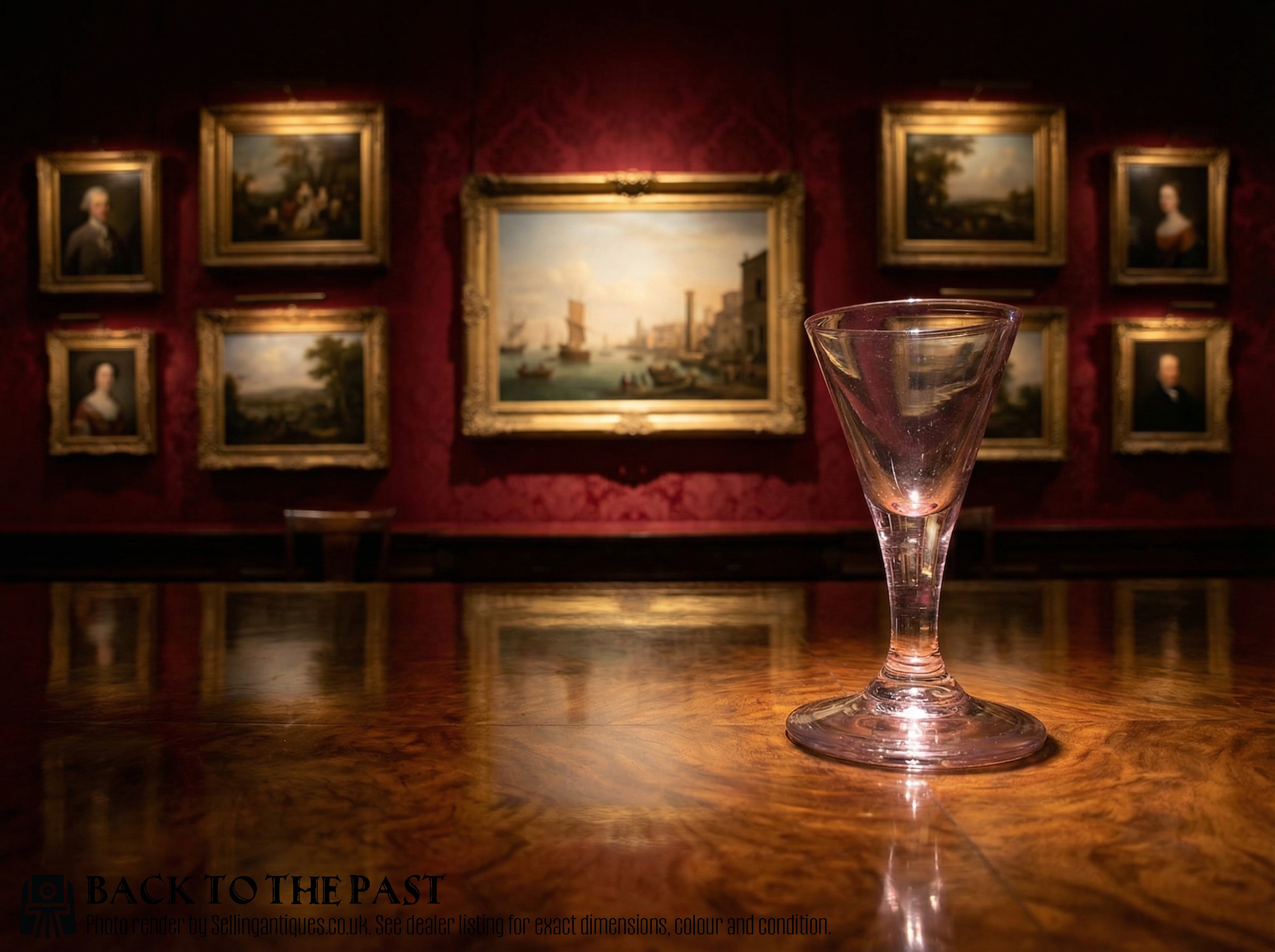
Clear Lead Stemware
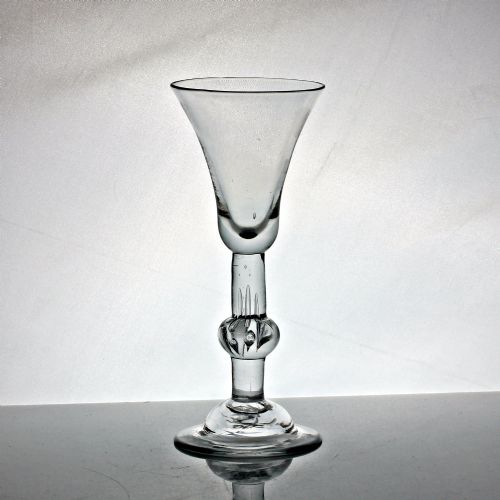
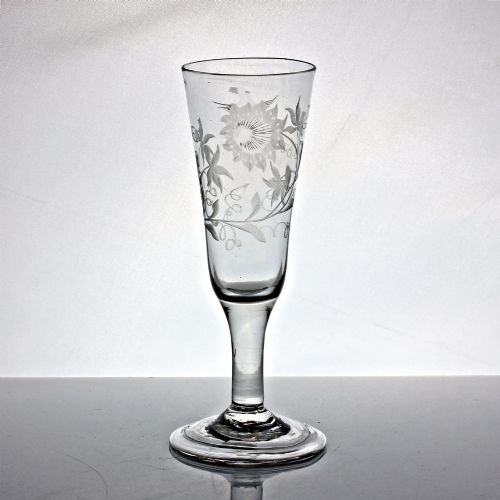
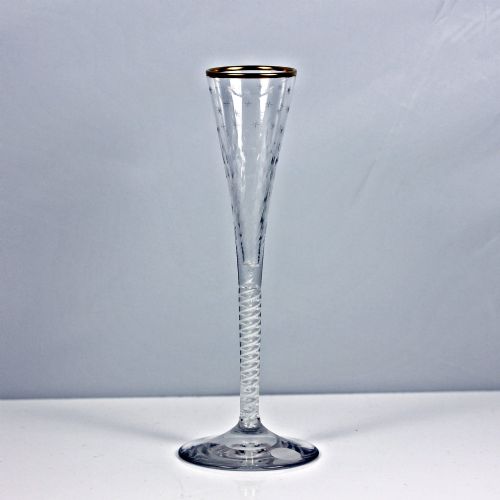
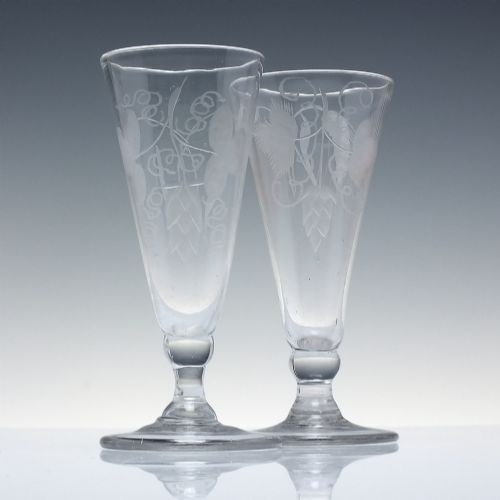
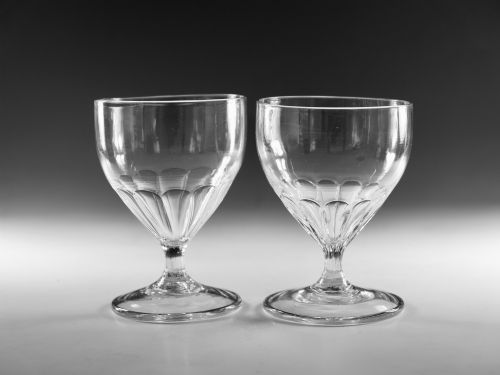
When you search for clear lead stemware, you encounter drinking vessels fashioned primarily across the eighteenth and nineteenth centuries. These forms include dram glasses, rummers, ale glasses, and tall wine flutes designed for historical dining and social rituals.
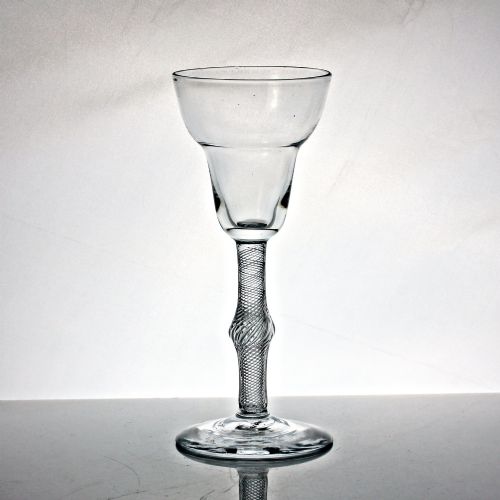
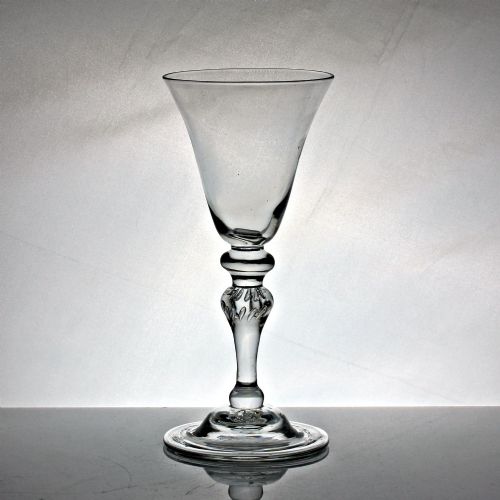
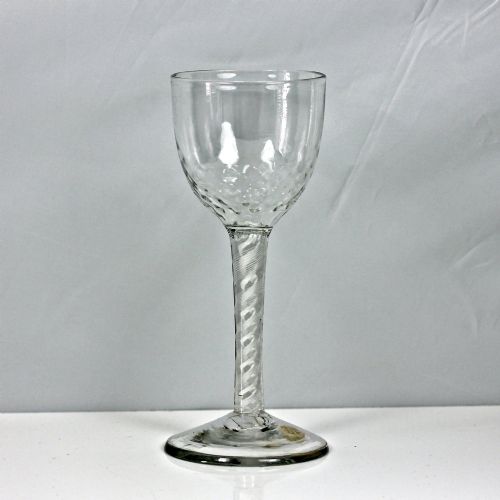
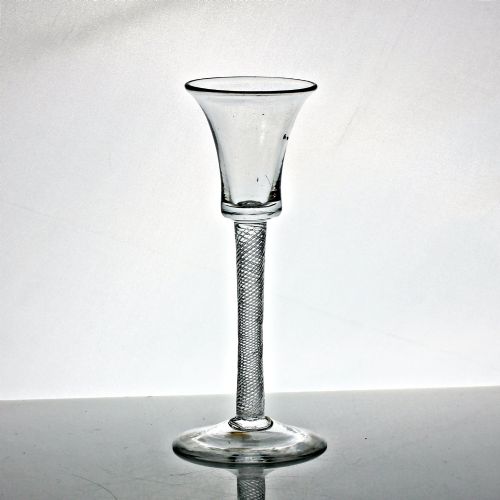
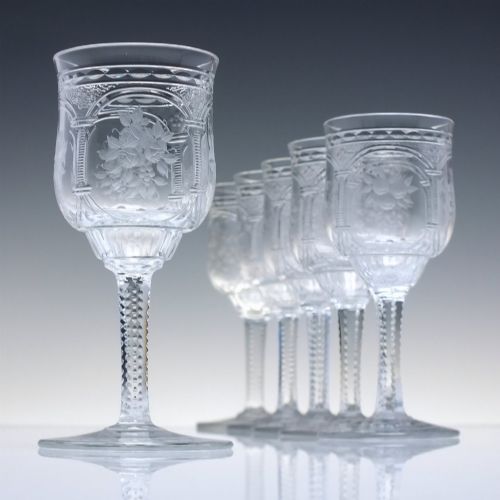
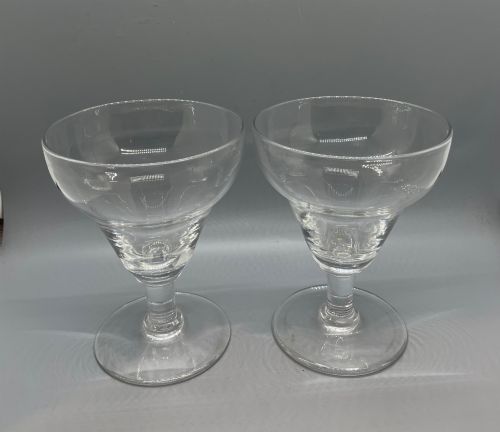
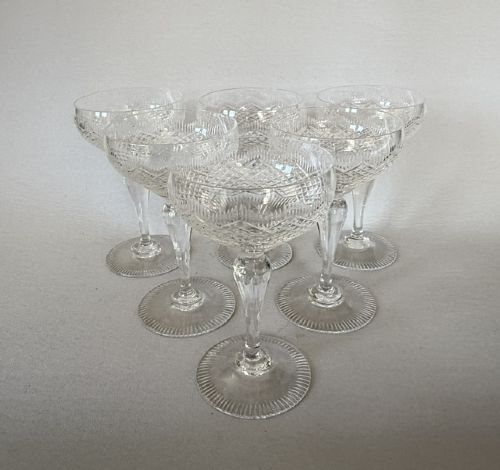
The eighteenth-century examples dominate the selection, showcasing balustroid, air twist, opaque twist, and plain stems supporting bell, ogee, or pan top bowls. Later nineteenth and twentieth-century interpretations introduce champagne coupes and cut glass bowls to the selection.
The origins remain firmly English, tracking regional variations from Newcastle light balusters to North-East English rummers. Buyers meet both individual drinking vessels and matching sets intended for functional display or collection.
Materials and technique
The production relies on lead glass, lead crystal, flint glass, and clear glass formulas that grant the material its characteristic refractive quality and density. Artisans manipulated the molten batch through blowing, moulding, and cutting techniques.
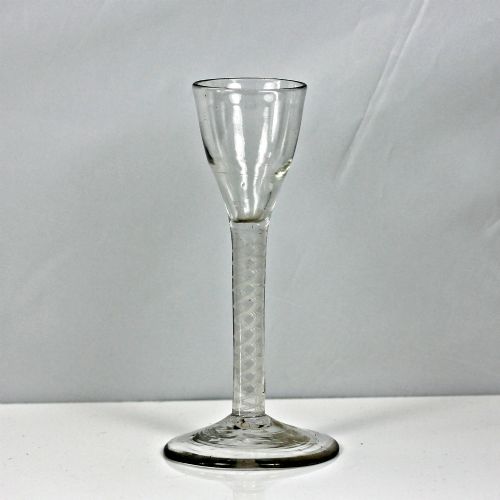
Stems often incorporate complex internal structures such as air twists, opaque twists, and mixed twists formed by trapping air channels or white enamel threads inside the glass rod. Feet frequently feature folded rims for added strength during daily use.
Listings feature lead glass and lead crystal forms spanning the eighteenth century through to the 1930s, including engraved rummers and air twist wine glasses.
Evaluating craftsmanship
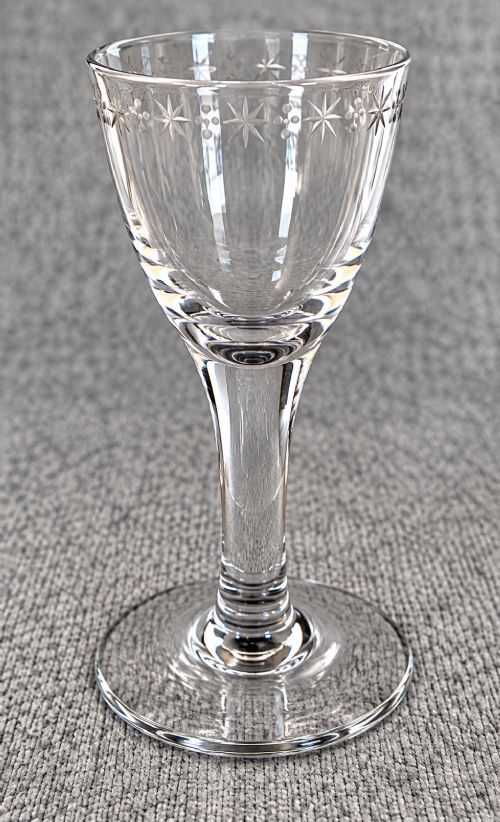
The distinction between tiers rests upon the complexity of the stem formation, such as intricate multi-spiral air twists or heavy baluster knops. Engraved decoration also alters the character, moving from simple floral motifs to detailed armorials and inscriptions.
Proportion and foot formation dictate the overall harmony of the vessel, with domed or folded feet contributing to structural integrity and historical correctness. The purity of the clear metal and the absence of heavy clouding distinguish superior pieces.
The Clear Lead Stemware Glossary
- Air twist
- A stem containing spiral threads of tiny air bubbles created by drawing and twisting the glass while hot. This technique requires exceptional skill from the glassblower to maintain uniform channels.
- Opaque twist
- A stem featuring white or coloured enamel glass rods twisted inside a clear glass casing. These stems date predominantly to the mid-eighteenth century.
- Baluster
- A heavy, thick stem shape reminiscent of architectural railings, frequently featuring knops and swelling profiles. This form dominates early eighteenth-century drinking vessels.
- Rummer
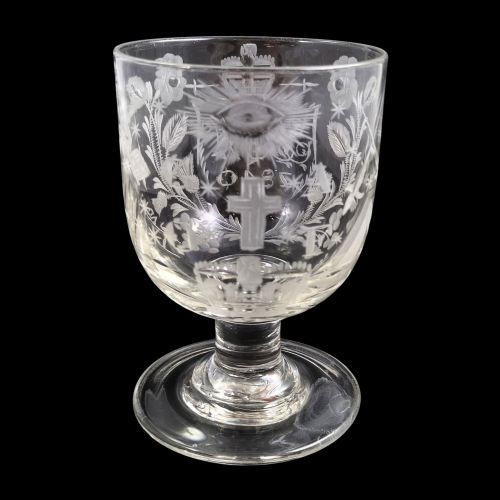
- A capacious, heavy-stemmed drinking glass used for ale, beer, or punch during the Georgian and Regency periods. They often sit on a square or round foot.
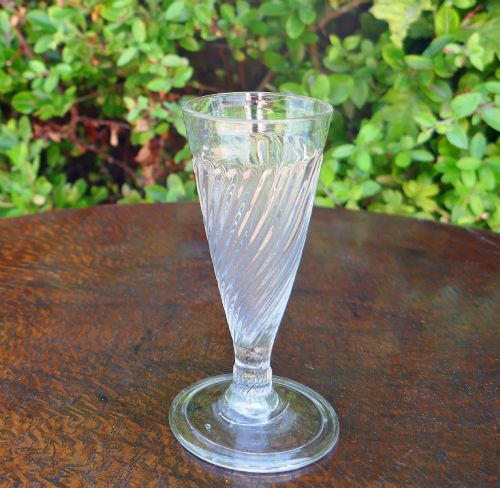
- Wrythen
- A decorative swirling rib pattern moulded into the bowl or body of the glass. This optical effect catches the light as the vessel turns.
Clear Lead Stemware: Frequently Asked Questions
How do I date these glasses?
Dating relies on combining the stem construction, bowl shape, and foot style. Eighteenth-century pieces frequently show pontil marks and distinct stem configurations like balusters or twists.
Later nineteenth and twentieth-century examples shift towards heavy facet cutting, moulded champagne coupes, and standardised forms that reflect industrial production changes.
What is an air twist stem?
An air twist stem contains internal spiral threads of elongated bubbles trapped within the clear glass. Glassmakers achieved this effect by piercing heated metal with pins and twisting the rod as it stretched.
This technique creates a delicate internal pattern that catches the light without interrupting the clear exterior surface.
Can I use these glasses today?
These drinking vessels were made for functional use, though antique pieces require careful hand washing. Many collectors enjoy using Georgian wine glasses and rummers for special occasions.
Gentle handling prevents thermal shock and preserves the fragile folded feet and delicate rims of eighteenth-century glassware.
What distinguishes opaque twist stems?
Opaque twist stems incorporate white enamel glass rods twisted into complex internal threads within the clear stem. They emerged in the mid-eighteenth century as a refined alternative to air twists.
Single series twists contain one set of enamel threads, while double series examples combine outer opaque threads with inner gauze or core twists.